TWRA-owned lakes are covered under the same statewide license rules
It can be incredibly confusing to figure out all the nuances of fishing regulations here in Tennessee, especially when you start looking at different types of water bodies. You might hear talk about "TWRA-owned lakes" and immediately wonder if there's some secret handshake or an extra permit you need to fish them. It's a valid concern, and a common one many anglers grapple with. Rest assured, this guide is here to clear up that specific mystery, explaining that most TWRA-owned lakes operate under the same statewide fishing license rules as any other public waters in the Volunteer State.
Understanding TWRA-Owned Lakes and Their Purpose
Let's start by demystifying what a "TWRA-owned lake" even is. It's easy to assume they're entirely different beasts from our big reservoirs or state park ponds, but in terms of licensing, the distinction often matters less than you might think.
What Exactly are TWRA Lakes?
The Tennessee Wildlife Resources Agency (TWRA) doesn't just manage wildlife and enforce regulations; they also actively maintain a number of lakes and ponds across the state. These are often smaller, more localized fisheries, specifically designed to offer public fishing opportunities, improve access, and sometimes even serve as experimental waters for fishery management techniques. Think of them as dedicated fishing spots, carefully nurtured by the state.
For example, places like Marrowbone Lake in Davidson County, Lake Graham in Madison County, or Herb Parsons Lake near Collierville are classic examples of these dedicated TWRA lakes. They’re fantastic resources for local anglers, often stocked with a variety of species and managed for optimal fishing. Their purpose is primarily recreational angling, often providing quieter, more family-friendly alternatives to the bustling major reservoirs. They're a testament to Tennessee's commitment to providing diverse fishing experiences for its residents and visitors.
Why Some Anglers Expect Different Rules
It’s completely natural to wonder if these specially managed lakes come with their own unique set of rules. After all, if a water body is owned and managed by the Tennessee Wildlife Resources Agency, one might logically conclude it has its own separate entry requirements or a specific "TWRA Lake Permit." This thinking often stems from experiences with other specialized fishing areas.
For instance, some state parks might have slightly different regulations for their specific ponds, or a private fishing club certainly would. Even some larger wildlife management areas (WMAs) in Tennessee can have distinct rules regarding access, boat motors, or fishing seasons that differ from statewide norms. So, when you encounter a body of water explicitly designated as a "TWRA lake," it's completely understandable to pause and think, "Wait, do I need something extra here?" This proactive thinking is actually a sign of a responsible angler who wants to stay within the bounds of the law. However, for the vast majority of TWRA-owned lakes, when it comes to the license itself, the statewide rules are your go-to guide.
Navigating Tennessee's Statewide Fishing License Requirements
The good news is that the foundational requirement for fishing in TWRA-owned lakes is the same as almost anywhere else in public waters across Tennessee: a valid fishing license. There aren’t any secret "TWRA Lake" licenses or additional permits you need to buy specifically for these spots.
Who Needs a License on TWRA Lakes and Everywhere Else
Generally speaking, if you're 13 years old or older, you need a fishing license to cast a line in Tennessee's public waters, including all TWRA-owned lakes. This rule applies whether you're a resident or a non-resident. There are a few key exceptions, of course. For instance, children under 13 can fish without a license. There’s also the fantastic annual Bobby Wilson Free Fishing Day, typically held in early June, where everyone can fish license-free for a day. Furthermore, Tennessee also has a Free Fishing Week for Kids, offering a full week of license-free fishing for youngsters 15 and under.
Beyond those exceptions, if you're holding a rod and reel, you need that license. It's the law, and it's how the state funds crucial conservation efforts, fish stocking programs, and the maintenance of these very TWRA lakes we're discussing. If you want a deeper dive into all the specifics, our comprehensive Tennessee Fishing License Guide breaks down everything you need to know about who needs a license and when.
Different License Types That Cover TWRA Waters
Tennessee offers a variety of fishing license types, and any of the standard options will cover you for fishing in TWRA-owned lakes. You're not restricted to a specific type; just pick the one that best fits your fishing habits.
- Annual Licenses: These are the most common. For residents, the standard option is often the Annual Hunting and Fishing Combination License, which for a single fee covers both activities for a full year. If you're a dedicated angler, this is usually the most cost-effective choice. You can learn more about this specific option in our article about the Tennessee Resident Combination Hunt and Fish License.
- Short-Term Licenses: If you're just visiting or only plan a quick trip, Tennessee offers options like the Tennessee Single-Day Fishing License Options for residents and multi-day licenses for non-residents. These are perfect for a weekend getaway to a place like Lake Graham without committing to a full year.
- Senior Licenses: Tennessee residents aged 65 and older qualify for significantly reduced rates, such as the Tennessee Senior Annual Fishing License, making fishing accessible for our experienced anglers.
- Trout Permits: If you plan on fishing for trout in designated trout waters, you'll need to make sure your license includes a trout permit. Many TWRA lakes are stocked with trout, especially during the cooler months, so always check the specific lake's stocking schedule and be sure your license covers trout if you intend to target them.
No matter which license you choose, the key takeaway is that once you have a valid Tennessee fishing license with the appropriate endorsements (like trout), you are good to go on TWRA-owned lakes, just as you would be on Percy Priest Lake or the Tennessee River. For a full breakdown of all the various permits and prices, check out our guide on Tennessee Fishing License Costs and Types.
How to Acquire Your License
Getting your Tennessee fishing license is incredibly straightforward these days, and you have several convenient options. There's no special queue or application process for TWRA-owned lakes; the general methods apply.
The quickest and easiest way for most people is to buy or renew their license online directly through the TWRA website. It takes just a few minutes, and you can usually print your license or save a digital copy to your phone instantly. This is super handy if you wake up on a Saturday morning with an itch to fish Marrowbone Lake and realize your old license expired. Our article on How to Buy or Renew a Tennessee Fishing License Online walks you through the steps.
Alternatively, if you prefer a more traditional approach or need to pick up some bait, you can visit a licensed vendor. Sporting goods stores like Academy Sports + Outdoors or Bass Pro Shops, many local bait and tackle shops, and even some county clerks' offices are authorized to sell TWRA fishing licenses. It's often a nice experience to chat with local experts while you're there! While you're at it, stocking up on essential fishing gear like a good fishing vest, a reliable tackle box, or new lures from retailers like Amazon can make all the difference in your outing.
Tennessee Fishing License Coverage for TWRA-Owned Lakes
| License Type | Resident | Nonresident | Covers TWRA Lakes? | Notes |
|---|---|---|---|---|
| Annual Hunting & Fishing Combo | Yes | N/A | Yes | Most popular for residents, covers both hunting and fishing statewide. |
| Annual All-Species Fishing | Yes | Yes | Yes | Covers all public waters and species, including TWRA lakes. |
| One-Day Fishing | Yes | N/A | Yes | Great for a single outing, check for trout add-on if needed. |
| 3-Day All-Species Fishing | N/A | Yes | Yes | Popular for visitors, covers multiple days. |
| 10-Day All-Species Fishing | N/A | Yes | Yes | Extended visitor option, often more economical than multiple 3-day passes. |
| Annual Senior Citizen | Yes | N/A | Yes | For residents 65 and older, significantly reduced cost. |
| Trout Permit | Yes | Yes | Yes | Required in addition to a base license if fishing for trout. |
Specific Regulations Beyond Just the License
While the license itself is generally uniform, it's crucial to understand that "statewide license rules" don't mean "no other rules." There are still important regulations regarding what you can catch, how many you can keep, and any specific local nuances.
Statewide Creel and Size Limits Still Apply
This is where it gets important: while your license covers you, the actual fishing itself still falls under Tennessee's general regulations for catch limits and size restrictions. The good news is that for most game fish, these limits are consistent across the state, including TWRA-owned lakes. You're not going to find a special "TWRA Lake Bass Limit" that's completely different from the rest of the state.
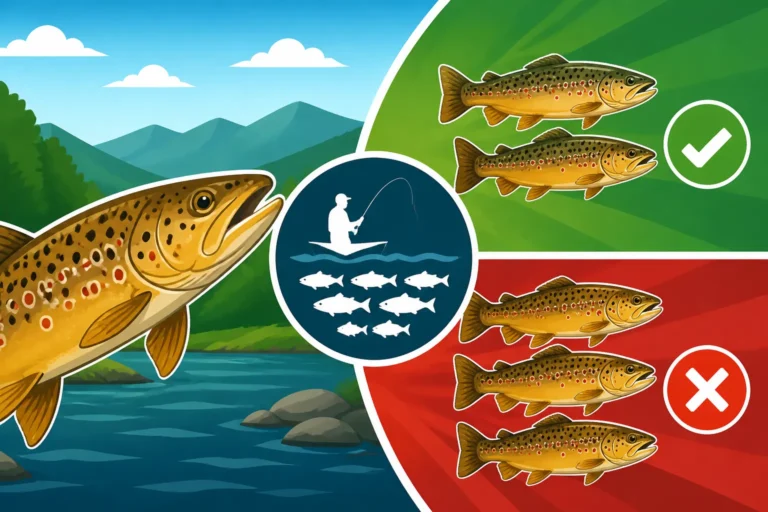
For example, the daily limit for largemouth bass across most of Tennessee is five fish, with only one allowed over 18 inches. Similarly, crappie limits are typically 20 fish per day, with only five of those allowed to be over 12 inches. If you're targeting trout, particularly in stocked waters, the statewide limit from March through September is typically seven fish per day, with no more than two brown trout. These limits are in place to ensure sustainable fisheries for everyone. Our comprehensive guide to Tennessee Fishing Season and Catch Limits is an invaluable resource for understanding these numbers for various species. You can also dive into specifics like Statewide Bass Limits for Tennessee Anglers, Crappie Limits Under Tennessee Fishing Rules, and Tennessee Trout Limits and Season Rules for even more detailed information.
So, when you're out on a TWRA lake, fish as you would on any major reservoir, keeping those statewide limits firmly in mind. It's your responsibility to know these rules, and ignorance is never an excuse if a TWRA officer checks your cooler.
Potential Local Exemptions or Specific Lake Rules
Now, here's a subtle but important point that can sometimes trip anglers up. While your license is statewide for TWRA lakes, there can occasionally be very specific, localized rules that apply to individual bodies of water, including some TWRA-owned lakes. These are usually posted prominently at the lake itself.
These specific rules rarely involve an extra license, but they might concern things like:
- Unique Size or Creel Limits: Very occasionally, a specific lake might have a different slot limit for a certain species (e.g., "no bass between 14-18 inches kept") if the TWRA is trying to manage that particular fishery for trophy potential or a specific population dynamic.
- Gear Restrictions: Some smaller lakes might restrict certain types of fishing gear, like prohibiting the use of live bait, or only allowing electric trolling motors instead of gas outboards to protect water quality or maintain quiet for other users.
- Seasonal Closures: While rare for a whole lake, certain areas of a lake might have temporary closures during spawning seasons or for maintenance.
It is absolutely essential to always, always check for posted signage at the boat ramp or access points of any TWRA-owned lake you visit. The TWRA website also usually has specific pages for their managed lakes, where you can find these localized rules. While these don't change your license requirement, they are critical for staying compliant. For a broader understanding of how specific bodies of water can have unique rules, our article on Lake-Specific Fishing Rules That Override Tennessee's Statewide Limits is a great read. When in doubt, a quick check of the TWRA website for the specific lake you plan to visit can save you a headache and potential citation. This due diligence is part of being a responsible angler in Tennessee.
Common Misconceptions and Best Practices
It's easy to get tangled up in what seems like a web of rules, but with a little clarity, fishing TWRA-owned lakes is just as straightforward as any other public water. Let's clear up some common misunderstandings.
The Myth of "Special Permits" for TWRA Waters
Let's address this directly: there is no such thing as a "special permit" that you need in addition to your standard Tennessee fishing license to fish in TWRA-owned lakes. This is one of the biggest misconceptions out there, and it causes unnecessary worry for anglers. If you've purchased your statewide fishing license, whether it's an annual, a 3-day, or a senior license, and it's current, you are legally permitted to fish in TWRA-owned lakes.
The confusion, as we discussed, often comes from the logical assumption that "owned by the agency" might imply an extra layer of bureaucracy. But for these dedicated fishing lakes, the TWRA's goal is to promote fishing, not to create additional barriers. Your license fee already contributes to the management, stocking, and maintenance of these very waters. So, you can confidently pack your fishing gear, grab your favorite lures from Amazon, and head out without needing to scour the internet for some elusive "TWRA Lake Access Pass." Just be sure your standard license is valid for the species you plan to target, particularly if trout are on your agenda.
Always Check Before You Cast
Even though the license rules are straightforward, a truly responsible angler knows that regulations can sometimes change, and local nuances exist. Therefore, the absolute best practice is to always perform a quick check of the current regulations before you cast your first line, especially if you're visiting a body of water for the first time or if it's been a while since your last trip.
The most authoritative source for all Tennessee fishing regulations, including any specific rules that might apply to individual TWRA-owned lakes, is the official TWRA website. They keep an up-to-date fishing guide that details statewide limits, exceptions, and any special conditions for particular waters. You can download the current regulations, look up specific lakes, or even call a regional TWRA office if you have a very specific question.
This habit of checking isn't about distrusting the general rules; it's about being prepared. Think of it like checking the weather before you head out – you might expect sunshine, but a quick look at the forecast could save you from an unexpected downpour. This diligence ensures you're always fishing legally, contributing to conservation, and enjoying your time on the water without any unnecessary worries. Our comprehensive guide to Tennessee Fishing Regulations Explained can be a great starting point for understanding the broad strokes of the rules.
Disclaimer
Please note: While this guide provides comprehensive information, fishing regulations are subject to change. Always consult the official Tennessee Wildlife Resources Agency (TWRA) website or their current printed regulations guide for the most up-to-date and specific rules before engaging in any fishing activities.