How to Set Up for a Night Fishing Trip
There's a special kind of magic that settles over Tennessee's lakes and rivers when the sun dips below the horizon. The daytime crowds thin out, the air cools, and a hush falls, making it feel like you have the whole water to yourself. But as inviting as the peace of night fishing can be, it brings a unique set of challenges. Many anglers, excited by the prospect of big fish, hit the water unprepared, fumbling in the dark or missing crucial safety steps. This guide is here to walk you through exactly how to set up for a night fishing trip in Tennessee, ensuring you’re safe, comfortable, and ready to reel in some nocturnal giants.
Why Embrace the Night (and What Challenges It Brings)
Night fishing isn't just about escaping the heat or the crowds; it’s about tapping into a different rhythm of the aquatic world. Fish behavior shifts dramatically once the light fades, and understanding this change is key to success. However, that darkness also introduces hurdles that require careful planning.
The Allure of Darkness: What Makes Night Fishing Special in Tennessee
There's a undeniable mystique to fishing under the stars. First off, the temperature drop is a huge relief, especially during those sweltering Tennessee summers. What might be unbearable heat during the day on lakes like Watts Bar or Chickamauga Lake becomes a comfortable, breezy evening. This temperature change doesn't just benefit us; it invigorates the fish too. Many species, especially larger predatory fish, become more active and venture into shallower waters where they wouldn't dare during bright daylight.
Think about the bigger bass that stay deep and hidden all day; they often become bold hunters at night, chasing baitfish closer to the surface or around cover. This can lead to some truly exhilarating topwater blow-ups that you might never experience during the day. Similarly, catfish, known for their nocturnal feeding habits, really turn on after dark, making it the prime time to target those trophy-sized blues and flatheads. The reduced boat traffic also means less disturbance, creating a quieter environment where fish feel safer and are more likely to bite. It's a chance to experience your favorite Tennessee fishing spots in a completely new light – or lack thereof!
Common Hurdles: What Anglers Get Wrong About Night Fishing Prep
Despite the clear advantages, many anglers underestimate the preparation needed for a successful and safe night trip. The most common mistake is assuming that just because you know a spot inside and out during the day, it'll be the same after dark. Visibility is severely compromised, making navigation tricky, even on familiar waters. What looks like an open path during the day can conceal submerged hazards or shallow spots at night.
Another frequent oversight is inadequate lighting. A small headlamp might seem sufficient, but you'll quickly learn its limitations when trying to re-tie a knot or unhook a fish. Safety is another huge concern; without proper precautions, even a minor incident can become serious when you can’t clearly see your surroundings or signal for help. From tangled lines to unexpected bumps, the darkness amplifies every small challenge. Overlooking essential gear like bug repellent, extra batteries, or a reliable first-aid kit can turn a peaceful outing into a frustrating ordeal. It's not just about what lures to throw; it's about a holistic approach to being out on the water when the sun goes down.
Essential Gear for Your Tennessee Night Fishing Adventure
When it comes to night fishing, your gear list expands beyond the basics. Think about how you operate in your home at night – you flip on lights. The same principle applies here, but with added layers for safety, comfort, and, of course, catching fish.
Lighting the Way: Illumination for Safety and Success
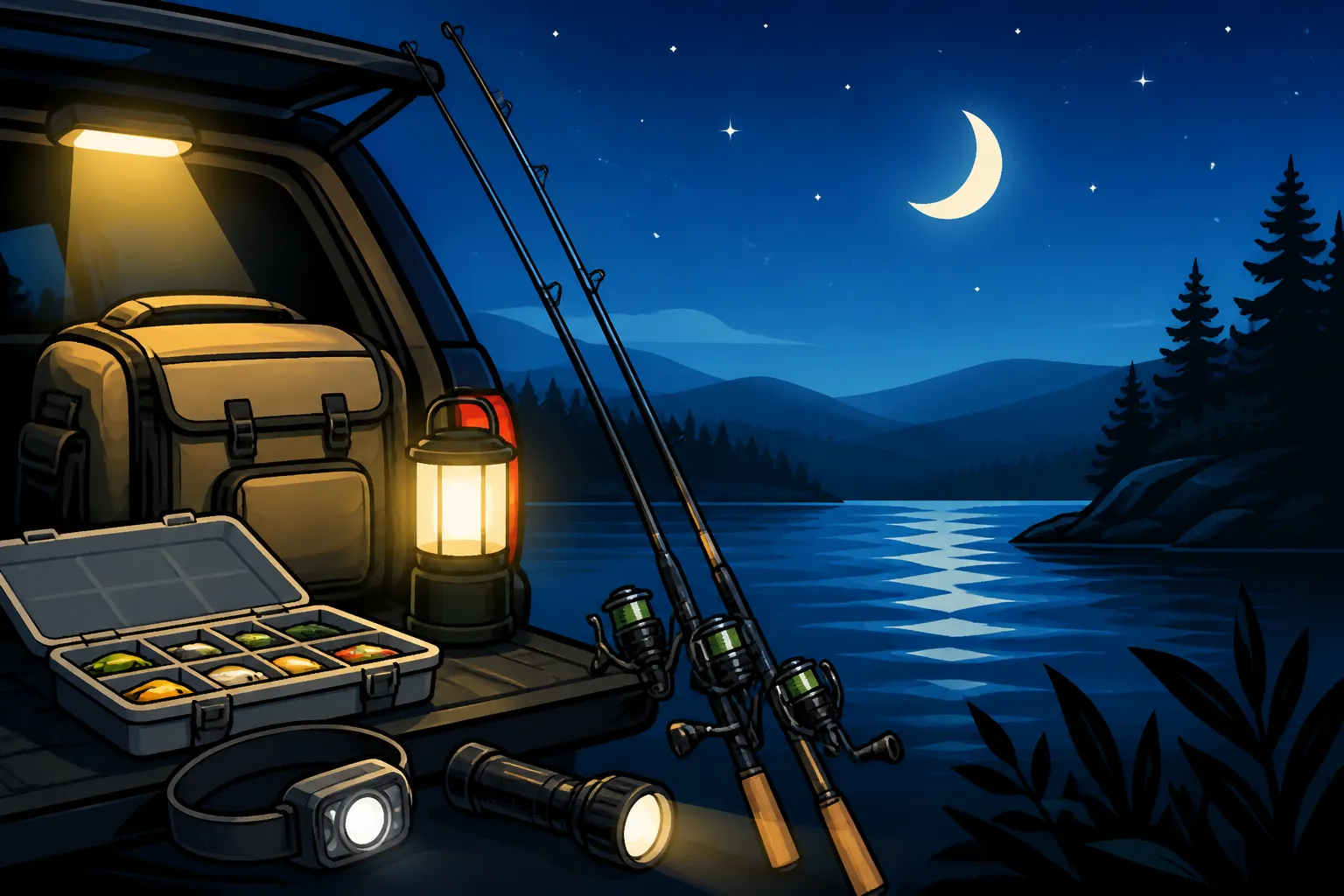
Lighting is paramount when fishing at night. You'll need more than one source, and each serves a different purpose. A good headlamp, ideally with a red light option to preserve your night vision, is non-negotiable for tying knots, rigging bait, and handling fish. Choose one that's bright, waterproof, and has a comfortable strap. You can find excellent options for headlamps, even from brands like Amazon Basics, by browsing online.
Beyond personal illumination, consider area lighting. A lantern, whether battery-powered or propane, can illuminate your boat or bank setup, making it much easier to organize your tackle and move around safely. For boat anglers, proper navigation lights are legally required and absolutely critical for avoiding collisions. Beyond that, specialized submersible green or white LED fishing lights can be game-changers, drawing in plankton, which then attract baitfish, and ultimately, the predatory gamefish you’re targeting. These lights can make a huge difference, particularly when fishing for crappie or catfish in open water on lakes like Kentucky Lake or Percy Priest Lake. Always carry extra batteries or a power bank; nothing ruins a night trip faster than being plunged into total darkness.
Tackle Box Overhaul: Lures and Bait for the Dark Hours
Your daytime tackle might not be your best friend after dark. While some of your trusty lures will still work, the darkness changes how fish perceive their environment. Scent and vibration become incredibly important. For bass and striped bass, big, dark-colored lures that create a lot of commotion are often effective. Topwater baits like Whopper Ploppers or buzzbaits fished over shallow flats can provoke aggressive strikes. Crankbaits with rattles or vibrating jigs can also be very productive. Consider adding some glow-in-the-dark or UV-reactive lures to your arsenal; charging them with a flashlight periodically can make them stand out.
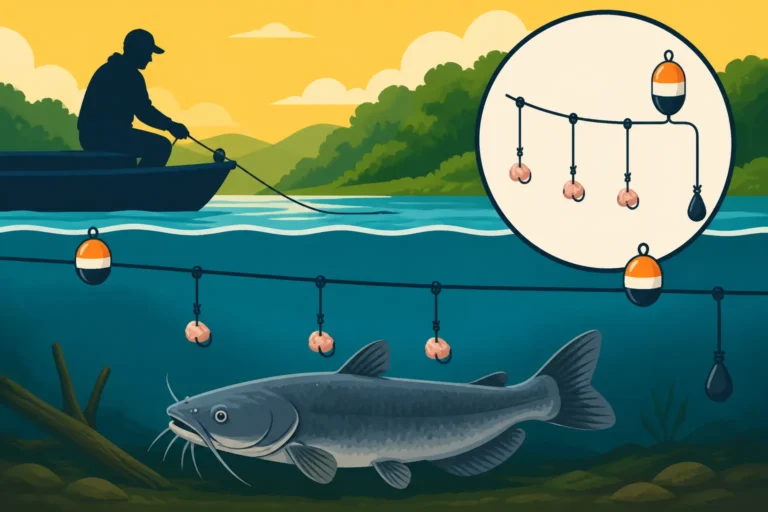
For catfish, the classic strong-smelling baits are king. Live or cut bait (shad, skipjack herring, or even chicken livers) are highly effective when How to Catch Catfish at Night. Rigging these baits on the bottom, perhaps with a Carolina rig, can be deadly. When targeting crappie, small jigs tipped with minnows or scented soft plastics under a lighted bobber can be very effective, especially when positioned near those submersible lights mentioned earlier. Remember, fish senses are heightened in the dark, so pay attention to subtle bites.
Comfort and Safety First: Beyond Just Your Rod and Reel
Don't let the excitement of the catch overshadow your well-being. Night fishing demands extra attention to comfort and safety. Here’s a quick list of essentials you'll be glad you brought:
- Layered Clothing: Even if it’s hot during the day, nights in Tennessee can get chilly, especially on the water. Bring extra layers and rain gear.
- Insect Repellent: Mosquitoes and other biting insects are often more active after dark. A good spray or even a thermacell device is crucial.
- First-Aid Kit: Accidents happen, and they're harder to deal with in the dark. A well-stocked kit for cuts, hooks, and minor injuries is a must. You can easily find compact first-aid kits on Amazon.
- Communication Device: A fully charged cell phone is a given, but consider a marine radio if you're on a larger lake or further offshore.
- Personal Flotation Device (PFD): Always wear your life jacket, especially when moving in a boat after dark.
- Anchor: A reliable anchor is important, particularly if you're fishing a specific spot in a current or wind.
- Warm Drinks/Snacks: Staying hydrated and fueled will keep your spirits up through the long hours.
- Knife/Line Cutters: Quick access to sharp tools for cutting line or disentangling is always important.
- Net/Grippers: Landing a fish in the dark can be challenging. A good net or lip grippers will save you a lot of hassle and potential injuries.
- Sunscreen (yes, even at night): You won't need it after dark, but if you start before sunset or stay until sunrise, you'll be exposed.
Being prepared with an Essential Safety Gear Checklist Before a Tennessee Fishing Trip ensures a fun experience.
Strategic Setup: Finding Your Spot and Staying Organized
Once you've got your gear sorted, the next step is strategic execution. Where you go and how you organize your space can make or break your night fishing success.
Choosing Your Nocturnal Battleground in Tennessee
Selecting the right location for night fishing is critical. While fish move shallower at night, they still prefer structure and cover. Think about areas that concentrate baitfish: humps, points, submerged brush piles, weed lines, or docks with lights. Bridges and culverts can also be fantastic, as current often draws baitfish and thus predators. Familiarity with the area is a huge advantage, as navigating unfamiliar waters in the dark can be dangerous.
Consider visiting your chosen spot during daylight hours first, if possible. Note landmarks, potential hazards, and where the best structure is located. Look for good access points if you're bank fishing. For boat anglers, checking out maps and even using your fish finder during the day to mark structure will pay dividends when the sun sets. Some of the best Night Fishing Spots on Kentucky Lake, Tennessee or Night Fishing Spots on Chickamauga Lake, Tennessee often involve these kinds of detailed pre-scouting missions. If you're new to night fishing, start on smaller, less complicated bodies of water before venturing onto expansive reservoirs.
Setting Up Your Base Camp: Organization is Key
Before dusk fully settles, set up your fishing area as meticulously as possible. This means having everything you need within easy reach. Arrange your rods, tackle box, net, and other tools so you can access them without fumbling or tripping. If you're bank fishing, clear any potential tripping hazards around your chosen spot. For boat fishing, ensure your deck is free of clutter.
Use multiple light sources strategically. Your headlamp is for personal tasks, but a broader area light (like a lantern) will help you see your general setup. If you're using submersible lights, deploy them before it gets too dark. Having a designated spot for your trash is also important; nothing worse than stepping on a discarded hook or line in the pitch black. Prepare your baits and rig as many rods as you anticipate needing while there's still light. This reduces time spent in the dark trying to thread a hook or tie a complicated knot. Thinking through your workflow and organizing your gear ahead of time makes the transition from day to night seamless and stress-free.
Staying Safe and Respectful After Dark
Safety on the water at night cannot be overstressed. Always let someone know where you're going and when you expect to return. File a float plan, even if it's just a text to a friend or family member. Ensure your boat's navigation lights are functioning correctly and are clearly visible. Remember, Do You Need Navigation Lights for Night Fishing in Tennessee? Yes, absolutely! Check and double-check your PFDs.
Beyond personal safety, be mindful of other anglers. The quiet of the night means sounds carry further. Keep noise levels down, and avoid shining bright lights directly into other boats or bank fishing areas. Give others plenty of space. If you're using lights to attract fish, be aware that those lights might also attract other anglers. Be ready to share the water respectfully. Always clean up after yourself, leaving no trace behind – especially important when you might miss a stray lure or piece of line in the dark.
Species-Specific Night Fishing Tips for Tennessee Waters
Different fish species behave differently under the cloak of darkness. Knowing which species to target and how to adapt your techniques will significantly boost your success rate.
Targeting Nighttime Predators: Bass and Stripers
Largemouth and smallmouth bass, along with striped bass, can offer some of the most exciting night fishing experiences in Tennessee. These predatory fish often use the cover of darkness to ambush baitfish, which move into shallower waters or are attracted to lights. For largemouth, target weed edges, dock lights, and submerged cover with dark-colored spinnerbaits, chatterbaits, or large soft plastics (like worms or creature baits) Texas-rigged or Carolina-rigged. Topwater lures are especially thrilling at night, as you often hear the strike before you see it.
Striped bass are often found schooling in open water, but at night they can push baitfish against points or into coves. Live bait like shad or large shiners can be incredibly effective for stripers. Trolling large crankbaits or bucktail jigs in deeper channels or near structure can also yield results. Knowing How to Catch Striped Bass at Night often involves understanding their migratory patterns and focusing on main lake points or creek channels, especially where there's current. If you're struggling to find them shallow, don't be afraid to try How to Fish Deep Water for Striped Bass even at night, as they don't always come to the surface.
The Bottom Dwellers: Catfish After Dark
Catfish are arguably the most popular target for night anglers in Tennessee, and for good reason—they thrive in the dark! Channel, blue, and flathead catfish all become significantly more active under the moon. Blue and channel cats are less picky eaters, drawn to strong scents. Cut bait (especially oily fish like shad), chicken livers, and various stink baits are all excellent choices. For flatheads, live bait like bluegill or sunfish is almost always preferred.
When fishing for catfish at night, focus on deep holes, river channels, creek mouths, and areas with current. Setting multiple lines with different baits and depths can help you dial in what they’re hitting. Using heavy tackle is usually a good idea, as these fish can grow quite large. Leave your rod in a sturdy holder and wait for that unmistakable, powerful tug. You can learn more about specific tactics by looking into Night Fishing Techniques for Catfish or finding tips on Best Bait for Bottom Fishing Catfish. The key is patience and a strong scent trail.
Crappie and Panfish: A Different Nighttime Approach
While not always the first species that come to mind for night fishing, crappie and other panfish like bluegill can offer fantastic action, especially if you have an underwater light system. These lights attract plankton, which draws in minnows, and the minnows, in turn, attract crappie. Positioning your boat or bank setup over submerged brush piles, timber, or bridge pilings and deploying a green submersible light can create a productive fishing zone.
Small jigs tipped with minnows or soft plastics are effective. You can fish these vertically under a bobber or slowly reel them in. Pay close attention to your electronics if you have them, as crappie will often suspend at specific depths. Sometimes, they'll be right in the "halo" of your light, while other times they'll be just outside of it. The subtle bites of crappie can be even harder to detect in the dark, so a sensitive rod tip and good feel are crucial. Keep an eye on those bobbers, even if they're lighted, for the slightest dip or twitch.
| Gear Category | Essential Items for Night Fishing | Why It's Crucial |
|---|---|---|
| Illumination | Headlamp (red light option), Lantern, Boat Navigation Lights, Submersible Fishing Light | Personal visibility, area lighting, legal safety, attracting fish/bait |
| Safety & Comfort | PFDs, First-Aid Kit, Insect Repellent, Extra Layers, Communication Device, Anchor | Personal safety, emergency preparedness, preventing discomfort, reliable positioning in the dark |
| Tackle | Dark-colored/noisy lures, Glow-in-the-dark baits, Scented Baits, Live/Cut Bait, Strong Line | Increased visibility/attraction in low light, appealing to nocturnal fish senses, landing larger fish |
| Organization | Tackle box with compartments, Rod holders, Cooler, Designated trash bag | Efficient access to gear, secure rod placement, keeping catch fresh, maintaining a clean environment |
Night fishing in Tennessee offers a unique blend of challenge and reward. By carefully preparing your gear, selecting your spots wisely, and prioritizing safety, you'll open up a whole new world of angling possibilities. The quiet thrill of the night, the powerful tug of a nocturnal feeder, and the starry sky above create an unforgettable experience. So next time you're thinking about hitting the water, consider waiting for the moon to rise—you might just discover your new favorite way to fish. For more tips on when the fish are biting, check out Night Fishing Spots on Percy Priest Lake or general information on the Best Time of Day to Catch Bass. Remember, a well-prepared angler is a successful angler, especially after dark.
Disclaimer
This article is for general informational purposes only and does not constitute professional advice. Laws, prices and regulations vary by location and change over time. Consult a qualified professional for guidance on your specific situation.