Best Time of Day to Catch Bream
Many anglers, especially those new to bream fishing or families taking kids out, often wonder about the perfect time to drop a line for these feisty panfish. It can be frustrating to spend hours on the water without a nibble, wondering if you just picked the wrong part of the day. This comprehensive guide will dive deep into the daily habits of bream, helping you pinpoint the best times to fish for them in Tennessee's diverse waters, so you can maximize your chances of a successful and enjoyable outing.
Understanding Bream's Daily Rhythm: When They're Most Active
Bream, which often refers to bluegill, shellcracker, and other panfish species in Tennessee, are generally opportunistic feeders. However, like most fish, they have distinct daily patterns influenced by light, temperature, and their natural instincts. Knowing these rhythms can dramatically improve your success rate and turn a slow day into a memorable one.
The Morning Bite: Early Risers Get the Bream
There's a reason why so many experienced anglers recommend getting out on the water at dawn – and it's especially true for bream. As the first rays of sunlight begin to pierce the surface of the water, bream often become incredibly active. This is their prime feeding window. During the night, they might have retreated to deeper, safer waters, but with the rising sun, they feel more comfortable venturing into shallower areas to forage.
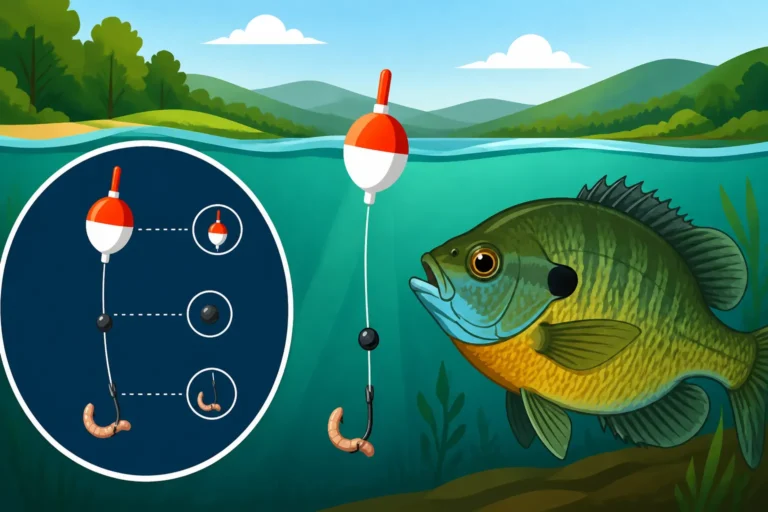
Think about it: the water is often cooler and more oxygenated in the early morning, which makes these smaller fish feel more energetic. Insects that were dormant overnight start to hatch and become active, providing a readily available food source. This early morning period, typically from sunrise until a few hours after, is fantastic for catching bream. You'll often find them cruising the edges of weed beds, around submerged timber, or near docks, looking for breakfast. If you’re planning a trip with the family, consider an early start; it can be incredibly rewarding. For tips on setting up your line, check out our guide on how to rig a bobber for bluegill.
Midday Lull: When Bream Take a Break
As the sun climbs higher in the sky and midday approaches, you’ll often notice a significant slowdown in bream activity. This is completely normal and can be a source of frustration for anglers who only have the middle of the day to fish. The intense sunlight can drive bream deeper into cover, away from the surface, making them harder to locate and entice. The water temperature also rises, which can make shallow areas less comfortable for them, especially during the hotter months.
During this "midday lull," bream tend to seek out shade and cooler water. You might find them suspended under boat docks, submerged brush piles, or in the deeper pockets of lakes and ponds. While it’s not impossible to catch them during this time, it usually requires a different approach. You might need to switch to a heavier weight to get your bait down to them faster, or target areas with significant overhead cover. Don't give up entirely, but adjust your expectations and tactics. It's a great time to re-tie lines, grab a snack, or just enjoy the peaceful scenery.
Evening Feed: The Golden Hour for Panfish
Just like the morning, the late afternoon and early evening hours offer another fantastic opportunity to catch bream. As the sun begins its descent, casting long shadows over the water, the intense glare diminishes, and the water temperature starts to cool. This signals to the bream that it's time for another feeding spree before they retreat for the night.
This "golden hour," typically from an hour or two before sunset until dusk, often mirrors the morning bite. Bream move back into shallower waters, along shorelines, and around structure, eager to feed. The light is softer, making them feel more secure. You might see insects becoming active again, creating ripples on the surface that can attract hungry bream. It's a beautiful time to be on the water, and often very productive. If you're wondering about general techniques for these panfish, our Bluegill and Panfish Guide for Tennessee Anglers has a lot of helpful information.
Key Environmental Factors Influencing Bream Activity
While the daily rhythm is a strong indicator, other environmental factors play a crucial role in determining when and where bream will be most active. Understanding these elements can help you fine-tune your fishing schedule and tactics.
Light Conditions: How Sunlight Affects Bream Movement
Bream are very sensitive to light. Bright, direct sunlight tends to make them skittish and drives them to seek cover. This is why the early morning and late evening, with their softer, diffused light, are often the most productive times. During these periods, bream feel less exposed to predators and are more willing to venture into open or shallower water to feed.
On overcast days, however, the rules can change a bit. A consistently cloudy sky can create an all-day "golden hour" effect, where bream remain active and spread out across different depths for longer periods. The diffused light makes them feel comfortable throughout the day, so you might find excellent fishing even at midday. Conversely, extremely clear, sunny days might require you to fish deeper or target shaded areas almost exclusively outside of the prime morning and evening windows. Always pay attention to the sky; it's one of the easiest indicators of how the fish might be behaving.
Water Temperature: The Comfort Zone for Bream
Water temperature is arguably one of the most critical factors influencing fish behavior, and bream are no exception. They are warm-water fish and thrive in a specific temperature range. Generally, their most active feeding occurs when water temperatures are between 65 and 75 degrees Fahrenheit.
In the spring, as waters warm, bream become more active, moving into shallower areas to spawn. This is a fantastic time to find them. In the scorching heat of summer, however, shallow waters can become too warm and lose oxygen, pushing bream into deeper, cooler zones during the hottest parts of the day. As you head into fall, water temperatures begin to cool again, often triggering another burst of feeding activity. For a deeper dive into this, you might find our article on How Water Temperature Affects Fish Activity very enlightening. Keeping a simple water thermometer, easily found on Amazon, in your tackle box can give you a significant edge in understanding what the bream are doing.
Weather Patterns: Overcast Skies and Gentle Breezes
Beyond just sunlight and temperature, overall weather patterns have a big impact. As mentioned, overcast days can extend the prime fishing windows. A gentle breeze, creating a ripple on the water's surface, can also be beneficial. This ripple breaks up the sunlight, making it harder for fish to see you on the bank or in your boat, and it can also concentrate food sources.
However, extreme weather, like heavy rain, strong winds, or sudden cold fronts, can often shut down the bite. Bream tend to become less active and seek shelter during such conditions. Barometric pressure changes associated with fronts can also impact their feeding behavior. A steady, stable weather pattern, especially one with a bit of cloud cover and light wind, often provides the most consistent bream fishing opportunities. If you're out there and the weather suddenly changes, be prepared to adapt your approach – or perhaps just enjoy the tranquility until conditions improve.
Seasonal Shifts in Bream's Best Feeding Times
While the daily patterns of morning and evening bites hold true for much of the year, each season brings its own nuances that influence when those prime times occur and where you should focus your efforts. Understanding these seasonal shifts is key to consistent success.
Spring: The Pre-Spawn and Spawn Frenzy
Spring is a glorious time for bream fishing in Tennessee. As water temperatures rise from the chilly winter lows, bream begin to move from deeper waters into the shallows, preparing for their annual spawn. This period, often starting in April and extending into early summer, can offer some of the most aggressive and predictable bream action.
During the pre-spawn, bream are focused on feeding heavily to build energy for spawning. You'll find them active throughout the day, though the morning and evening bites are still usually the strongest. They'll be congregating in warmer, shallower coves, often near emerging vegetation or sandy bottoms. Once the spawn begins, identifiable by visible "beds" – circular depressions in the substrate where they lay eggs – bream become incredibly protective and territorial. This is a prime time to target them, as they'll readily strike anything that comes near their nests. You might even find that How to Find Bluegill in Shallow Water focuses heavily on this spring activity. The best time of day during the spawn can often be all day, but again, the early morning and late afternoon are stellar.
Summer: Deep Waters and Early/Late Bites
Summer fishing for bream in Tennessee can be a bit more challenging, especially during the dog days of July and August. The intense heat and bright sun often push bream into deeper, cooler waters during the middle of the day. Shallow areas can become almost barren in the bright sun.
However, the early morning and late evening bites remain incredibly strong, sometimes even more pronounced than in spring. As the sun rises and sets, bream will temporarily move into shallower feeding grounds. During the day, you'll need to focus on finding deeper structure: submerged brush piles, ledges, drop-offs, or the shade provided by boat docks and overhanging trees. Look for areas with good oxygenation and cooler water. A good fish finder, available on Amazon, can be invaluable for locating these deeper bream concentrations. Our guide on How to Catch Bream in Summer dives into more specific strategies for this season.
Fall: A Final Push Before Winter
As autumn arrives and the days shorten, bream sense the impending winter and begin another period of aggressive feeding. This "fall turnover" can be another fantastic time to fish for them. The water temperatures cool down, often returning to that comfortable 65-75 degree range, and bream once again become active for longer periods throughout the day.
You’ll often find them schooling up and feeding voraciously on aquatic insects and small baitfish, trying to put on weight for the lean winter months. They might still be found in shallower areas during the morning and evening, but as the season progresses and temperatures drop further, they will start to congregate near deeper channels, creek mouths, and structure where they can find stable temperatures. This can be a time for impressive numbers, as schools can be quite large.
Winter: Slow and Steady Wins the Race
Winter fishing for bream in Tennessee is certainly possible, but it requires patience and a more refined approach. Bream are cold-blooded, so their metabolism slows down significantly as water temperatures drop. They become lethargic and less willing to chase food.
During winter, bream will generally hold in deeper, more stable water, often suspended over deep channels or clustered around significant submerged structure. The best time of day for winter bream is usually during the warmest part of the day – from late morning to mid-afternoon – when the sun has had a chance to slightly warm the shallowest waters or penetrate deeper. Your bites will be subtle, and you’ll need to present your bait slowly and deliberately. Small baits, light lines, and sensitive rods are key. While you won't likely experience the frenetic action of spring, catching bream in winter can be a rewarding challenge for dedicated anglers.
Optimizing Your Bream Fishing Strategy: Practical Tips
Knowing when bream are most active is only half the battle. To truly maximize your success, you need to combine that knowledge with the right gear, location, and a willingness to adapt.
Gear and Bait for Specific Times of Day
Choosing the right tackle can make a world of difference. For bream, light tackle is almost always the way to go. Think ultralight spinning rods, small reels, and light monofilament or fluorocarbon line (2-6 lb test). These fish are not line-shy, but lighter line allows for more natural bait presentation and better feel. You can find some excellent beginner combos on Amazon that are perfect for bream.
- Morning/Evening: During these active periods, bream are often cruising and more willing to strike. Small jigs (1/32 to 1/16 oz) tipped with a piece of worm, a tiny plastic grub, or even just a plain hook with a live worm or cricket are deadly. A simple bobber rig, as detailed in Simple Bluegill Rig for Kids, is highly effective.
- Midday/Deeper Water: When bream are deeper, you'll need to get your bait down to them efficiently. A small split shot or two above your hook can help. Instead of a bobber, consider "tightlining" – fishing without a float, relying on the feel of the bite. Small spinnerbaits or inline spinners can also entice a strike from sluggish fish.
- Live Bait is King: For bream, live bait is almost always superior. Crickets, red worms, and mealworms are irresistible to them. You can pick these up at local bait shops or sometimes even order them in bulk through online retailers. Be sure to check out our suggestions for the Best Bait for Bream Fishing With Kids to make sure your tackle box is ready.
| Time of Day | Season | Optimal Conditions | Recommended Approach |
|---|---|---|---|
| Early Morning | Spring, Summer, Fall | Low light, cooling water (summer), stable temps (spring/fall) | Fish shallow (0-5 ft), natural baits (crickets, worms), small jigs |
| Midday | Spring | Overcast, warming water | Fish shallow to mid-depth (3-8 ft), active baits if cloudy, slow presentation |
| Midday | Summer, Winter | Deep, shaded cover, stable temps | Fish deep (8-20+ ft), slow presentation, heavier weight to reach depth |
| Late Afternoon/Evening | Spring, Summer, Fall | Cooling water, low light, stable temps (spring/fall) | Fish shallow (0-5 ft), natural baits, small jigs, focus on structure |
Location, Location, Location: Where to Find Bream Throughout the Day
Knowing when to fish is only as good as knowing where to fish. Bream are predictable in their choice of habitat, often sticking close to cover.
- Shallow Cover (Morning/Evening/Overcast Days): Look for bream in areas with submerged vegetation, lily pads, fallen trees, brush piles, and boat docks in shallower waters (0-5 feet). These areas provide food and ambush points. Shoreline fishing can be incredibly productive during these times; our guide on How to Catch Bluegill From the Bank has excellent advice for this.
- Deeper Structure (Midday/Summer/Winter): When the sun is high or the water is cold, bream retreat. Target deeper brush piles, channel drop-offs, rocky ledges, and under the shade of bridges or large docks. Using a depth finder can help you pinpoint these hidden spots.
- Spawning Beds (Spring): In spring, actively search for those dinner-plate-sized circular depressions in sandy or gravelly bottoms in shallow, protected coves. When you find one, you've likely found a whole colony of aggressive bream.
Reading the Water and Adapting Your Approach
The most crucial tip for any angler, especially when targeting bream, is to pay attention to your surroundings and be willing to adapt. The fish aren't always going to follow the textbook.
- Observe: Watch for surface activity, jumping baitfish, or even subtle ripples. Are other anglers catching anything? What are they using?
- Test Depths: If you're not getting bites in shallow water, try moving deeper. If deep isn't working, try a slightly shallower presentation. Experiment with different depths until you find where the fish are holding.
- Vary Presentation: If a slow retrieve isn't working, try a twitch-and-pause. If live bait isn't enticing them, try a small artificial lure. Don't be afraid to change your bait, lure, or presentation if the fish aren't biting.
- Check Local Conditions: Always check local fishing reports or talk to folks at bait shops. They often have the most up-to-date information on what's biting and where, giving you a real leg up before you even cast your first line.
Fishing for bream in Tennessee can be incredibly rewarding, offering consistent action and a great way to introduce new anglers to the sport. By understanding their daily and seasonal patterns, coupled with smart gear choices and adaptable techniques, you'll be well on your way to a successful and enjoyable day on the water, no matter what time it is.
Disclaimer
This article is for general informational purposes only and does not constitute professional advice. Laws, prices and regulations vary by location and change over time. Consult a qualified professional for guidance on your specific situation.