Best Coast Guard Approved Life Jackets for Kids
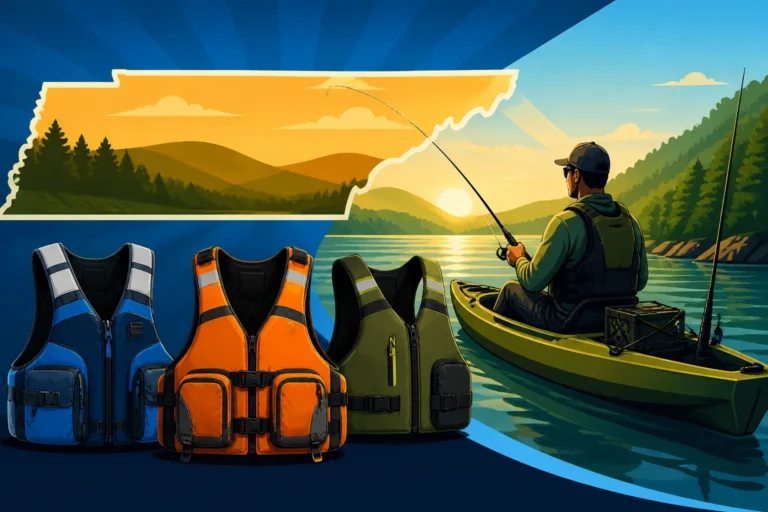
One of the biggest worries for any parent out on the water, whether it's fishing on Kentucky Lake or just enjoying a pontoon ride on Percy Priest, is the safety of their children. There’s a constant thought humming in the back of your mind: "Are they truly safe? Is that life jacket really going to do its job if something unexpected happens?" It's a valid concern, and navigating the world of children's life jackets, especially understanding what "Coast Guard approved" really means, can feel like trying to untangle a hundred fishing lines after a windy day. This comprehensive guide is here to untangle that mess, helping you understand the vital importance of Coast Guard-approved personal flotation devices (PFDs) for your kids and what to look for when choosing one for your next Tennessee adventure.
Why Coast Guard Approval Isn't Just a Sticker, It's Your Child's Lifeline
When you see that little stamp or label on a life jacket that says "U.S. Coast Guard Approved," it’s much more than just a regulatory formality. It's a testament to rigorous testing and adherence to safety standards that are designed to protect lives, especially the precious ones of our children. Without this approval, a PFD is essentially just a fancy floatation aid, and it won't give you the peace of mind, or your child the genuine protection, you need on the water.
The Rigorous Testing Behind the Approval
Think about it: before a life jacket gets that coveted Coast Guard approval, it goes through a gauntlet of tests. Manufacturers aren't just making a jacket and slapping a label on it. These devices are subjected to buoyancy tests, structural integrity assessments, and even evaluations of their ability to turn an unconscious person face-up in the water. For kids, this last point is absolutely critical. A child, especially a younger one, might not have the strength or coordination to right themselves in an emergency. A properly designed and approved life jacket is engineered to help them do just that, offering an extra layer of defense when every second counts. It's not about making a product that floats; it's about making a product that saves lives under specific, often unpredictable, conditions.
The Legal and Practical Implications in Tennessee
Beyond the inherent safety, there are legal requirements in Tennessee that mandate the use of Coast Guard-approved PFDs, especially for children. It's not just a good idea; it's the law. If you're out on the water, you need to be aware of Tennessee's Under-12 Life Jacket Rule Explained. This rule, like many others, is in place to minimize risk for our youngest boaters and anglers. Game wardens and marine patrol officers aren't just checking your fishing license; they're also ensuring that everyone on board, particularly children, has access to and is properly wearing an approved life jacket. A PFD that isn't Coast Guard approved, no matter how buoyant it feels, won't meet these legal requirements and could result in fines or worse, put your child in a dangerous situation. It's about compliance, yes, but more importantly, it's about providing the best possible safety equipment for your family.
Decoding Kid-Sized PFDs: Types, Sizes, and Fit for Every Adventure
Choosing a life jacket for your child isn't a one-size-fits-all situation. The U.S. Coast Guard classifies PFDs into different "Types" based on their intended use and performance. Understanding these types, alongside proper sizing and fit, is paramount to ensuring your child's safety.
Understanding the Different PFD Types for Children
While there are five main types of Coast Guard-approved PFDs (Type I, II, III, IV, and V), for children, we're primarily focused on Type II and Type III.
- Type II (Near-Shore Buoyant Vests): These are fantastic for most recreational boating activities where rescue is likely to be swift. They are designed to turn an unconscious person face-up in the water. For infants and toddlers, many life jackets will fall into this category and often feature large buoyant collars to support the head. This is crucial for keeping their airway clear if they go into the water.
- Type III (Flotation Aids): These vests are generally more comfortable and allow for a wider range of motion, which is great for active kids who are swimming, tubing, or even just fishing from the bank. However, they are not guaranteed to turn an unconscious person face-up. The wearer might have to tilt their head back to keep their face out of the water. For older children who are strong swimmers and likely to be conscious in the water, a Type III can be a great choice for comfort and mobility, but for younger or less confident swimmers, a Type II often offers that added peace of mind.
- Type I (Offshore Life Jackets): These offer the highest level of buoyancy and are designed for rough, remote waters where rescue might be delayed. They are bulky and less comfortable, typically not practical for active children during recreational fishing.
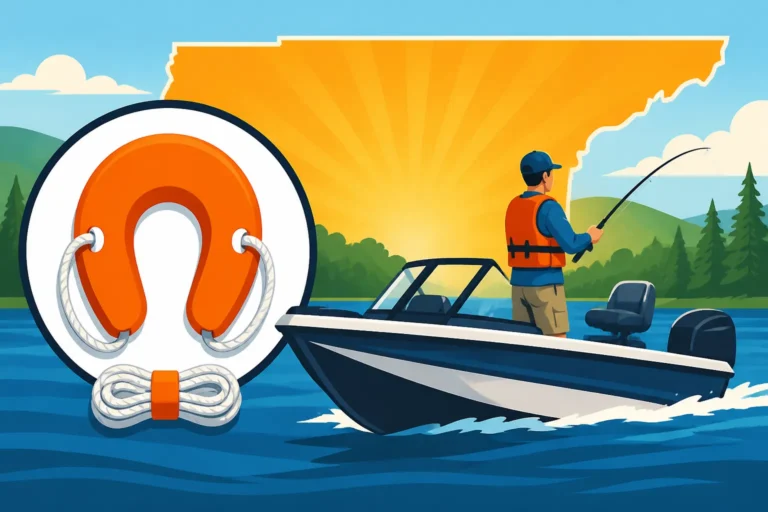
- Type IV (Throwable Devices): These are things like boat cushions or ring buoys. They are not meant to be worn and are only for tossing to a conscious person in the water. Every boat 16 feet or longer in Tennessee is required to have one, but they are not a substitute for a worn life jacket, especially for kids.
- Type V (Special Use Devices): These are specialized PFDs, like those integrated into fishing vests or work suits. They must be worn for their approval to be valid and are typically for specific activities.
Here's a quick comparison of the most common types you'll encounter for children:
| PFD Type | Primary Use | Buoyancy Level | Turns Unconscious Wearer Face-Up? | Best For |
|---|---|---|---|---|
| Type I | Offshore, rough or remote waters | Highest | Yes | Seldom for recreational child use |
| Type II | Near-shore, calm waters, quick rescue | High | Yes | Infants, toddlers, less confident swimmers |
| Type III | Calm inland waters, general recreational | Moderate | May not | Stronger swimmers, active kids |
| Type IV | Throwable aid only | N/A | N/A | Not to be worn; required on boats |
| Type V | Specific activities (e.g., kayaking vest) | Varies | Varies | Specific recreational activities (must be worn) |
The Critical Importance of Proper Sizing and Fit
Once you understand the types, getting the size right is the next, equally critical step. A life jacket that is too big can ride up around your child's ears, even slipping off entirely in the water. One that's too small will be uncomfortably tight and won't provide adequate flotation. Life jackets for children are sized by weight, not age, and usually fall into categories like:
- Infant: Typically for children weighing less than 30 lbs.
- Child: For those weighing 30-50 lbs.
- Youth: For kids weighing 50-90 lbs.
When trying on a life jacket, ensure it fits snugly. All straps should be buckled and tightened. Then, perform the "lift test": gently lift the life jacket by the shoulder straps. If the jacket slides up past your child’s ears, it’s too big. The jacket should stay put, fitting like a comfortable, yet secure, hug. Always remember to perform this fit test in a controlled environment, perhaps even a shallow pool, before heading out onto a busy waterway like the Tennessee River. You might even find that some manufacturers, like those found at Bass Pro Shops, offer fitting guides right in the store to help ensure you pick the right size.
Beyond the Bright Colors: Essential Features for a Child's Life Jacket
While all Coast Guard-approved life jackets offer a baseline of safety, certain features can significantly enhance a child's protection and your peace of mind. These aren't just bells and whistles; they are practical considerations that can make a real difference in an emergency.
Crotch Straps and Head Support: Non-Negotiables for Little Ones
For infants and toddlers, a crotch strap (or leg strap) is absolutely non-negotiable. Without it, the life jacket can easily ride up around their ears or even slip completely off once they're in the water, defeating its entire purpose. This strap keeps the jacket securely positioned, ensuring buoyancy is correctly distributed around their core. Likewise, head support – often a large, buoyant collar – is crucial for keeping their head above water, especially if they are too young to hold their head up consistently or become unconscious. Many infant and child-sized Type II PFDs will feature these prominently. These elements are designed to keep the child's face out of the water, providing vital airway protection.
Grab Handles, Whistles, and Reflective Strips
Practical additions also play a huge role. A sturdy grab handle on the back of the life jacket makes it incredibly easy to retrieve a child from the water quickly, whether they've accidentally fallen in or are just having fun splashing around. A small, attached whistle can be a lifesaver, allowing a child to signal for help if they become separated from the boat or the group, especially in crowded areas like the fishing tournaments on Chickamauga Lake. Furthermore, reflective strips are excellent for visibility, particularly in low-light conditions or if you're out during dusk or dawn, enhancing safety. Imagine trying to spot a small child in the water as the sun sets over Watts Bar Lake; those reflective elements become critical.
Comfort and Adjustability for Active Kids
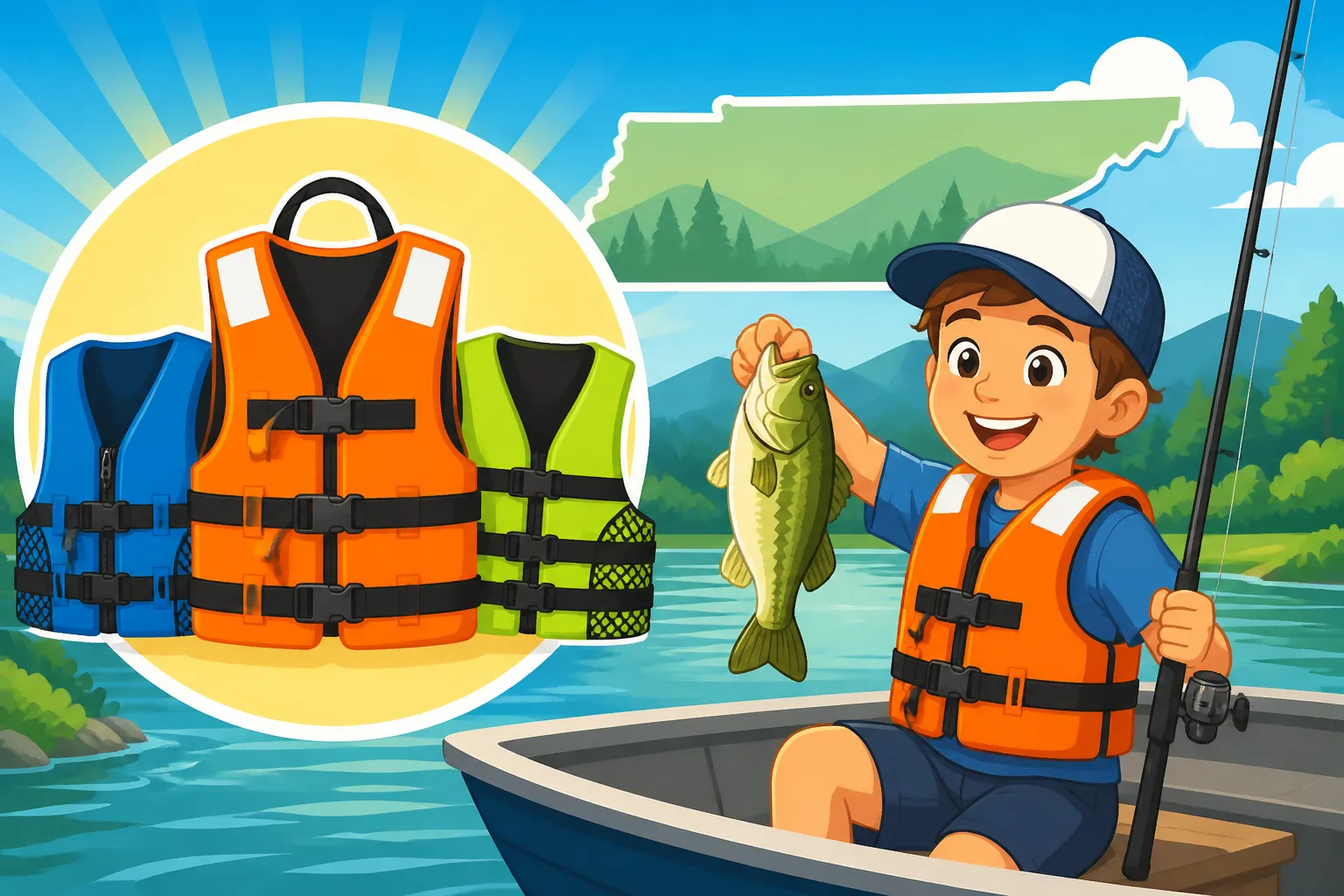
Let's be realistic: if a life jacket isn't comfortable, kids won't want to wear it. And a life jacket not worn is a life jacket that can't save a life. Look for life jackets with multiple adjustment straps around the chest and waist, allowing for a snug, yet comfortable, fit over various clothing layers. Padded shoulder straps or softer materials can prevent chafing, which is important for long days out on the water. Many children’s life jackets now come with fun designs and bright colors, which can make them more appealing to wear. Remember, the goal is to find a life jacket that your child will want to keep on, rather than constantly trying to take off. Comfort often directly correlates with consistent wear.
Finding the Right Fit: Where to Shop and What to Check Before You Buy
Once you know what you're looking for, the next step is actually finding it. Thankfully, living in Tennessee, we have access to a variety of excellent options, both in person and online.
In-Person Shopping: The Best for Fit
For children's life jackets, there's truly no substitute for trying them on in person. Retailers like Bass Pro Shops are fantastic resources because they typically have a wide selection of Coast Guard-approved PFDs in all child sizes. The staff can often help with fitting, and you can perform the lift test right there in the store. This hands-on approach minimizes the risk of buying a jacket that doesn't fit correctly, which, as we've discussed, is a significant safety hazard. Walking into a store, letting your child pick out a few options, and trying them on ensures you get the perfect fit and that your child is comfortable. It's also a great opportunity to check for Essential Safety Gear Checklist Before a Tennessee Fishing Trip more broadly, making sure you're fully prepared.
Online Shopping: Convenience with Caution
Online retailers like Amazon offer incredible convenience and often a wider variety of styles and sometimes competitive pricing. However, when buying a child's life jacket online, you need to exercise extra caution. Always double-check that the product explicitly states "U.S. Coast Guard Approved." Read reviews, pay close attention to sizing charts (which often include weight ranges), and be prepared to return items if the fit isn't absolutely perfect. It might even be a good strategy to try on a few sizes in a physical store to get a baseline for your child's fit, then look for specific models or colors online once you're confident in the sizing. Remember, a life jacket bought online that doesn't fit properly offers no real advantage over one that isn't approved at all.
Maintaining Your Investment
Once you've made your purchase, remember that a life jacket's effectiveness depends on its maintenance. Regularly inspect life jackets for tears, punctures, or signs of mildew. Store them in a dry, well-ventilated area away from direct sunlight, which can degrade the materials over time. Avoid using them as boat cushions or kneeling pads, as this can compress the flotation material and reduce its buoyancy. Teach your children how to properly put on and secure their life jacket, making it a routine part of preparing for any boat trip, whether it's fishing for Largemouth Bass Identification Tips for Tennessee Anglers or just cruising.
Keeping your children safe on Tennessee's beautiful waters is every parent's top priority. By understanding the importance of Coast Guard approval, choosing the correct type and size, looking for key safety features, and being diligent in your purchasing and maintenance, you're not just buying a piece of gear – you're investing in peace of mind and, most importantly, your child's safety.
Disclaimer
This article is for general informational purposes only and does not constitute professional advice. Laws, prices and regulations vary by location and change over time. Consult a qualified professional for guidance on your specific situation.