How Water Temperature Affects Trout Stocking Timing in Tennessee
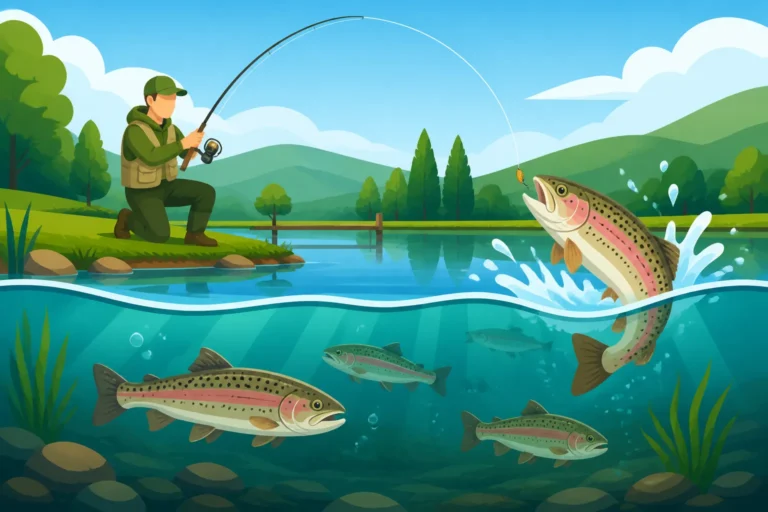
It's a frustrating scenario many Tennessee trout anglers know all too well: you've got your gear ready, maybe even splurged on some new flies or ultralight lures, only to find the stocking schedule for your favorite stream has been pushed back, or worse, halted altogether. You might wonder why the Tennessee Wildlife Resources Agency (TWRA) doesn't just stick to a firm calendar. The truth is, there's a crucial, often invisible factor at play: water temperature. Understanding how this single element dictates when and where trout are stocked can make all the difference in planning your successful fishing trips across the Volunteer State, and this guide is here to shed light on that vital connection.
The Science Behind Trout and Water Temperature
Trout are truly creatures of habit when it comes to their environment, and water temperature is arguably the most critical variable for their survival and well-being. It's not just about comfort; it's about fundamental biological processes that dictate whether they thrive or perish. This deep connection is why the TWRA pays such close attention to the thermometer before releasing thousands of trout into our beloved waterways.
Why Cold Water is Non-Negotiable for Trout Survival
Imagine trying to run a marathon in a sauna – that's a bit like what warm water feels like for a trout. These cold-water fish, including popular species like rainbow, brown, and brook trout, have evolved over millennia in environments where water temperatures rarely creep above the mid-60s Fahrenheit. Their bodies are simply not built for heat.
One of the biggest reasons for this dependency is oxygen. Colder water holds significantly more dissolved oxygen than warmer water. Trout, being active, predatory fish, require a high amount of oxygen to fuel their metabolism, digest food, and maintain energy levels. When water temperatures rise, two things happen: the water's capacity to hold oxygen decreases, and the trout's metabolic rate increases, making them need more oxygen at a time when less is available. It's a double whammy that quickly leads to severe stress, sluggishness, and ultimately, can be fatal. Think of it like trying to breathe thin mountain air while simultaneously sprinting uphill – it just doesn't work for long. This is especially critical for newly stocked trout, which are already under the stress of being transported and introduced to a new environment.
The Dangers of Warm Water for Stocked Trout
Releasing trout into water that's too warm is akin to throwing money away, as the survival rate would be incredibly low. The dangers of warm water for trout extend beyond just oxygen deprivation.
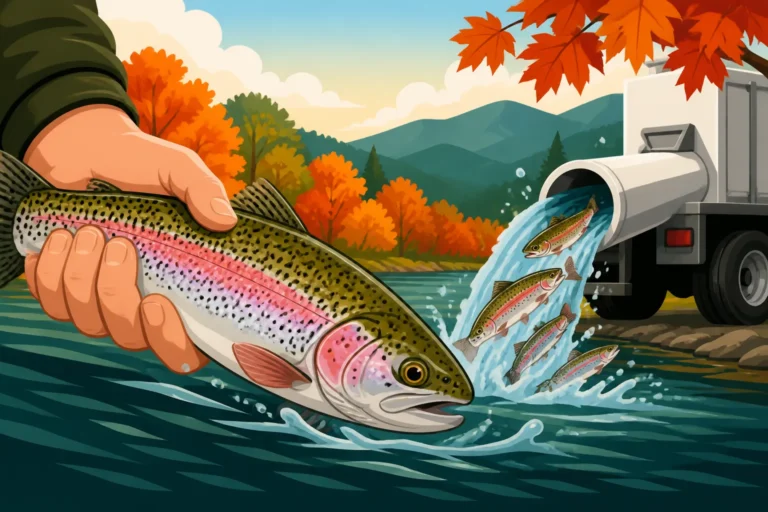
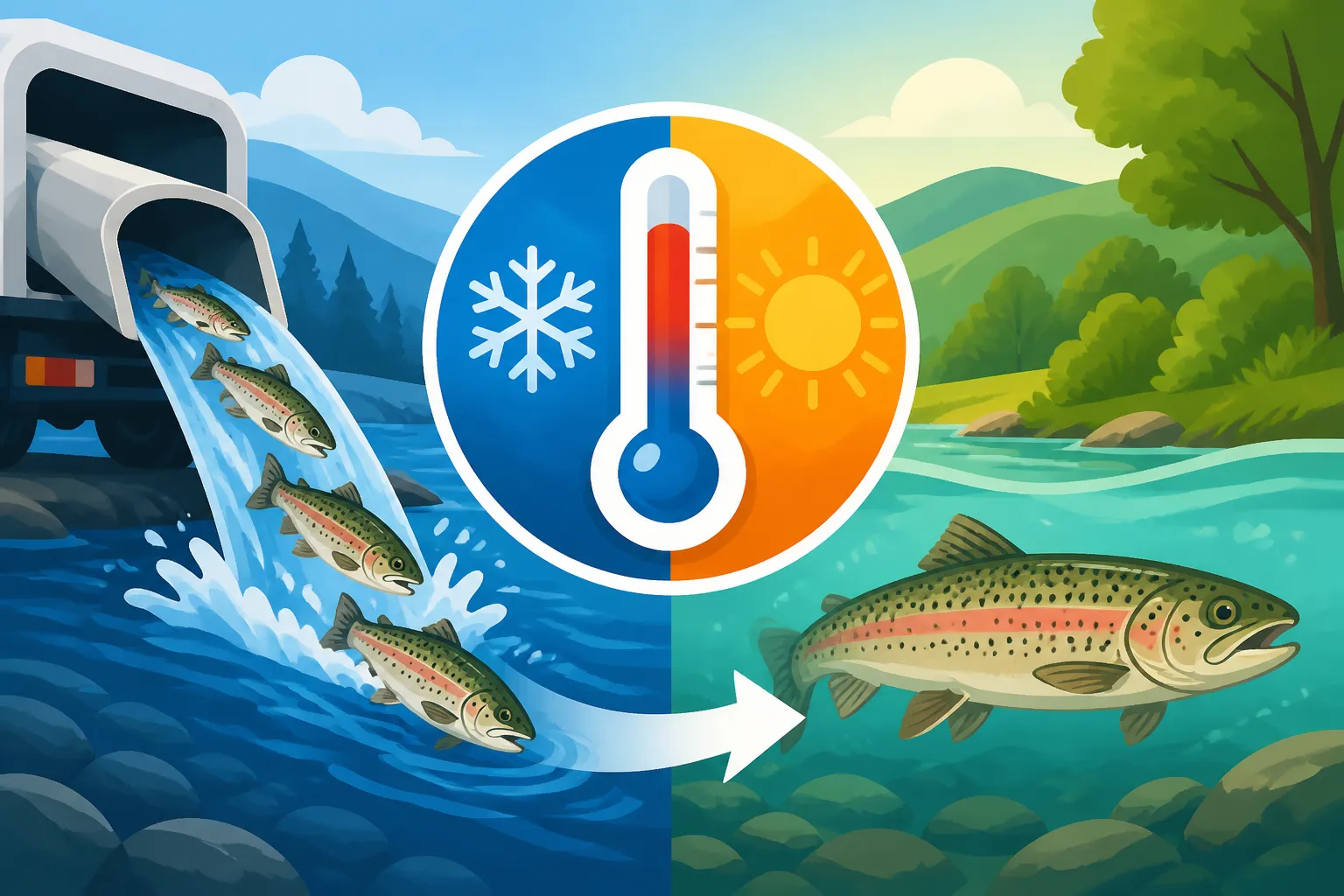
Firstly, there's thermal shock. Just like you wouldn't jump into an ice-cold pool without acclimating, trout experience a severe shock if they're moved from a relatively cool hatchery truck into significantly warmer stream water. This shock can stun them, disorient them, and make them highly vulnerable to predators or simply lead to immediate death.
Secondly, warm water dramatically increases their susceptibility to disease. Most fish pathogens, bacteria, and parasites thrive in warmer conditions. A trout's immune system, already weakened by stress from handling and transportation, is ill-equipped to fight off these opportunistic infections in elevated temperatures. What might be a minor issue in cold water can become a deadly epidemic in warm water.
Lastly, and perhaps most heartbreakingly for anglers, warm water leads to high mortality rates. Even if trout survive the initial shock and avoid disease, prolonged exposure to temperatures outside their optimal range can cause irreversible organ damage and physiological collapse. The TWRA's goal is not just to stock fish, but to stock fish that have a reasonable chance of survival and can provide angling opportunities. If the water is too warm, those chances plummet, which means fewer fish for you to catch and a waste of valuable resources.
Ideal Temperature Ranges for Different Trout Species
While all trout prefer cold water, there are slight variations in their ideal temperature ranges. Knowing these can help you understand why some streams might be stocked earlier or later than others, depending on the specific species being introduced.
Rainbow Trout are perhaps the most tolerant of slightly warmer water among the common stocked species, with an optimal range generally between 50-65°F (10-18°C). They can tolerate short periods in water up to 70°F (21°C) but become stressed quickly. The TWRA heavily relies on rainbow trout for its put-and-take fisheries due to their relative hardiness and willingness to bite.
Brown Trout are a bit more temperature-sensitive than rainbows, preferring water in the 45-65°F (7-18°C) range. They can survive in slightly warmer water for brief periods but will seek out cooler refuges if available. Brown trout are known for their resilience and ability to establish wild populations in suitable cold-water streams. You'll often find them in Tennessee's Best Trout Streams that maintain consistent cold temperatures year-round.
Brook Trout, Tennessee's only native trout species, are the most demanding when it comes to cold water. They thrive in temperatures between 40-60°F (4-15°C) and become highly stressed above 65°F (18°C). These beautiful fish are often found in the pristine, highest elevation streams of the Great Smoky Mountains where water stays consistently frigid. The TWRA is very careful with brook trout, often focusing on restoration rather than widespread stocking in accessible waters.
Here’s a quick overview of preferred temperature ranges for clarity:
| Trout Species | Optimal Temperature Range (Fahrenheit) | Tolerance Limit (Fahrenheit) | Implications for Stocking |
|---|---|---|---|
| Rainbow Trout | 50-65°F | ~70°F (stress beyond) | Most commonly stocked, more forgiving for timing. |
| Brown Trout | 45-65°F | ~68°F (stress beyond) | Requires slightly cooler, more stable water conditions. |
| Brook Trout | 40-60°F | ~65°F (severe stress beyond) | Stocked only in the coldest, most pristine waters, if at all. |
How TWRA Uses Water Temperature for Stocking Decisions
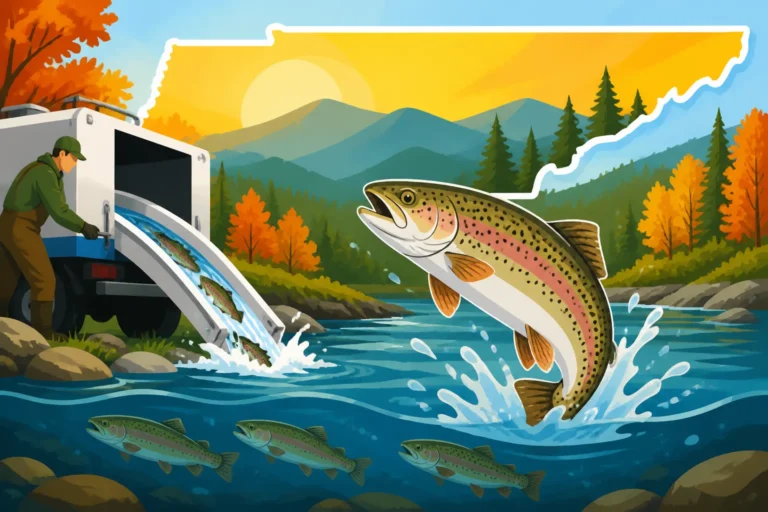
The Tennessee Wildlife Resources Agency isn't just pulling numbers out of a hat when they determine stocking times. Their decisions are based on a meticulous, real-time assessment of environmental conditions, with water temperature being the primary driver. This adaptive approach ensures that the stocked trout have the best possible chance of survival and that anglers get to enjoy the fruits of their efforts.
Monitoring Key Tennessee Waterways
The TWRA operates a sophisticated network of monitoring stations and relies on local field staff to keep a close eye on water temperatures across the state. This isn't just a statewide average; they focus on specific locations where trout stocking is planned, understanding that temperatures can vary wildly from one stream to the next, even within the same county.
For instance, major trout fishing destinations like the Caney Fork River near Center Hill Dam, the Clinch River below Norris Dam, and the various streams in the Great Smoky Mountains are continuously monitored. These cold-water releases from the bottom of deep reservoirs are often crucial for maintaining trout fisheries in warmer climates. Staff might use digital thermometers, temperature loggers, or even telemetry systems to get accurate, up-to-the-minute readings. They're looking for consistent temperatures within the trout's safe zone, not just a brief dip after a cold night. This detailed monitoring is fundamental to the entire Tennessee Trout Stocking Schedule and Season.
Adjusting Schedules Based on Real-Time Data
This is where the rubber meets the road, and why those published stocking schedules often come with caveats about being "subject to change." The TWRA absolutely prioritizes the health of the fish over adherence to a rigid calendar. If the water temperature in a particular stream is too warm, even if it's "scheduled" to be stocked, they will delay the release.
Imagine a late spring warm spell hits Middle Tennessee, pushing stream temperatures up into the high 60s. Even if the calendar says it's time to stock, the TWRA biologist on the ground will hold off. This might mean postponing for a few days, a week, or even longer, until a cold front passes through or significant rainfall cools the water. This flexibility is vital because stocking trout into warm water is, as we've discussed, essentially condemning them to death. It’s better to wait for optimal conditions than to waste valuable hatchery-raised fish. This dynamic approach ensures that when you do see the stocking truck, the conditions are right for the trout.
The Role of Seasonal Changes and Weather Patterns
Seasonal changes are the big picture, but daily and weekly weather patterns are the brushstrokes that fine-tune the stocking schedule.
Spring: As winter ice melts and spring rains begin, water levels often rise, and temperatures gradually climb. Stocking usually begins in earnest in early spring when water temperatures are consistently cool but not freezing. However, a sudden warm snap in April can pause operations, while a prolonged cool, wet spring can extend the stocking window. This is a prime time for many of Tennessee's put-and-take fisheries.
Summer: For most of Tennessee, summer is a no-go for stocking. The ambient air temperatures and longer daylight hours cause most streams and rivers to warm beyond what trout can tolerate. This is why the Tennessee Trout Season Splits Between Spring and Fall in Tennessee, with a clear cut-off for stocking in many areas. Exceptions are typically tailwaters below large dams (like the Caney Fork or Clinch River) that release consistently cold water year-round. Even in these locations, monitoring is intensified, as prolonged hot spells can even affect these cold-water havens.
Fall: This is a glorious time for trout anglers in Tennessee, as cooling air temperatures bring stream temperatures back into the ideal range. Fall stocking often sees a surge, especially for brown trout and larger rainbow trout, preparing for the cooler months ahead. Fall Trout Stocking Streams in Tennessee become active once more, offering fantastic fishing opportunities. The gradual cooling means less thermal shock for the fish, and they often become quite active as they acclimate.
Winter: Once temperatures consistently drop, trout stocking can continue through much of the winter in many parts of Tennessee, provided waters aren't frozen solid. Trout are very active in cold water, and this can lead to some fantastic fishing, especially for those brave enough to bundle up! Remember, though, that the Tennessee Trout Limits and Season Rules might adjust based on the time of year and specific water bodies. If you're wondering Does Tennessee Stock Trout in Winter?, the answer is often yes, in appropriate conditions.
What This Means for Anglers: Timing Your Trout Trips
Understanding the role of water temperature in TWRA's stocking decisions empowers you as an angler. Instead of just hoping for the best, you can make informed choices about when and where to fish for stocked trout, significantly increasing your chances of a successful and enjoyable outing.
Best Seasons for Stocked Trout in Tennessee
Based on temperature patterns, some seasons are inherently better for targeting stocked trout in Tennessee.
Spring (March to May): This is arguably the most popular time for stocked trout. Water temperatures are generally cool and stable, and the TWRA is actively stocking a large number of fish. These trout are often aggressive as they settle into their new homes. This period is also when Tennessee's Trout Limit Is 7 Per Day From March Through September for many waters, giving you ample opportunity to catch and keep some fresh fish.
Fall (September to November): A close second to spring, fall offers fantastic conditions. The cooling weather revitalizes the trout and the streams. Fish stocked in the fall often have more time to acclimate and grow before winter, making them a bit more challenging and rewarding to catch. The vibrant fall foliage also adds to the beauty of a day on the water.
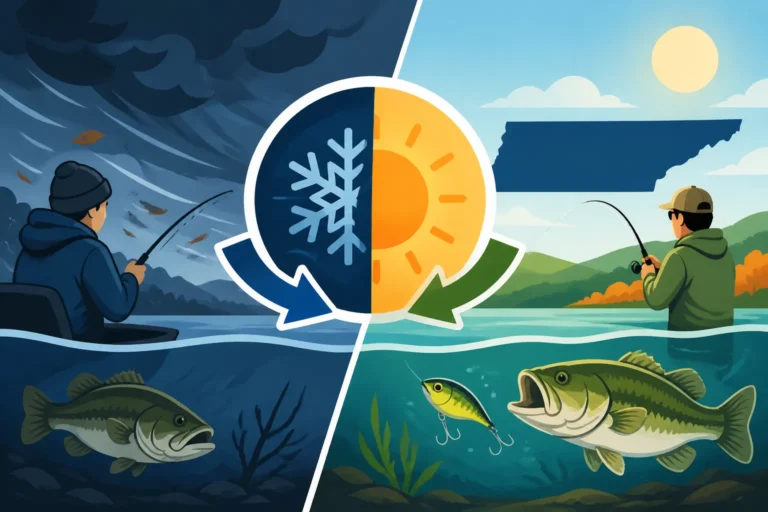
Winter (December to February): Don't count out winter! While colder for the angler, the water temperatures are ideal for trout. Many waters continue to receive stockings, and the fish can be quite active. You might have less company on the water during these colder months, too. Just be sure to dress warmly and know How Cold Water Changes Trout Fishing in Tennessee's Smoky Mountains so you can adapt your approach.
Summer (June to August): This is generally the toughest time for stocked trout in most of Tennessee, unless you are fishing a cold-water tailwater (like the Caney Fork or Clinch River below a deep dam). For most natural streams and smaller bodies of water, temperatures become too warm for trout to thrive, and stocking ceases. Focus on other species during these hot months, or seek out those rare, consistently cold-water sections.
Indicators to Look For (Beyond the Official Schedule)
While the official TWRA stocking schedule is your primary resource, you can become a more savvy angler by reading the environmental cues.
- Recent Rainfall: Significant rainfall, especially after a dry spell, can drastically cool down stream temperatures. It also raises water levels and adds oxygen, making conditions more favorable for trout.
- Cold Fronts: A passing cold front that brings several days of cooler air temperatures will inevitably lead to cooler water temperatures, signaling a potentially good time for stocking or fishing.
- Streamflow Data: Many state and federal agencies (like the USGS) provide real-time streamflow and sometimes even temperature data for major rivers online. This can give you a direct insight into the conditions in your chosen fishing spot.
- Local Reports: Visit local bait shops or check online fishing forums. Anglers on the ground often have the most up-to-date information on water conditions and recent stocking activity. People love to share their catches, and you can often infer stocking activity from these posts.
- Visual Cues: If you're at a stream and the water looks sluggish, low, and feels warm to the touch (especially if it’s outside of a cold tailwater), it's likely not prime trout water, and stocking probably won't happen soon. Conversely, clear, flowing, cool water is a good sign.
Checking TWRA Resources for Up-to-Date Information
While understanding the science is great, nothing beats official information. The TWRA website is your go-to resource for the most current stocking schedules. They typically update these schedules frequently, especially during peak stocking seasons. Don't rely on outdated lists or word-of-mouth alone.
Many anglers find it helpful to check the TWRA's specific trout stocking pages, which often list the waters being stocked, the species, and sometimes even the number of fish. Some districts might also post updates on social media. For general information on licenses and regulations, consult the Tennessee Fishing License Guide or review Tennessee Fishing Regulations Explained before heading out. Knowing the rules, especially the specific Tennessee Trout Limits and Season Rules, will keep you on the right side of the law.
When you're ready to hit the water, whether you're fly fishing in the mountains with Best Fly Rods and Waders for Tennessee Trout Streams or spin fishing a local stocked pond, being informed about water temperature and its impact on stocking will help you plan more effectively and enjoy more successful days on the water.
Disclaimer
Please be aware that fishing regulations, stocking schedules, and environmental conditions can change. Always consult the official Tennessee Wildlife Resources Agency (TWRA) website or publications for the most current and accurate information before planning your fishing trip. This guide is for informational purposes only and should not be considered a substitute for official sources. Adhere to all local, state, and federal laws and regulations.