Best Smoky Mountain Streams in Tennessee for Spring Trout
For many anglers, the arrival of spring in the Great Smoky Mountains National Park signals the start of prime trout fishing season, but knowing where to cast your line can feel like an overwhelming puzzle. The ever-changing water levels, variable weather, and the sheer number of beautiful streams make it tough to pinpoint the best spots. This guide will help you navigate the stunning waterways of the Tennessee side of the Smokies, offering insights into the top streams for spring trout and how to make the most of your trips.
The Magic of Spring Trout Fishing in the Smoky Mountains
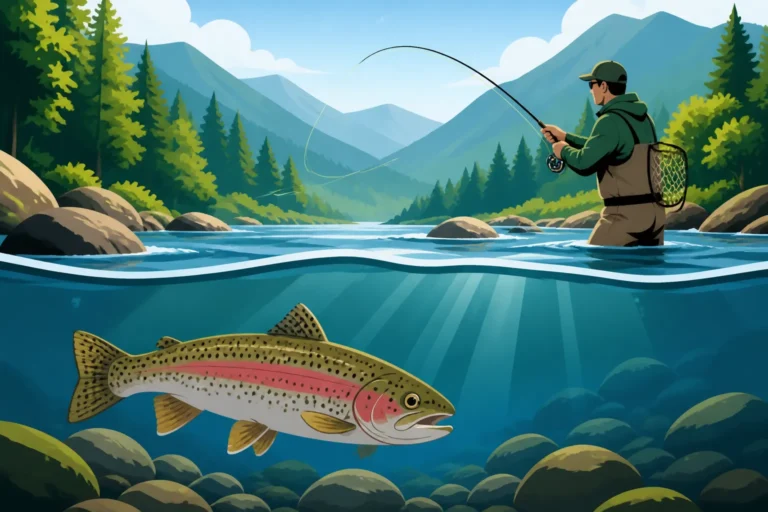
There's something truly special about chasing trout in the Smoky Mountains as winter's chill gives way to the vibrant greens of spring. The forest comes alive, wildflowers begin to bloom, and the streams, fed by melting snow and spring rains, pulsate with renewed energy. This season offers a unique blend of challenge and reward, drawing both seasoned fly anglers and spin fishermen to its pristine waters.
Why Spring is Prime Time for Trout
Spring brings a cascade of changes that directly impact trout behavior, often making them more active and eager to feed. As water temperatures slowly climb from their winter lows, trout metabolism increases, prompting them to move out of their deep-water winter lies and into shallower, more accessible feeding lanes. This is when you'll find them actively foraging for emerging insects, small baitfish, and other edibles washed into the stream by rising water levels. It's a fantastic time to witness prolific insect hatches, especially as the days get longer and warmer, providing abundant food sources that make trout more predictable in their feeding patterns. However, you'll want to stay updated on the Tennessee Trout Fishing Season Explained to ensure you're aware of any specific dates or regulations that apply.
Navigating Seasonal Stream Changes
While spring offers incredible potential, it also comes with its own set of challenges. One of the biggest variables is water flow. Early spring can see streams running high and swift due to snowmelt and frequent rain showers. These conditions can make wading tricky and require heavier line setups and larger flies or lures to get down to where the fish are holding. As spring progresses into late May and early June, flows generally stabilize, and water clarity improves, making for more comfortable fishing conditions. It's always a good idea to check stream gauges and weather forecasts before heading out, especially if you plan a longer trip. Understanding How Water Temperature Affects Trout Stocking Timing in Tennessee can also give you an edge, as stocked fish will often be more active in certain temperature ranges.
Unveiling Top Streams for Spring Trout Action
The Tennessee side of the Great Smoky Mountains National Park is a treasure trove of picturesque streams, each with its own character and population of trout. While many are worth exploring, a few stand out as consistent producers for spring trout. These streams offer varied fishing experiences, from easily accessible stretches to more remote, backcountry adventures.
Little River and Its Productive Tributaries
The Little River is undeniably one of the most iconic and popular trout streams in the Smoky Mountains, and for good reason. It’s easily accessible from the Gatlinburg and Townsend areas, with numerous pull-offs and trails along Little River Road. In spring, its freestone waters burst with life, holding a healthy population of rainbow and brown trout, with native brook trout found further up in its higher elevation tributaries.
The main stem of the Little River offers a mix of runs, riffles, and deeper pools, providing diverse habitat. During early spring, when water levels might be higher, focus on the slower, deeper pools and the seams where faster water meets calmer stretches. As hatches begin, particularly caddis and mayflies, trout will often rise to the surface, offering exciting dry fly opportunities. Further upstream, away from the road, the river transforms into a more intimate, boulder-strewn environment, perfect for anglers seeking solitude and wilder fish. Keep an eye out for tributaries like Jakes Creek and Lynn Camp Prong, which are excellent for targeting smaller, but feisty, brook trout. Remember to check Tennessee Trout Limits and Season Rules for specific catch regulations on these diverse species.
Deep Creek: A North Carolina Gem Accessible from Tennessee
While technically starting on the North Carolina side of the Great Smoky Mountains National Park, Deep Creek is so close to the Tennessee border and so frequently visited by anglers staying in Tennessee that it deserves a special mention. It’s a fantastic option, particularly in spring, known for its consistent fishing and beautiful surroundings.
Deep Creek offers a great variety of fishing, with both stocked and wild trout sections. The lower sections, especially near the campground, are regularly stocked with rainbow trout and are perfect for families or beginners. As you hike further upstream, beyond the cascades and into the designated "catch-and-release only" section, you'll encounter a thriving population of wild brown and rainbow trout, and even some native brook trout in the highest reaches. The gradient becomes steeper, creating a series of pocket water, plunge pools, and short runs that are ideal for nymphing and Euro nymphing techniques. Spring brings strong caddis hatches here, and searching patterns can be very effective. The park allows bait fishing in the lower stocked waters, but flies and artificial lures are typically required in the wild trout sections, so be sure to understand the specific rules for Deep Creek before you go.
Abrams Creek and the Hunt for Wild Trout
For those who crave a true wild trout experience away from the crowds, Abrams Creek is a phenomenal choice, though it requires a bit more effort to access. Located on the western side of the park near Cades Cove, Abrams Creek is renowned for its population of larger-than-average wild brown and rainbow trout, and is often considered one of the park's premier trophy trout waters.
Access to Abrams Creek can be challenging, often involving long hikes, especially if you're targeting the more remote upper sections. However, the reward is often worth the effort. The creek flows through a limestone bedrock, which contributes to its rich aquatic insect life and supports healthy, fast-growing trout. In spring, as water levels stabilize and temperatures become more consistent, Abrams Creek fishes exceptionally well. Nymphing with imitations of caddis larvae, stoneflies, and mayflies is often the most effective method, but don't overlook streamers for targeting those larger browns that lurk in the deeper pools. Dry fly fishing can also be productive during a strong hatch, particularly in the calmer riffles and tail-outs of pools. Fishing Abrams Creek demands patience and stealth, but the chance to hook a truly wild, beautiful trout in such an unspoiled setting is an unforgettable experience. This is a great place to practice your skills described in How to Fly Fish for Trout for Beginners.
Here's a quick comparison of these fantastic spring trout streams:
| Stream Name | Primary Trout Species | Accessibility (Spring) | Recommended Methods | Notes |
|---|---|---|---|---|
| Little River | Rainbow, Brown, Brook | Easy (main stem), Moderate (tribs) | Dry Fly, Nymphing, Spin | Very popular, diverse sections, good for all skill levels |
| Deep Creek | Rainbow, Brown, Brook | Easy (lower), Moderate (upper) | Nymphing, Dry Fly, Spin | Stocked and wild sections, beautiful cascades, NC side but close |
| Abrams Creek | Brown, Rainbow | Difficult (long hikes) | Nymphing, Streamers, Dry Fly | Known for larger wild trout, requires effort, solitude, limestone |
Essential Gear and Techniques for Smoky Mountain Trout
Having the right gear and understanding effective techniques can significantly boost your success rate when fishing for spring trout in the Smoky Mountains. The variable conditions of mountain streams often demand versatility and a keen eye for detail.
Recommended Rod and Reel Setups
For most Smoky Mountain streams, a lightweight setup is ideal. A 7-foot to 8-foot 6-inch rod in a 3-weight or 4-weight class is perfect for delicate presentations, handling smaller flies, and protecting light tippets. This length offers enough leverage for casting in tight quarters common in overgrown stream banks, and sensitivity to detect subtle bites from wary trout. If you're primarily spin fishing, a 5-foot to 6-foot ultralight spinning rod paired with a small spinning reel spooled with 4-6 pound test monofilament or fluorocarbon line will serve you well. Many anglers find great deals on these specialized rods and reels on Amazon, making it easy to get quality gear delivered right to your door before your trip. For targeting larger fish, or if you anticipate higher flows, you might consider bumping up to a 5-weight fly rod or a medium-light spinning rod.
Effective Baits and Lures for Spring
The key to spring fishing success often lies in matching the hatch or imitating the available forage. For fly anglers, a good selection of nymphs is crucial. Pat's Rubber Legs, Pheasant Tail Nymphs, Hare's Ear Nymphs, and Caddis Larva imitations are all staples. As mentioned, spring can bring strong hatches of caddis, various mayflies (like Blue-Winged Olives and Sulphurs), and stoneflies, so having dry fly patterns like Elk Hair Caddis, Adams, and Parachute Adams in sizes 14-18 is a must. You can easily find a comprehensive selection of these patterns, often in multi-packs, on Amazon, which can save you time trying to find specific patterns in local shops.
Spin fishermen will find success with small inline spinners, like Panther Martins or Rooster Tails, in sizes 0-2, especially in gold, silver, or black. Small crankbaits that mimic baitfish or crawfish can also be deadly in deeper pools. For those who prefer bait, corn, salmon eggs, or small worms can be effective, particularly in the lower, stocked sections of streams where bait fishing is permitted. Always check local regulations, as many wild trout sections of the park are artificial lures and flies only.
Fly Fishing Essentials for Mountain Streams
Fly fishing is incredibly popular in the Smokies, and for good reason—it’s an art form that connects you deeply with the environment. Beyond the rod and reel, a few other items are absolute essentials. Waders, especially breathable chest waders, are critical for staying warm and dry when navigating cold mountain waters. Paired with sturdy wading boots, they provide the necessary grip on slippery rocks. A good Best Fly Fishing Vests for Wade Fishing or chest pack keeps your flies, leaders, tippet, and other small tools organized and easily accessible.
Don't forget a landing net with a rubberized mesh (which is gentler on the fish), a pair of forceps for hook removal, and a sturdy pair of nippers. Carrying a small first-aid kit, a whistle, and a map of the area is also highly recommended, as cell service can be spotty in the more remote sections of the park. Checking out reputable brands for these items on Amazon before your trip can ensure you're well-prepared without breaking the bank. For specific guidance on the ideal setup, you might want to read our guide on Best Fly Rods and Waders for Tennessee Trout Streams.
Regulations and Conservation for Spring Trout Anglers
Fishing in the Great Smoky Mountains National Park is a privilege that comes with the responsibility to understand and adhere to its specific regulations, which often differ from statewide Tennessee fishing rules. Protecting these pristine waters and their delicate ecosystems is paramount for ensuring future generations can enjoy the same incredible fishing experiences.
Navigating Catch and Release Rules
The Great Smoky Mountains National Park has its own set of fishing regulations, which are designed to protect its wild trout populations. For instance, most streams within the park are strictly "single hook, artificial lures or flies only," and have specific creel limits and size restrictions that differ significantly from outside the park. Many sections, especially those targeting native brook trout or larger wild brown and rainbow trout, are designated "catch-and-release only."
It's absolutely vital to consult the current National Park Service fishing regulations brochure before you head out, as rules can change. You won't find the standard Tennessee Fishing License Guide requirements here; instead, a valid Tennessee or North Carolina fishing license is required, but it's important to understand that the park's specific regulations override state regulations while you are within the park boundaries. If you're uncertain about whether you need a trout permit with your standard license, clarify that before casting your line. Always practice proper catch-and-release techniques to minimize stress on the fish. This includes using barbless hooks, minimizing handling, and keeping the fish in the water as much as possible.
Protecting the Delicate Ecosystem
The Smoky Mountains are a unique and fragile ecosystem, and anglers play a crucial role in its preservation. Beyond following fishing regulations, there are broader conservation principles to embrace. Practice Leave No Trace principles: pack out everything you pack in, and leave the stream banks as you found them. Avoid disturbing stream beds and banks unnecessarily, as this can damage aquatic insect habitat and contribute to erosion.
Be mindful of invasive species. Clean your wading boots and gear thoroughly between different water bodies to prevent the spread of harmful organisms. Respect wildlife and give them ample space. The beauty of spring in the Smokies includes encounters with deer, bears, and a myriad of bird species, and it's essential to enjoy them from a respectful distance. By being a responsible steward of the environment, you help ensure that these incredible spring trout fishing opportunities remain vibrant for years to come.
Disclaimer
Please note that fishing conditions, regulations, and access points can change. Always consult the official Great Smoky Mountains National Park regulations and the Tennessee Wildlife Resources Agency (TWRA) website for the most current information before planning your fishing trip. This guide is for informational purposes only and does not supersede official government regulations.