Best Fly Fishing Vests for Wade Fishing
When you're out wading in a beautiful Tennessee stream, perhaps stalking some wily trout in the Great Smoky Mountains, the last thing you want is to be fumbling for your gear or feeling uncomfortable. Managing your flies, tippets, nippers, and all the other essentials can quickly turn a peaceful outing into a frustrating experience if you don't have a smart system in place. This guide is all about helping you navigate the world of fly fishing vests to find the perfect one that will keep your essentials organized, accessible, and comfortable, letting you focus on the fish, not your gear.
The Undeniable Value of a Dedicated Fly Fishing Vest for Wade Anglers
Wade fishing is a truly immersive experience, connecting you directly with the water and its environment. But unlike fishing from a boat where you might have ample space for tackle boxes and extra bags, when you're wading, everything you need has to be carried on your person. This is precisely why a dedicated fly fishing vest isn't just a nice-to-have accessory; it's an absolute necessity for efficiency and enjoyment on the water.
Why Traditional Vests Beat Backpacks for Quick Access
Imagine you're standing mid-stream, the water flowing around your knees, and you spot a rise. You know just the fly to use, but it's buried deep in a backpack slung awkwardly over one shoulder. To get to it, you'd have to either precariously balance or, worse, head back to the bank. This kind of interruption breaks your concentration and can scare away potential catches. A well-designed fly fishing vest, however, keeps all your frequently used items right on your chest or within easy arm's reach.
With a vest, you can quickly grab a new fly, change your leader, or snip a tag end without ever breaking your stride or taking your eyes off the water. Every pocket is strategically placed, acting like a miniature tackle box that moves with you. This immediacy means more time fishing and less time digging through gear, which is especially critical in fast-moving water or when you're trying to keep a low profile to avoid spooking fish. It’s about being prepared for that split-second opportunity.
The Freedom of Movement in Tennessee's Streams
Tennessee's trout streams, like the Clinch River or the many hidden gems in the national park, often involve navigating uneven terrain, slippery rocks, and dense bankside vegetation. A bulky backpack can throw off your balance, snag on branches, or even restrict your casting motion. Vests, on the other hand, are designed to distribute weight evenly across your torso, keeping your center of gravity stable.
This ergonomic design allows for unrestricted movement, which is vital for safe wading and effective casting. You can easily turn, bend, and reach without feeling encumbered. The goal is to feel like your gear is an extension of yourself, not a burden. This freedom is what allows you to focus purely on the fishing, the current, and the natural beauty around you, making for a much more enjoyable and less fatiguing day on the water. For more on essential gear, check out Fly Fishing Gear for Tennessee's Smoky Mountains Trout Streams.
Essential Features That Define a Superior Wade Fishing Vest
Not all fly fishing vests are created equal. When you're looking to invest in one, especially for the demanding conditions of wade fishing, there are specific features that elevate a good vest to a great one. These details contribute not only to your comfort but also directly impact your efficiency and the longevity of the vest itself.
Optimized Storage and Pocket Layouts
The hallmark of an excellent fly fishing vest is its pocket system. You're not just looking for "many pockets" but rather "intelligently designed pockets." Think about what you carry: fly boxes, tippet spools, forceps, nippers, strike indicators, floatant, leader material, a landing net, maybe a small camera or phone. Each of these items needs a dedicated, easily accessible, and secure spot.
Look for a variety of pocket sizes, from small zippered compartments for delicate items like leaders to larger main pockets that can comfortably hold multiple fly boxes. Some vests feature external attachment points or D-rings for things like zinger retractors, net clips, or a water bottle. Magnetic closures or easy-pull zippers are fantastic for one-handed operation. A well-thought-out layout will prevent your gear from clanking around, getting lost, or creating unnecessary bulk, allowing you to quickly find what you need without a second thought. Many anglers start their search for such vests at dedicated outdoor retailers like Bass Pro Shops or by browsing extensive selections online through platforms like Amazon.
Materials and Construction Built for Durability
Wade fishing is tough on gear. Your vest will be exposed to water, sun, brush, and possibly even the occasional mud bath. Therefore, the materials and construction must stand up to abuse. Nylon and polyester are common choices, but look for ripstop versions or those with a higher denier count for increased resistance to tears and abrasions. Quick-drying fabrics are also a huge plus, as you're bound to get wet.
Reinforced stitching at stress points, robust zippers (YKK are often a good sign), and strong buckles are crucial for the vest's lifespan. Consider vests that offer water-resistant or even waterproof pockets for valuables like your phone or car keys. Investing in a durable vest means it will withstand countless trips to the river and protect your valuable gear inside, saving you money and hassle in the long run. Durability also extends to other gear; you can learn more about suitable rods and waders in Best Fly Rods and Waders for Tennessee Trout Streams.
Comfort, Fit, and Adjustability for All-Day Wear
A vest that's uncomfortable will quickly detract from your fishing experience. You might be wearing this vest for hours, often while casting, walking, and bending. Therefore, comfort and a proper fit are paramount. Look for vests with padded shoulder straps, especially if you plan to carry heavier loads. The ability to adjust the vest at multiple points – shoulders, sides, and waist – ensures a snug fit that won't shift around or impede your movement.
Breathability is another critical factor, particularly during warmer months or if you're hiking into your fishing spot. Mesh panels on the back or sides help to ventilate and prevent you from overheating. Trying on a vest with your typical layers of clothing underneath and with some gear loaded into the pockets is the best way to assess its comfort and fit. Remember, a comfortable vest allows you to stay focused and enjoy your time on the water longer. Exploring different options can be easily done online through retailers, but for a true feel, visiting a physical store like Bass Pro Shops can be invaluable.
Choosing the Right Vest Style for Your Tennessee Wade Fishing Adventures
The term "fly fishing vest" can actually encompass a few different styles, each with its own advantages and ideal use cases. Understanding these distinctions will help you pick the best companion for your specific wade fishing habits, whether you're making quick trips to a local stream or embarking on an all-day wilderness trek.
Traditional Vests vs. Chest Packs vs. Sling Packs
When it comes to carrying your gear while wade fishing, you generally have three main categories of personal storage:
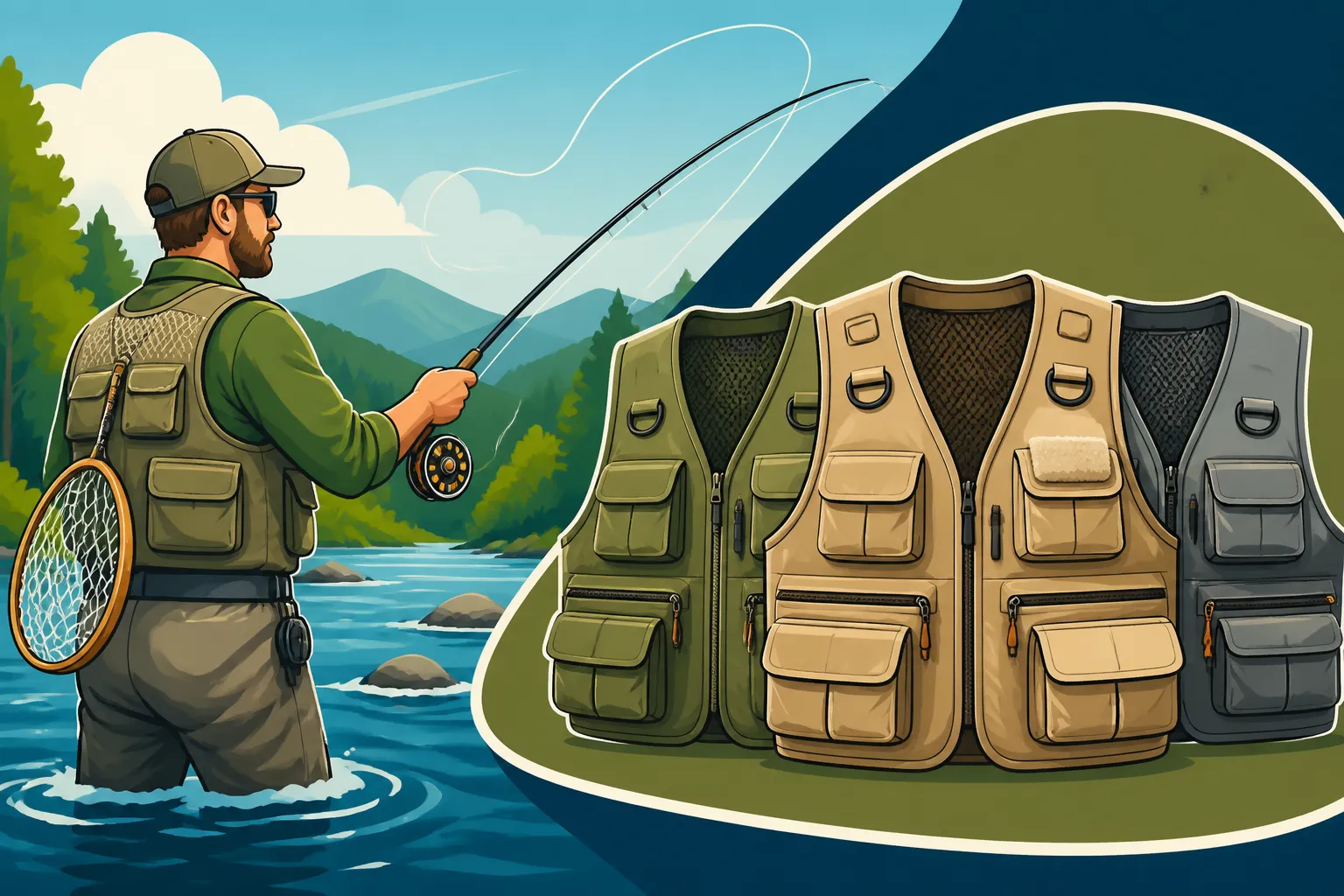
- Traditional Vests: These are the classic, sleeveless garments with multiple pockets distributed across the chest and back. They offer excellent weight distribution and balance, making them comfortable for long periods. With pockets on both the front and back, they can carry a significant amount of gear, ideal for anglers who want everything within reach and don't mind a slightly more substantial piece of clothing. They're a favorite for their intuitive organization and classic look. If you're looking for general trout fishing advice that often involves these vests, check out Fly Fishing Basics for Trout.
- Chest Packs: As the name suggests, these are smaller, more compact units worn primarily on the chest. They provide maximum accessibility to your most critical items like fly boxes and tippet, keeping them squarely in front of you. Chest packs are often favored by minimalist anglers or those who want to reduce bulk and maximize freedom of movement. They pair well with a small backpack for carrying larger items like lunch or a rain jacket, but they excel at keeping essential tools at your fingertips while you're in the water.
- Sling Packs: Worn over one shoulder and resting on the back, sling packs can be swung around to the front to access pockets when needed. They offer a good compromise between a full vest and a minimalist chest pack, providing decent storage while keeping your front clear for casting. They're popular for their comfort, especially in warmer weather, as they allow for more ventilation across your back and chest. They're also often quicker to take off and put on than a full vest. For techniques where clear casting is paramount, a sling pack might be a great choice; consider it for your next trip, perhaps after reviewing Fly Fishing Techniques for Trout.
Here's a quick comparison of these styles:
| Feature | Traditional Vest | Chest Pack | Sling Pack |
|---|---|---|---|
| Storage | High (many pockets, front & back) | Medium (focused on front essentials) | Medium to High (single main compartment) |
| Accessibility | Excellent (all front pockets, D-rings) | Excellent (all items on chest) | Good (swings to front for access) |
| Comfort | High (even weight distribution) | High (lightweight, minimal bulk) | High (good ventilation, comfortable carry) |
| Mobility | Good (can feel bulky with too much gear) | Excellent (unrestricted casting) | Excellent (unrestricted casting) |
| Ventilation | Moderate (can be warm in summer) | High (minimal coverage) | High (minimal coverage on back) |
| Ideal For | All-day fishing, carrying lots of small gear | Minimalist approach, quick trips, hot weather | Versatility, combining elements of vest/pack |
Integrated Backpack Vests for Extended Trips
Sometimes, a standard vest just isn't enough, especially if you're venturing deep into the backcountry or planning an extended full-day or multi-day trip where you need to carry extra layers, more food, water, or even some survival gear. This is where integrated backpack vests come into play. These hybrid systems combine the organizational benefits of a fly fishing vest on the front with the substantial carrying capacity of a backpack on the back.
They allow you to distribute the weight of your larger items, like rain gear, a packed lunch, or a hydration reservoir, comfortably on your back, while keeping your most-used fishing tools easily accessible on the chest. This style is perfect for those ambitious outings to remote stretches of river or for when you need to be prepared for fluctuating weather conditions. Just ensure the backpack portion doesn't impede your casting or become unwieldy, which can sometimes be an issue if overpacked. These are often found at larger outdoor retailers or online, offering various brands and features through Bass Pro Shops or Amazon.
Top Considerations When Choosing Your Vest
Beyond the specific style and features, there are a few overarching considerations that every angler should keep in mind to ensure they make the best choice for their individual needs and preferences.
Budgeting for Your Investment
Fly fishing vests, like most quality fishing gear, come in a wide range of price points. You can find basic entry-level vests that are perfectly functional, or high-end models packed with every imaginable feature. It's important to set a realistic budget for yourself. While it might be tempting to go for the cheapest option, remember that a vest is an investment in your comfort and efficiency on the water.
A higher price often correlates with better materials, more thoughtful design, and superior durability. Consider how often you'll be using the vest and in what conditions. A serious angler who spends dozens of days a year wading might justify a more expensive, feature-rich, and robust vest, while someone who only fishes occasionally might be perfectly happy with a more budget-friendly option. Always compare features against cost to determine the best value for your money. Don't forget to consider additional permits you might need, like those discussed in Do You Need a Trout Permit With Your Tennessee License.
Trying Before Buying: Fit Matters
While online shopping offers unparalleled convenience and selection, especially on platforms like Amazon, for something as personal as a fishing vest, trying it on in person is highly recommended. If possible, visit an outdoor outfitter or a specialized fly shop like what you might find at a Bass Pro Shops. Wear the kind of clothing you'd typically fish in – whether that's just a t-shirt or layers over waders.
Load the vest with some of your actual gear, or items of similar weight and bulk, to simulate real-world conditions. Move around, try some casting motions, bend over, and sit down. Pay attention to how the weight feels distributed, if any straps dig into your shoulders, or if it restricts your movement. A vest that feels good in the store will feel even better after hours on the water. This step is crucial for ensuring long-term comfort and satisfaction with your purchase.
Maintenance and Care for Longevity
Once you've found your perfect wade fishing vest, proper maintenance is key to ensuring it lasts for many seasons to come. After each trip, especially if the vest got wet or dirty, take the time to clean it. Remove all your gear, shake out any debris, and gently brush off mud or dirt. If it's heavily soiled, you can usually hand wash it with mild soap and water, then rinse thoroughly.
Always air dry your vest completely before storing it. Hanging it in a well-ventilated area, out of direct sunlight, will prevent mildew and unpleasant odors. Periodically check zippers, buckles, and stitching for any signs of wear and tear, and address them promptly. A little care goes a long way in preserving your vest's functionality and appearance, keeping it ready for your next adventure chasing fish in places like the Best Trout Streams in the Great Smoky Mountains, Tennessee.
Disclaimer
This article is for general informational purposes only and does not constitute professional advice. Laws, prices and regulations vary by location and change over time. Consult a qualified professional for guidance on your specific situation.