Do You Need Waders for Smoky Mountains Trout Fishing?
Planning a trout fishing trip to the majestic Smoky Mountains often brings up a crucial question for anglers: "Do I really need to lug waders all the way up there?" It's a common dilemma, and the answer isn't always a simple yes or no. Deciding whether to wear waders, wet wade, or stick to the bank depends on a lot of factors, from the time of year to the specific stream you're targeting. This guide will dive deep into what you need to consider to make the best choice for your next Smoky Mountain trout adventure, ensuring you stay comfortable, safe, and put more fish in your net.
Understanding the Smoky Mountains Trout Environment
To truly understand why waders are such a hot topic in the Smokies, you first have to get a feel for the unique environment these beautiful trout call home. It's not like fishing a warm, placid lake. This is mountain country, and the conditions are distinct.
Water Temperature and Conditions
One of the biggest factors influencing your gear choice is the water temperature. Even in the height of summer, those pristine Smoky Mountain streams, fed by snowmelt and natural springs, are surprisingly cold. We're talking water temperatures that can hover in the 50s Fahrenheit, sometimes even lower, especially in the higher elevations. This isn't just a comfort issue; prolonged exposure to cold water can lead to hypothermia, even on a sunny day.
Imagine standing in a stream for a couple of hours, feeling the chill seep into your bones. It can quickly turn an enjoyable outing into a miserable one. This consistent cold is why warmth and insulation become paramount. You might think, "Oh, I'll just be in for a few minutes," but trout fishing often means periods of standing still in the current, focusing intently on your cast or drift. A slight dip or a misstep could immerse you deeper than intended, and that cold water hits hard. The colder the water, the more essential proper thermal protection becomes. You’ll find this is a recurring theme when you're considering How to Catch Trout in Cold Water.
Stream Characteristics and Terrain
Beyond the cold, the physical layout of Smoky Mountain streams presents its own set of challenges. These aren't manicured riverbanks. You're looking at natural, wild environments. The streambeds are typically a mix of rocks, gravel, and sometimes slick moss-covered boulders, making footing precarious. What looks like a shallow, easy crossing can quickly drop into a knee-deep or even waist-deep pool, especially after a good rain.
The banks themselves are often overgrown with dense rhododendron thickets, mountain laurel, and other vegetation, making it incredibly difficult to navigate along the water's edge. This thick undergrowth frequently pushes you into the water if you want to move upstream or downstream to find new fishing spots. Plus, those tight, tree-lined banks mean casting from the shore can be a frustrating exercise in snagging branches rather than catching fish. To effectively present a fly or lure, you often need to be in the water, giving yourself room to maneuver and cast. This is especially true for the smaller, more intimate streams where trout love to hide.
The Pros and Cons of Wearing Waders
So, given the chilly, rugged nature of the Smokies, let's break down why anglers often opt for waders, and what some of the downsides might be.
Advantages of Waders
The primary benefit of waders, particularly neoprene or breathable Gore-Tex models, is the warmth and dry comfort they provide. When you're standing in 50-degree water, having a layer of insulation that keeps the cold at bay makes a huge difference in your enjoyment and stamina. You can focus on your fishing, not on shivering. This is especially vital during the cooler months, like early spring or late fall, when the air temperature might be mild, but the water is still biting cold. Many anglers find their Best Fly Rods and Waders for Tennessee Trout Streams lists always include a good pair of waders for year-round comfort.
Beyond warmth, waders offer excellent protection. They shield your legs from scrapes and bruises from submerged rocks and branches. Paired with sturdy wading boots, they give you better traction on slippery streambeds, reducing the risk of a fall. Most importantly, waders grant you unparalleled access to prime fishing spots. They allow you to safely wade out into the middle of the stream, cast to those elusive pockets behind boulders, or drift nymphs through deeper runs that are impossible to reach from the bank. This increased mobility and reach can significantly improve your chances of success, allowing you to thoroughly work a stretch of water. It's truly a game-changer for those who want to experience the full breadth of Best Trout Streams in Tennessee.
Disadvantages of Waders
While the benefits are significant, waders aren't without their drawbacks. First, there's the cost. Quality waders and boots can be a substantial investment, often running into hundreds of dollars. For a casual angler or someone just trying out trout fishing, this can be a barrier. You might find a decent selection at a local Bass Pro Shops or online at Amazon, but expect to pay for durability and comfort.
Then there's the bulk and portability. Waders, especially neoprene ones, can be quite heavy and take up a lot of space in your pack, which is a consideration if you're hiking to remote spots. They also require careful maintenance; a tiny puncture can lead to a nagging leak, turning your dry experience into a wet one. Breathable waders, while more comfortable in warmer air, are still warm, and can feel like a sweat suit on a hot day if you're hiking a long distance.
Safety is another concern. While they protect against cold, waders can be dangerous in fast-moving, deep water. If you fall in a strong current, waders can fill with water, making it incredibly difficult to stand up or swim. Always wear a wading belt to minimize water intrusion and consider a life vest if you're in particularly swift or deep sections. It's a balance of comfort and smart safety practices.
Alternatives to Waders and When They're Enough
"Okay, so waders sound great, but what if I don't want to buy them, or it's just too hot?" I hear you! There are absolutely times and ways to enjoy Smoky Mountain trout fishing without full waders.
Wet Wading with Proper Footwear
Wet wading means you're going to get wet. This typically involves wearing quick-drying shorts or lightweight pants along with sturdy wading boots and neoprene socks, or sometimes just durable water shoes. The key here is the footwear. Regular sneakers won't cut it on those slick rocks. You need shoes designed for traction in water, often with felt soles or rubber soles with aggressive lugs, to prevent slips and provide ankle support. Neoprene socks offer a bit of insulation and help prevent blisters from wet shoes.
Wet wading is a fantastic option during the warmer months, roughly late May through early September, when the air temperatures are high enough to make getting wet feel refreshing rather than chilling. It offers maximum mobility and comfort for hiking between spots. However, remember the water is still cold. If you're planning to spend hours standing in the middle of a stream, even on a hot day, the cold can eventually become uncomfortable. Wet wading is best for anglers who are actively moving, fishing shorter stretches, or when the air temperature is genuinely hot enough to quickly warm you up when you step out of the water. For more on the calendar, check out Tennessee Trout Fishing Season Explained.
Bank Fishing Strategies
Sometimes, especially for beginners or those with mobility issues, bank fishing is the most accessible way to enjoy the Smokies. It certainly doesn't require waders! However, it comes with its own set of limitations. As mentioned earlier, the dense bankside vegetation can make casting a nightmare. You'll often be restricted to only the most open stretches of stream, or larger, more accessible rivers where the banks are clearer.
To make bank fishing successful, you need to be strategic. Look for slower, deeper pools near the bank where trout might hold, or areas where fallen trees or large rocks provide cover close to shore. Using shorter rods can help with casting in tight quarters, and focusing on roll casts or short, accurate presentations becomes essential. While you won't be able to reach every prime lie, there are still plenty of fish to be caught. It's also a great way to introduce kids to fishing, as they can stay dry and comfortable while learning the basics. Just be mindful of slippery rocks and uneven terrain even on the bank. If you're just looking for an easy spot, you might consider Easy Bank-Access Ponds for a First Fishing Trip Near Knoxville.
Making Your Decision: Factors to Consider
So, how do you finally decide what's right for your trip? Let's break down the critical factors.
Time of Year and Water Levels
This is perhaps the single most important consideration.
- Spring (March-May): The water is often at its coldest, fed by snowmelt and spring rains. This is prime wader territory. If you plan to be in the water at all, waders are highly recommended for comfort and safety. Water levels can also be higher and faster due to runoff, making wading more challenging and dangerous.
- Summer (June-August): This is when wet wading becomes a viable option. On hot days, getting wet can be refreshing. However, remember those cold mountain waters. If you're hitting the higher elevations or plan extensive time in the water, waders might still be preferable. Late summer often brings lower, clearer water, which makes wading easier, but the fish can be more spooky. Check out Tennessee Trout Limits and Season Rules as well, as they can change seasonally.
- Fall (September-November): As temperatures drop, waders become increasingly necessary again. The beauty of the fall colors makes this a popular time, but the water will be getting colder.
- Winter (December-February): Waders are essential. The water is frigid, and staying dry and warm is critical for safety and enjoyment.
Always check local conditions and forecasts before you go. Recent rainfall can drastically affect water levels and clarity, making wading more difficult or even unsafe.
Target Species and Fishing Style
The type of trout you're after and how you plan to catch them also plays a role.
- Wild Trout: If you're targeting the elusive wild brook, rainbow, or brown trout in the smaller, headwater streams, you'll almost certainly need to wade. These fish are spooky, and getting close often means getting in the water to achieve a natural drift with small flies or lures. Fly fishing, especially nymphing, often requires you to be in the current to properly present your offering. For more on these species, look into Brook Trout in Tennessee's Cold-Water Streams.
- Stocked Trout: In larger, more accessible streams that are regularly stocked, you might find more opportunities for bank fishing, or less extensive wading. These fish are often less wary and can be caught closer to shore, particularly shortly after stocking. If you're spin fishing with bait or lures, you might not need the same precise drifts that fly fishing demands, allowing for more flexibility in your position. Tennessee Trout Stocking Schedule and Season will give you an idea of where and when the TWRA puts fish in.
Your preferred fishing style (fly fishing, spin fishing, bait fishing) will also guide your decision. Fly anglers often benefit most from waders for freedom of movement and casting lanes.
Personal Comfort and Safety
Ultimately, your personal comfort and safety should be paramount. If you are uncomfortable, you won't enjoy your trip, and you're more prone to making mistakes.
- Comfort: If the thought of cold water makes you dread the trip, invest in good waders. If you hate feeling bulky and prefer freedom of movement, and the conditions are right, wet wading might be better. Consider how long you plan to be out there. A quick hour or two might be fine wet wading in summer, but an all-day excursion probably calls for waders.
- Safety: Never compromise on safety. If the water is running high and fast, or you're unsure of the depth and bottom, stay out, whether you have waders or not. Always use a wading staff for stability, especially in unfamiliar waters. And, as mentioned, a wading belt is a must with waders. If you're a beginner to wading, start in slower, shallower sections until you build confidence. It's better to be overly cautious than risk a fall or injury.
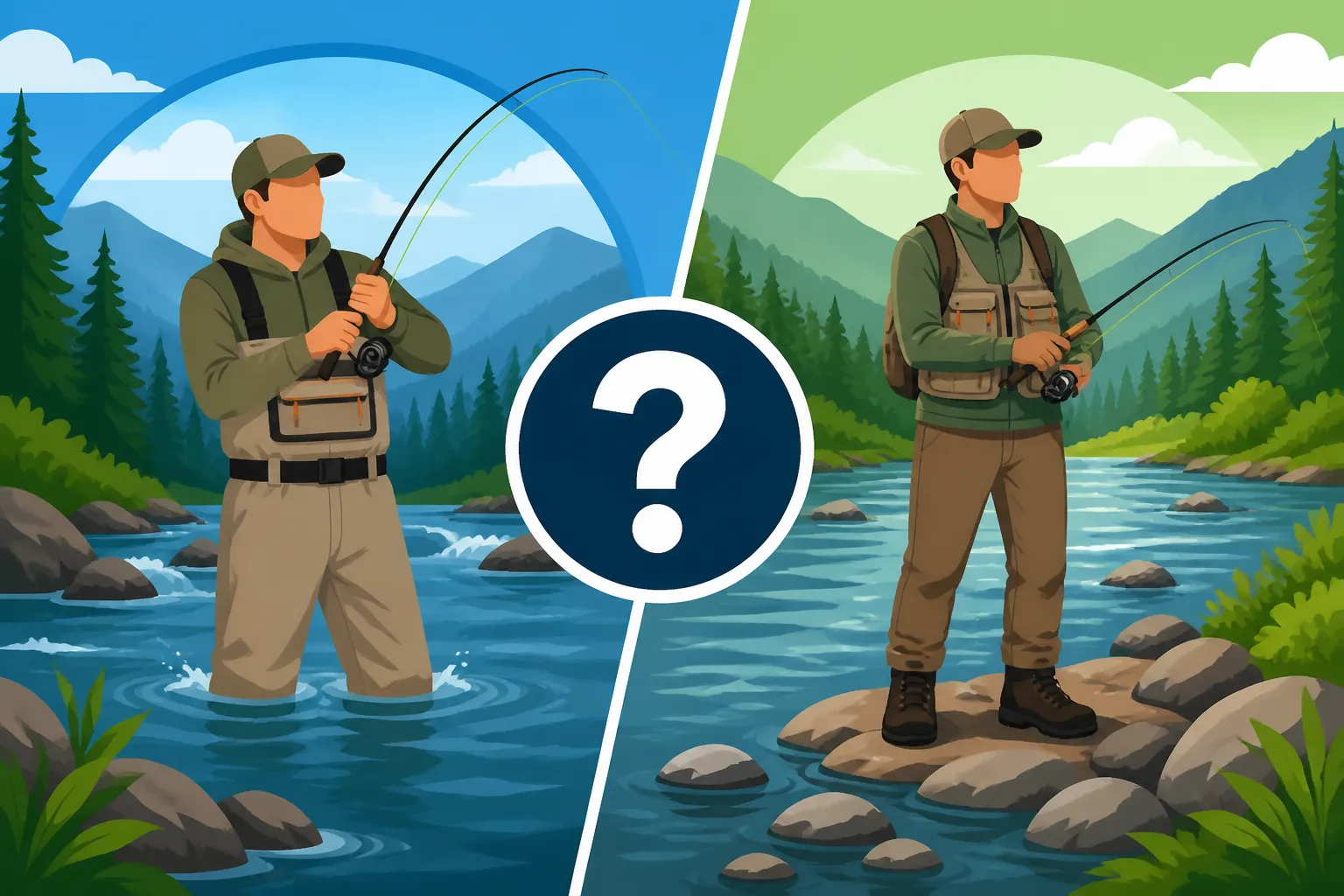
Here's a quick comparison to help solidify your thoughts:
| Feature | Full Waders (Neoprene/Breathable) | Wet Wading (Shorts/Light Pants + Wading Boots) | Bank Fishing (Regular Clothes + Sturdy Shoes) |
|---|---|---|---|
| Warmth | Excellent (keeps you dry and insulated) | Minimal (you're wet) | Excellent (you're dry, no water contact) |
| Water Access | Best (can wade deep, cross streams) | Good (can wade, but limited by water temp) | Limited (restricted to shoreline) |
| Mobility | Moderate (can feel bulky, some resistance) | Excellent (lightweight, freedom of movement) | Excellent (easy hiking, no water resistance) |
| Protection | High (from cold, scrapes, some impacts) | Moderate (from scrapes, but no cold protection) | Low (only from land-based hazards) |
| Best Season | Spring, Fall, Winter, Cooler Summer Days | Warmer Summer Days (high air temp) | Year-round (where accessible) |
| Cost | High (waders + boots) | Moderate (boots + neoprene socks) | Low (rely on existing gear) |
| Safety in Water | Requires caution (can fill with water if submerged) | Generally safe (water flows through clothing) | Not applicable (staying out of water) |
So, do you need waders for Smoky Mountains trout fishing? In many cases, especially outside of peak summer or if you're serious about accessing the best water, the answer leans heavily towards yes for the comfort, warmth, and access they provide. However, for a casual summer outing or if you prioritize staying on solid ground, there are viable and enjoyable alternatives. Weigh these factors carefully, prioritize your safety and comfort, and you'll be well on your way to a memorable day on a pristine Tennessee trout stream.
Disclaimer
This article is for general informational purposes only and does not constitute professional advice. Laws, prices and regulations vary by location and change over time. Consult a qualified professional for guidance on your specific situation.