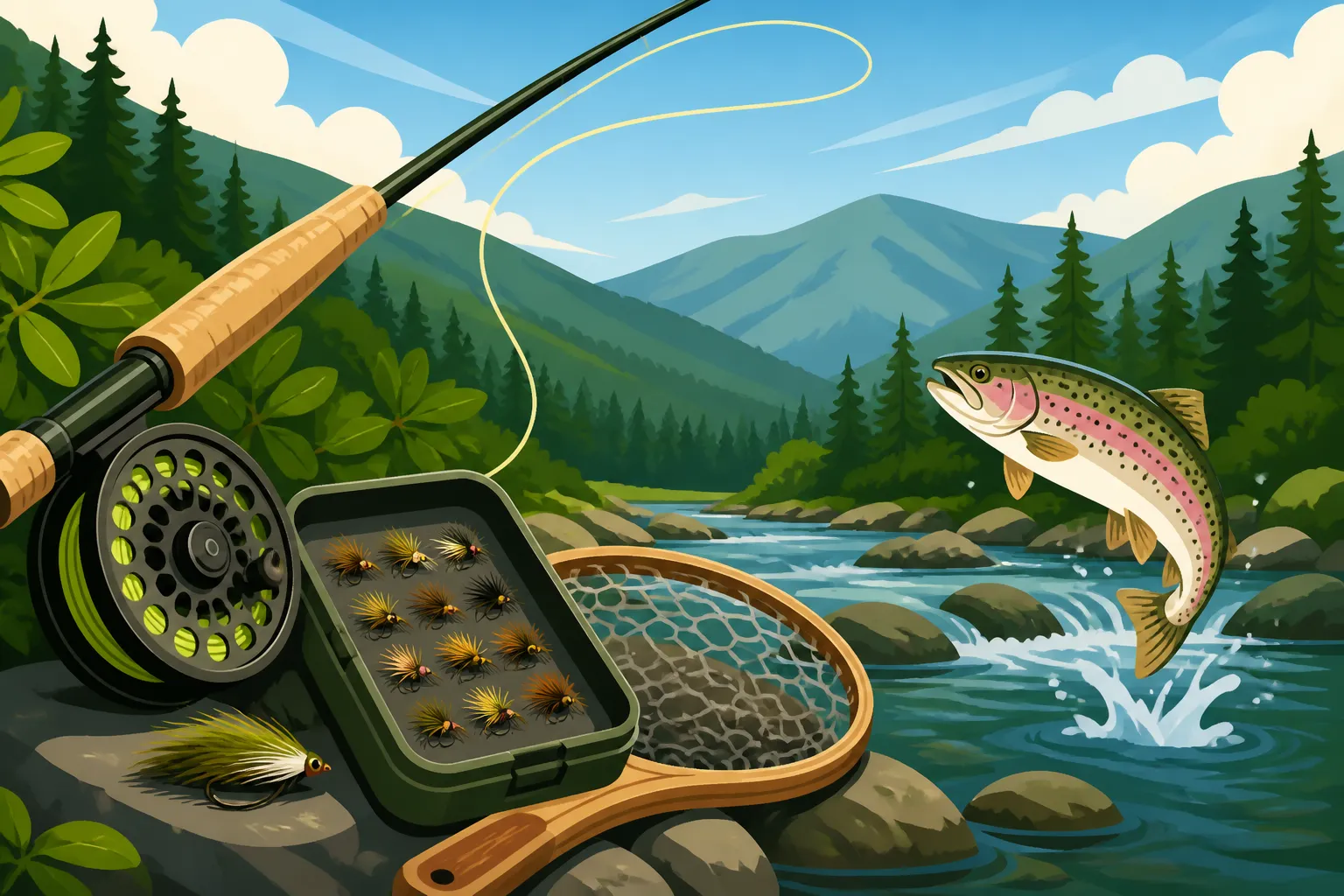
Fly Fishing Gear for Tennessee’s Smoky Mountains Trout Streams
Stepping into the clear, cold waters of the Great Smoky Mountains to fly fish for trout is an experience unlike any other, but it comes with its own unique set of challenges. Many anglers, even seasoned ones, find themselves overwhelmed by the sheer volume of gear choices out there, wondering what truly makes a difference when you're navigating slippery rocks and casting in tight quarters. This comprehensive guide is designed to cut through the noise, detailing exactly what fly fishing gear you'll need to confidently and effectively pursue trout in Tennessee's pristine mountain streams.
Understanding the Unique Demands of Smoky Mountains Streams
The Smoky Mountains aren't like your typical wide-open rivers or still lakes. These are dynamic, ever-changing environments that demand a specific approach and, consequently, specific gear. Understanding the characteristics of these streams is the first step in assembling your ideal fly fishing kit.
Water Conditions and Structure
Imagine a stream tumbling down a mountainside: it's rarely wide, often quite shallow, and usually choked with boulders, fallen logs, and dense canopy cover. The water itself is typically crystal clear, especially after a few dry days, making stealth absolutely crucial. You'll encounter riffles, runs, pools, and pocket water – often all within a stone's throw. The stream bottom can be a treacherous mix of slippery moss-covered rocks, loose gravel, and submerged debris. This isn't a place for long, sweeping casts or heavy, clunky gear. You need precision, maneuverability, and durability. The tight confines mean shorter rods are often preferred, and your ability to wade safely is paramount. Thinking about accessing some of these spots makes you realize why the right boots are just as important as the right fly.
Moreover, water levels can fluctuate dramatically, especially after rain, turning a gentle trickle into a raging torrent in a matter of hours. This means gear that can handle varied conditions is a huge plus. You'll often be fishing over freestone bottoms, where the current carves out structure, creating perfect lies for trout. This rugged terrain also means your gear will take a beating, from accidental drops to scrapes against rocks or branches. You're not just fishing; you're often hiking, scrambling, and navigating a wild environment. That heavy, expensive rod you might use for steelhead isn't going to be your friend here, and neither will flimsy waders that tear on the first thorny bush.
Target Species and Their Behavior
In the Smoky Mountains, you're primarily targeting wild trout: Rainbow, Brown, and the native Brook Trout. These fish are generally smaller than their hatchery-raised counterparts you might find in larger rivers or stocked ponds, and they are incredibly wary. They live in a low-food environment, so they're opportunistic feeders but also highly sensitive to disturbance. You won't find them congregating in massive schools; instead, they'll hold in specific lies – behind a boulder, under an undercut bank, or in a deep pocket – waiting for food to drift by. Their diet largely consists of aquatic insects (nymphs, emergers, and dries), terrestrial insects that fall into the water, and occasionally small baitfish or crustaceans.
Because these fish are wild and pressured, they demand subtle presentations. A heavy splash from a poorly cast fly or a line that drags unnaturally on the surface will send them darting for cover. This requires lighter lines, longer leaders, and precise casting to get your fly into the tiny windows of opportunity that exist between branches and rocks. Understanding their behavior – how they rise to a dry fly, where they ambush nymphs, or how they react to shadows – profoundly influences your choice of flies and how you approach each section of the stream. For more on the species, check out Rainbow Trout Identification Tips for Tennessee Streams and Brown Trout Identification Tips for Tennessee Anglers.
The Essential Fly Rod and Reel Setup
Your rod and reel are the heart of your fly fishing system. For Smoky Mountain streams, selecting the right combination is crucial for effective casting, presentation, and ultimately, landing those beautiful wild trout.
Rod Weight and Length for Mountain Streams
When you're bushwhacking through rhododendron thickets and making delicate casts under dense tree canopies, a long, heavy rod quickly becomes a liability. For most Smoky Mountain trout fishing, anglers universally favor lighter, shorter rods. A 7-foot to 8-foot 6-inch rod in a 3-weight or 4-weight class is the sweet spot. A 3-weight offers the most delicate presentation for smaller dries and nymphs, making the fight with even a modest 8-inch brook trout feel exhilarating. A 4-weight offers a bit more backbone for slightly larger fish, dealing with wind, or throwing small streamers, while still maintaining excellent feel and presentation.
Imagine trying to cast a 9-foot rod on a stream that's barely 15 feet wide with trees arching over it. You'd spend more time untangling your line from branches than fishing! The shorter length allows for easier maneuvering, roll casts, and accurate short-to-medium distance presentations common in these environments. While some might opt for a 2-weight for extreme delicacy, it can feel a bit underpowered if you hook into a feisty 14-inch brown trout or need to cast against a slight breeze. Conversely, a 5-weight, while versatile, can feel a little heavy-handed for the typically smaller fish and can make delicate presentations harder. Think about the physical space you'll be fishing in, and let that dictate your rod choice.
Reel Choice and Line Pairing
For trout fishing in the Smokies, your reel's primary function is to hold your fly line and provide balance to your rod. Unlike saltwater or large-game fishing, a super high-end drag system isn't usually a make-or-break factor for these smaller trout, though a smooth, reliable drag is always a plus. Most anglers opt for a lightweight, single-action click-and-pawl reel or a simple disc drag reel that matches the rod's weight (e.g., a 3/4-weight reel for a 3-weight rod). The key is balance – the reel should feel comfortable in your hand and allow the rod to feel light and responsive.
When it comes to line, a weight-forward (WF) floating fly line is the standard choice. This design helps load the rod quickly for those shorter casts and roll casts, and the floating nature keeps your line on the surface, crucial for managing drag and detecting subtle strikes when fishing nymphs. Some anglers might carry a spare spool with a sinking tip line for specific situations, like fishing deeper pools with streamers, but for the majority of situations, a WF floating line will be your workhorse. Don't skimp on line quality; a good line will last longer and perform much better than a cheap one. You can find excellent options for both reels and lines at places like Bass Pro Shops or even a wide selection on Amazon, often with helpful reviews from other fly anglers.
Here's a quick comparison of popular rod weights:
| Rod Weight | Ideal Length Range | Primary Use in Smokies | Pros | Cons |
|---|---|---|---|---|
| 2-Weight | 6'6" – 7'6" | Ultra-light presentation, tiny dry flies, very small streams | Maximum delicacy, incredible feel, exciting fights | Limited power, struggles with wind, very small fish only |
| 3-Weight | 7'0" – 8'0" | General small stream trout, dry flies, light nymphs | Excellent feel, good presentation, handles most stream fish | Less versatile for wind or larger flies |
| 4-Weight | 7'6" – 8'6" | Versatile small/medium stream, nymphs, small streamers, dries | Good all-around power, reasonable presentation, handles wind | Less delicate than 2/3-weight, can be overkill for tiny fish |
| 5-Weight | 8'6" – 9'0" | Larger streams, heavier nymphs, larger streamers, bigger fish | More power for casting, larger flies, bigger fish | Overkill for small streams, less delicate presentation |
For the Smoky Mountains, the 3-weight and 4-weight options in the shorter length ranges are generally the most recommended.
Fly Line, Leaders, and Tippet: The Critical Connection
The connection between your rod and the fish is made through your fly line, leader, and tippet. These components are vital for presenting your fly naturally and subtly, which is non-negotiable for wary mountain trout.
Fly Line Types for Presentation
As mentioned, a weight-forward (WF) floating line is the standard for most Smoky Mountain fly fishing. The "weight-forward" design means the front section of the line is heavier, which helps in loading your rod quickly and making those short, accurate casts under branches. The "floating" aspect ensures your line stays on the surface, allowing you to mend your line to control drift and detect subtle takes. Imagine trying to see a tiny dry fly disappear into a ripple with a submerged line – it's nearly impossible! The floating line also helps keep your leader afloat if you're fishing a dry-dropper rig.
Beyond the basic floating line, some anglers might consider specialized lines, but they are less common for general mountain stream work. For example, a "double taper" (DT) line, while offering very delicate presentations, doesn't cast as easily in windy conditions or with heavier flies, which can sometimes be necessary. A "trout-specific" taper line might have a slightly longer front taper for even more delicate landings. However, for most anglers, a good quality, general-purpose WF floating fly line from a reputable brand will serve you exceptionally well. Investing in a line that doesn't coil easily in cold water and has a slick, durable coating will pay dividends in casting performance and longevity.
Leader and Tippet Materials and Strengths
The leader is the clear, tapered section of monofilament or fluorocarbon that connects your fly line to your tippet, and then your tippet to your fly. Its tapered design helps transfer the energy from your fly line smoothly, ensuring your fly lands softly and presents naturally. For Smoky Mountain trout, leaders typically range from 7.5 to 9 feet in length, sometimes even longer (up to 12 feet) for extremely wary fish or ultra-clear water. A standard 7.5-foot 5X or 6X tapered leader is a great starting point. The "X" rating refers to the tippet diameter and strength, with higher numbers indicating thinner, weaker lines.
Tippet is the final, untapered section of monofilament or fluorocarbon that you tie directly to your fly. It's crucial because it's the weakest point in your system and is designed to break before your main leader, saving you from having to replace an entire tapered leader if you snag. It also allows you to fine-tune the length and strength of your connection to the fly. For most conditions, 5X or 6X tippet is appropriate, matching or being one size lighter than your leader. For tiny dry flies and very spooky fish, you might go down to 7X, but be prepared for more break-offs. Fluorocarbon tippet is gaining popularity as it's nearly invisible underwater and sinks faster than monofilament, which is a huge advantage when nymphing. However, it's less supple than mono, which can affect the natural drift of dry flies. Always carry spools of both 5X and 6X tippet, in both monofilament and fluorocarbon, to adapt to changing conditions. You can never have too much tippet!
Flies for Tennessee Trout: Matching the Hatch (and Beyond)
Choosing the right fly is often what separates a good day from a great day on the water. In the Smoky Mountains, you'll want a diverse fly box to cover the various insects and food sources trout key into.
Dry Flies and Emergers
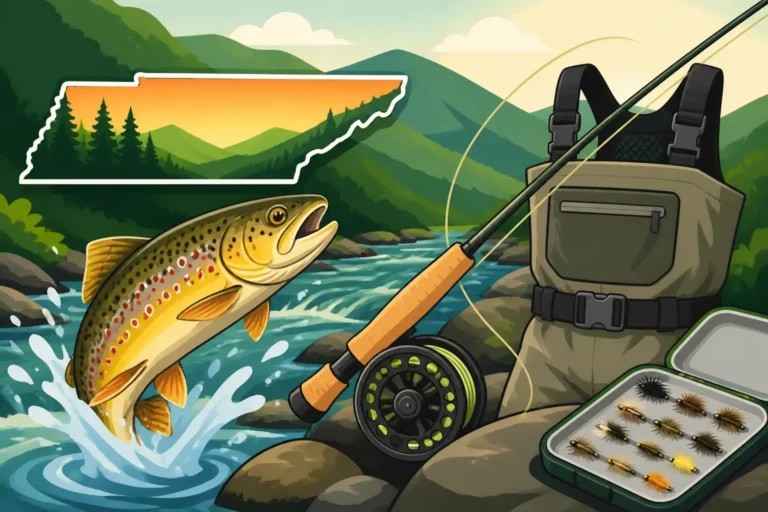
Dry flies are arguably the most exciting way to catch trout, as you get to see the fish rise and take your fly off the surface. In the Smokies, insect hatches can be sporadic but intense, so having a good selection is key. Classic patterns like Elk Hair Caddis (sizes 14-18), Parachute Adams (sizes 12-20), Royal Wulff (sizes 12-16), and various PMD (Pale Morning Dun) or BWO (Blue-Winged Olive) imitations are essential. Terrestrial patterns like foam hoppers, ants, and beetles (sizes 10-16) can also be incredibly effective, especially in late summer and early fall when bugs fall from streamside vegetation.
Emergers are transitional patterns that imitate insects as they rise from the streambed to hatch on the surface. These are often deadly when fish are "sipping" just below the surface and ignoring fully adult dry flies. Patterns like a CDC Emerger, LaFontaine's Sparkle Pupa, or a soft-hackle emerger can trick selective trout. The key with dry flies and emergers is presentation – a drag-free drift is paramount. For general guidance, Best Fly Patterns for Stocked Trout offers a good starting point for common patterns that also work on wild fish. Having a few different sizes and colors of each pattern allows you to adapt to the specific hatch or feeding behavior you encounter on a given day.
Nymphs and Streamers
Nymphing is often the most consistently productive way to catch trout in mountain streams, as trout spend the vast majority of their time feeding on subsurface insects. You'll need a variety of weighted and unweighted nymphs to imitate the aquatic larvae and pupae. Popular patterns include the Hare's Ear Nymph, Pheasant Tail Nymph, Copper John, Squirmy Wormy, and various midge patterns (Zebra Midge, Griffith's Gnat) in sizes 12-20. Having some heavier, bead-head versions will help you get down quickly in faster water. Pay attention to natural colors like brown, olive, and black.
While less common for the smaller, wild trout, carrying a few small streamers (sizes 8-12) can be a game-changer, especially after high water or when targeting larger brown trout. Patterns like Woolly Buggers (olive, black, brown), Clouser Minnows, or small sculpin imitations can entice an aggressive strike. Streamers imitate baitfish or larger aquatic creatures. Fishing them often involves a more active retrieve, stripping the line to give the fly movement. It's always a good idea to vary your retrieve speed until you find what the fish respond to. A common setup is a dry-dropper rig, where a buoyant dry fly acts as an indicator for a nymph suspended below it. This allows you to fish two depths at once and cover both rising and subsurface feeders.
Waders, Boots, and Apparel: Staying Dry and Safe
Fly fishing in the Smokies means spending a lot of time in the water. Quality waders and boots aren't just about comfort; they're about safety and extending your fishing day.
Wader Types and Features
Breathable chest waders are the undisputed champions for Smoky Mountain fly fishing. Neoprene waders, while warm, are too hot for most of the year and restrict movement. Breathable waders, typically made from multiple layers of nylon or polyester with a waterproof membrane, allow perspiration to escape while keeping river water out. This is crucial for comfort, especially on warmer days or when you're hiking into a remote spot. Look for features like reinforced knees and seat for durability, as you'll be kneeling, sitting on rocks, and scrambling. A built-in wading belt is also essential for safety, helping to prevent water from rushing into your waders if you take a spill.
Stockingfoot waders, which have neoprene "socks" rather than attached boots, are preferred because they allow you to wear separate, specialized wading boots. This gives you much better traction and ankle support than bootfoot waders. Brands like Simms, Orvis, and Redington offer excellent options, available at outdoor retailers like Bass Pro Shops or online platforms. Consider the climate; while you'll want breathable waders, if you're fishing in the dead of winter, you'll need to layer heavily underneath. Remember, good waders are an investment in your comfort and safety.
Wading Boots for Traction and Support
Your wading boots are arguably your most important piece of safety gear. Smoky Mountain streams are notorious for slippery, moss-covered rocks. You need boots that provide exceptional grip and solid ankle support to prevent twists and falls. Felt soles were once the standard for their grip on wet rock, but many states, including Tennessee, have moved away from them due to concerns about transferring invasive species between waterways. Rubber soles with aggressive tread patterns are now very common.
Many anglers enhance their rubber-soled boots with screw-in studs or felt pads for additional traction. These can be particularly helpful when navigating steep banks or wading in strong currents. Brands like Korkers offer interchangeable sole systems, allowing you to swap between felt, rubber, and studded options. When trying on boots, make sure to wear thick wading socks, as your neoprene wader booties will take up significant space. They should fit snugly but comfortably, without pinching or excessive movement, to provide maximum support. A sturdy lacing system that holds your foot securely is also a must. For a deeper dive into what to look for, check out Best Fly Rods and Waders for Tennessee Trout Streams.
Essential Accessories for Stream Success
Beyond the core rod, reel, line, and waders, a handful of accessories can significantly improve your efficiency, comfort, and success on the water.
Net, Vest, and Pack Options
A good landing net is indispensable for safely handling and releasing trout, especially the delicate wild fish of the Smokies. A short-handled, rubber or silicone mesh net is ideal. Rubber or silicone mesh is gentler on fish, reducing slime removal and fin damage, and it prevents your hooks from getting tangled. A net with a magnetic release or a retractor that clips to your vest or pack makes it easy to deploy and stow while wading. Avoid long-handled nets unless you're fishing very wide rivers, as they're cumbersome in tight mountain streams.
For carrying your essential gear, you have a few options. A traditional fly fishing vest, with its multitude of pockets, is a classic choice, keeping everything organized and easily accessible. Chest packs offer a more compact alternative, keeping gear high and dry on your chest. Both are great for keeping your fly boxes, tippet, nippers, and floatant close at hand. Many anglers who prefer to keep their back free for casting or ventilation opt for hip packs or sling packs, which sit off to the side or behind, but can be swung around to the front for access. The best choice depends on your personal preference for weight distribution and how much gear you tend to carry. No matter what you choose, ensure it's comfortable for extended wear, especially if you're doing a lot of hiking.
Tools, Floatants, and Other Necessities
Your small tools are often the unsung heroes of a successful day. Forceps or hemostats are crucial for safely removing hooks from fish, especially smaller ones. Line nippers (or small nail clippers) are a must for trimming tag ends. A small, retractable zinger attached to your vest or pack will keep them handy. Fly floatant (gel or powder) is essential for keeping your dry flies riding high on the water; apply it generously and often. A small strike indicator (for nymphing), either a foam indicator or a pinch-on type, helps detect subtle bites.
Don't forget polarized sunglasses! They cut glare, allowing you to see fish in the water and navigate submerged obstacles safely. A brimmed hat offers sun protection and further reduces glare. Sunscreen and insect repellent are practical necessities. A water bottle or hydration pack is critical, as you'll be exerting yourself, often far from easy access to potable water. Finally, always carry a small first-aid kit, as slips and falls can happen in rugged terrain. A headlamp or small flashlight is also smart, just in case you find yourself on the stream longer than planned. Many of these smaller items can be easily found and stocked from online retailers like Amazon, ensuring you have every little thing you might need.
Maintenance and Care of Your Fly Fishing Gear
Your fly fishing gear is an investment, and proper care will ensure it lasts for many seasons and performs reliably when you need it most. Neglecting maintenance can lead to frustrating gear failures on the water.
Post-Trip Cleaning and Storage
After every trip, especially when fishing in muddy or silty water, it's crucial to properly clean your gear. Your waders should be rinsed thoroughly, inside and out, to remove mud, algae, and any potential aquatic hitchhikers. Hang them upside down in a well-ventilated area, out of direct sunlight, to dry completely. Never store wet waders, as this can lead to mildew and material breakdown. Wading boots should also be rinsed to remove debris from the soles and laces, then allowed to air dry. If you use studded boots, check that the studs are still tight.
Your fly rod and reel also need attention. Wipe down your rod blanks with a damp cloth to remove dirt, then dry them completely before storing in their rod tube. Check your reel for any grit or debris, especially in the drag system. If it's been exposed to a lot of water or mud, a quick rinse under clean water and air dry is recommended. Every few trips, strip all your fly line off your reel and clean it with a damp cloth and specialized fly line cleaner, then apply a line dressing. This keeps your line supple, slick, and helps it float better. Store your flies in their fly boxes, allowing any damp flies to air dry before closing the box to prevent rust.
Repairing and Replacing Components
Things inevitably break or wear out. Knowing how to perform minor repairs or when to replace components can save you money and keep you fishing. Regularly inspect your fly line for cracks or nicks, especially near the tip; these can lead to casting issues or even break-offs. If you notice severe damage, it's often best to replace the line. Leaders and tippet should be replaced frequently, as they weaken with exposure to UV light, knots, and abrasions. Keep fresh spools of tippet on hand at all times.
Waders are prone to punctures from thorns or sharp rocks. Carrying a small wader repair kit (which usually includes aquaseal or similar sealant and patches) allows for quick field repairs. For larger tears or seam leaks, it might be worth sending them to a professional repair service or considering replacement if they're old and worn. Zippers on vests and packs can stick; a silicone-based lubricant can often fix this. Learn basic knots like the Surgeon's Knot, Blood Knot, and Improved Clinch Knot, so you can easily tie on new tippet or flies without fuss. A small multitool or knife with a pair of pliers can also be invaluable for roadside repairs or snipping stubborn knots.
Where to Find Your Gear (and a word on budgeting)
Building your fly fishing kit can feel like a significant investment, but it doesn't have to break the bank. Understanding your options for purchasing gear and prioritizing your budget can make the process much more manageable.
Online vs. Local Retailers
You have two main avenues for acquiring your fly fishing gear: online retailers and local fly shops/outdoor stores. Online giants like Amazon offer a vast selection, often at competitive prices, and the convenience of home delivery. You can easily compare different brands and read numerous customer reviews before making a purchase. This is particularly good for stocking up on consumables like tippet, leader material, or bulk fly purchases. Big box outdoor stores like Bass Pro Shops also have a strong online presence and often carry a wide range of fly fishing brands, from entry-level to high-end.
However, local fly shops offer an invaluable resource that online stores cannot: expert advice and hands-on experience. The staff at a dedicated fly shop usually fish the local waters, including the Smoky Mountains, and can offer tailored recommendations for rods, reels, lines, and, most importantly, the specific flies that are currently working. You can physically hold rods to feel their action, try on waders and boots for proper fit, and get instruction on basic casting or knot tying. Many local shops also offer guiding services or host clinics, which can accelerate your learning curve. Plus, supporting local businesses helps sustain the fly fishing community and conservation efforts in your area. For crucial items like your first rod/reel combo or waders, a local shop can be a fantastic resource.
Balancing Quality and Cost
Fly fishing gear ranges from incredibly budget-friendly to astronomically expensive. For a beginner, or someone just starting to explore the Smokies, it's wise to strike a balance between quality and cost. You don't need the most expensive gear to catch fish, but you also don't want the cheapest, flimsiest equipment that will fail you on your first outing. Prioritize key items: a decent rod and reel that are well-balanced, comfortable and durable waders and boots, and quality fly line. These items will make the biggest difference in your experience and safety.
Consider a mid-range rod and reel combo to start. Many reputable brands offer excellent entry-to-mid-level combos that perform beautifully. You can save money on some accessories, but don't skimp on essentials like polarized sunglasses or a good net. Look for sales, especially at the end of a season, or consider buying gently used gear from reputable sources. Remember, the most expensive fly rod in the world won't make up for poor technique or a lack of understanding of the fish and their habitat. Invest in knowledge and experience, and let your gear choices evolve as you gain more time on the water. For more on getting started, How to Fly Fish for Trout for Beginners can provide additional context.
Disclaimer
This article is for general informational purposes only and does not constitute professional advice. Laws, prices and regulations vary by location and change over time. Consult a qualified professional for guidance on your specific situation.