Best Summer Fishing Times to Beat the Heat
Oh, summer fishing in Tennessee! There's absolutely nothing quite like the beauty of our lakes and rivers under a warm sun, but let's be real – that summer heat can be brutal, not just for us anglers, but for the fish too. It often feels like you're baking on the water, and the fish have simply vanished. This guide is all about helping you understand how that sweltering heat impacts fish behavior and, more importantly, when and where you can still find those prime biting windows to make your summer fishing trips enjoyable and productive, without melting in the sun.
Understanding Summer Fish Behavior in Tennessee
When those long, hot days of summer really settle in across Tennessee, everything changes, especially for our finned friends beneath the surface. It's not just about the air temperature; it's profoundly about the water temperature, dissolved oxygen levels, and light penetration. Fish are cold-blooded creatures, meaning their body temperature mirrors their surroundings, so they're acutely sensitive to these shifts. Understanding their reactions is the first step to beating the heat and catching more fish.
When the Water Heats Up: Fish Physiology and Comfort Zones
As the surface water temperatures climb into the 80s, and sometimes even the low 90s, the metabolism of fish goes into overdrive. While this might sound good because they need to eat more, it also means they burn energy faster and require more oxygen. The problem is, warmer water holds less dissolved oxygen. It's a double whammy: more oxygen needed, less available. This metabolic stress can make fish sluggish and less inclined to chase a lure across open, warm water. They're looking for thermal refuge, essentially seeking out cooler, more oxygenated areas where they can maintain their body functions without excessive strain. This often means they'll move from shallow flats and shorelines to deeper water or areas with current.
Think about it from a human perspective: when it's scorching hot outside, are you more likely to run a marathon or find a cool, air-conditioned spot to relax? Fish are no different. They're conserving energy and seeking comfort. They'll still eat, but usually in shorter, more intense bursts when conditions are more favorable. This is why paying attention to things like How Water Temperature Affects Fish Activity is so crucial during the summer months. It's not about them not eating at all; it's about them being incredibly picky about when and where they choose to feed.
Deep Water Retreats and Shade Seeking
The most common reaction of many sport fish, especially bass, crappie, and even some catfish, to intense summer heat is to move deeper. The thermocline, a layer where water temperature changes rapidly with depth, often forms in our larger reservoirs during summer. Below this layer, the water is significantly cooler and often retains better oxygen levels, making it a comfortable haven. Fish will suspend in or just above this thermocline, or they'll relate to deep structure like ledges, humps, creek channels, and submerged timber.
Beyond just depth, shade becomes a premium commodity. Overhanging trees, boat docks, bridges, and even dense aquatic vegetation can offer a welcome respite from the sun's direct rays. These shaded areas often hold slightly cooler water and provide a sense of security, making them ambush points for predatory fish waiting for an unsuspecting meal to swim by. This can mean fishing right up against a dock piling or under a bridge, where the water is noticeably darker and cooler. Don't underestimate the power of even a small patch of shade; it can concentrate fish dramatically.
Prime Times for Summer Fishing in Tennessee
Alright, so the fish are playing hard to get during the dog days, but that doesn't mean you have to pack up your rods. It just means you need to adjust your schedule and tactics. The key to successful summer fishing in Tennessee often lies in embracing the cooler, darker parts of the day. This is when the sun's intensity is at its lowest, water temperatures may drop slightly, and fish feel more comfortable moving and feeding.
The Magic of Dawn: Early Morning Success
If you're willing to set that alarm clock before the rooster crows, you'll often be rewarded with some of the best fishing of the summer. The first few hours after sunrise, and sometimes even a bit before, are often called the "golden hour" for a reason. The air is cooler, the sun hasn't had a chance to bake the water, and fish that have been lying dormant or in deep cover overnight often move shallower to feed. This is when topwater lures can be absolutely deadly for bass, as they'll aggressively strike anything that splashes or gurgles on the surface before the sun gets too high.
Imagine being on the water as the mist rises and the world is just waking up. It's peaceful, quiet, and the fish are often actively chasing baitfish. Crappie might be shallower around brush piles, and catfish might be cruising flats before retreating to deeper holes. You'll find that these early hours are not just productive for catching fish, but they're also incredibly pleasant for the angler. Getting off the water by late morning, just as the heat starts to become oppressive, allows you to beat the worst of the sun while still enjoying a fantastic fishing experience. This is absolutely one of the Best Time of Day to Catch Bass during the summer.
Dusk Til Dark: Evening and Night Fishing Strategies
Just as the sun rises, its setting brings another fantastic opportunity for summer anglers. As the day cools down and the light fades, fish often reverse their deep-water retreat and move into shallower feeding grounds. The evening bite, from an hour or two before sunset until complete darkness, can be incredibly strong. Topwater action picks up again, and fish will often be more willing to chase reaction baits or pick up slower-moving presentations.
But why stop there? Night fishing is a game-changer for many Tennessee anglers during the summer. The water is at its coolest, there's no direct sunlight, and many predatory fish, especially catfish and larger bass, become much more active under the cover of darkness. Techniques like Night Fishing Techniques for Catfish become incredibly effective, often yielding larger fish. Using submersible fishing lights can be a fantastic way to attract baitfish, which in turn draws in crappie and other gamefish. If you're going to give night fishing a try, make sure you've got good headlamps or portable lights, and consider checking out some quality fishing lights on Amazon to enhance your setup. It's a completely different experience on the water, often cooler, quieter, and full of anticipation. You can explore How to Catch Catfish at Night for specific tips on this exciting method.
Tackling Midday Heat: Niche Opportunities and Strategies
Okay, we all know those days when you can only get out on the water during the absolute hottest part of the afternoon. Maybe it's a quick lunch break trip, or you're just passing by a promising spot. It's certainly the most challenging time to fish in the summer heat, but it's not impossible to catch fish. You just need to drastically shift your mindset and tactics. Forget the wide-open spaces; think small, deep, and focused.
Targeting Deep Structure and Oxygen-Rich Areas
When the sun is high and the surface water feels like a bath, fish are absolutely hunkered down. They'll be seeking out the deepest, coolest, and most oxygenated water they can find. This means focusing your efforts on prominent underwater structures like deep creek channels, submerged roadbeds, steep ledges, and offshore humps. Your fish finder becomes your best friend here, helping you locate schools of baitfish and the larger predatory fish that are often lurking nearby. Don't be afraid to fish in 20, 30, or even 40 feet of water, depending on the lake's depth and characteristics.
Another key is to find areas with current or fresh inflow, as these often have higher dissolved oxygen levels. This could be below a dam on a river system, near a spring, or even where a cooler tributary enters a larger lake. These subtle differences can concentrate fish significantly. Slow, precise presentations are key when fishing deep. Think shaky heads, drop shots, deep-diving crankbaits, or heavy jigs for bass. For crappie, vertical jigging with small baits can be effective if you find them suspended over deep brush. If you're not equipped with the right lures for deep water, a quick search on Amazon can get you geared up with some excellent options. This is exactly Where Do Bass Go in Extreme Summer Heat.
Utilizing Shade and Cover During Peak Sun
Even in the middle of the day, shade is still gold. While the open water will be unproductive, focusing on dense, overhead cover can still yield bites. Think about fishing underneath thick boat docks, under bridges, or even in the dense shadows cast by tall bluffs. The trick is often to get your lure as far back into that shaded pocket as possible, where fish feel safe and comfortable. Skipping jigs or weightless worms under docks is a classic technique for a reason – it puts your bait right where those heat-stressed bass are hiding.
Dense aquatic vegetation, especially mats of hydrilla or lily pads, can also create cooler, shaded pockets beneath them. These mats act like insulation, keeping the water underneath cooler and providing excellent ambush points. Punching through these mats with heavy jigs or Texas-rigged plastics can be incredibly effective, albeit a bit more challenging. The effort of getting your bait into these hard-to-reach places often pays off with a strong strike from a fish that feels secure in its cool, dark lair.
Species-Specific Summer Considerations
While some general rules apply to all fish during summer, different species have their own unique tolerances and preferred habitats. Knowing these specific tendencies can help you fine-tune your approach and increase your chances of success, no matter what you're targeting in Tennessee's waters.
Bass Fishing in Tennessee's Summer Heat
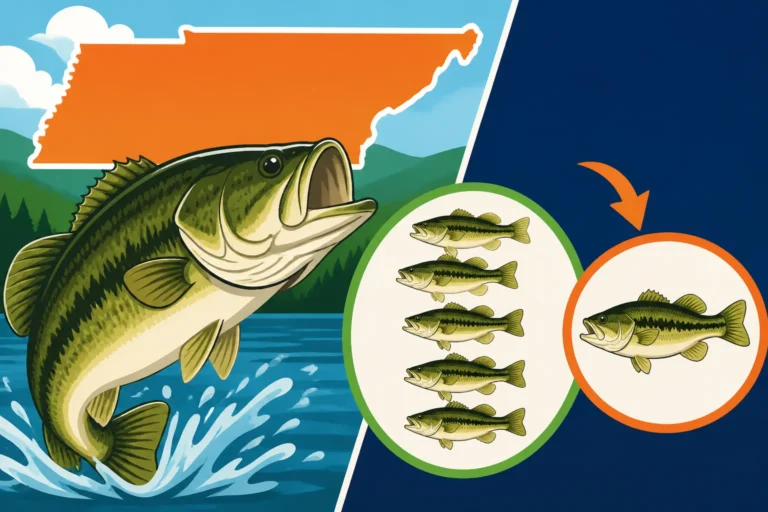
For both largemouth and smallmouth bass in Tennessee, summer generally means moving off the shallow banks and into deeper water or heavy cover. Largemouth will often relate to deep ledges, brush piles, and submerged timber, especially on our large reservoirs like Chickamauga or Kentucky Lake. Early morning and late evening topwater bites can be phenomenal in shallower pockets adjacent to deeper water, but during the day, you'll need to go deep with jigs, deep-diving crankbaits, or Carolina rigs. Don't overlook heavy cover like matted vegetation or dense docks during the midday hours, as bass will seek out those shaded sanctuaries. Tennessee Bass Fishing Seasons and Patterns highlight how critical these seasonal adjustments are.
Smallmouth bass, often found in clearer, rockier waters like Dale Hollow or Norris Lake, tend to go even deeper. They'll relate to rocky points, humps, and steep breaks, often holding significantly deeper than largemouth. Smallmouth are particularly sensitive to bright light and warm water, so your best bet for them is very early morning, late evening, or night fishing with jerkbaits, drop shots, or even live bait presented deep. The key for both species is understanding that they're conserving energy and won't chase a lure across open, hot water. You need to put the bait right on their nose, or tempt them during their brief, active feeding windows.
Crappie and Catfish: Summer Opportunities
Crappie can be a fantastic target throughout the summer if you know where to look. They also move to deeper water, often suspending over creek channels, relating to deep brush piles, or holding under large boat docks that offer both shade and depth. Vertical jigging or slow trolling with live minnows or small jigs around these structures are highly effective. On cooler summer mornings and evenings, crappie might push shallower to feed, making for excellent Dawn and Dusk Fishing Patterns for Crappie. If you're on a lake like Kentucky Lake or Reelfoot, looking for them in timbered areas in 15-25 feet of water can be very productive. To help locate those deeper brush piles, having a good fish finder is invaluable – you can find many great options on Amazon. Check out How to Find Crappie in Summer for more detailed strategies.
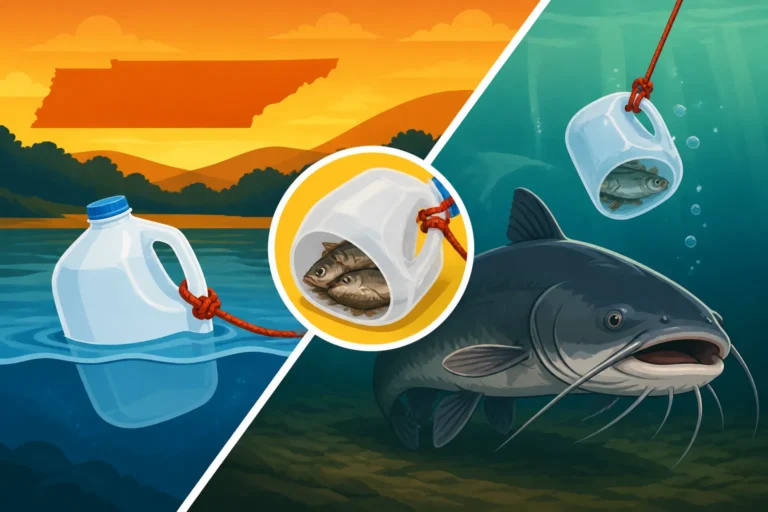
Catfish, on the other hand, are often less affected by the heat and can be caught throughout the day, though they are notoriously more active at night. Channel catfish and blue catfish thrive in warm water and will actively feed even in the heat of the day, especially if there's a good current or abundant bait. Focusing on river channels, deep holes, and areas downstream from dams can be excellent. Blue cats in particular are often found in very deep water on our large reservoirs. For flathead catfish, live bait fished near woody cover in rivers or creek channels is usually the ticket, and they often become more active as the sun sets. Regardless of the species, smelly baits like cut bait, chicken livers, or stink baits are irresistible to catfish. This is why Night Fishing Techniques for Catfish are so popular during the summer months; the bigger ones often come out to play when the sun goes down.
Here's a quick overview of summer fishing times in Tennessee:
| Time of Day | Typical Conditions | Fish Behavior | Target Species (Examples) | Recommended Tactics & Gear |
|---|---|---|---|---|
| Pre-Dawn/Dawn | Coolest air/water temps, low light | Most active feeding, move shallow for bait | Bass, Crappie, Catfish | Topwater lures, shallow crankbaits, jigs, minnows; light jackets, headlamps |
| Morning (mid) | Warming quickly, increasing light | Retreating deeper or into heavy cover | Bass, Crappie, Striped Bass, Catfish | Deep-diving crankbaits, jigs, drop shots, live bait; sunscreen, hats, polarized sunglasses |
| Midday (peak heat) | Hottest air/water, intense sun, low oxygen | Hunkered deep, seeking shade/current, sluggish | Catfish, Deep Bass, Crappie (deep) | Vertical jigging, punching mats, slow presentations on deep structure; cooling towels (Amazon) |
| Afternoon (late) | Gradual cooling, diminishing light | Start moving from deep cover, becoming more active | Bass, Crappie, Catfish | Spinnerbaits, swimbaits, jigs near transition areas; prepare for evening bite |
| Dusk/Evening | Cooling temps, low light to dark | Highly active feeding, move shallower | Bass, Crappie, Catfish | Topwater, buzzbaits, soft plastics, live bait; bug spray, fishing lights (Amazon), navigation lights |
| Night | Coolest water, no light, increased oxygen | Very active feeding, larger fish often move shallow | Catfish, Bass, Crappie | Glow jigs, live/cut bait, spinnerbaits, fishing lights; safety gear, lanterns, warm clothes |
Ultimately, summer fishing in Tennessee is about adapting. It means waking up before the birds, staying out after dark, or meticulously picking apart deep structures during the day. With a little planning and the right approach, those hot summer months can still yield some truly memorable catches. Don't let the heat keep you indoors; just adjust your schedule and enjoy the unique challenges and rewards of summer angling!
Disclaimer
This article is for general informational purposes only and does not constitute professional advice. Laws, prices and regulations vary by location and change over time. Consult a qualified professional for guidance on your specific situation.