How to Fish in Early Spring Cold Water
That nip in the air, the hint of green starting to emerge – early spring in Tennessee is a beautiful time, but it can be notoriously tricky for anglers. The water is still holding onto winter's chill, and fish aren't exactly jumping into the boat. This guide is all about helping you understand how fish behave in these frigid conditions and equipping you with the techniques and gear to find success, even when the water feels like ice.
Understanding Early Spring Water Temperatures and Fish Behavior
Early spring fishing in Tennessee isn't just about throwing your favorite lure and hoping for the best. It's a strategic game, heavily influenced by the lingering cold water from winter. If you want to catch fish, you first have to understand what makes them tick—or rather, what makes them sluggish—when the mercury in the water thermometer is low.
The Impact of Cold Water on Fish Metabolism
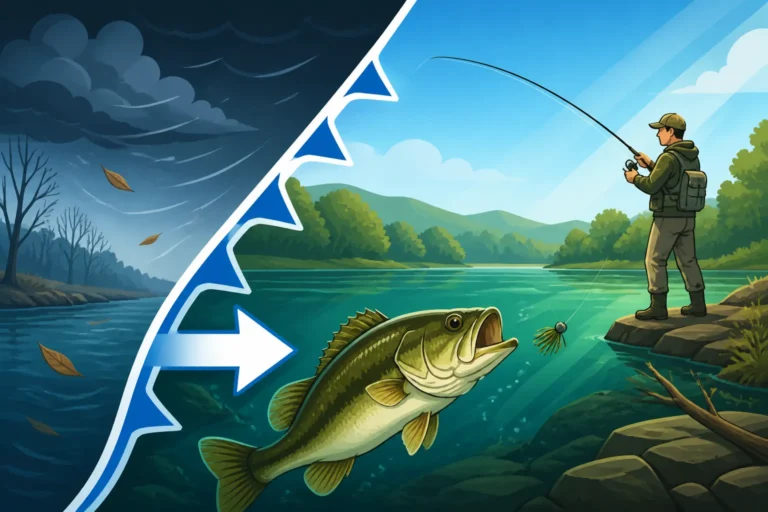
Think of it like us humans. When it's freezing outside, we tend to slow down, bundle up, and conserve energy. Fish are no different, especially cold-blooded creatures like bass, crappie, and trout. Their metabolism is directly tied to the water temperature. When the water is cold, their bodily functions slow way down. This means they digest food much slower, require less energy, and thus aren't as aggressive or willing to chase a fast-moving meal. A sudden drop in temperature, like after a cold front rolls through, can shut them down even more.
For instance, a largemouth bass that might aggressively strike a fast-moving crankbait in 70-degree water might barely nudge a slowly sinking jig in 45-degree water. You're not looking for a chase; you're looking for an ambush. They'll often hold tight to cover, waiting for an easy meal to swim right into their strike zone. Understanding this physiological change is the first step to adapting your approach. You need to become a stealthy, patient hunter, presenting baits in a way that caters to a lethargic fish that doesn't want to expend much energy. This is a critical concept that dictates every other tactic you'll employ. To delve deeper into this, you might find How Water Temperature Affects Bass Feeding an interesting read.
Where Fish Go When the Water is Cold
So, if fish are sluggish, where do they hide out? They're not just scattered everywhere. They’re actively seeking comfort and warmth, even if it’s just a few degrees difference. In early spring, this usually means they'll be in deeper water, near structure, or in specific transition zones that offer some thermal advantage. Main lake points, channel swings, and steep bluffs that drop quickly into deeper water are prime locations for bass and crappie to stage. These areas allow them to move vertically with ease, sliding into shallower water during warmer parts of the day or retreating to the depths if a cold front pushes through.
Don't overlook subtle warmer pockets, either. Think about northern banks that get more direct sunlight throughout the day. Darker bottom compositions can absorb more heat, leading to a slight but significant temperature bump. Even a rocky bluff face on the north side of a lake can retain solar heat and be a magnet for fish. You might not see a huge difference on your fish finder's temperature gauge, but even half a degree can make a difference to a cold fish. For trout, it's often about finding slower pools, eddies, and current breaks where they don't have to fight the flow as hard, allowing them to conserve energy in the frigid flows. How Cold Water Changes Trout Fishing in Tennessee's Smoky Mountains offers more insight into their specific behaviors.
Essential Techniques for Cold Water Success
Once you understand why fish behave the way they do in cold water, you can start adapting your fishing techniques. This is where patience truly becomes a virtue, and finesse often trumps power. Forget about rapid-fire retrieves and flashy presentations; slow, deliberate, and subtle are the names of the game.
Slow and Deliberate Presentations
This is arguably the most crucial principle for early spring cold water fishing. As we discussed, fish are sluggish and not inclined to chase. Your bait needs to stay in their strike zone for as long as possible, appearing as an effortless, irresistible meal. This means slowing down your retrieve to an almost excruciating crawl. If you think you're going slow enough, slow down even more.
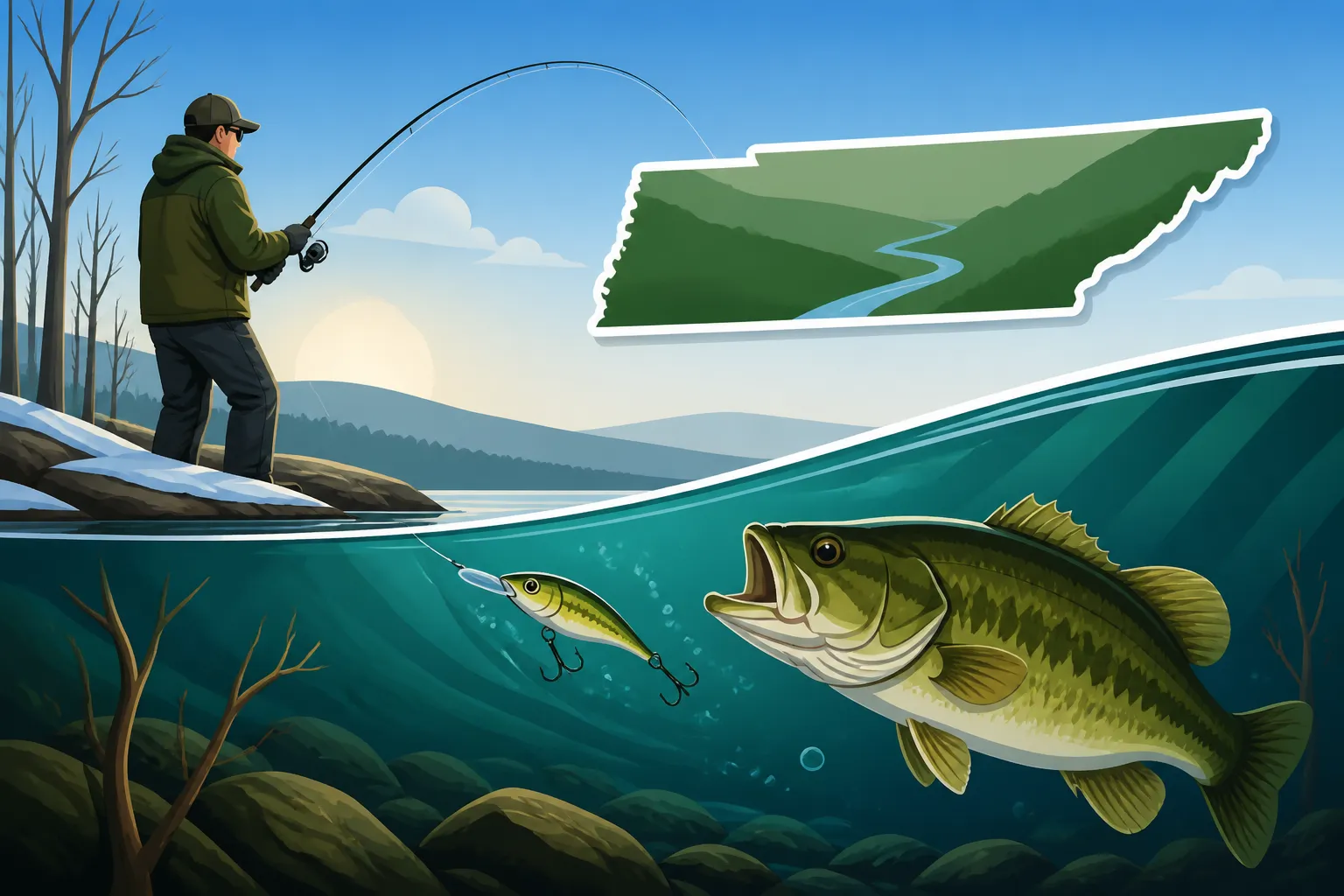
For bass, techniques like slow-rolling a spinnerbait right along the bottom, dragging a jig incredibly slowly, or employing suspending jerkbaits with incredibly long pauses (sometimes 10-20 seconds!) can be deadly. The suspending jerkbait, in particular, allows the lure to hang motionless in the water column, right in front of a finicky fish's face, daring it to strike. For crappie, vertical jigging directly into a brush pile or slowly trolling a minnow-tipped jig is effective. You're not trying to entice a chase; you're offering a convenient, easy snack. This takes a lot of mental discipline, as it often feels counter-intuitive to our natural instinct to "work" a lure.
Matching Bait to Mood
Beyond slowing down, the type, size, and even color of your bait play a significant role. Cold water generally means downsizing your offerings. A smaller profile bait is less intimidating to a sluggish fish and requires less effort to consume. Natural colors like greens, browns, and blacks tend to be more effective, mimicking the natural forage that might be moving slowly in the cold water. Clearer water, often associated with cold conditions, also calls for more subtle color choices.
When it comes to species, live bait can be a game-changer. For crappie, a small live minnow hooked through the lip, drifted slowly or presented vertically, is often irresistible. For trout, tiny nymphs or PowerBait can be excellent choices. For bass, soft plastics like small worms or creature baits rigged on a shaky head or Carolina rig can be slowly dragged along the bottom, giving off just enough subtle movement. Don't forget the power of scent, either. Many anglers will add scent to their artificial baits, giving that extra temptation for a fish that might otherwise just ignore it. Looking for specific bass bait ideas? Check out Best Lures for Pre-Spawn Bass Fishing.
Gear and Electronics for Early Spring Fishing
Having the right techniques is vital, but so is having the right tools for the job. Early spring fishing demands sensitivity and precision from your gear, and modern electronics can give you a massive advantage in locating those elusive cold-water fish.
Rods, Reels, and Line for Cold Conditions
Sensitivity is absolutely paramount when fishing in cold water. Fish bites can be incredibly subtle – sometimes it feels more like your line just got heavy than a distinct strike. A highly sensitive rod, typically made of graphite, is your best friend. A medium-light or medium action rod with a fast tip will allow you to feel those subtle taps and also give you enough backbone to set the hook.
For reels, smooth drag is always important, but particularly when dealing with lethargic fish that might not be hooked aggressively. A good spinning reel for lighter presentations or a baitcasting reel with excellent casting control for heavier jigs will serve you well. As for line, fluorocarbon is often the preferred choice for cold water. Its low stretch provides excellent sensitivity, allowing you to feel even the lightest bites. It's also virtually invisible underwater, which is a huge advantage in the clear water conditions often found in early spring. Braided line can be used as a main line with a fluorocarbon leader for maximum sensitivity, especially if you're fishing deeper. If you're targeting specific species, you might want to read Best Rods for Largemouth Bass for more tailored advice.
The Role of Fish Finders and Mapping
In early spring, fish are rarely scattered randomly. They are often congregated in specific areas, making a good fish finder and detailed mapping invaluable. Modern sonar units with side imaging and down imaging capabilities can literally show you underwater structure, brush piles, channel swings, and even individual fish arches that you might never find otherwise. Instead of blindly casting, you can pinpoint exactly where fish are holding.
Utilize your mapping features to identify contour lines, creek channels, and humps that drop into deeper water. These are the highways and neighborhoods where cold-water fish are likely to be found. Pay attention to temperature readouts, if your unit has them, to identify those subtle warmer pockets. Many experienced anglers spend more time idling and scanning with their electronics than actually fishing, especially in the cold, because finding the fish is half the battle. You can find some fantastic models on retailers like Amazon that offer impressive detail and functionality. For an overview of options, check out Best Fish Finders for Tennessee Lake Fishing.
Species-Specific Cold Water Strategies in Tennessee
While the general principles of slow and deliberate fishing apply across the board in cold water, each species has its own quirks and preferred haunts. Tailoring your approach to your target species will significantly increase your chances of success in Tennessee's early spring waters.
Cold Water Bass Fishing
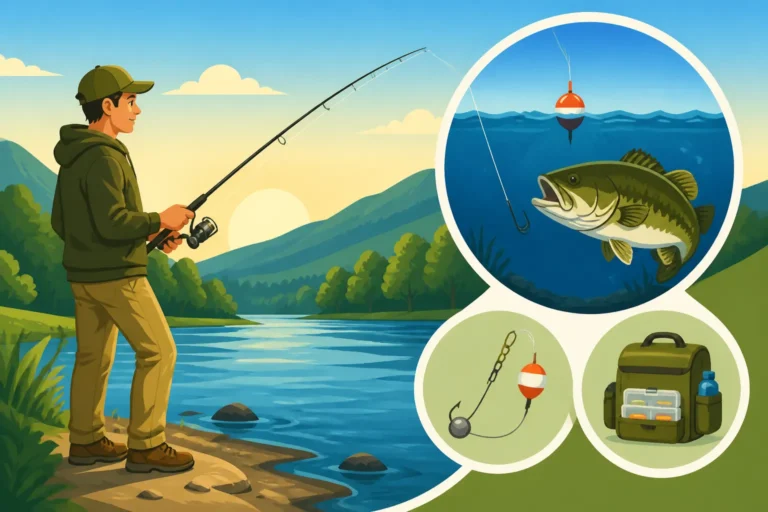
Bass in early spring are in a transition phase. They're starting to think about moving up for the spawn, but they're still largely tethered to deeper water and structure. Your best bets will often be main lake points, steep bluff walls, and channel swings that offer quick access to both shallow and deep water. These areas allow them to slide up onto a sunny flat for a few hours if conditions warm, then quickly retreat to deeper, more stable temperatures if a cold front pushes in.
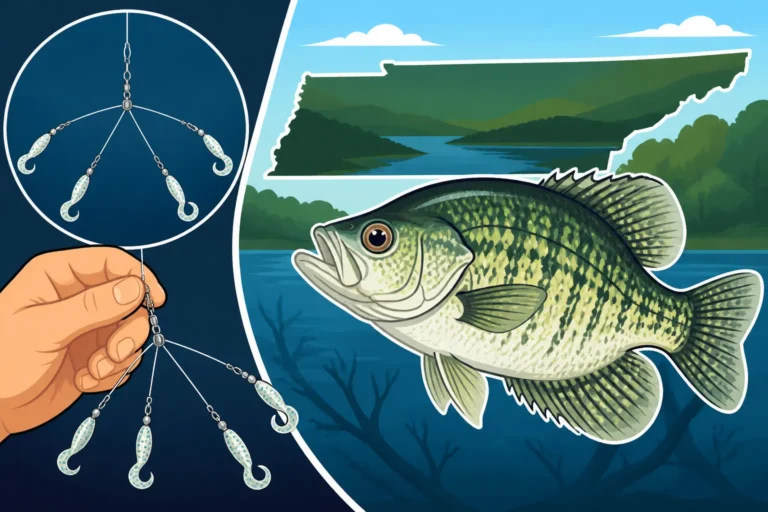
For lures, suspending jerkbaits are superstars in cold water. Cast them out, give them a few twitches, and then pause for an agonizingly long time – sometimes up to 20 seconds. This allows the bait to just hang there, mimicking a stunned baitfish. Jigs, especially football jigs or finesse jigs, are also excellent. Drag them slowly along the bottom, feeling for any subtle changes in composition or cover. Alabama rigs (A-rigs) can also be highly effective for tempting suspended bass, especially if you've marked schools of baitfish on your electronics. Remember, it's about putting the bait right in front of their nose and letting it sit there. Understanding Pre-Spawn Bass Fishing Timing on Tennessee's Percy Priest Lake can further refine your bass strategies.
Early Spring Crappie Tactics
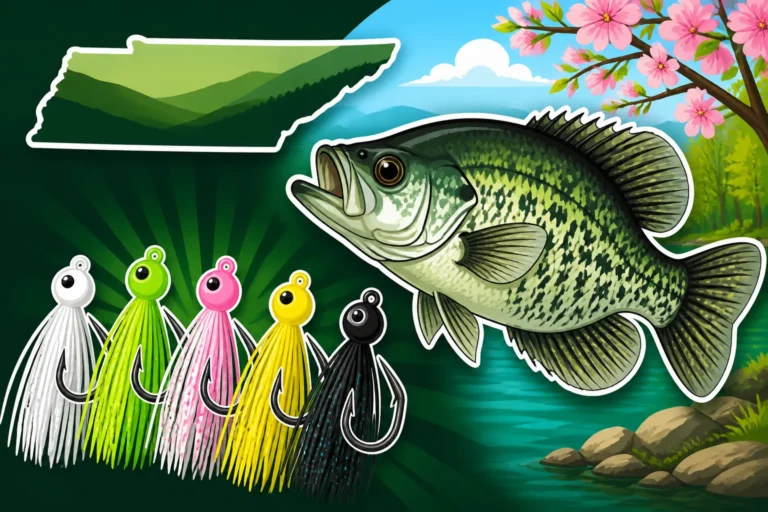
Crappie in cold water are often found congregating in dense schools around structure. Think brush piles, standing timber, deep docks, and bridge pilings. They'll hug these structures tightly, seeking cover and a stable environment. Your approach needs to be precise and vertical.
Vertical jigging is incredibly effective. Use small jigs (1/32 to 1/16 ounce) tipped with a tiny plastic grub or a live minnow. Drop your bait directly into the cover, watching your fish finder closely to see where the crappie are holding in the water column. Often, they'll be suspended at a specific depth, so finding that depth is key. Slow trolling with multiple rods, often called spider rigging, with minnows or jigs can also be very productive, allowing you to cover more water slowly around known crappie haunts. The bites will often be light, feeling like a spongy tap or simply extra weight on your line, so a sensitive rod is crucial. For more depth on this, exploring How to Catch Crappie in Cold Water will be beneficial, and How to Jig for Crappie in Shallow Water can offer alternative techniques.
Trout Fishing in Cold Tennessee Waters
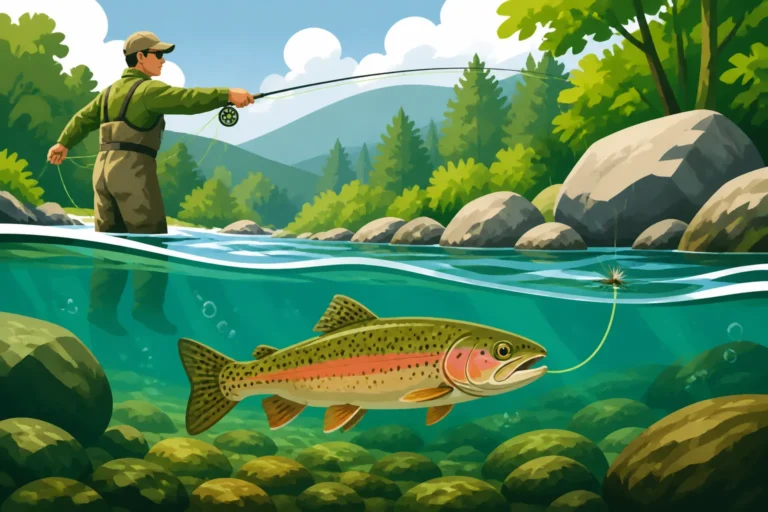
Tennessee's trout streams, particularly in the Smoky Mountains, can be absolutely gorgeous in early spring, but the water is often bone-chillingly cold. Trout, like other fish, will conserve energy. Instead of fighting heavy currents, they'll tuck into slower pools, eddies, and behind current breaks like large rocks or fallen logs. These spots offer them respite from the flow and often collect potential food items.
For techniques, nymphing is a go-to. Presenting small, weighted nymph patterns that drift naturally with the current is a highly effective way to mimic the aquatic insects that trout feed on. Small inline spinners, like Panther Martins or Rooster Tails, can also work if retrieved very slowly near the bottom of slower pools. For bait anglers, PowerBait or small pieces of corn can be effective, especially in heavily stocked areas. Remember to mend your line frequently to ensure a natural, drag-free drift. The less unnatural resistance your line puts on the bait, the more likely a wary trout is to strike. You can find a good selection of trout gear, including flies and lures, on platforms like Amazon. If you're keen on fly fishing specifically, Best Fly Patterns for Stocked Trout could provide some excellent insights.
Preparing for the Cold Water Experience
Beyond the techniques, a successful early spring cold water fishing trip in Tennessee also relies on adequate preparation. The conditions can be challenging, not just for the fish, but for you as the angler. Staying comfortable and safe is paramount.
Dressing for Success: Layering is Key
When you're out on the water in early spring, temperatures can fluctuate wildly throughout the day. A chilly morning might give way to a surprisingly warm afternoon, only to drop sharply again as the sun begins to set. The key here is layering. Start with a moisture-wicking base layer to keep sweat away from your skin. Add a warm insulating layer, like fleece or wool, and then a waterproof and windproof outer shell. Having hats, gloves, and warm, waterproof boots are non-negotiable. It's always better to have too many layers you can shed than not enough when the wind picks up or a cold rain starts to fall. Remember, shivering uncontrollably will make it impossible to focus on those subtle bites.
Safety First: Cold Water Hazards
Cold water itself presents significant safety risks. Even on a relatively warm day, a fall into frigid water can quickly lead to hypothermia. Always wear a life jacket, even if you're a strong swimmer. Modern life jackets are much more comfortable and less cumbersome than older models, making them easy to wear all day. Let someone know where you're going and when you expect to return, especially if you're venturing out alone. Keep a change of clothes in a dry bag, and consider carrying an emergency blanket. If boating, make sure all your safety gear is up to snuff. Being prepared isn't just about catching fish; it's about getting home safely.
| Species | Preferred Cold Water Temp Range (Approx.) | Key Early Spring Locations | Recommended Cold Water Lures/Baits |
|---|---|---|---|
| Largemouth Bass | 45-55°F | Main lake points, deep docks, channel swings, bluff walls, rocky transitions | Suspending jerkbaits, jigs (football, finesse), A-rigs, slow-rolled spinnerbaits |
| Smallmouth Bass | 40-55°F | Rock piles, gravel flats, main lake points, current breaks, deep humps | Jigs, tubes, hair jigs, blade baits, suspending jerkbaits |
| Crappie | 40-55°F | Brush piles, standing timber, deep docks, bridge pilings, creek channels, cypress trees | Small jigs (1/32-1/16 oz), live minnows, micro tubes, hair jigs |
| Rainbow Trout | 38-55°F | Slower pools, eddies, current breaks, deep runs, undercut banks | Nymph patterns, small inline spinners, PowerBait, salmon eggs, small spoons |
| Brown Trout | 38-55°F | Deeper pools, log jams, rock pockets, undercut banks | Nymphs, streamers, small crankbaits, spoons, live worms |
Fishing in early spring cold water in Tennessee can be challenging, but it's also incredibly rewarding when you crack the code. By understanding fish behavior, slowing down your presentations, choosing the right baits, utilizing your electronics, and preparing yourself for the elements, you can turn a tough day into a successful and memorable outing. The patience required often builds a deeper appreciation for the sport and the subtle intricacies of the underwater world.
Disclaimer
This article is for general informational purposes only and does not constitute professional advice. Laws, prices and regulations vary by location and change over time. Consult a qualified professional for guidance on your specific situation.