Best Tackle for Fishing Kentucky Lake Crappie
Anglers hitting Kentucky Lake for crappie often find themselves staring at a dizzying array of gear, wondering what truly makes a difference in hooking those elusive panfish. The frustration is real when you feel under-equipped or simply overwhelmed by choices, leading to missed bites and less productive days. This comprehensive guide will strip away the guesswork, providing you with a clear roadmap to the best tackle for fishing Kentucky Lake crappie, ensuring your next trip is both successful and enjoyable.
Understanding Kentucky Lake Crappie and Their Habitat
Before you even start thinking about specific rods or lures, it’s absolutely vital to grasp the unique world of crappie in Kentucky Lake. This isn't just a pond; it's a massive, diverse fishery, and crappie behavior is deeply tied to its specific characteristics. If you don't know where they live or what they're doing, even the most expensive tackle will be an exercise in futility. Taking the time to understand their environment is the first, most crucial step in cracking the code.
Kentucky Lake's Unique Crappie Landscape
Kentucky Lake is a legendary crappie fishery for good reason, but its sheer scale can be daunting. You're not just casting into open water; you're often targeting specific structures in vast areas. The lake's crappie thrive around a myriad of submerged features: the old river channel of the Tennessee River provides deep contours and stable environments, especially in winter. These natural features act like underwater highways and neighborhoods for crappie, guiding their movements and feeding patterns. Knowing the general layout of these deep-water havens helps you focus your efforts and select tackle suitable for deeper presentations.
Beyond natural structure, Kentucky Lake is also rich with man-made cover. Think countless submerged brush piles, old roadbeds, bridge pilings, and even flooded timber from when the lake was initially formed. These spots are absolute magnets for crappie, offering them shelter from current and predators, as well as prime ambush points for baitfish. Many local experts invest significant time in finding and even building these brush piles. While you might not be creating your own, recognizing their importance means you'll prioritize tackle that can effectively work these tight, snag-filled areas without constantly getting hung up.
Seasonal Crappie Behavior on Kentucky Lake
Crappie on Kentucky Lake don't just stay in one place all year; their habits are dictated by the changing seasons and, more importantly, water temperature. This means your tackle strategy needs to be dynamic. In the early spring, as the water begins to warm, crappie undertake their migration into shallower coves and creek arms for the spawn. During this time, they're often aggressive and can be found near visible cover like docks, fallen trees, or emergent vegetation. Lighter jigs, small minnows under bobbers, and subtle presentations shine in these shallow water scenarios. For a deeper dive into timing, you might find Spring Crappie Spawn Timing in Tennessee helpful.
As the brutal summer heat sets in, crappie retreat to deeper, cooler, and more oxygenated waters. You'll find them suspending over deep brush piles, along channel ledges, or near thermoclines. This calls for tactics like vertical jigging, spider rigging with multiple rods, or even trolling deep-diving crankbaits to cover larger areas. Fall brings a renewed feeding frenzy as crappie fatten up for winter, often following schools of baitfish into creek mouths and bays. Finally, winter sees them huddled in the deepest parts of the main lake channels, requiring patience and very subtle presentations. Adapting your tackle to these seasonal shifts isn't just smart, it's essential.
Identifying Crappie Hotspots
Finding crappie on a sprawling lake like Kentucky Lake often feels like searching for a needle in a haystack, but there are definite patterns and indicators. The first step is always to look for distinct changes in depth, especially where shallow flats suddenly drop off into deeper channels. These transition zones are prime ambush points. Submerged timber and brush piles, as mentioned, are crappie condos. If your sonar lights up with "trees" or dense cover, crappie are likely nearby. Likewise, if you mark schools of baitfish, the crappie often won't be far behind.
While finding fish visually is key, leveraging local knowledge and reliable intel can dramatically shorten your search. Chat with bait shop owners, consult online fishing reports, or join local fishing forums to get an idea of where fish are currently biting. Many areas around the Paris Landing or Big Sandy sections of Kentucky Lake are historically productive. Furthermore, the Tennessee Wildlife Resources Agency (TWRA) often maintains and places crappie attractors (man-made brush piles) which are fantastic fish producers. These spots are sometimes marked, or their coordinates might be shared by local anglers. The more information you gather and cross-reference with your electronics, the more effectively you can deploy your carefully chosen tackle.
Essential Rods and Reels for Kentucky Lake Crappie
Once you understand the "where," it's time to focus on the "how." Your rod and reel are the primary tools that connect you to the crappie, and having the right setup can make the difference between a frustrating day and a fantastic haul. Crappie have soft mouths and often give subtle bites, so sensitivity, a forgiving action, and smooth operation are key.
Rod Types for Different Techniques
Crappie fishing isn't a one-rod-fits-all sport, particularly on a lake as varied as Kentucky Lake. If you're employing a technique like "spider rigging," where you use multiple rods spread out from the boat to cover a wide area, you'll want longer rods, typically 10 to 16 feet. These rods allow you to keep your baits separated and present them at varying depths simultaneously. They generally have a moderate action, providing a good bend without being too stiff, which helps absorb the fight of the crappie and prevents hooks from tearing out. You’ll find excellent selections of these specialized crappie trolling rods at large outdoor retailers like Bass Pro Shops.
For single-pole jigging, whether you're casting small jigs or dropping them vertically into cover, a shorter, more sensitive rod is preferable. Look for rods in the 5.5 to 7-foot range with a light or ultra-light action. This sensitivity is paramount for feeling the often imperceptible "thump" of a crappie bite. Imagine fishing with a tiny 1/32 oz jig; a stiff, heavy rod simply won't transmit that subtle vibration. For casting, a fast tip helps with accurate presentations. And if you're trolling with a single rod or two, a medium-light action rod around 7-8 feet can offer a good balance of backbone and sensitivity. Each method benefits from a specialized rod, allowing you to maximize your efficiency for each scenario.
Selecting the Right Reel
When it comes to reels for crappie fishing on Kentucky Lake, simplicity and smoothness often trump brute strength. Small spinning reels, typically in the 1000 to 2000 size range, are the favored choice. They excel with light lines and small lures, preventing line twist and allowing for effortless casting. A smooth drag system is absolutely non-negotiable; crappie have soft mouths, and a sticky or jerky drag will lead to pulled hooks and lost fish. You want a drag that gives line out fluidly under pressure, protecting your light line.
You don't need a high-speed retrieve reel for crappie, but a decent gear ratio can be helpful for quickly reeling in slack or retrieving your lure to check bait. Lightweight reels that balance well with your sensitive crappie rod are also important, as you'll be holding and maneuvering this setup for hours. While top-of-the-line reels can be pricey, many mid-range spinning reels offer fantastic performance and durability for crappie fishing. Online platforms like Amazon often feature a wide array of reliable spinning reels that fit the bill, so do your research and check user reviews before purchasing.
Line Choices for Crappie Fishing
Your fishing line is the unsung hero of your crappie tackle setup, being the direct connection to the fish. For all-around crappie fishing on Kentucky Lake, 4 to 6-pound test monofilament line is an excellent starting point. Mono offers a good amount of stretch, which acts as a shock absorber against sudden head shakes, preventing hooks from tearing free. It's also relatively inexpensive, easy to tie, and forgiving for beginners. While it can be slightly more visible underwater than other lines, crappie generally aren't overly line-shy, especially in stained water.
However, for anglers seeking maximum sensitivity, braided line has become increasingly popular. Braided line has virtually no stretch, meaning you'll feel every bump, tic, and subtle bite, even in deep water or when casting a long distance. Its thin diameter also aids in casting and reduces water resistance. If you opt for braid, always use a fluorocarbon leader (typically 4-6 lb test, 18-36 inches long) tied to the end of your main line. Fluorocarbon is almost invisible underwater and offers excellent abrasion resistance against submerged timber and brush. The only caveat with braid is that its lack of stretch means you need to be gentler on the hookset and use a rod with a more forgiving action to compensate for the crappie's soft mouth. Having both options in your tackle box allows you to adapt to water clarity and crappie mood. For specific advice on cold water conditions, consider reading How to Catch Crappie in Cold Water.
| Rod Type | Length Range (Feet) | Action | Ideal Technique | Recommended Line Test (Lbs) | Key Advantage |
|---|---|---|---|---|---|
| Spinning Rod | 5.5 – 7 | Light/Ultralight | Single-Pole Jigging, Casting | 4 – 6 | Sensitivity |
| Spider Rigging Rod | 10 – 16 | Moderate | Trolling, Multiple Lines | 6 – 10 | Spread, Coverage |
| Trolling Rod | 7 – 8 | Medium-Light | Trolling, Boat Control | 6 – 8 | Balance, Backbone |
The Best Lures and Baits for Kentucky Lake Crappie
Even with the perfect rod and reel, your efforts will be in vain if you're not presenting something appealing to the crappie. On Kentucky Lake, these fish can be notoriously finicky, changing their preferences from one day to the next. A well-stocked tackle box with a variety of proven lures and baits is your best defense against empty livewells.
Jigs: The Crappie Angler's Staple
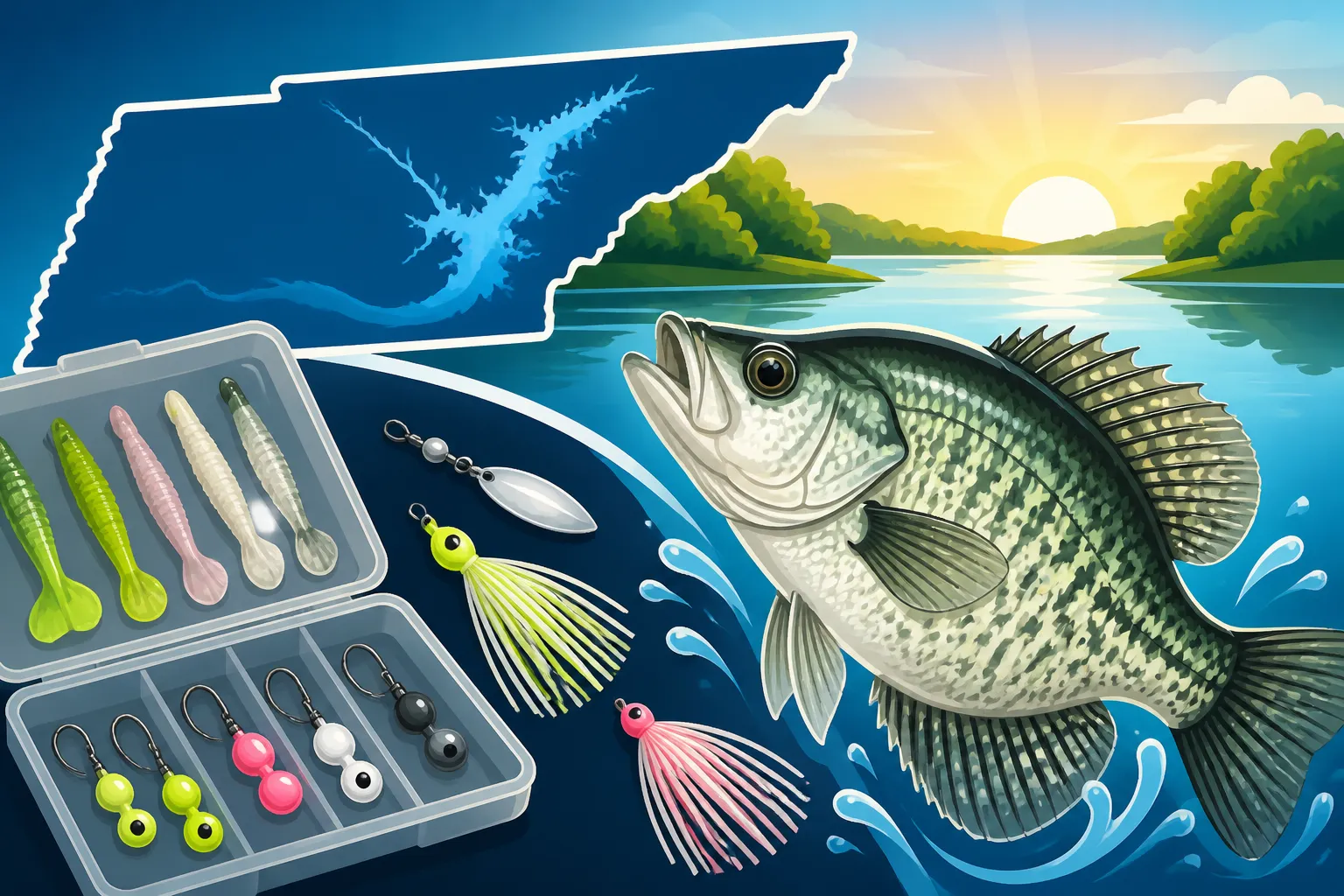
When you talk about artificial lures for crappie, jigs are in a league of their own. The sheer variety can be overwhelming, but on Kentucky Lake, certain types and sizes consistently produce. Small soft plastic body jigs, such as tube jigs, grub tails, and tiny minnow imitations, are incredibly effective. The most common sizes range from 1/32 oz to 1/8 oz, with the 1/16 oz jig often being the universal sweet spot. Color selection is critical: chartreuse, white, black, silver, and combinations thereof (like black and chartreuse or clear with glitter) are perennial favorites, mimicking various baitfish or invertebrates crappie feed on.
The jig head itself is also important. A simple ball head jig is versatile, but sometimes a stand-up head that keeps the plastic off the bottom, or an unpainted lead head for a more natural look, can make a difference. Ensure your hook size (usually #2 or #4 for crappie) is appropriate for the plastic you're using. When working a jig, subtle action is key: slow retrieves with tiny twitches, or simply letting it hang motionless in the strike zone, are often more effective than aggressive movements. Reputable retailers like Bass Pro Shops dedicate entire aisles to the vast world of crappie jigs, giving you ample choices to experiment with. For more in-depth jigging techniques, you can explore How to Jig for Crappie.
Live Bait: Always a Winner for Crappie
While the challenge of catching crappie on artificial lures is deeply satisfying, there are times when nothing, and I mean nothing, beats live bait. Small minnows are the undisputed champion for crappie on Kentucky Lake, especially when the fish are less aggressive or during colder water periods. A lively minnow, hooked carefully through the lips or just behind the dorsal fin, presented under a bobber or on a tight-line rig, is often irresistible. The natural movement and scent provide an advantage that artificials sometimes struggle to replicate. You'll find plenty of local bait shops around Kentucky Lake that sell minnows, so make sure to grab a few dozen before heading out.
The key to success with minnows is keeping them alive and active. An aerated bait bucket or a boat's livewell is a must-have to ensure your minnows stay frisky throughout the day. When crappie are suspended in deep water, a simple minnow on a small hook, weighted with a split shot or tiny jig head, can be deadly when dropped directly into a school marked on your electronics. While minnows are the primary choice, don't rule out other options like small worms or even crickets, which can also attract crappie and other panfish species in the area. Always have live bait as a backup plan, especially on tough fishing days.
Other Effective Lures
Beyond the staple jigs and live minnows, there are other lures that can effectively put Kentucky Lake crappie in the boat. Small crankbaits, particularly those designed to run at shallow to medium depths (4-10 feet), can be highly effective, especially when trolling to cover a lot of water. Look for models in natural baitfish colors, or brighter patterns like firetiger in stained water. The vibration and flash of a crankbait can trigger reaction strikes from active crappie, particularly in the spring and fall when they are more aggressive.
Small spinnerbaits, often referred to as "road runner" style jigs with an attached spinner blade, also have their place. The combination of flash and vibration can be particularly effective in cloudy water or on overcast days, mimicking a fleeing baitfish. These are best retrieved slowly around cover. Lastly, tiny spoons, jigged vertically, can be surprisingly effective for crappie holding deep, especially if they are feeding on schooling shad. The reflective flutter as the spoon drops can perfectly imitate a wounded baitfish. Having a diverse tackle box, which you can easily assemble with items purchased from online retailers like Amazon, ensures you're prepared for whatever mood the crappie are in.
Accessory Gear to Boost Your Kentucky Lake Crappie Success
Having the right rod, reel, and lures is foundational, but the often-overlooked accessory gear can significantly elevate your crappie fishing experience on Kentucky Lake. These items aren't just luxuries; they are tools that enhance efficiency, comfort, and safety, leading to more productive and enjoyable days on the water.
Electronics and Navigation Aids
On a lake as vast and complex as Kentucky Lake, good electronics are not just helpful; they are absolutely essential. A high-quality fish finder, equipped with features like down imaging and side imaging, is critical for locating the submerged timber, brush piles, old creek beds, and channel ledges where crappie congregate. Without being able to "see" these underwater structures and the fish holding to them, you're essentially fishing blind. Investing in a modern unit will pay dividends by cutting down unproductive search time and putting your bait directly in front of the fish. Check out Best Fish Finders for Tennessee Reservoir Fishing for guidance on selecting the right one.
Integrated GPS functionality, commonly found in most modern fish finders, is equally important. This allows you to precisely mark every productive spot you find—each brush pile, each underwater hump, each deep-water school. Being able to navigate back to these exact locations later means you're building a valuable personal fishing map that grows with every trip. It also prevents you from getting disoriented in large creek arms or unfamiliar sections of the lake. Trust me, having that digital breadcrumb trail is a game-changer when you hit a hot spot.
Storage and Organization Solutions
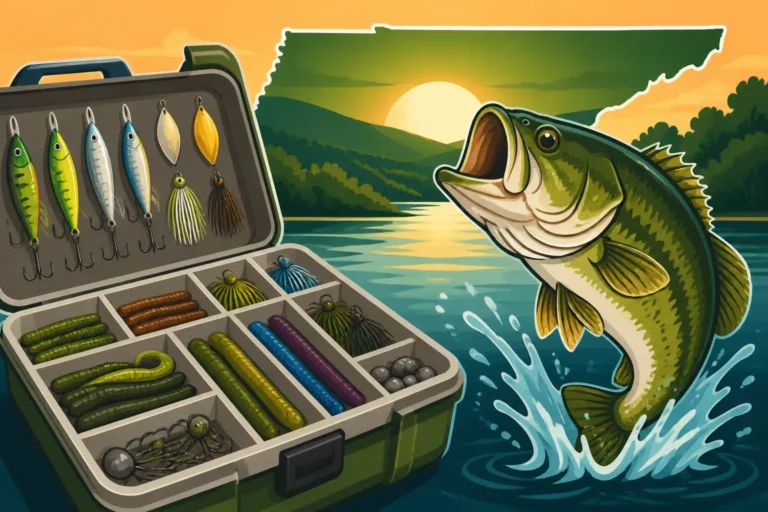
A cluttered boat deck or a disorganized tackle bag is a recipe for frustration, especially when you need to quickly change lures or re-tie. Crappie fishing often involves a wide variety of small jigs, soft plastics, and terminal tackle, so smart storage is key. Clear utility boxes with adjustable dividers are fantastic for keeping your jigs separated by color, size, and style. Dedicated crappie jig boxes, often with foam inserts, can protect those tiny jig heads and prevent hooks from getting tangled.
Consider a durable tackle bag that can hold several of these utility boxes. This allows you to pull out specific boxes tailored to current conditions or techniques, rather than rummaging through a single, heavy bag. For live minnows, an aerated livewell or a portable aerated minnow bucket is non-negotiable for keeping your bait lively and effective. Additionally, make sure you have essential tools like fishing pliers, line cutters, and a measuring board easily accessible. The more organized you are, the less time you spend searching and the more time you spend with your line in the water.
Comfort and Safety Gear
Fishing should be enjoyable, and discomfort can quickly sour a trip, especially during long hours on Kentucky Lake. Prioritizing comfort means having a comfortable boat seat, adequate sun protection (hats, sunglasses, long-sleeved shirts, sunscreen), and plenty of hydration. Staying comfortable allows you to remain focused and persistent, which often leads to more bites.
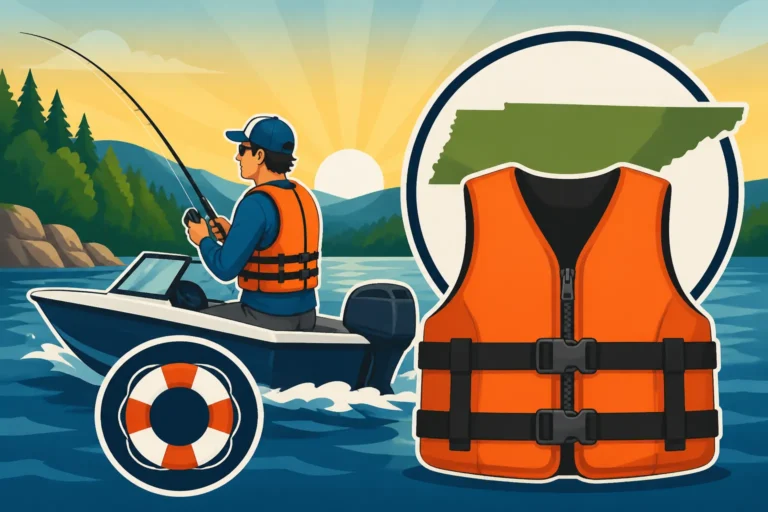
Safety, however, is paramount. Always ensure you have enough U.S. Coast Guard-approved life jackets for everyone on board, and that they are readily accessible. Accidents can happen quickly and unexpectedly, regardless of your swimming ability. A well-stocked first-aid kit, a fully charged cell phone, and a means of signaling for help (like a whistle or air horn) are basic safety requirements. If you plan on any night fishing for crappie, verify that your boat's navigation lights are fully functional. Being prepared for emergencies provides peace of mind, allowing you to fully concentrate on the fishing experience. You can find more detailed safety information by reviewing Life Jacket Rules for Kayaks and Canoes in Tennessee and Essential Safety Gear Checklist Before a Tennessee Fishing Trip. Don't forget a good quality fishing net with a rubberized, fish-friendly mesh, which helps you safely land crappie and avoid lure tangles.
Disclaimer
This article is for general informational purposes only and does not constitute professional advice. Laws, prices and regulations vary by location and change over time. Consult a qualified professional for guidance on your specific situation.