Best First Aid Kits for Tennessee Boat Anglers
There's nothing quite like a peaceful day out on the water in Tennessee, casting a line and soaking up the sun. But let's be real, even on the calmest days, unexpected bumps, scrapes, and minor emergencies can happen, especially when you're far from shore. This guide is all about giving you the peace of mind that comes with being prepared, walking you through everything you need to know to assemble the best first aid kit for your Tennessee boating adventures, ensuring you're ready for anything from a pesky hook prick to a bad sunburn.
Why a Specialized First Aid Kit is Crucial for Tennessee Boaters
When you're out on the vast expanses of a reservoir like Chickamauga Lake or navigating the winding currents of the Cumberland River, you're not just steps away from your bathroom medicine cabinet. The unique environment of a boat, combined with the activities of fishing, presents a specific set of risks that demand more than just a few band-aids. Thinking ahead about what could go wrong, and having the right tools to fix it, is a non-negotiable part of responsible angling.
The Unique Risks of On-Water Emergencies
Picture this: you're trying to land a feisty smallmouth bass on Dale Hollow Lake, the deck is a little slick from morning dew, and suddenly, you slip. Or perhaps you're rigging up a new lure, and a treble hook decides to embed itself a little too deeply in your finger. These aren't just minor inconveniences; on a boat, they can quickly escalate. We're talking about cuts from sharp knives or fish fins, punctures from hooks, severe sunburn from hours under the intense Tennessee sun, and even dehydration if you forget to properly hydrate. Beyond the obvious fishing-related hazards, there are also general boating risks: minor burns from engine parts, scrapes from docking, or even allergic reactions to insects you encounter along the shore of a remote fishing spot. The rocking motion of the boat itself can exacerbate injuries, turning a simple cut into something that needs immediate and steady attention. Without the right supplies, a small incident can turn into a big problem, potentially cutting your day short or, worse, leading to a more serious medical issue.
Far from Shore: Delayed Medical Response
One of the biggest differences between an accident at home and an accident on the water is the proximity to professional medical help. When you're out on Kentucky Lake, many miles from the nearest town, calling 911 isn't going to get an ambulance to your side in minutes. Emergency services on the water often involve boat patrols, which take time to reach you, especially in remote areas or during peak season when they're stretched thin. This delay means you, or someone on your boat, might be the first, and perhaps only, responder for a critical period. Having a well-stocked and accessible first aid kit allows you to stabilize the situation, prevent further injury, and manage pain while you wait for help to arrive or make your way back to a boat ramp. It’s about buying precious time and preventing a minor issue from becoming a major medical emergency. Think about the peace of mind knowing you can clean a deep cut properly to avoid infection or treat a severe allergic reaction before it becomes life-threatening. This self-reliance is an essential part of the Essential Safety Gear Checklist Before a Tennessee Fishing Trip.
Essential Components for Your Boat's First Aid Kit
Building out a robust first aid kit for your boat means thinking beyond the basics. It requires a thoughtful selection of items that cater specifically to the types of injuries and conditions you're most likely to encounter while fishing and boating in Tennessee.
Basic Wound Care and Infection Prevention
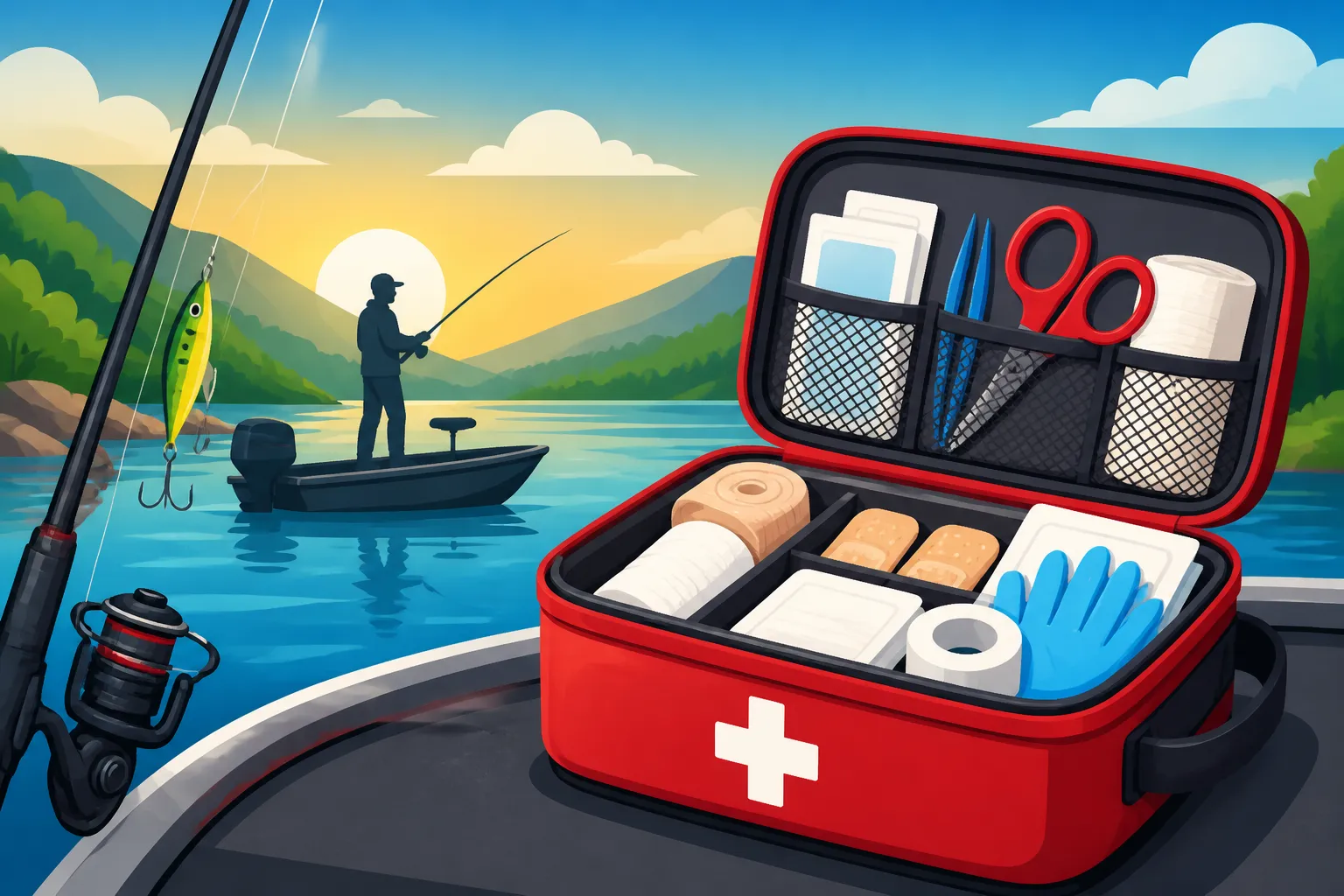
This is the bread and butter of any first aid kit. When you're dealing with sharp hooks, fish teeth, and potentially dirty water, preventing infection is paramount. Your kit should include a variety of bandages: adhesive strips in different sizes, gauze pads (sterile, 2×2 and 4×4 inches), and rolled gauze for wrapping larger injuries. Don't forget adhesive tape to secure the gauze. Antiseptic wipes or a small bottle of antiseptic solution like rubbing alcohol or povidone-iodine are critical for cleaning wounds thoroughly. A tube of antibiotic ointment should also be on hand to apply after cleaning, offering an extra layer of protection against bacteria. Sterile gloves are a must, not just for protecting yourself from bloodborne pathogens, but also for keeping a wound clean while you're treating it. Having a small, clean pair of blunt-tipped scissors will be useful for cutting gauze or tape. It’s a good idea to refresh these items regularly, especially after any use, and check expiration dates.
Addressing Common Angling Injuries
Anglers face a specific set of hazards that demand specialized items in their first aid kit.
The most iconic angling injury has to be the embedded fish hook. For this, you absolutely need a good pair of needle-nose pliers or specialized hook removers. Knowing how to properly remove a hook, whether by pushing it through or the "snip and pull" method, is a valuable skill. If a hook gets stuck deep, you might need a small wire cutter to snip the barb. Sunburn is another constant threat during long days on the water. Include a broad-spectrum sunscreen with a high SPF, and soothing aloe vera gel for after-sun care. Bug bites are inevitable, especially near marshy areas or if you're fishing in the evenings for crappie or catfish. Anti-itch cream, like hydrocortisone or calamine lotion, can provide significant relief. For minor sprains or strains from slippery decks or lifting heavy coolers, instant cold packs are invaluable for reducing swelling and pain. Consider also adding some blister treatment, as new boots or increased activity can lead to uncomfortable foot issues.
Here's a quick reference table for essential items:
| Category | Item | Purpose |
|---|---|---|
| Wound Care | Adhesive Bandages (assorted) | Cuts, scrapes, minor punctures |
| Sterile Gauze Pads (2×2, 4×4) | Covering larger wounds, absorbing blood | |
| Rolled Gauze & Adhesive Tape | Securing dressings, wrapping sprains | |
| Antiseptic Wipes/Solution | Cleaning wounds, preventing infection | |
| Antibiotic Ointment | Topical infection prevention | |
| Sterile Gloves | Protecting wounds and caregiver | |
| Small Scissors | Cutting gauze, tape, clothing | |
| Angling Specific | Needle-Nose Pliers/Hook Remover | Removing embedded fish hooks |
| Wire Cutter (small) | Snipping hook barbs for easier removal | |
| Sunscreen (high SPF) | Preventing sunburn | |
| Aloe Vera Gel | Soothing sunburn | |
| Anti-itch Cream (hydrocortisone) | Relieving insect bites, mild rashes | |
| Instant Cold Packs | Reducing swelling from sprains/strains | |
| Medications/Personal | Pain Relievers (ibuprofen/acet.) | Headaches, minor aches, sprains |
| Antihistamine (non-drowsy) | Allergic reactions (mild), insect stings | |
| Any Personal Medications | Prescription meds, epi-pen (if needed) | |
| Tweezers | Splinters, small debris removal | |
| Miscellaneous | Emergency Blanket | Hypothermia, shock |
| Small Flashlight | Low-light situations, inspecting wounds | |
| Whistle | Signaling for help | |
| Waterproof Container | Keeping kit contents dry |
Medications and Personal Needs
Beyond the external treatments, your kit should contain some internal relief and address personal medical needs. Over-the-counter pain relievers, such as ibuprofen or acetaminophen, are fantastic for headaches, muscle aches, or general discomfort from a long day battling the elements or even a small sprain. Non-drowsy antihistamines are crucial for treating mild allergic reactions, whether it's from a plant you brushed against, a bee sting, or an unknown allergen. If anyone on your boat has severe allergies (like to bee stings), an EpiPen should be readily available and its location known to everyone. Similarly, if you or a regular fishing buddy have any prescription medications that are essential (e.g., for asthma, diabetes, heart conditions), a small, clearly labeled supply should be stored in the first aid kit. Always remember to check expiration dates on all medications and replace them as needed. Don't forget a small pair of tweezers for removing splinters or ticks, which are definitely a concern in many of Tennessee's natural areas.
Choosing the Right Kit: Pre-Packed vs. DIY
Deciding between a pre-packed first aid kit and building your own can feel like a dilemma, but each option has its merits. The "right" choice often depends on your level of comfort, specific needs, and how often you're out on the water.
Benefits and Drawbacks of Pre-Packed Kits
Pre-packed first aid kits are wonderfully convenient. You can grab one off the shelf at a place like Bass Pro Shops or order one online from Amazon, and most of the essential items are already there, organized in a tidy case. They are often designed to meet basic safety standards, and some are even specifically marketed for marine or outdoor use, meaning they come in water-resistant or waterproof containers. This convenience is a huge plus for busy anglers who might not have the time or expertise to meticulously gather individual supplies. Many kits offer a good foundational assortment for common injuries.
However, pre-packed kits aren't always a perfect fit. Their main drawback is a lack of customization. They might contain items you don't need, or, more importantly, they might omit critical items specific to your angling habits or the unique medical needs of your crew. For example, a generic kit might not include specialized hook removers or enough sun-specific treatments for a full day of Best Fishing Lakes in Tennessee in the summer. The quality of components can also vary significantly between brands, and some may include cheaper, less effective versions of crucial supplies. While a good starting point, a pre-packed kit might still require supplementing to be truly comprehensive for a serious Tennessee boat angler.
Building Your Own Custom Boat Kit
For many seasoned anglers, building a DIY first aid kit is the preferred route. This approach allows for complete customization, ensuring every item serves a specific purpose for your typical fishing trips and the individuals on board. You can select higher-quality bandages, more effective antiseptic, and specific tools like a high-grade hook remover that you know works. Start with a durable, waterproof container – a dry box or a marine-specific first aid bag is ideal for protecting contents from spray, rain, and humidity on the boat. You can find excellent waterproof cases at many outdoor retailers, including Bass Pro Shops, that are designed to float if they go overboard.
Then, systematically go through the categories we discussed: wound care, angling-specific needs, and medications. Consider the types of fish you target (e.g., catfish with their sharp spines) and the conditions you often fish in. If you often fish remote streams for trout, you might prioritize different items than someone trolling for striped bass on Norris Lake. You'll likely save money in the long run by buying items in bulk or larger quantities than what comes in a small pre-packed kit. This approach also allows you to include personal medications for yourself or regular guests, which is something a generic kit will never do. You can also research and purchase specific brands of products you trust, ensuring everything in your kit is top-notch.
Maintaining and Storing Your Kit on Board
Once you have your kit assembled, maintenance and proper storage are key to its effectiveness.
Storage: Your first aid kit needs to be stored in a location that is easily accessible but also protected. Avoid direct sunlight, which can degrade medications and adhesives. A dry, clearly marked compartment in your boat, perhaps under a seat or in a storage locker, is usually ideal. Make sure everyone who regularly fishes with you knows where it is located. For quick access, some anglers keep a smaller, basic "grab-and-go" pouch with essential items (bandages, antiseptic, hook remover) closer at hand, and the main kit stowed securely.
Maintenance: Periodically (at least once or twice a year, or after any significant use) conduct a thorough review of your kit.
- Check expiration dates: Medications, antiseptic wipes, and even sterile gauze can expire. Replace anything past its prime.
- Replenish used items: Don't wait until your next trip to replace that last bandage or tube of antibiotic ointment.
- Assess condition: Ensure waterproof containers are still sealed, and contents haven't become damp or damaged.
- Review needs: As your fishing habits change, or if new people join your crew, their medical needs or potential injuries might dictate adding or removing items.
- Temperature control: On scorching summer days, consider moving sensitive medications to a cooler if possible, to prevent them from losing efficacy.
A well-maintained and properly stored kit means you'll never be caught unprepared, allowing you to focus on the joy of fishing rather than worrying about safety.
Advanced Considerations for Serious Anglers
For those who spend significant time on Tennessee's waters, especially in larger, more remote areas, or those who bring children along, going beyond the basic first aid kit is a wise investment in safety.
Emergency Communication and Signaling
A first aid kit is for treating injuries, but sometimes you need to call for help. Your boat should always have reliable ways to communicate, especially if you're venturing out on major waterways like the Tennessee River or Watts Bar Lake where cell service can be spotty. A marine-band VHF radio is a fantastic asset, allowing you to communicate with other boats and rescue services. Even a reliable cell phone in a waterproof case is essential, but don't rely on it as your sole means of communication. Consider a personal locator beacon (PLB) or a satellite messenger for truly remote trips – these devices can send your exact location to emergency responders even without cell service. A whistle, a signal mirror, and flares are simple, low-tech, but incredibly effective signaling devices, especially if your boat breaks down or you encounter a more serious emergency. Knowing the Tennessee Boating Safety Education Certificate Guide will also prepare you for general safety protocols.
Training and Preparedness
Having a first aid kit is only half the battle; knowing how to use it is the other, equally important, half. Consider taking a basic first aid and CPR course. Organizations like the American Red Cross offer courses that can teach you vital skills like how to stop bleeding, treat shock, perform CPR, and deal with choking, which are all highly relevant to on-water emergencies. Knowing these techniques can make a life-or-death difference. Furthermore, if you regularly have children on board, understanding basic pediatric first aid can be invaluable, especially concerning rules like Tennessee's Under-12 Life Jacket Rule Explained.
Beyond formal training, simply familiarizing yourself with your kit's contents and how to use each item is a form of preparedness. Practice removing a fish hook from a piece of cardboard or properly bandaging a simulated wound. Regularly reviewing emergency procedures, like what to do if someone falls overboard or if your boat starts taking on water, will engrain these critical responses. This level of preparedness, combined with a comprehensive first aid kit, transforms you from a recreational angler into a truly responsible and self-sufficient boater, ready for anything the beautiful, yet sometimes unpredictable, waters of Tennessee might throw your way.
Disclaimer
This article is for general informational purposes only and does not constitute professional advice. Laws, prices and regulations vary by location and change over time. Consult a qualified professional for guidance on your specific situation.