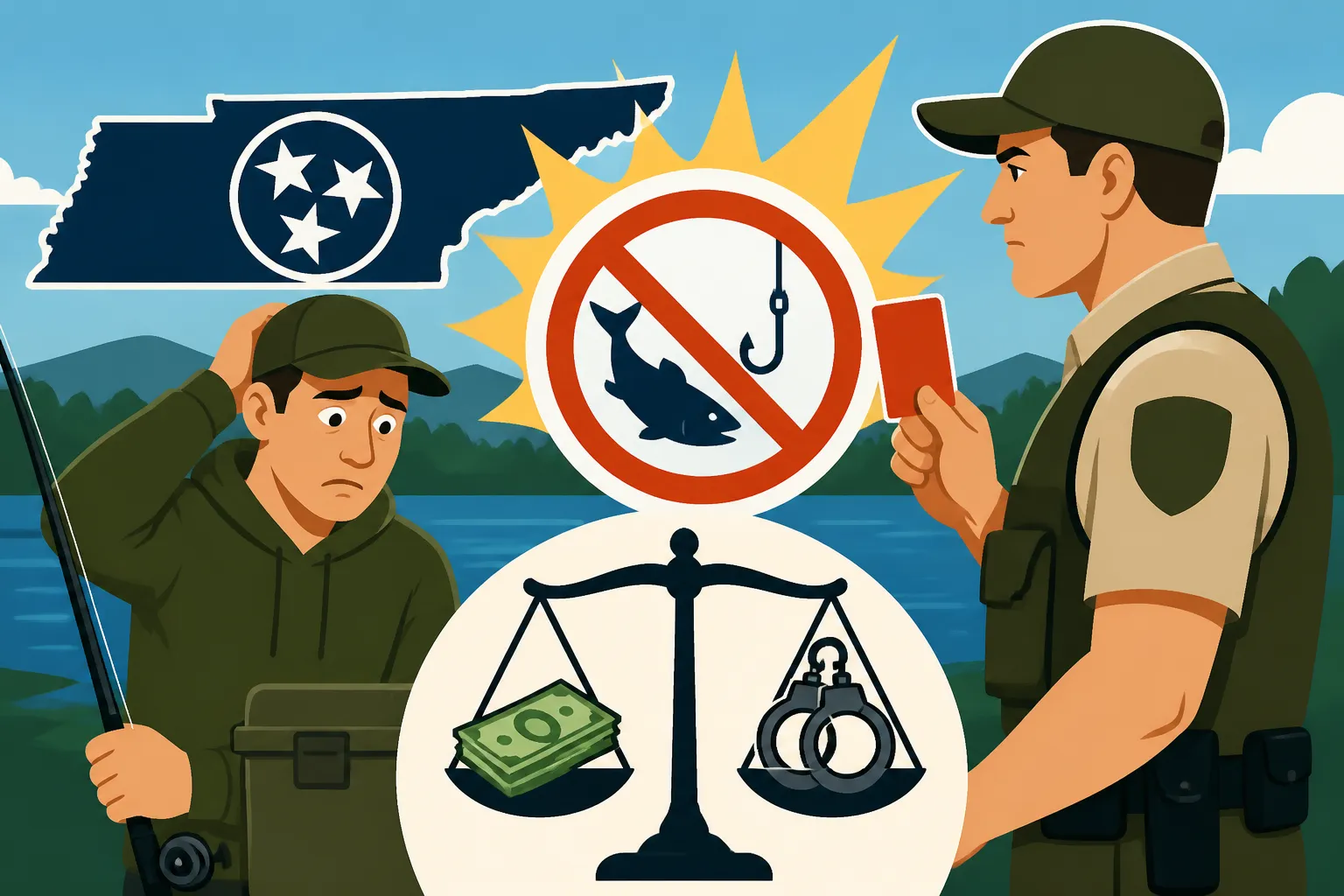
Penalties for Fishing Without a License in Tennessee
It's easy to get caught up in the excitement of planning a fishing trip to one of Tennessee's incredible lakes or rivers, imagining that first bite and the thrill of the catch. But what happens if you overlook one crucial detail – your fishing license? Many anglers, new and seasoned, have faced the sudden, sinking feeling of realizing they're not properly licensed, leading to a potentially costly and frustrating encounter with the law. This guide is here to walk you through the very real penalties and consequences of fishing without a valid license in Tennessee, and how to make sure you're always on the right side of the rules.
Why a Tennessee Fishing License is Non-Negotiable
Before we even dive into the penalties, let's talk about why this piece of paper (or digital record!) is so important in the first place. It’s not just about bureaucracy; it’s about protecting the very resource we all love to enjoy.
Funding Conservation Efforts
Every time you purchase a fishing license in Tennessee, you're directly contributing to the health and sustainability of our state's aquatic ecosystems. The fees collected from these licenses are the lifeblood of the Tennessee Wildlife Resources Agency (TWRA). This money doesn't just disappear into some general fund; it's earmarked for vital projects. Think about the incredible work that goes into stocking our lakes and rivers with fish, like the countless Rainbow Trout Stocking Schedule Across Tennessee initiatives that ensure vibrant fisheries year after year. It also funds habitat restoration, research into fish populations, public access improvements like boat ramps and fishing piers, and law enforcement that protects our natural resources from poaching and pollution. Without these funds, the quality of fishing in Tennessee would rapidly decline, impacting everyone who loves to cast a line.
Maintaining Sustainable Fisheries
Beyond just stocking, your license fees support the scientific management of our fish populations. TWRA biologists constantly monitor fish health, growth rates, and reproductive success across the state. They use this data to set appropriate Tennessee Fishing Season and Catch Limits for various species, like bass, crappie, and trout, ensuring that anglers can enjoy healthy populations for generations to come. Without a regulated system of licensing, it would be impossible to accurately gauge angler participation or to have the funds needed to enforce these limits. Overfishing could decimate local populations, turning once-bountiful spots into barren waters. It's a collective responsibility, and your license is your official stamp of participation in that stewardship.
The Immediate Impact: Encountering a Game Warden
So, you're out on the water, perhaps on a beautiful stretch of the Cumberland River or a serene cove on Percy Priest Lake, enjoying the peace. Then, a TWRA officer approaches. This is where things get real if you don't have your license.
The On-Water Inspection Process
Game wardens, or Wildlife Officers as they are officially called, are highly trained law enforcement professionals dedicated to protecting Tennessee's wildlife and natural resources. When they approach an angler, their primary goal is to ensure compliance with state regulations. They'll typically ask to see your fishing license, a valid form of identification, and sometimes inspect your catch to ensure you're within size and creel limits. They are usually very polite and professional, but they are also serious about their job. If you can't produce a valid license, either a physical copy or a Digital vs Printed Fishing Licenses in Tennessee on your phone, they will proceed with enforcement. It’s crucial to cooperate fully and honestly. Trying to evade or argue will only complicate the situation and can lead to additional charges. Remember, they have the authority to ask these questions and conduct these inspections.
Receiving a Citation for Non-Compliance
If you're caught without a valid fishing license, the game warden will issue you a citation, often referred to as a ticket. This isn't just a slap on the wrist; it's a formal legal document. The citation will outline the specific violation, which in this case would be "fishing without a valid license" (or similar wording), the date, time, and location of the offense, and instructions on how to proceed. Typically, it will include information about the fine amount, court date, and options for payment or contesting the ticket. Depending on the officer's discretion and the circumstances, they might issue a warning, but for a clear violation like no license, a citation is standard. This moment can quickly turn an otherwise perfect day on the water into a stressful legal issue.
Legal and Financial Repercussions
Let's get down to brass tacks: what kind of financial hit are we talking about here, and what other legal troubles might you face? The penalties vary depending on the severity and frequency of the offense.
Standard Fines and Court Costs
Fishing without a license in Tennessee is generally classified as a Class C misdemeanor. While it might not sound as severe as other crimes, it carries real legal weight. For a first offense, the base fine for fishing without a license can range from $50 to $250. However, this is rarely the only cost. You'll also be subject to court costs and state fees, which can often add another $50 to $100 or even more, pushing the total cost considerably higher. For example, a $50 fine could easily become a $150 or $200 bill once all the associated fees are tacked on. This can be a rude awakening for someone who just forgot their wallet or misjudged if they needed a license for a casual afternoon. Remember, ignorance of the law is generally not considered a valid defense.
Consider this table outlining common scenarios for fines:
| Offense Description | Typical Base Fine Range | Additional Court Costs/Fees (Estimate) | Total Estimated Cost | Notes |
|---|---|---|---|---|
| First offense, no license | $50 – $250 | $50 – $100 | $100 – $350 | Class C Misdemeanor |
| Repeat offense, no license | $100 – $500 | $50 – $150 | $150 – $650 | Potential for license revocation |
| Fishing during suspension | $250 – $1,000 | $100 – $200 | $350 – $1,200 | Higher penalties, possibly jail time |
| Aggravated violation (e.g., commercial intent) | Up to $2,500 | $200+ | $2,700+ | Felony charges possible, asset forfeiture |
It's clear that the cost of a basic Tennessee Fishing License Costs and Types (which might be as low as $33 for a resident annual license or even $6 for a Tennessee Single-Day Fishing License Options) pales in comparison to the penalty you’d pay for not having one. It's always a better investment to buy your license upfront.
Aggravated Offenses and Repeat Violations
The penalties can escalate significantly under certain circumstances. If you're caught fishing without a license multiple times, the fines will increase, and the court may impose stricter punishments. Repeat offenders often face higher fines, and the likelihood of losing your fishing privileges for an extended period becomes much greater. Furthermore, if your unlicensed fishing is deemed an "aggravated offense," the consequences are far more severe. This could include scenarios where you're attempting to sell fish caught illegally (commercial intent without proper commercial licenses), using illegal methods, or poaching in protected waters. In such cases, the offense can be elevated from a misdemeanor to a felony, carrying much heavier fines (potentially thousands of dollars), possible jail time, and permanent loss of fishing and hunting rights. The TWRA and Tennessee courts take these violations very seriously to protect our shared natural resources.
Beyond the Ticket: Deeper Consequences
While the fines are a sting, the implications of fishing without a license can extend far beyond a monetary penalty, impacting your ability to enjoy the outdoors in the future.
Suspension or Revocation of Privileges
Perhaps one of the most disheartening consequences for a passionate angler is the potential loss of fishing privileges. Depending on the severity of the offense and your prior record, a court can order the suspension or even outright revocation of your fishing license. This means you would be legally prohibited from fishing in Tennessee waters for a specified period, which could range from a few months to several years, or even permanently for egregious violations. Imagine seeing your favorite season approach, knowing the fish are biting, but being unable to participate because of a past mistake. It's a tough pill to swallow and a potent reminder that respecting regulations is paramount for anyone who truly loves the sport. This can also apply to your hunting privileges, as many states link these licensing systems.
Confiscation of Gear and Property
In some cases, particularly with repeat offenses or aggravated violations, a game warden has the authority to seize any equipment used in the commission of the illegal act. This can include your fishing rods and reels, tackle boxes, nets, and even your boat or vehicle if it was directly involved in serious violations like poaching or commercial trafficking of illegally harvested fish. Losing thousands of dollars worth of gear, or even a valuable asset like a boat, is a devastating financial blow and a stark reminder of the gravity of wildlife law enforcement. It's not just a fine; it's a loss of the very tools you use to pursue your passion.
Impact on Hunting Licenses and Future Permits
Tennessee's wildlife management system often links hunting and fishing licenses. A serious violation of fishing regulations, especially an aggravated one, can have ripple effects that impact your ability to obtain or renew a hunting license. If your fishing privileges are suspended or revoked, there's a good chance your hunting privileges will also be affected, even if you weren't hunting at the time of the offense. This cross-over penalty underscores the importance of obeying all wildlife laws. Furthermore, having a conviction on your record for a wildlife violation can make it more challenging to obtain certain permits or licenses in the future, even in other states due to interstate compacts for wildlife violators.
Proactive Measures: Ensuring You're Always Licensed
The easiest way to avoid all these penalties is, of course, to always have a valid fishing license. It's simpler than you might think to stay on the right side of the law.
Effortless Online License Purchase and Renewal
Gone are the days when you had to drive to a specific store during business hours to get your license. The Tennessee Wildlife Resources Agency (TWRA) has an incredibly user-friendly online portal where you can buy or renew your How to Buy or Renew a Tennessee Fishing License Online in just a few minutes. You can do it from your computer, tablet, or even your phone right before you head out to the lake. The process is straightforward: provide some personal information, select the license type you need (annual, daily, combination, etc.), pay with a credit card, and you're good to go. You'll receive an immediate digital copy that you can save to your phone or print out. This convenience means there's really no excuse for not having a license. Many anglers also appreciate the convenience of checking license requirements or purchasing related fishing literature through platforms like Amazon, ensuring they have all the necessary information and gear for their trips.
Knowing the Specific Requirements
It's not enough to just "have a license"; you need the right license for your specific situation. Tennessee has various license types, including resident and nonresident options, annual and short-term licenses, and specific permits for trout fishing. For example, if you're a Tennessee resident, you might consider the comprehensive Tennessee Resident Combination Hunt and Fish License for $33, which covers both activities. However, if you only fish in your home county, a Tennessee County-Only Fishing License Explained for $10 might seem appealing, but remember it won't cover you on statewide waters. Anglers specifically targeting trout in designated waters will likely need a trout permit in addition to their regular fishing license, which is a common point of confusion. Always take a moment to understand what activities your license covers and where it's valid. The TWRA website is an excellent resource for clarifying these details.
Understanding Special Exemptions and Free Fishing Days
While the general rule is "everyone needs a license," there are some important exceptions and special events to be aware of. For instance, children generally do not need a license until they reach a certain age. This guide on Do Kids Need a Fishing License in Tennessee provides specific details on age requirements. Additionally, Tennessee hosts a fantastic event called Bobby Wilson Free Fishing Day in Tennessee once a year, typically the first Saturday in June, where everyone (residents and non-residents alike) can fish without a license in public waters. This is followed by Tennessee's Free Fishing Week for Kids, allowing youngsters even more opportunity to fish without a permit. These are wonderful opportunities, but they are limited. Outside of these specific days and age exemptions, the requirement for a valid license stands firm.
Reciprocity and Border Waters: A Common Area of Confusion
One of the most frequent questions anglers have, especially those living near state lines or planning trips across borders, is whether their existing license is valid in Tennessee waters or vice-versa. This is where reciprocity rules come into play.
Agreements on Shared Water Bodies
Tennessee shares significant water bodies with several neighboring states, including Kentucky, Mississippi, Alabama, and North Carolina. To simplify things for anglers who might be fishing on these shared waters, some states have established reciprocity agreements. For example, on certain border waters like portions of the Mississippi River or Kentucky Lake where it crosses the state line, a fishing license from either Tennessee or the bordering state might be valid. This means an angler holding a valid Kentucky fishing license could fish legally on the Kentucky side of Kentucky Lake, and sometimes even the Tennessee side, under specific conditions. However, these agreements are often very specific to designated zones within those shared water bodies. It’s absolutely critical to understand the precise boundaries and terms of any such agreement before you cast your line.
Inland Waters vs. Border Water Rules
The crucial distinction to remember is that reciprocity agreements almost exclusively apply to the shared waters themselves. If you're coming from a neighboring state and plan to fish in Tennessee's inland lakes or rivers – any water body that is fully contained within Tennessee's borders – your home state's license will not be valid. You will need a specific Nonresident Fishing License Costs in Tennessee to fish legally. For instance, if you're an Alabama resident with an Alabama license, you can fish the Tennessee River where it forms the border, under specific guidelines. However, if you then decide to go fish on Watts Bar Lake, which is entirely within Tennessee, you would absolutely need a Tennessee nonresident license. Always err on the side of caution and check the TWRA regulations or purchase a Tennessee license if you plan to venture beyond defined border waters. It's better to be safe than sorry and avoid potential penalties.
Disclaimer
Please be aware that fishing regulations, license requirements, and associated penalties can change. While this guide aims to provide accurate and up-to-date information, it is your responsibility to consult the official Tennessee Wildlife Resources Agency (TWRA) website or contact them directly for the most current rules and regulations before you go fishing. This content is for informational purposes only and does not constitute legal advice.