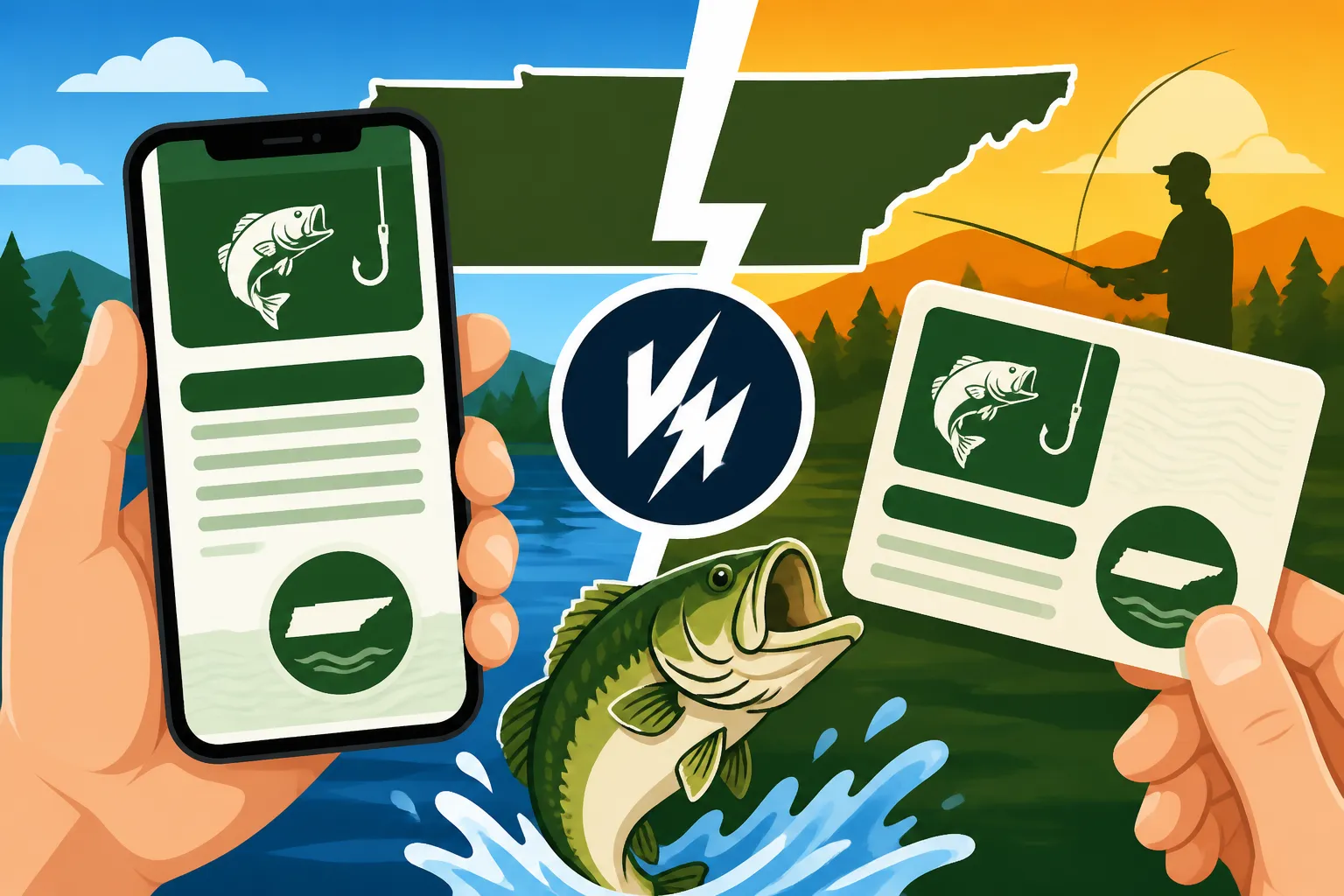
Digital vs Printed Fishing Licenses in Tennessee
One of the most common headaches for Tennessee anglers isn't landing a big fish, but remembering all the little details that keep them on the right side of the law. Among those details, keeping your fishing license handy and valid can be a real source of anxiety. With modern technology offering digital solutions and traditionalists still favoring paper, it's easy to wonder which option is truly best, or even what's allowed. This guide dives deep into the world of digital versus printed fishing licenses in Tennessee, helping you understand the pros, cons, and best practices for both.
The Modern Angler's Dilemma: Digital or Traditional?
It feels like every aspect of our lives is going digital these days, and fishing licenses are no exception. For many, the idea of having everything neatly stored on a smartphone or tablet is incredibly appealing. No more rummaging through a cluttered wallet or tackle box, no more worrying about losing a small piece of paper that holds your right to fish. It's the ultimate convenience in a fast-paced world.
However, for every tech-enthusiast, there's an angler who prefers the familiar, tangible feel of a physical license. There's a certain reassurance in holding that printed card, knowing it doesn't rely on battery life or cell service. This split in preference creates a genuine dilemma for many, as they weigh the perceived convenience of digital against the rock-solid reliability of traditional paper. Let's explore both sides of this modern angling coin.
The Rise of Digital Convenience
The move towards digital fishing licenses has been a game-changer for countless anglers across Tennessee. Imagine this: you're at home, realizing your annual license expired yesterday, and you want to hit the water first thing in the morning. In the past, this meant a frantic dash to a sporting goods store before closing, or simply missing out on that early bite. Now, you can often renew your license online in minutes, receive a digital copy almost instantly, and be ready to go. The accessibility is unparalleled.
This digital shift truly caters to our increasingly connected lives. Your smartphone is almost always with you, making it the perfect repository for your license. You can quickly pull it up, whether you're at a boat ramp, a local fishing spot, or even a remote stretch of the Caney Fork River. This eliminates the frantic search that often accompanies a game warden's request to see your papers. The peace of mind that comes from knowing your license is just a few taps away, even if you left your wallet in the truck, is a significant draw for many.
The Enduring Appeal of Printed Licenses
Despite the clear advantages of digital options, a significant number of Tennessee anglers still firmly stand by their printed licenses. There's a simple, undeniable logic to it: a piece of paper doesn't run out of battery, it doesn't suffer from screen glare under bright sunlight, and it doesn't shatter if you accidentally drop your phone on a rocky riverbank. For those who frequently fish in areas with spotty cell service, like some of the more secluded sections of the Great Smoky Mountains, a digital license can quickly become an unviewable liability.
Moreover, for many, a printed license represents a tradition. It's part of the ritual of preparing for a fishing trip, carefully tucking that little card into a waterproof holder or laminating it for extra protection. It’s a tangible symbol of their right to enjoy the waters of Tennessee. When a game warden approaches, simply handing over a clear, physical document can feel more straightforward and less prone to technological glitches that might cause delays or misunderstandings. The old ways often hold a powerful, comforting sway for good reason.
Understanding Tennessee's Digital Fishing License
The Tennessee Wildlife Resources Agency (TWRA) has embraced technology to make fishing more accessible, and that includes offering digital fishing licenses. This means you don't necessarily need a physical card to prove you're licensed to fish in the Volunteer State. However, understanding exactly how these digital licenses function is key to avoiding any unfortunate misunderstandings while on the water.
How Digital Licenses Work in Tennessee
When you purchase a fishing license in Tennessee, especially through the TWRA's online portal, you're generally given the option to receive a digital copy. This typically comes in the form of an email with a printable PDF or access through the official TWRA On the Go app. This digital format is considered perfectly valid proof of your license. The idea is that your smartphone becomes your license holder, storing all the necessary information for a game warden to verify.
To access your digital license, you can simply open the PDF on your phone, display it within the TWRA app, or even show a clear screenshot of the license details. The key is that the information—your name, license type, and expiration date—must be clearly legible and match your identification. For those looking for convenience, knowing How to Buy or Renew a Tennessee Fishing License Online makes this process incredibly smooth and efficient, often taking just a few minutes from start to finish.
The Benefits of Going Digital for Tennessee Anglers
The advantages of opting for a digital fishing license are quite compelling for the modern angler. First and foremost is the sheer convenience. Your phone is almost always with you, meaning your license is too. No more frantic searches or forgotten wallets. Imagine you're already at your favorite spot on Chickamauga Lake, about to cast your line, and you suddenly realize your physical license is back home. With a digital license, that worry is often eliminated.
Furthermore, digital licenses offer instant gratification. Once purchased online, you have immediate proof, allowing you to hit the water without delay. Renewing your license becomes a breeze as well; you can even set a reminder before your license expiration date helps avoid a lapse in coverage, ensuring you're always covered. Environmentally conscious anglers also appreciate the reduction in paper waste. While you might not buy your actual license on Amazon, many anglers find a wealth of essential gear and accessories there, from new fishing line to tackle boxes, which supports their digital-first mindset by complementing their streamlined setup.
Potential Pitfalls of Relying Solely on Your Phone
While the digital age offers undeniable convenience, it's not without its drawbacks, especially when you're out in the elements trying to enjoy a peaceful day of fishing. The most obvious concern is battery life. A dead phone means a vanished license, and if a game warden asks for proof, you're suddenly in a tricky situation. Even with portable chargers, it's an extra step and another piece of gear to remember.
Then there's the issue of signal strength. Many prime fishing locations, particularly in more remote parts of the state like the rugged areas surrounding Norris Lake or the secluded bends of the Clinch River, can have patchy or non-existent cell service. If your digital license is only accessible via an app that requires an internet connection or if you need to download it fresh, you could find yourself unable to display it. Screen glare, especially on bright, sunny days, can also make your license difficult for both you and a warden to read. And let's be honest, phones and water don't mix well; an accidental dip could render your device, and thus your license, unusable.
The Enduring Value of a Printed Tennessee Fishing License
Even in an increasingly digital world, there's a timeless reliability to a physical, printed fishing license. For many long-time anglers and those who prefer simplicity, the traditional paper license remains the preferred method of proof. It bypasses many of the technological hurdles and offers a tangible sense of security that a digital file sometimes can't quite match.
Where to Obtain a Physical License
Getting your hands on a physical fishing license in Tennessee is generally a straightforward process, offering several convenient options. The most common route is to visit one of the many authorized license agents scattered across the state. These agents can be found at local bait and tackle shops, larger sporting goods stores like Bass Pro Shops or Academy Sports + Outdoors, and often at county clerk offices. These locations can issue a physical license on the spot, providing you with immediate, tangible proof.
Alternatively, if you prefer the convenience of online purchase but still want a physical copy, you can buy your license through the TWRA website and then print it out at home. This allows you to combine the ease of online transactions with the security of a hard copy. To learn more about all your options, a guide on Where to Buy a Fishing License in Tennessee can provide comprehensive details on vendors and online processes.
Advantages of Carrying a Hard Copy
The benefits of a printed fishing license often come down to reliability and simplicity. A piece of paper doesn't have a battery that can die at the most inconvenient moment. It's not susceptible to water damage (if properly laminated or stored in a waterproof pouch) or a cracked screen. When a game warden asks for your license, you simply present the physical document, which is often quicker and more universally understood than navigating a phone app, especially in bright sunlight or inclement weather.
Furthermore, a printed license is always legible, regardless of screen brightness settings or glare. You can clip it to your vest, tuck it into a tackle box, or keep it in a designated waterproof holder. This traditional method ensures that your proof of licensure is always at hand and immediately verifiable, without relying on any external device or internet connection. Having Carrying proof of your license while fishing in Tennessee physically means one less thing to worry about when you're focused on the catch.
Scenarios Where a Printed License Shines
There are specific situations where a physical, printed fishing license truly outperforms its digital counterpart. Consider a multi-day camping and fishing trip to a remote reservoir like Dale Hollow Lake, where cell service is notoriously spotty. Relying solely on a digital license could leave you vulnerable if your phone battery dies or if you simply can't get a signal. A printed copy would eliminate this concern entirely.
For families or groups, managing multiple digital licenses on different phones can be a hassle, especially when trying to quickly verify everyone's credentials. A single individual could carry all the printed licenses, simplifying the process during a check. This is particularly relevant when dealing with Youth Fishing License Rules in Tennessee or Do Kids Need a Fishing License in Tennessee, as ensuring everyone in the family is properly covered becomes easier with physical documents. Older anglers, who might not be as comfortable with smartphone apps or digital interfaces, often prefer the familiarity and ease of a physical card. In essence, any situation that prioritizes consistent access over technological integration is a prime candidate for a printed license.
The Best of Both Worlds: A Hybrid Approach
Given the distinct advantages and disadvantages of both digital and printed licenses, many seasoned anglers in Tennessee are adopting a hybrid strategy. This approach combines the convenience of technology with the reliability of tradition, offering maximum peace of mind on the water. It’s about being prepared for any scenario, whether your phone is fully charged or your remote fishing spot is off the grid.
Why a Hybrid Strategy Makes Sense
The simple truth is, you don't have to choose one or the other. By leveraging both digital and printed licenses, you create a robust backup system that protects you from unforeseen issues. You get the immediate accessibility and easy renewal that digital licenses provide, while simultaneously gaining the absolute reliability of a physical document. This means if your phone takes an unexpected dive into Kentucky Lake, or if you simply forget to charge it overnight, you still have a valid, tangible license to present.
The convenience of acquiring your license online is undeniable, as Digital licenses save a trip to a physical vendor in Tennessee and allow you to quickly update your fishing privileges. However, taking that extra step to print a physical copy or even laminating it provides an invaluable safeguard. It’s like having a spare tire – you hope you never need it, but you're profoundly grateful when you do. This dual approach ensures that technical glitches or environmental factors don't unexpectedly cut short your fishing adventure.
Practical Tips for Combining Digital and Print
Implementing a hybrid license strategy is quite simple and can save you a lot of grief. Here are a few practical tips:
- Screenshot Your Digital License: Even if you use the TWRA app, take a clear screenshot of your license details and save it to your phone's photo gallery. This way, even if you lose internet access or the app crashes, the image of your license is still readily available.
- Print and Laminate: After purchasing your license online, print a few copies. Laminate one to keep in your tackle box or boat, and another in your vehicle's glove compartment. Lamination will protect it from water, dirt, and wear and tear.
- Use Waterproof Storage: Invest in a small, waterproof pouch or case for your printed license. Many anglers carry these around their neck or attach them to their fishing vests. For your phone, you might even pick up a waterproof phone pouch or a rugged fishing bag on Amazon to keep your digital proof safe from the elements, ensuring your device remains operational even near the water.
- Tell Your Fishing Buddies: If you’re fishing with a group, let someone else know where your backup (digital or physical) is, just in case. They might even have a copy of their own that serves as a reminder.
- Backup to Cloud or Email: Save a copy of the PDF license to a cloud storage service (like Google Drive or Dropbox) or email it to yourself. This way, if your phone is lost or damaged, you can still access it from another device.
By taking these small, preventative steps, you can enjoy the best aspects of both digital and traditional licenses, ensuring you're always prepared and compliant.
Enforcement and Verification: What Wardens Expect
The interaction with a Tennessee Wildlife Resources Agency (TWRA) game warden is a core part of responsible angling. Understanding what they expect when it comes to verifying your fishing license, whether digital or printed, is crucial for a smooth and pleasant experience. It’s not just about having a license, but having it readily accessible and verifiable.
What Happens During a License Check
When a TWRA game warden approaches you on the water or at a boat ramp, one of their primary duties is to ensure compliance with fishing regulations, and that includes verifying your license. They will typically ask to see your fishing license and photo identification. If you present a physical license, they will quickly review it for validity and compare the name to your ID. This is generally a very swift process.
If you present a digital license, they'll expect you to display it clearly on your phone or tablet. They may ask you to zoom in on certain details, or they might even have a scanner to quickly verify the information from a barcode or QR code. It's important that your screen is clean, bright, and your license is fully visible. While most wardens are accustomed to digital licenses, any technical issues on your end – a dead battery, a non-responsive screen, or an unreadable image – could lead to further questions or a delay. It’s certainly a less-than-ideal situation to face when you're simply trying to enjoy your time fishing. For situations like these, knowing What happens if a Tennessee game warden catches you without a license without being able to present it is essential.
Ensuring Your Proof is Readily Available
The cardinal rule of fishing in Tennessee, beyond knowing your limits and seasons, is to always have your valid fishing license accessible. This isn't just a suggestion; it's a legal requirement. Whether you prefer digital or printed, it needs to be with you and verifiable at all times while you are fishing. Trying to explain that your license is at home, or that your phone is dead, won't typically hold up as an excuse, and can lead to unnecessary complications.
For digital users, this means ensuring your phone is fully charged before you head out, and ideally, having a portable charger on hand, especially for longer trips. Make sure your screen is clean, and you know exactly how to pull up your license quickly. For those with a printed license, keep it in a waterproof holder, perhaps attached to your vest or securely tucked into your tackle box. The key is that it should be immediate and obvious proof. Remember, Penalties for Fishing Without a License in Tennessee can range from fines to other legal consequences, making it imperative that you always have valid and accessible proof when you're out on the water.
Key Considerations for Different Anglers
The choice between a digital and printed fishing license isn't a one-size-fits-all decision. What works perfectly for a tech-savvy young angler might be a source of frustration for a traditionalist. Thinking about your personal fishing habits, the locations you frequent, and your comfort level with technology can help you decide on the best approach for you.
For the Tech-Savvy Angler
If you're someone who practically lives on their smartphone, relies on apps for everything from weather forecasts to fish finders, then the digital fishing license is likely your natural fit. You're comfortable navigating digital interfaces, you probably already carry a portable charger, and you appreciate the instant access and environmental benefits of going paperless. Embracing the TWRA On the Go app, which might even offer additional features like real-time regulations or reporting, is a seamless integration into your existing tech ecosystem.
For you, the problem isn't about if your phone will work, but how to make it work better for fishing. You might invest in rugged, waterproof cases for your phone, or use a wrist lanyard to keep it secure while casting. The digital platform allows you to quickly look up information, renew your license, and get back to the action on the water with minimal fuss.
For the Traditionalist
For many, fishing is an escape from the digital noise of everyday life. If you're an angler who prefers to disconnect, relying on your knowledge of the water and time-tested techniques rather than screens, then the printed license is almost certainly your preferred choice. You value simplicity, reliability, and don't want to worry about battery levels or network coverage when you're trying to relax on Watts Bar Lake or target smallmouth bass on the Cumberland River.
Your focus is on the fishing experience itself, and a physical license perfectly aligns with that. You're likely accustomed to tucking it into your wallet, a fishing vest, or a tackle box, and its presence provides a comforting sense of preparedness without the need for any electronic device. For you, the potential hassles of technology outweigh the minor conveniences of digital access.
For Families and Groups
Fishing with family and friends can be incredibly rewarding, but it also means managing multiple licenses. This is where a hybrid approach often makes the most sense. While each individual is responsible for their own license, coordinating digital copies can sometimes be tricky, especially with kids.
Consider this: all adults can have their digital licenses on their phones, but also carry a single printed copy of all licenses for the group in a waterproof bag. This offers a central backup point. When it comes to the younger anglers, understanding Youth Fishing License Rules in Tennessee is key. While kids often don't need a license under certain ages, having their details (if required) on a printed sheet along with the adults' can simplify checks and keep everyone organized, especially during events like Bobby Wilson Free Fishing Day when rules might temporarily differ.
For Nonresidents and Visitors
Tennessee is a fantastic destination for anglers from out of state, offering diverse fishing opportunities. For nonresidents, the convenience of online digital licenses is particularly appealing for short-term visits. You can easily purchase a Nonresident 3-Day and 10-Day License Options for Tennessee or an annual pass online before your trip, avoiding the need to find a physical vendor immediately upon arrival. This streamlines the start of your fishing adventure.
However, given that nonresidents might be less familiar with local nuances or specific cell service dead zones, carrying a printed copy as a backup is highly recommended. This ensures that regardless of where you decide to cast your line, you can always prove your licensure. Understanding Nonresident Fishing License Costs in Tennessee and having both a digital and printed record of your purchase can provide an extra layer of security and clarity for visiting anglers.
Here's a quick comparison of the two main license types:
| Feature | Digital Fishing License (Tennessee) | Printed Fishing License (Tennessee) |
|---|---|---|
| Accessibility | On phone/tablet via app or PDF; immediate access | Physical card or paper; requires carrying physical document |
| Purchase | Online, instant confirmation, email/app delivery | Online (then print), or in-person at authorized vendors |
| Reliability | Dependent on battery life, phone function, cell service | Not dependent on technology; always readable if intact |
| Durability | As durable as your phone; susceptible to drops, water, etc. | Susceptible to physical damage, tearing, water (if not laminated) |
| Verification | Display on screen; may involve scanning QR/barcode | Handed directly to warden; visual inspection |
| Backup Options | Screenshots, cloud storage, email | Lamination, multiple copies |
| Cost | Same price as printed; no extra fees for digital format | Same price as digital; potential for home printing costs |
| Environmental | Reduces paper waste | Requires paper; can be recycled if not laminated |
Disclaimer
Please note that while this guide provides comprehensive information, fishing regulations and licensing requirements can change. Always consult the official Tennessee Wildlife Resources Agency (TWRA) website or their latest guide for the most up-to-date and authoritative information before you head out on the water.