Kids need a license outside of Tennessee’s Free Fishing Week
It’s a common misconception that all kids can just grab a rod and reel and fish freely in Tennessee, no questions asked. While it's true that there are wonderful opportunities for youth to cast a line without a license, it's crucial to understand that these are specific exceptions to the general rule. This guide is here to clear up the confusion, explaining precisely when and why young anglers in Tennessee need a fishing license, and how to make sure your family stays within the regulations.
The General Rule: When Young Anglers Need a Tennessee Fishing License
Let's cut right to the chase because this is where many parents and guardians get tripped up. In Tennessee, the rule of thumb is that residents aged 13 and older must possess a valid fishing license to legally fish in public waters. This means that once your child blows out those 13 candles, they’re officially entering the age bracket where a license becomes a necessity, not just an option.
It’s easy to think that fishing is a simple, no-strings-attached activity, especially for kids, but that’s not quite how it works in the Volunteer State for everyone. The Tennessee Wildlife Resources Agency (TWRA) manages these regulations to conserve our beautiful waterways and the fish within them, and that includes requiring licenses from most of our population who participate in fishing. So, if your youngster is excited about trying their hand at catching a feisty smallmouth bass or a chunky crappie, and they've hit that milestone birthday, it's time to start thinking about their license. This requirement extends to all public waters, from the vast stretches of Kentucky Lake to the smaller, serene ponds within state parks. For a broader understanding of all the rules, check out our comprehensive guide on Tennessee Fishing Regulations Explained.
Understanding the Age Threshold for Licensing
The specific age when a license becomes mandatory is 13 years old for Tennessee residents. What about those younger than 13? Here's the good news: residents 12 years of age and under are generally exempt from needing a fishing license in Tennessee. This is a fantastic provision that allows younger children to experience the joy of fishing without any bureaucratic hurdles. Imagine taking your 7-year-old to Percy Priest Lake, baiting their hook, and watching their face light up when they catch their first bluegill – all completely legal and hassle-free for them. This exemption is really designed to encourage a love for the outdoors from a young age, making fishing an accessible activity for families. However, once that 13th birthday arrives, the expectation changes, and they transition from being a fully exempt junior angler to one who needs to carry proof of their licensing. It’s a bit like getting a learner's permit for driving; it signifies a step up in responsibility and compliance.
The Role of Residency for Youth Licenses
Just like with adult licenses, residency plays a significant role in determining the type and cost of a youth fishing license. If your family resides in Tennessee, your child will qualify for resident youth licenses, which are typically more affordable and often offer combination hunt/fish options. However, if you're visiting Tennessee from another state and your child is 13 or older, they will need a nonresident fishing license. This is important for families planning a vacation where fishing is on the agenda. For instance, if you're coming from Georgia for a week of fishing on Chickamauga Lake, and your 14-year-old wants to join in, they’ll need to secure a nonresident youth license. This ensures that everyone who enjoys Tennessee's abundant fishing resources contributes to their management and conservation, regardless of where they call home. You can dive deeper into these specifics by looking at Youth Fishing License Rules in Tennessee.
Understanding Free Fishing Day and Free Fishing Week Exceptions
While the general rule dictates that kids 13 and older need a license, Tennessee offers wonderful exceptions that allow all children, and sometimes even adults, to fish for free. These special events are fantastic opportunities to introduce new anglers to the sport or for families to enjoy a day on the water without the need to purchase licenses.
Bobby Wilson Free Fishing Day: A Statewide Event
Every year, Tennessee celebrates Bobby Wilson Free Fishing Day. This is a truly special occasion because it allows everyone, regardless of age or residency, to fish in Tennessee's public waters without a license. It’s a day dedicated to fostering a love for fishing and outdoor recreation for all. This year, Bobby Wilson Free Fishing Day falls on the first Saturday of June, which is June 6, 2026. On this day, you and your entire family, from the youngest toddler to the most seasoned grandparent, can enjoy a day of fishing on any public lake, river, or stream managed by the TWRA, including state park lakes.
Imagine taking your whole family to a beautiful spot like Center Hill Lake or Watts Bar Lake for the day, and everyone can fish without needing a license. It’s a stress-free way to enjoy the outdoors and potentially hook into some great fish. Many local communities and TWRA often host special events and derbies on this day, making it even more exciting for kids. It's truly a celebration of Tennessee's rich fishing heritage and an excellent opportunity to get those fishing rods out. For more details on this specific event, be sure to check out our post on Bobby Wilson Free Fishing Day in Tennessee.
Free Fishing Week for Kids: An Extended Opportunity
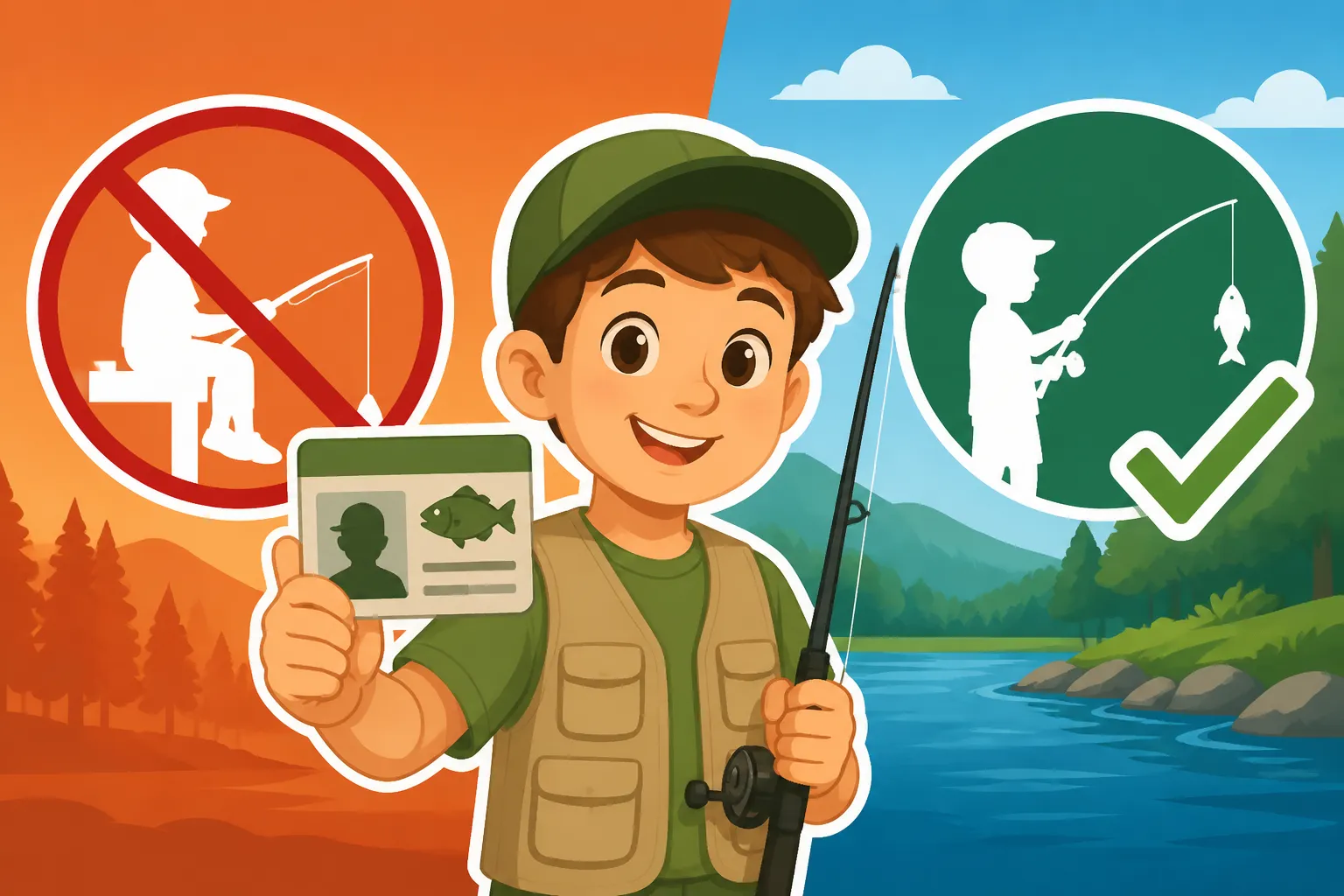
Following closely on the heels of Bobby Wilson Free Fishing Day is Free Fishing Week for Kids. This event extends the opportunity for younger anglers to fish without a license. It begins on the Saturday after Bobby Wilson Free Fishing Day and runs through the following Friday. During this entire week, resident and nonresident children aged 15 and under can fish for free.
This means that while adults only get one free day, kids get a whole week! This extended period is fantastic for families who might want to plan a longer fishing trip or try different fishing spots. Maybe you take your 10-year-old to Reelfoot Lake for some crappie fishing one day, and then later in the week, you try a local stocked pond for bluegill. It’s all covered during this special week, providing ample time for kids to truly get hooked on fishing. It’s an invaluable program that supports youth engagement in outdoor activities and introduces them to the joys and skills of angling without any initial financial commitment for licensing. For more information specifically about this week-long event, refer to Tennessee's Free Fishing Week for Kids.
Navigating License Requirements for Young Anglers
Beyond the free fishing events, understanding the specific licenses required for young anglers is paramount. It’s not a one-size-fits-all situation, as the type of license your child needs depends on their age and sometimes even the type of fish they plan to pursue.
Licenses for Anglers Aged 13-15
For Tennessee residents who are 13, 14, or 15 years old, a specific youth license is required. The most common and convenient option is the Junior Hunt/Fish license (Type 026). This combination license covers both hunting and fishing privileges for the fiscal year, making it an excellent value if your child enjoys both activities. It’s designed to be affordable and easily accessible, bridging the gap between the free exemption for younger kids and the full adult license requirements.
When a child in this age bracket gets their license, it’s not just about compliance; it's also about teaching them responsibility and the importance of conservation. They’re contributing to the very resources they enjoy. This age group might also need additional permits if they plan to target specific species in certain areas, such as trout in designated trout streams. While the base license covers general fishing, a separate trout permit is often required if they're actively seeking rainbow, brown, or brook trout. These permits ensure that specialized conservation efforts for these species are funded. You can find more details on these permit requirements in Do You Need a Trout Permit With Your Tennessee License.
Licenses for Anglers Aged 16 and Up
Once an angler, whether resident or nonresident, turns 16, they are considered an adult in the eyes of Tennessee's fishing regulations. This means they will need to purchase the same standard adult fishing licenses that anyone 16 or older requires. For Tennessee residents, this typically means an Annual Resident Hunting & Fishing Combination license (Type 001) or a specific Annual Resident All-Species Fishing license (Type 002).
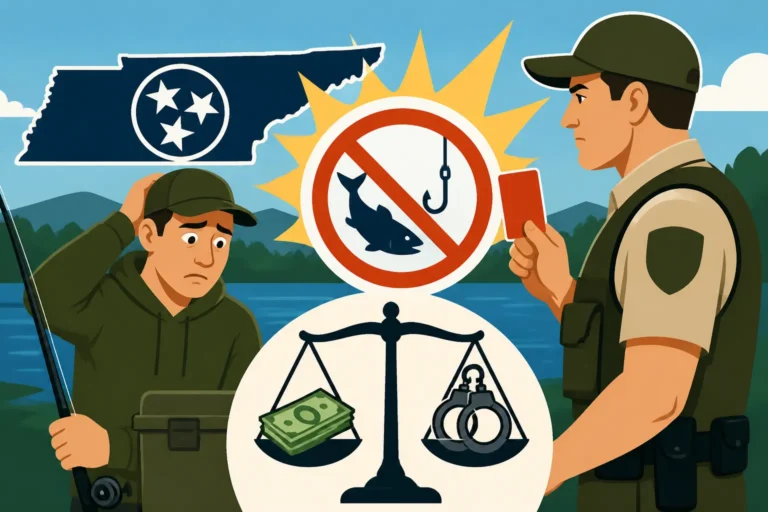
For nonresidents aged 16 and older, the options range from a 3-day or 10-day license to an annual nonresident license, depending on the length of their stay and their fishing plans. These licenses, just like for residents, will often require an additional trout permit if targeting trout. The pricing structure for nonresident licenses is higher than for residents, reflecting that non-residents haven't contributed to state taxes that help fund wildlife management throughout the year. It's crucial for anyone 16 or older to have the appropriate license type and any necessary permits to avoid penalties for fishing without a license in Tennessee.
Here’s a quick overview of youth license types:
| Age Group (Residents) | License Required (General Fishing) | Common License Type | Additional Permits Needed? |
|---|---|---|---|
| Under 13 | No license required | N/A | No |
| 13-15 | Junior fishing license | Jr. Hunt/Fish (Type 026) | Yes, for trout or specific areas |
| 16+ | Adult fishing license | Annual Res. Hunt/Fish (Type 001) | Yes, for trout or specific areas |
This table shows the most common scenarios. Always remember that specific lake-specific rules or wildlife management areas might have unique requirements that override statewide limits, so it's always wise to check local signage or the TWRA website.
How to Purchase a Fishing License for Your Child
Getting a fishing license for your child in Tennessee is a straightforward process, designed for convenience. Whether you prefer online methods or a quick trip to a local vendor, the options are readily available to ensure your young angler is legal before their next fishing adventure.
Online Purchase through the TWRA Website
The most convenient way to purchase a Tennessee fishing license for your child, or yourself, is directly through the Tennessee Wildlife Resources Agency (TWRA) website. This digital portal is available 24/7, making it easy to purchase a license any time, day or night. The process is intuitive: you'll need to provide some basic information for your child, such as their name, date of birth, and address. Once the transaction is complete, the license is valid immediately. You can choose to print a physical copy at home, or even better, simply save the digital version to your phone. This way, if a TWRA officer asks to see proof of license, you can display it right on your smartphone. This instant access is a lifesaver if you decide on a last-minute fishing trip. You can learn more about this process and even renew an expiring license by visiting How to Buy or Renew a Tennessee Fishing License Online.
Beyond just the convenience, purchasing online helps streamline the process of renewing your license each year. Many anglers choose to set a reminder before their current license expires to avoid any lapse in coverage, ensuring they're always ready to hit the water. This also makes it simple to add any necessary permits, like a trout permit, if your child is going to be fishing in designated trout waters.
In-Person at Authorized Vendors
If you prefer a more traditional approach, or if you're already out stocking up on bait and tackle, you can purchase a fishing license for your child at numerous authorized vendors across Tennessee. These typically include:
- Sporting Goods Stores: Major retailers like Walmart and Academy Sports + Outdoors often have dedicated counters or customer service desks where you can purchase licenses. They’re well-versed in the various license types and can guide you through the process.
- Local Bait and Tackle Shops: These are often the heart of the local fishing community. Owners and staff are usually avid anglers themselves and can offer advice on local fishing conditions in addition to processing your child's license. They are fantastic resources for hyper-local knowledge, from the best bait for the local crappie to hidden spots on Norris Lake.
- County Clerks' Offices: In many counties, the clerk's office also serves as an authorized license agent, especially for annual licenses.
When purchasing in person, you'll need the same information for your child as you would online. The vendor will typically print a physical copy of the license for you on the spot. Having a physical card is a good option, but always remember that a digital version on your phone is equally valid these days. For a comprehensive list of places, check out Where to Buy a Fishing License in Tennessee.
When you are out on the water, whether your child has a digital or a printed license, it's essential that they, or a supervising adult, can present it if requested by a TWRA officer. This is not just a formality; it's a legal requirement. Having easy access to the license proof ensures a smooth and enjoyable experience for everyone. For insights on managing digital versus printed copies, take a look at Digital vs Printed Fishing Licenses in Tennessee.
Equipping Your Young Angler: Gear and Best Practices
Once your child's license is sorted (if needed), it’s time to think about the fun part: getting them set up with the right gear and instilling some good fishing practices. This isn't just about catching fish; it's about fostering a lifelong love for the outdoors and responsible recreation.
Choosing the Right Gear for Kids
Starting with the right equipment can make all the difference in a child's fishing experience. Nobody wants to wrestle with a complicated reel or a rod that's too heavy.
- Rods and Reels: For beginners, a simple spinning combo is often the best choice. Look for lighter rods (around 5-6 feet) with a reel that's easy for small hands to operate. Closed-face (spincast) reels are also excellent for younger kids as they are very user-friendly. Brands like Zebco offer great kid-friendly combos that are durable and affordable. You can often find a good selection of these on Amazon or at local sporting goods stores, perfectly suited for catching bluegill or small bass.
- Tackle Box Basics: Keep it simple! A small tackle box with essential items is perfect. Think about a few bobbers, some hooks (size 6-10 for panfish), split-shot weights, and a small selection of simple lures like plastic worms or small inline spinners. Live bait, such as worms or crickets, is almost always a surefire hit with kids as it provides instant action.
- Safety Gear: Life jackets are non-negotiable, especially if you're fishing near or on the water. Even if just on the bank, having one handy, particularly for younger children, is a smart move. Sunscreen and a hat are also crucial for protecting them from the Tennessee sun.
Encouraging kids to manage their own tackle box, even a small one, teaches them organizational skills and a sense of ownership over their fishing adventure. It’s also a great opportunity to talk about safety, like being careful with hooks.
Instilling Responsible Angling Habits
Fishing is a fantastic teacher of patience, respect, and environmental stewardship. Beyond just catching fish, it's an opportunity to teach valuable life lessons.
- Catch and Release: Teach your child the importance of catch and release, especially for fish they don't plan to keep or for species with specific size limits. Show them how to handle fish gently, wet their hands before touching, and release them safely back into the water.
- Leave No Trace: Emphasize the importance of picking up all trash, including discarded fishing line and bait containers. Our beautiful Tennessee lakes and rivers depend on everyone doing their part to keep them clean. This includes not leaving behind empty bait containers or snack wrappers.
- Understanding Regulations: While you’re the adult responsible for ensuring compliance, involve your child in learning about fish limits and specific regulations for the body of water you're on. For instance, explaining Tennessee's daily bass limits or crappie limits under Tennessee fishing rules can be a fun way to teach them about conservation.
- Respecting Others: Teach them to be mindful of other anglers, giving them space and keeping noise to a minimum. Shared waters mean shared responsibility.
By taking the time to teach these best practices, you're not just creating a great fishing buddy; you're raising a responsible and environmentally conscious individual. Many fishing guides and outfitters in Tennessee also offer kid-focused trips, which can be a great way to introduce them to these concepts from an experienced professional. For example, a guided trip on Norris Lake could provide an excellent learning experience.
Disclaimer
The information provided in this guide is intended for general informational purposes only and does not constitute legal advice. Fishing regulations, license requirements, and fees are subject to change by the Tennessee Wildlife Resources Agency (TWRA). Always consult the official TWRA website or contact them directly for the most current and accurate information before planning your fishing trip. Compliance with all state and local fishing laws is the responsibility of the individual angler.