Best Wheelchair-Accessible Fishing Spots in Tennessee
It can be incredibly disheartening to plan a fishing trip, only to arrive at your chosen spot and discover that "accessible" actually just means a muddy path to a broken dock. Finding truly wheelchair-accessible fishing spots in Tennessee, ones that offer genuine ease of access and enjoyable angling experiences for everyone, is a real challenge many face. This comprehensive guide is here to cut through the confusion and highlight some of the best, most genuinely accommodating locations across the Volunteer State, ensuring your next outing on the water is filled with enjoyment, not frustration.
The Importance of Inclusive Angling Experiences
Fishing isn't just a hobby; it's a vital connection to nature, a source of peace, and a way to create lasting memories with family and friends. For individuals with mobility challenges, accessing these experiences can often feel like an uphill battle. Parking might be too far, paths too uneven, or docks too narrow and unstable to navigate safely. The frustration of being excluded from such a fundamental outdoor activity is something we absolutely understand.
Creating truly inclusive fishing opportunities isn't just about compliance; it's about recognizing the inherent right of every individual to enjoy the therapeutic benefits and excitement of a day on the water. When facilities are thoughtfully designed with accessibility in mind, they open up a world of possibilities, fostering independence and allowing everyone to partake in the joys of fishing without unnecessary barriers. It transforms a potentially stressful outing into a relaxing, rewarding adventure.
What Makes a Fishing Spot Truly Accessible?
The term "wheelchair-accessible" can mean vastly different things depending on who you ask or, unfortunately, who designed the site. True accessibility goes far beyond just a ramp. It encompasses a holistic approach to design that considers the entire journey of an angler with mobility needs, from arrival to casting a line.
Paved Paths and Stable Surfaces
One of the most fundamental aspects of accessibility is the pathway leading to the fishing area. Gravel, uneven dirt, or overgrown grass simply won't cut it. Look for spots that boast smooth, paved, or compacted aggregate paths that are wide enough to accommodate a wheelchair comfortably. These paths should be free of significant cracks, sudden drops, or steep inclines that could pose a hazard. Imagine trying to navigate a half-mile gravel trail to the lake; it’s an immediate barrier. Ideally, the path leads directly to the fishing platform or bank, minimizing any need for difficult transitions.
Accessible Fishing Piers and Docks
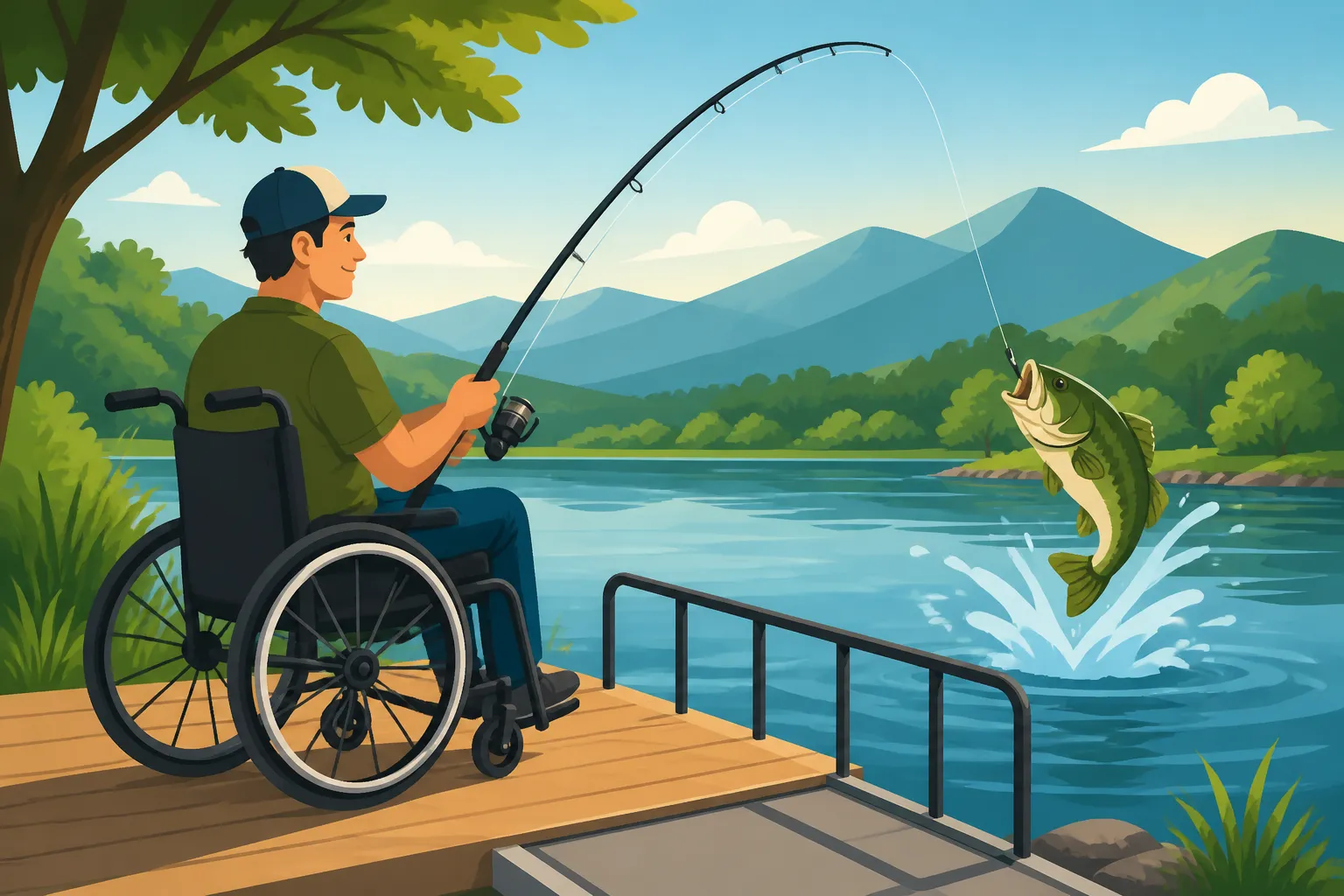
A truly accessible fishing pier or dock is a game-changer. These aren't just any old docks; they are specifically designed with features like low railings to allow for easier casting from a seated position, or even cut-outs that allow a wheelchair to pull right up to the edge of the water. The surface material should be non-slip and sturdy, providing a stable platform. Many modern accessible docks are built with composite materials that resist warping and provide a consistent, even surface. Some even feature benches with backrests that are high enough to provide support for those who need it, or even spaces to easily transfer from a wheelchair to a bench.
Restroom Facilities and Parking
It might seem obvious, but readily available, genuinely accessible restrooms are non-negotiable. "Accessible" should mean spacious stalls, grab bars, and sinks that are usable from a seated position. The path to the restroom from the fishing area should also be accessible. Similarly, designated accessible parking spaces should be close to the fishing access point, reducing the distance an angler needs to travel. These parking spots need ample room for van access and wheelchair deployment. Without these basic amenities, even the best fishing spot can become an impossible challenge.
East Tennessee's Accessible Waters
East Tennessee, with its majestic mountains and sprawling reservoirs, offers some fantastic angling opportunities, and thankfully, a growing number of truly accessible spots.
Norris Lake State Park
Nestled in the beautiful Appalachian foothills, Norris Lake State Park is often lauded for its accessibility efforts. The park boasts several accessible features that make fishing enjoyable for everyone. You'll find accessible parking and paved pathways leading to their fishing pier. This pier is designed with wider berths and lower railings, making it easier to cast lines from a wheelchair or a seated position. It’s an ideal spot for targeting species like crappie, bass, and sunfish. The views alone are worth the trip, offering stunning panoramas of the lake and surrounding hills. It's truly one of the standout Tennessee State Park Fishing Spots that prioritizes inclusive design.
Lakeshore Park in Knoxville
For those closer to the city, Lakeshore Park in Knoxville provides a wonderfully accessible urban fishing experience along the Tennessee River. While not a dedicated "fishing park," its extensive paved greenway system offers easy access to the riverbanks, and there are several spots along the paved trail where anglers can comfortably cast a line. The park features ample accessible parking and accessible restrooms. It’s a great place for a quick outing, often yielding catches of catfish, drum, and various panfish. The flat, wide paths make it perfect for a leisurely day of fishing combined with enjoying the scenic waterfront.
Chickamauga Dam Day Use Area
Near Chattanooga, the Chickamauga Dam Day Use Area provides excellent, well-maintained accessible facilities. The concrete fishing pier below the dam is a popular spot, known for good catches of catfish, striped bass, and even some sauger during cooler months. The pier is wide, has low railings, and provides a stable surface for wheelchairs. Accessible parking and restrooms are also available nearby. This spot is particularly great because the constant current from the dam often attracts a variety of fish, making for a more active fishing experience. For more on the specific species, you might want to read our guide on Tennessee's Top Bass Fishing Lakes.
Middle Tennessee's Prime Spots for All Anglers
Middle Tennessee offers a mix of urban fishing ponds and expansive reservoirs, many of which have made commendable strides in accessibility.
Shelby Bottoms Greenway in Nashville
For anglers in the Nashville area, the Shelby Bottoms Greenway offers a peaceful, accessible escape. While it doesn't have a specific designated fishing pier, the paved greenway runs alongside the Cumberland River and connects to several small ponds within the park system. Many sections of the paved trail offer easy, flat access to the water's edge, suitable for bank fishing. It's a fantastic spot for targeting catfish, carp, and various panfish. The sheer extent of the paved trails means you can explore different sections until you find a comfortable spot to set up. It’s an excellent choice if you're looking for Best Fishing Spots Near Nashville, Tennessee with good accessibility.
Couchville Lake at Long Hunter State Park
Just southeast of Nashville, Couchville Lake, located within Long Hunter State Park, is a gem for accessible fishing. This lake is specifically managed for fishing and offers an excellent accessible fishing pier. The pier is wide, with low rails, and provides ample space for multiple anglers in wheelchairs. The path to the pier is paved and flat, and accessible parking and restrooms are conveniently located. Couchville Lake is regularly stocked with catfish and brim, making it a reliable spot for a successful day. They even have fishing line recycling bins on site, showing their commitment to a clean environment.
Old Hickory Lake at Sanders Ferry Park
Another excellent option near Nashville is Sanders Ferry Park on Old Hickory Lake. This park features an accessible fishing pier that extends out over the lake, offering excellent access to deeper waters. The pier is known for its wide, stable surface and lower railings. Accessible parking and restrooms are available. Old Hickory Lake is a popular spot for largemouth bass, crappie, and catfish, providing a diverse fishing experience. You can often see other anglers targeting these species, and the shared camaraderie on the pier makes for a friendly atmosphere. For general guidance on licenses needed for these waters, check out our Tennessee Fishing License Guide.
West Tennessee: Accessible Fishing in the Lowlands
West Tennessee, with its flatter terrain and numerous cypress-lined lakes and rivers, also has its share of accessible fishing locations, especially within its state parks.
Reelfoot Lake State Park
Reelfoot Lake is unique in Tennessee, a shallow, swampy lake formed by earthquakes. Reelfoot Lake State Park has made efforts to ensure accessibility to this fascinating fishery. While the natural terrain can be challenging, the park offers an accessible fishing pier that allows anglers to experience this one-of-a-kind lake. The pier provides a stable platform and typically has lower railings. Accessible parking and restrooms are generally available at the main visitor areas. Reelfoot is famous for its crappie and bluegill fishing, making it a rewarding destination for panfish enthusiasts. Remember to consult the Tennessee Fishing Regulations Explained before your visit, as lake-specific rules can sometimes apply.
Pickwick Landing State Park
Located on the Tennessee River, Pickwick Landing State Park offers both river and lake fishing opportunities with good accessibility. The park features an accessible fishing pier on a calm embayment of Pickwick Lake, providing a safe and comfortable spot to fish for bass, crappie, and catfish. The pathways to the pier are well-maintained, and accessible parking and restrooms are available. The park's main marina area also often has paved walkways near the water's edge, allowing for some bank fishing. Pickwick Lake is a significant fishery, making this a prime accessible destination.
Planning Your Accessible Tennessee Fishing Adventure
Once you've identified a promising spot, a little extra planning can make all the difference in ensuring a smooth and enjoyable trip.
Checking Conditions and Facilities
Always, always call ahead. While websites may list "accessible," a quick phone call to the park ranger or local visitor center can confirm the current condition of paths, piers, and restrooms. Ask specific questions: "Is the path paved the entire way to the pier?", "Are the restroom doors wide enough for a wheelchair?", or "Are there any temporary closures?" Conditions can change, and it’s better to be overly prepared than to be disappointed upon arrival. This foresight can save a lot of frustration.
Essential Gear for Accessible Fishing
Even with perfect accessibility, having the right gear can enhance your experience. Consider lighter rods and reels that are easier to handle for extended periods. A sturdy rod holder that can be clamped to a wheelchair or a pier railing can free up your hands and reduce fatigue. Some anglers also find adaptive equipment like casting aids incredibly helpful. Don't forget the basics: bait, tackle, sunscreen, a hat, and plenty of water. A small, accessible cooler for your drinks and snacks, and of course, your catch, is also a good idea. Looking for tips on what to bring? Check out our guide on Best Rods and Reels for Tennessee Fishing.
Licensing and Permits
Before you even think about packing your tackle box, make sure your fishing license is in order. In Tennessee, anyone aged 13 and older needs a fishing license. You can usually purchase these easily online through the Tennessee Wildlife Resources Agency (TWRA) website, or at many sporting goods stores. Make sure you understand the specific type of license you need, especially if you plan on targeting trout, as that often requires an additional permit. You can learn more about how to secure your license through our article on How to Buy or Renew a Tennessee Fishing License Online. Remember, there are exceptions for certain free fishing days, but it’s always best to be prepared.
Beyond the Bank: Accessible Guided Trips
For those who dream of getting out on a boat but face mobility challenges, accessible guided trips are becoming more of a reality. While less common, some charter captains and guides are equipping their boats to accommodate wheelchairs and other mobility devices.
Finding Inclusive Charters
Searching for truly accessible charters can take some dedicated effort. Start by looking at reputable fishing charter platforms like FishingBooker, but don’t stop there. Contact captains directly and be very specific about your needs. Ask about boat dimensions, ramp access, restroom facilities on board (if any), and the experience level of the crew in assisting anglers with mobility issues. A great guide will be happy to answer all your questions and perhaps even send photos or videos of their setup. Sometimes, a smaller, shallower draft boat might be easier to adapt than a large offshore vessel.
Benefits of a Guided Trip
A guided trip can open up entirely new fishing opportunities that might be inaccessible from the bank. Guides know the best spots, the right baits, and the current fish patterns, greatly increasing your chances of a successful day. Furthermore, a guide can provide invaluable assistance with baiting hooks, casting, and landing fish, allowing you to focus purely on the enjoyment of the experience. They handle the navigation and the heavy lifting, letting you relax and reel in fish. This can be especially rewarding if you're trying to target specific species like striped bass or trying out specialized techniques like those covered in Bluegill Fishing Techniques for Kids, which can be adapted for anyone.
Summary of Top Accessible Fishing Spots
Here’s a quick overview of some of the great accessible fishing locations in Tennessee:
| Fishing Spot | Region | Primary Accessible Feature(s) | Common Fish Species Targeted | Notes |
|---|---|---|---|---|
| Norris Lake State Park | East Tennessee | Accessible fishing pier, paved paths, accessible restrooms | Crappie, Bass, Sunfish | Beautiful scenic views, dedicated accessible infrastructure. |
| Lakeshore Park, Knoxville | East Tennessee | Paved greenways to river access, accessible parking/restrooms | Catfish, Drum, Panfish | Urban convenience, flat paths for easy movement. |
| Chickamauga Dam Day Use Area | East Tennessee | Concrete fishing pier, accessible parking/restrooms | Catfish, Striped Bass, Sauger | Excellent flow below dam attracts diverse species. |
| Shelby Bottoms Greenway, Nashville | Middle Tennessee | Paved greenways to river/pond access, accessible restrooms | Catfish, Carp, Panfish | Extensive trails, peaceful setting near the city. |
| Couchville Lake, Long Hunter State Park | Middle Tennessee | Accessible fishing pier, paved paths, accessible restrooms | Catfish, Bream | Lake managed for fishing, reliable catches. |
| Old Hickory Lake, Sanders Ferry Park | Middle Tennessee | Accessible fishing pier, accessible parking/restrooms | Largemouth Bass, Crappie, Catfish | Pier extends over deeper water, popular spot. |
| Reelfoot Lake State Park | West Tennessee | Accessible fishing pier, accessible parking/restrooms | Crappie, Bluegill | Unique cypress-laden lake, special natural environment. |
| Pickwick Landing State Park | West Tennessee | Accessible fishing pier, well-maintained paths, accessible restrooms | Bass, Crappie, Catfish | Access to both river and lake fishing. |
When you're looking to broaden your options for fishing, don't forget that many local communities and private entities are also working on making their facilities more accessible. Sometimes a call to your local city or county parks and recreation department can reveal hidden gems. And remember, platforms like FishingBooker are a great starting point for finding local guides who might offer specialized accessible services. It's about empowering everyone to enjoy the natural beauty and fantastic fishing that Tennessee has to offer.
Disclaimer
The information provided in this guide is for general informational purposes only and is subject to change. While we strive to provide accurate and up-to-date details regarding accessibility, conditions at fishing locations can vary due to weather, maintenance, or park policy updates. Always confirm accessibility features, operating hours, and specific regulations directly with the relevant park or facility before planning your trip. Fishing licenses and permits are required for most anglers in Tennessee, and it is your responsibility to ensure compliance with all state and local fishing laws.