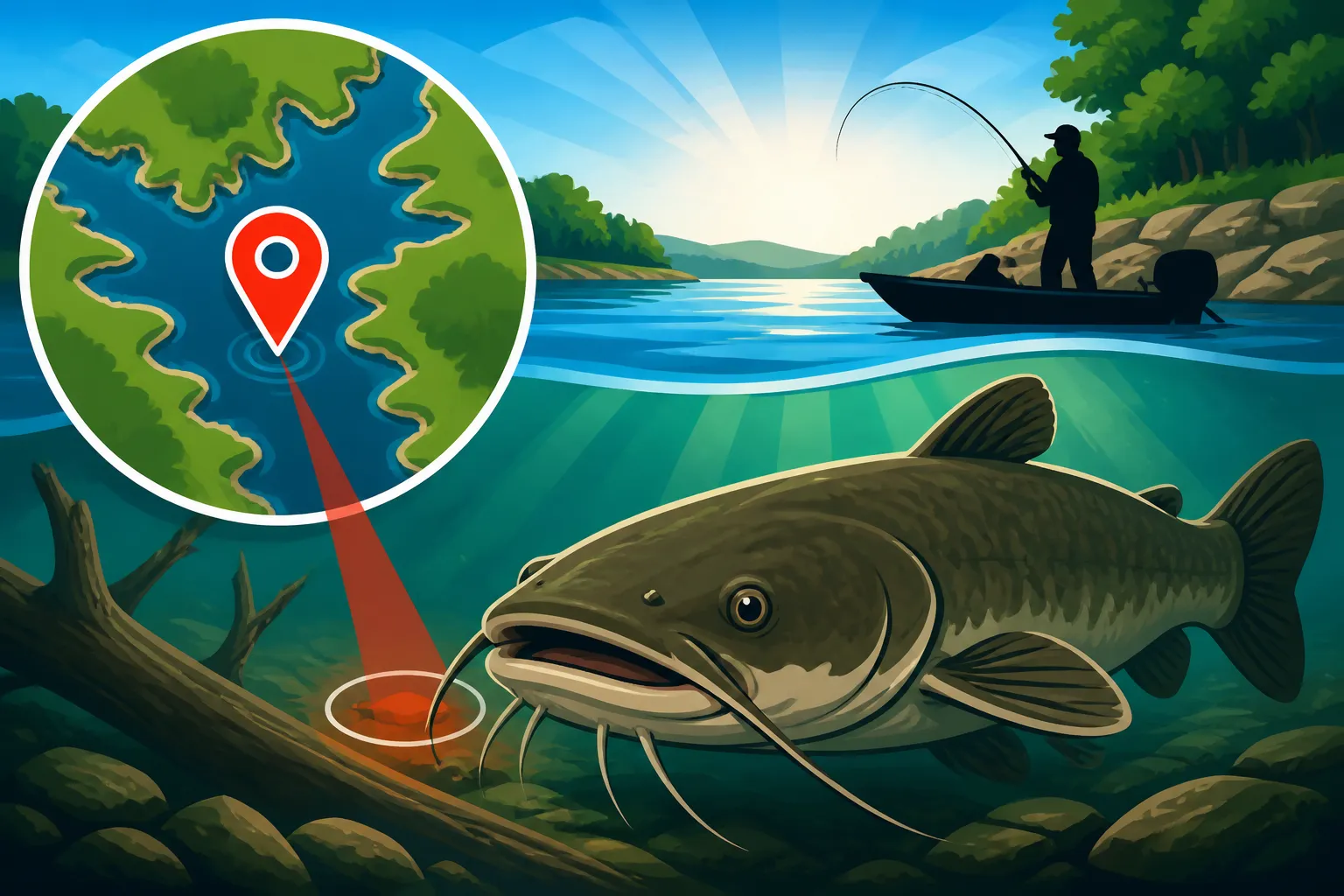
Best Spot to Catch Flathead Catfish on Watts Bar Lake, Tennessee
Trying to pin down the best spot for flathead catfish on Watts Bar Lake can feel like searching for a needle in a haystact. This sprawling reservoir, formed by the Tennessee River, is massive, offering countless coves, channels, and structures, making it both a dream and a puzzle for anglers. If you've ever felt overwhelmed by its sheer size, wondering where to even begin your quest for those elusive, hard-fighting flatheads, you're not alone. This comprehensive guide is designed to cut through the confusion, revealing the prime locations and strategies to help you hook into the biggest flathead of your life on Watts Bar.
The Elusive Flathead Catfish on Watts Bar Lake
Flathead catfish are truly a unique challenge among Tennessee's freshwater species. They aren't like channel catfish, which will pretty much eat anything you throw at them. Flatheads are predators, and they prefer to hunt. Watts Bar Lake, with its deep river channels, abundant baitfish, and varied structure, provides an ideal environment for these giants to thrive, growing to impressive sizes.
Understanding Flathead Behavior and Habitat Preferences
Flathead catfish are ambush predators. They love to hide out in dark, deep spots, waiting for an unsuspecting meal to swim by. On Watts Bar, this means they’re often found associated with submerged timber, rock piles, ledges, and deep holes within the old river channel. They're not going to be cruising the shallow flats in broad daylight, at least not the big ones you're after. These fish are nocturnal by nature, preferring to do their serious feeding under the cover of darkness or during periods of low light.
During the day, flatheads will retreat to the densest cover they can find – think massive log jams, deep brush piles, or undercut banks along the main river channel and major tributaries. They want to feel secure, protected from light and current. As evening approaches, they'll start moving out of their daytime sanctuaries to patrol nearby feeding grounds, which might be slightly shallower ledges, points, or the edges of flats where baitfish congregate. This behavioral pattern is absolutely key to understanding where and when to target them.
Why Watts Bar is a Prime Flathead Fishery
Watts Bar Lake, straddling the Tennessee River between Knoxville and Chattanooga, offers over 700 miles of shoreline and nearly 39,000 acres of water. Its sheer size and the presence of the main Tennessee River current running through it create an incredibly dynamic environment that flatheads adore. The lake is a series of old river bends, deep scour holes, and vast submerged timber fields, all of which scream "flathead paradise." Unlike some smaller, shallower lakes, Watts Bar has the depth and the current to support a robust population of large, healthy flatheads.
The constant flow of the river also brings a steady supply of fresh oxygen and baitfish, fueling the growth of these predatory cats. Places where the current is slightly broken, creating eddies or slack water pockets near deeper structure, are particularly attractive to flatheads. They can sit just out of the main current, conserving energy, and dart out to ambush prey. The sheer volume of habitat means there's always a new spot to explore, but knowing the typical haunts makes the search far more efficient.
Pinpointing the Best Flathead Hotspots on Watts Bar
Okay, let's get down to brass tacks. While flatheads can be found throughout Watts Bar, certain areas consistently produce more and larger fish. It's about looking for specific combinations of depth, current, and cover.
River Channels and Deep Structure
The most productive areas for flathead catfish on Watts Bar are almost always tied to the main Tennessee River channel. This isn't just about depth; it's about the underwater topography and the consistent flow of water. Look for sharp bends in the old river channel, particularly where the outside bend has been scoured deep. These deep holes, often 40-60 feet or more, are prime staging areas.
Beyond just the depth, pay close attention to any significant structure within or along the edges of these channels. Submerged bridge pilings, old roadbeds, large rock piles, and especially massive log jams create the kind of complex cover that flatheads can hide in. A fish finder is an invaluable tool here, not just for marking fish, but for identifying these subtle changes in bottom contour and structure. You're looking for sudden drops, shelves, and points that extend into the channel. Many anglers find success focusing on the stretch of Watts Bar that runs from the Watts Bar Dam itself downstream towards the Kingston Steam Plant, where the river channel remains distinct and offers numerous deep, current-swept ambush points.
Key Tributary Confluences and Creek Mouths
While the main river channel is critical, don't overlook where major tributaries or large creeks feed into Watts Bar. These junctions are ecological hotspots, drawing in baitfish and creating diverse underwater environments. When a creek enters the main lake, it often carves out its own mini-channel and creates a fan-like delta of sediment. Flatheads will patrol these areas, especially at night, targeting baitfish that move in and out of the shallower creek arms.
Some of the most consistent spots on Watts Bar for this type of fishing include the mouths of the Clinch River and the Emory River. These are significant waterways that introduce a lot of current and nutrient-rich water into Watts Bar. Look for the deepest parts of these creek channels where they merge with the main lake, particularly where there's submerged timber or abrupt depth changes. The areas around Kingston, where the Clinch and Emory join, can be incredibly productive. These river mouths offer a slightly different current dynamic than the main lake, often presenting more varied bottom structure and current seams that flatheads utilize.
Navigating Watts Bar's Expansive Waters
Watts Bar is huge, and covering it effectively requires a strategy. Don't try to fish the entire lake in one trip. Focus on one section, perhaps the upper end near Kingston, the mid-lake region around Spring City, or the lower end closer to the dam. Consider hiring a local fishing guide, especially if you're new to the area. Services like FishingBooker can connect you with experienced catfish guides on Watts Bar who know the lake's nuances and current hot spots inside out. They can save you countless hours of searching and put you directly on the fish.
When you're out on the water, pay attention to current lines, eddies, and even floating debris, as these can indicate underwater features or current breaks that flatheads prefer. Mark your successful spots on your GPS, not just for future trips, but to help you understand the patterns of where these fish congregate. Remember that the Watts Bar Dam controls water flow, and changes in generation schedules can significantly affect current and fish behavior. Always check the current generation schedules if you plan to fish near the dam or in the main river channel.
Proven Techniques and Baits for Watts Bar Flatheads
Catching flathead catfish on Watts Bar isn't usually about casting and retrieving a lure. It's a game of patience, proper bait presentation, and often, fishing after dark.
Live Bait is King: What Works Best
Without a doubt, live bait is the most effective offering for flathead catfish. These fish are predators, and they prefer a struggling, fresh meal. The best live baits are typically local forage fish that flatheads are accustomed to eating.
- Bluegill: Small to medium-sized bluegill (3-7 inches) are universally considered prime flathead bait. They're tough, lively, and a natural food source in Watts Bar. You can often catch them right in the shallower coves or around docks on the lake using small hooks and worms.
- Shad: Gizzard shad and threadfin shad are also excellent choices, especially if you can get fresh ones. They are plentiful in Watts Bar and a staple in the flathead diet. Cast netting for fresh shad just before a fishing trip can significantly increase your chances.
- Other Panfish: Small drum, carp, or even small creek chubs can also work well. The key is live and fresh.
Keep your bait healthy! A good bait tank with aeration is essential to keep your lively offerings kicking. Flatheads are often picky, and a sluggish bait might get ignored. When you're fishing on a lake as large and productive as Watts Bar, having the right bait can make all the difference. For more detailed insights, you might want to read up on the Best Live Bait for Flathead Catfish.
Essential Rigging and Tackle Considerations
For flathead catfish on Watts Bar, you need serious gear. These fish grow large and fight hard, especially in current.
- Rods: Look for heavy to extra-heavy action rods, 7 to 9 feet long. These rods need backbone to handle big fish and heavy weights.
- Reels: Large baitcasting reels or robust spinning reels with a good drag system are necessary. You'll want something that can hold at least 150-200 yards of 30-50 lb monofilament or 60-80 lb braided line.
- Line: Braided line is often preferred for its strength and sensitivity, allowing you to feel subtle bites even with heavy current. A fluorocarbon leader (50-80 lb) can be used for abrasion resistance around structure.
- Hooks: Circle hooks are highly recommended for flatheads, usually in sizes 8/0 to 12/0. They promote jaw hook-ups, which are better for the fish if you plan to release them, and they're incredibly effective at preventing gut hooks.
- Weights: You'll need substantial weights to hold your bait on the bottom in the current. Pyramid, no-roll, or flat sinkers ranging from 3 to 8 ounces are common.
- Rigs: A simple slip-sinker rig or a Santee Cooper rig are popular choices. The slip-sinker allows the fish to take the bait without feeling the weight, while the Santee Cooper rig keeps your bait slightly off the bottom, preventing it from getting buried in muck or weeds. Learning How to Anchor for Catfish in a River is also crucial for proper bait presentation in Watts Bar's current.
| Rig Type | Description | Ideal Use Case on Watts Bar | Bait Presentation |
|---|---|---|---|
| Slip-Sinker Rig | Weight slides freely on main line, then a swivel, leader, and hook. | General bottom fishing in moderate current, near structure. | Bait directly on the bottom. |
| Santee Cooper Rig | Similar to slip-sinker, but with a float between swivel and hook. | Keeps live bait slightly suspended above snags/muck on the bottom. | Bait hovers 6-18 inches off the bottom. |
| Carolina Rig | Weight and bead slide on main line, then swivel, leader, and hook. | Less common for flatheads but can be used for casting to specific spots. | Bait drags along the bottom. |
Night Fishing for Flatheads: A Strategic Advantage
As mentioned, flatheads are predominantly nocturnal. While you can catch them during the day, especially in heavily overcast conditions or after a cold front, your best chances for trophy fish on Watts Bar will almost always come after sunset. They move out of their deepest hiding spots to hunt in slightly shallower, more accessible areas.
When night fishing, consider safety first. Bring navigation lights, headlamps, and know your fishing spot well. Positioning your boat upstream of a known flathead hangout and letting your baits drift naturally down into their ambush zones can be incredibly effective. Pay attention to changes in current or sudden drops in depth. The hours just after dusk and just before dawn are often the most productive. For a deeper dive into this, check out Night Fishing Techniques for Catfish.
Timing Your Flathead Catfish Adventure
Knowing where to fish is only half the battle; knowing when to fish is just as important, especially for elusive flatheads.
Best Seasons for Trophy Flatheads
While flathead catfish can be caught year-round in Watts Bar Lake, certain seasons definitely stand out for targeting trophy-sized fish.
- Late Spring to Early Summer (May-June): This is arguably the prime time. As water temperatures rise into the 60s and 70s, flatheads become extremely active, feeding aggressively to prepare for and recover from the spawn. They’re often found in slightly shallower areas than usual, making them more accessible. The period just before the spawn is when they're packing on weight, and post-spawn, they're hungry.
- Fall (September-October): As the weather cools and baitfish begin to school up, flatheads go on another feeding binge, preparing for winter. They can be found in similar deep-water haunts as summer but are often more aggressive during daylight hours as well. The cooler temperatures make for more comfortable fishing for anglers, too!
- Summer (July-August): While flatheads are active, the extreme heat of mid-summer can push them into the deepest, coolest, and most oxygenated parts of Watts Bar. Night fishing becomes even more critical during these months.
- Winter (November-April): Fishing for flatheads in winter is tough. They become lethargic and less active, holding in deep holes. While occasional catches happen, it's not the best time for consistent action or trophy hunting.
For a comprehensive overview of when these powerful fish are most active, read our guide on the Best Time of Year to Catch Catfish.
Daily Patterns and Weather Influences
Beyond the season, daily patterns and weather play a huge role. As discussed, flatheads love low light. This means dusk, throughout the night, and dawn are your prime windows. On exceptionally overcast days, they might extend their feeding forays into daylight hours.
Weather changes can also trigger feeding activity. A stable period of warm weather in spring or fall, followed by a slight dip in barometric pressure (like before a mild storm front), can ignite a flathead bite. Conversely, a severe cold front can shut them down for several days. Heavy rain can also stir up baitfish and add turbidity, which flatheads often appreciate, as it provides more cover for their ambush tactics. Keep an eye on the weather forecast and try to time your trips to coincide with these favorable conditions.
Remember, every trip out on Watts Bar Lake is an adventure, and with the right knowledge of flathead behavior, prime locations, and proven techniques, you'll be well on your way to catching that fish of a lifetime. And if you're looking for an experienced hand to guide you, don't hesitate to check out options on platforms like FishingBooker for a local expert.
Disclaimer
Fishing conditions and regulations in Tennessee can change. Always consult the latest Tennessee Wildlife Resources Agency (TWRA) regulations before heading out on the water. This guide is for informational purposes only and does not constitute official advice.