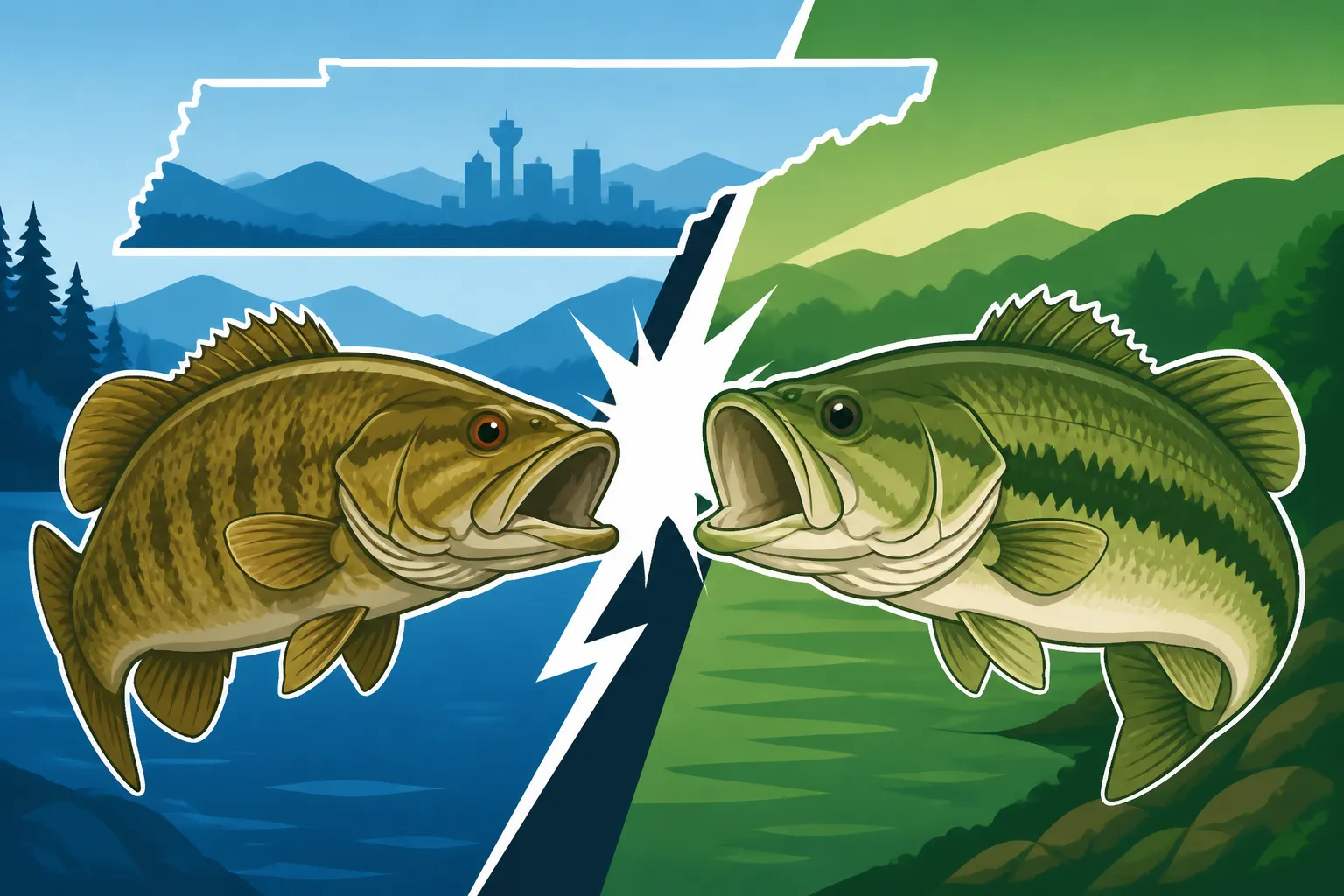
Smallmouth Bass vs Largemouth Bass: What’s the Difference?
It's incredibly common for anglers, whether you're a seasoned pro or just starting out in Tennessee, to sometimes scratch their heads trying to differentiate between smallmouth bass and largemouth bass. These two popular sport fish might look similar at a glance, but they have distinct features, preferred habitats, and even temperaments that can make a huge difference in how you target them. This comprehensive guide will equip you with the knowledge to easily tell them apart, understand their behaviors, and ultimately, become a more successful bass angler on Tennessee's diverse waterways.
The Tale of Two Bass: Key Physical Distinctions
When you pull a bass out of the water, that moment of identification can be exciting, and sometimes, a little confusing! While both are members of the black bass family, their physical traits offer clear indicators once you know what to look for. Think of it like distinguishing between two different breeds of dog – they're both dogs, but their features are quite specific.
Mouth Size and Jawline Clues
The most reliable and often cited difference between a largemouth and a smallmouth bass is right there in their name: their mouths. This is usually the first thing I look for when I'm holding a fish.
- Largemouth Bass: As their name suggests, largemouth bass have a significantly larger mouth. If you close the fish's mouth and extend the jawline, you'll notice that the corner of its mouth extends past the rear edge of its eye. It's almost like their jaw is disproportionately long compared to the rest of their head. This large gape allows them to gulp down substantial prey, which ties into their predatory nature.
- Smallmouth Bass: In contrast, the smallmouth bass has a more modest mouth. When you close its mouth, the jawline will typically not extend past the rear edge of its eye. Instead, it stops right about under the middle or front of the eye. This difference is often quite stark, making it an excellent primary identifier.
Imagine you're out on Chickamauga Lake, known for its trophy bass. You hook into a monster. As you bring it aboard, the first thing you might instinctively do is check that jawline. If it stretches far beyond the eye, you've likely got a true bucketmouth, a largemouth bass, ready for its photo op. If you're on a cooler, rockier river, like the upper Cumberland, and you land a feisty fish whose jaw stops neatly under its eye, you're almost certainly holding a smallmouth.
Coloration, Markings, and Dorsal Fin Details
Beyond the mouth, their skin patterns and even their fins can give you strong hints. These can vary based on water clarity, diet, and even genetics, but general trends hold true.
- Largemouth Bass: Generally, largemouth bass exhibit a darker green coloration, often with a prominent, jagged horizontal stripe or band running along their sides from gill plate to tail. This stripe can be very distinct in clear water or more mottled in murkier environments. Their belly is usually lighter, ranging from white to yellowish. Their dorsal fin, the one on top, has a very deep notch in the middle, almost making it look like two separate fins. This deeply notched dorsal fin is another key trait to look for.
- Smallmouth Bass: Smallmouth bass, on the other hand, tend to have a more bronze, brown, or golden-brown hue. Instead of a horizontal stripe, they often display a series of vertical bars or blotches along their sides, which can sometimes appear as tiger stripes, especially in vibrant, clear water. Their eyes might also appear reddish. The dorsal fin of a smallmouth bass has a much shallower notch, appearing more as a single, continuous fin rather than two distinct ones.
Think about fishing Percy Priest Lake, where largemouth dominate the weedy flats. You'll often see that distinct green and dark lateral stripe. Now picture a smallmouth from Dale Hollow Lake Smallmouth Bass Fishing, often regarded as a smallmouth paradise. That fish will likely shimmer with bronze tones and have those characteristic vertical bars, perfectly camouflaging it among rocks.
Body Shape and Fin Structure
While more subtle, the overall body shape and the subtle differences in fin structure can also add to your identification confidence.
- Largemouth Bass: Largemouth generally have a more robust, stocky, and somewhat deeper body profile. They appear more "slab-sided" and can look quite round, especially when they're well-fed. Their tail fin tends to be broader and more rounded at the edges.
- Smallmouth Bass: Smallmouth bass boast a more streamlined, torpedo-like body. They are often described as being more muscular and compact, built for battling currents and navigating rocky structures. Their tail fin is typically less rounded and can sometimes appear slightly more forked, designed for powerful bursts of speed.
When you're trying to figure out if you've landed a Largemouth Bass Identification Tips for Tennessee Anglers or its smaller-mouthed cousin, consider holding the fish horizontally and looking at its silhouette. The largemouth will likely look beefier, while the smallmouth will appear sleeker, built for speed and agility in tougher conditions.
Understanding Their Worlds: Habitat and Behavior
Knowing where these fish prefer to live and what they like to eat is just as important as knowing what they look like. It helps you anticipate their presence and adjust your tactics accordingly. It's like knowing whether a deer prefers open fields or dense woods – it guides your hunting strategy.
Preferred Water Types and Structures
Their preferences for specific environments largely dictate where you'll find them across Tennessee's diverse aquatic landscape.
- Largemouth Bass: These fish are warm-water lovers. You'll typically find them in calmer, often murkier waters with an abundance of aquatic vegetation, submerged timber, and man-made cover. Think lily pads, hydrilla beds, fallen trees, docks, and brush piles in lakes, ponds, and slow-moving rivers. They are ambush predators, and these types of cover provide perfect hiding spots from which to launch surprise attacks on unsuspecting prey. In Tennessee, you'll find them thriving in places like Kentucky Lake, Chickamauga Lake, and Old Hickory Lake, where expansive shallow flats and abundant cover are common.
- Smallmouth Bass: Smallmouth bass, true to their "bronze back" nickname, prefer cooler, clearer, and often rockier environments. They thrive in faster-moving rivers, clear mountain streams, and the deeper, rock-laden sections of large reservoirs. Look for them around rocky points, ledges, humps, gravel beds, current breaks, and underwater boulders. They are less reliant on dense vegetation and more on structure that provides current breaks and ambush points. In Tennessee, iconic smallmouth fisheries include Dale Hollow Lake, Norris Lake, and the Cumberland River system, especially its upper reaches. Best Rivers for Smallmouth Bass Fishing in Tennessee are often those with good current and rocky bottoms.
If you're fishing a quiet, shallow cove on Watts Bar Lake with lots of stumps, you're almost certainly in largemouth territory. But if you motor out to the main lake channel, near a steep rocky bluff with some current, you'll be switching your focus to smallmouth bass.
Diet and Feeding Habits
Their habitat preferences naturally influence what ends up on their dinner plate and how they go about getting it.
- Largemouth Bass: Being masters of ambush, largemouth bass are opportunistic feeders with a broad diet. They will eat almost anything they can fit into their sizable mouths. This includes smaller fish like bluegill, shiners, and shad, as well as frogs, crawfish, lizards, snakes, and even small birds or ducklings that happen to fall into the water. They often lie in wait, concealed in cover, and then strike quickly and aggressively when prey comes within range. Their feeding can be explosive, especially with topwater lures.
- Smallmouth Bass: Smallmouth bass are generally more active hunters, patrolling their rocky domains for food. Their diet is often dominated by crawfish, which is a major food source in their preferred rocky habitats. They also consume a variety of baitfish such as minnows, shad, and emerald shiners, along with aquatic insects. Smallmouth are known for their strong eyesight and will often chase down their prey, making them great targets for moving baits and finesse presentations.
If you’re trying to tempt a largemouth, a big, juicy frog imitation dragged over lily pads might be the ticket. But for a smallmouth, a crawfish-colored tube jig bounced along a rocky bottom is often irresistible.
Spawning and Seasonal Movements
Both species undergo similar seasonal patterns, but their specific preferences during these times differ. Understanding these nuances is key to year-round success. Tennessee Bass Fishing Seasons and Patterns are distinct for each species.
- Largemouth Bass: Largemouth typically spawn in the spring when water temperatures reach the mid-60s Fahrenheit. They prefer shallower, protected coves with soft bottoms, usually near some form of vegetation or wood cover. Males guard the nests aggressively. After the spawn, they'll often move to deeper offshore structure or remain in heavy cover in shallower areas during summer heat. In winter, they'll seek deeper water with more stable temperatures.
- Smallmouth Bass: Smallmouth also spawn in the spring, generally a bit earlier than largemouth, when water temperatures are in the low to mid-60s. They seek out clean, gravelly or rocky bottoms in shallower areas, often near points or humps, where they can fan out a nest. They are very sensitive to cold fronts during this time. Post-spawn, they will typically disperse to deeper, cooler main lake points, ledges, or river channels. During hot summer months, they often seek refuge in deeper, oxygen-rich water on main lake humps or current breaks.
Knowing these patterns can significantly boost your success. For instance, in early spring, while largemouth might still be staging in slightly deeper channels outside spawning flats, smallmouth might already be up on those rocky points beginning to make their beds.
Angling for Success: Techniques and Tackle
Since these two bass species differ so much in appearance and behavior, it only makes sense that your fishing techniques and even your gear choices will need to adapt. What works wonders for one might get you nothing but frustration with the other.
Lures and Baits for Largemouth Bass
Targeting largemouth often involves presenting baits that mimic their diverse diet and exploit their ambush style.
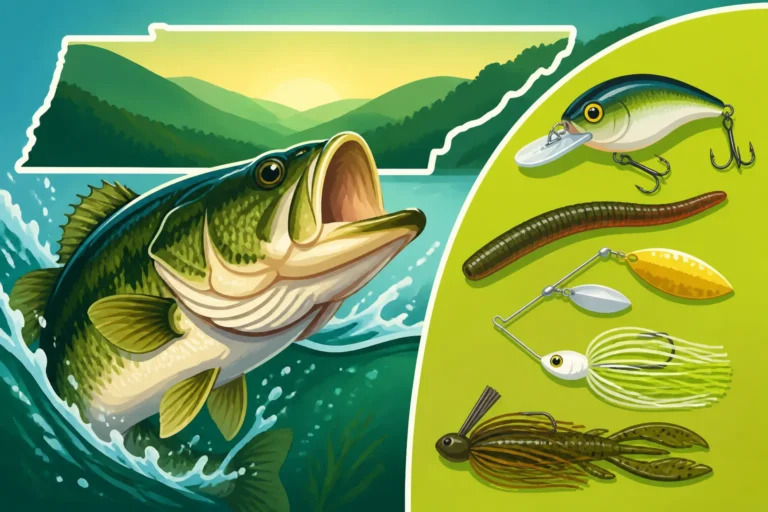
- Topwater Lures: Think frogs, poppers, and buzzbaits. These are fantastic for largemouth, especially in low light or when fish are active in shallow, weedy areas. A frog pulled across lily pads is a classic largemouth presentation.
- Spinnerbaits and Bladed Jigs: These excel when fished around submerged timber, docks, or sparse grass. Their flash and vibration can draw strikes from aggressive largemouth.
- Soft Plastics: Texas-rigged worms, creature baits, and jigs with bulky trailers are go-to choices for pitching into heavy cover. These allow you to penetrate dense vegetation without snagging, enticing a hidden largemouth to strike. For a good selection, check out various soft plastic baits on Amazon.
- Crankbaits: Medium-diving and shallow-diving crankbaits are effective for covering water and targeting largemouth near structure or along drop-offs.
- Live Bait: Shiners, bluegill, or even crawfish can be very effective, especially when fished under a bobber near cover.
Consider trying different lure styles like a Best Lures for Pre-Spawn Bass Fishing or Best Lures for Post-Spawn Bass Fishing depending on the season, as largemouth patterns shift.
Lures and Baits for Smallmouth Bass
Smallmouth require a slightly different approach, often favoring finesse, speed, and baits that imitate crawfish or small baitfish.
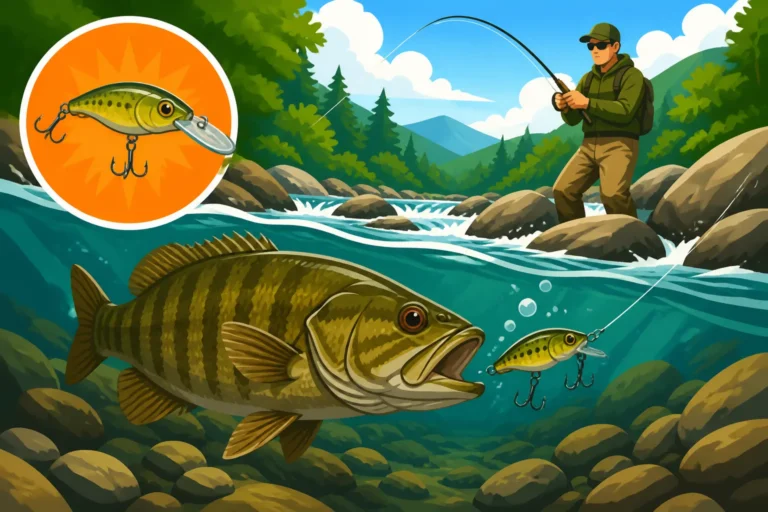
- Tubes and Grubs: These are absolute smallmouth magnets when fished along rocky bottoms or around ledges. Their subtle action perfectly mimics crawfish or injured baitfish.
- Jerkbaits and Small Crankbaits: For aggressive smallmouth, especially in clear water, jerkbaits that suspend and small crankbaits that dive to rocky depths can be incredibly effective. Smallmouth often respond well to erratic, fast-moving presentations.
- Drop Shot Rigs and Ned Rigs: These finesse techniques are stellar for presenting small worms or soft plastic creature baits to smallmouth holding on deep structure. They allow for a subtle presentation that can trigger bites from wary fish.
- Hair Jigs and Underspins: In cooler water, hair jigs can be deadly for smallmouth, mimicking small baitfish. Underspins, with their subtle flash, also work well. You can find excellent options for these on Amazon.
- Live Bait: Minnows and crawfish are king for smallmouth, often fished on a simple hook and split shot rig, or under a bobber in current. Best Bait for Smallmouth Bass in Cold Water will often involve live bait.
When fishing for smallmouth, especially in clear water, think subtle movements and realistic bait profiles. Their keen eyesight makes them more discerning.
Rods, Reels, and Line Choices
Your gear setup can also be optimized for each species, enhancing your sensitivity and fighting power.
- For Largemouth Bass: Because largemouth often inhabit heavy cover and strike aggressively, you'll typically want heavier tackle.
- Rods: Medium-heavy to heavy power rods with a fast or extra-fast action. This provides the backbone to pull fish out of cover and make accurate pitches.
- Reels: Baitcasting reels are standard for largemouth, offering power and control for heavier lines and lures.
- Line: You'll often use heavier lines, ranging from 12-20 lb monofilament or fluorocarbon, or even 30-65 lb braided line, especially when punching through mats or fishing dense brush.
- For Smallmouth Bass: Smallmouth often require a more finessed approach and frequently strike in open water, so lighter, more sensitive tackle is preferred.
- Rods: Medium to medium-light power spinning rods with a fast action. This allows for lighter lure presentations and better feel for subtle bites.
- Reels: Spinning reels are the go-to for smallmouth fishing, excelling with lighter lines and smaller baits.
- Line: Lighter lines, typically 6-12 lb fluorocarbon or monofilament, are common. Some anglers prefer a braided main line with a fluorocarbon leader for maximum sensitivity while still maintaining abrasion resistance against rocks. You can find quality fishing line options on Amazon.
Tennessee-Specific Considerations and Conservation
Tennessee offers incredible fishing opportunities for both smallmouth and largemouth bass, but knowing where each species thrives and understanding state regulations is paramount.
Geographic Distribution Across Tennessee
Tennessee is blessed with diverse waterways, from highland reservoirs to meandering rivers, each favoring one species over the other.
- Largemouth Bass: You'll find largemouth in virtually every major lake and river system in the state, particularly those with warmer water and abundant shallow cover. East Tennessee’s Chickamauga Lake has a national reputation for giant largemouth, while central Tennessee’s Percy Priest and Old Hickory lakes offer fantastic largemouth action. West Tennessee's Reelfoot Lake, a unique cypress-studded natural lake, is also a largemouth paradise.
- Smallmouth Bass: Smallmouth are more concentrated in the cooler, clearer, rockier waters, particularly in the highland reservoirs of East and Middle Tennessee. Dale Hollow Lake, Norris Lake, Center Hill Lake, and Melton Hill Lake are all renowned for their smallmouth populations. The larger river systems like the Tennessee River and Cumberland River also hold excellent smallmouth in their upstream sections and areas with significant current and rock structure. Smallmouth Bass: Tennessee's Official State Fish thrives in these environments.
If you're planning a trip to the eastern part of the state, especially near the mountains, you're more likely to encounter smallmouth in significant numbers. Head west or to the large, warmer reservoirs, and largemouth will likely dominate your catch.
Regulations and Catch Limits
Understanding the specific regulations for each species is not just about avoiding fines; it's about contributing to sustainable fisheries. Tennessee Fishing Regulations Explained are crucial for every angler.
Tennessee has statewide regulations for both largemouth and smallmouth bass, but these can vary by water body. It's absolutely essential to check the latest Tennessee Wildlife Resources Agency (TWRA) fishing guide or website for the specific lake or river you plan to fish, as some waters have special regulations that supersede the statewide limits.
- Largemouth Bass Limits: Generally, the statewide daily creel limit for largemouth bass is five fish, with only one fish over 18 inches. This means you can keep smaller fish, but trophy-sized ones are often protected to maintain a healthy population of large breeders. Tennessee's Largemouth Bass Limit Is 5 Per Day, Only 1 Over 18 Inches
- Smallmouth Bass Limits: For smallmouth bass, the statewide daily creel limit is also typically five fish, but the size restriction is usually one fish over 16 inches. Again, specific lakes might have different rules, so always verify. Tennessee's Smallmouth Bass Limit Explained
A good rule of thumb is that if you're not sure which bass species you have, measure it and assume the stricter size limit applies, or release it carefully. This responsible angling practice helps protect our fisheries for future generations.
The Importance of Accurate Identification
Beyond just following the rules, being able to accurately identify your catch enhances your entire fishing experience.
- Conservation: Correct identification ensures you comply with specific length and creel limits, which are designed to manage fish populations effectively. Keeping a fish you misidentified can lead to penalties and, more importantly, can harm conservation efforts.
- Strategy: Knowing which species you're catching helps you refine your techniques. If you're consistently catching smallmouth on a particular lure and spot, it tells you a lot about what works for them in that environment. Conversely, if you're targeting largemouth but only catching smallmouth, you might need to adjust your location or presentation.
- Reporting: If you participate in tournaments or simply keep a fishing log, accurate identification allows for better data collection, which can be useful for both personal improvement and broader fisheries management.
Learning these differences is a fundamental step in becoming a more skilled and knowledgeable angler. It's not just about what you catch, but understanding the intricate world beneath the surface that makes Tennessee fishing so special.
Here's a quick reference table summarizing the key differences:
| Feature | Largemouth Bass | Smallmouth Bass |
|---|---|---|
| Mouth Size | Jaw extends beyond the eye | Jaw does not extend beyond the eye |
| Coloration | Green, often with a distinct horizontal stripe | Bronze, brown, or golden, often with vertical bars |
| Dorsal Fin | Deeply notched, appears like two separate fins | Shallower notch, appears more continuous |
| Body Shape | Stocky, deeper, more slab-sided | Streamlined, torpedo-like, muscular |
| Habitat | Warm, weedy, shallow, murky water, heavy cover | Cooler, clear, rocky water, current breaks, deep structure |
| Primary Diet | Bluegill, shiners, frogs, crawfish, wide variety | Crawfish, minnows, insects, small baitfish |
| Typical Lures | Topwater, spinnerbaits, jigs, Texas rigs, crankbaits | Tubes, grubs, jerkbaits, drop shots, hair jigs, small crankbaits |
| Statewide Limit | 5 fish, only 1 over 18 inches (check local rules) | 5 fish, only 1 over 16 inches (check local rules) |
Disclaimer
This article is for general informational purposes only and does not constitute professional advice. Laws, prices and regulations vary by location and change over time. Consult a qualified professional for guidance on your specific situation.