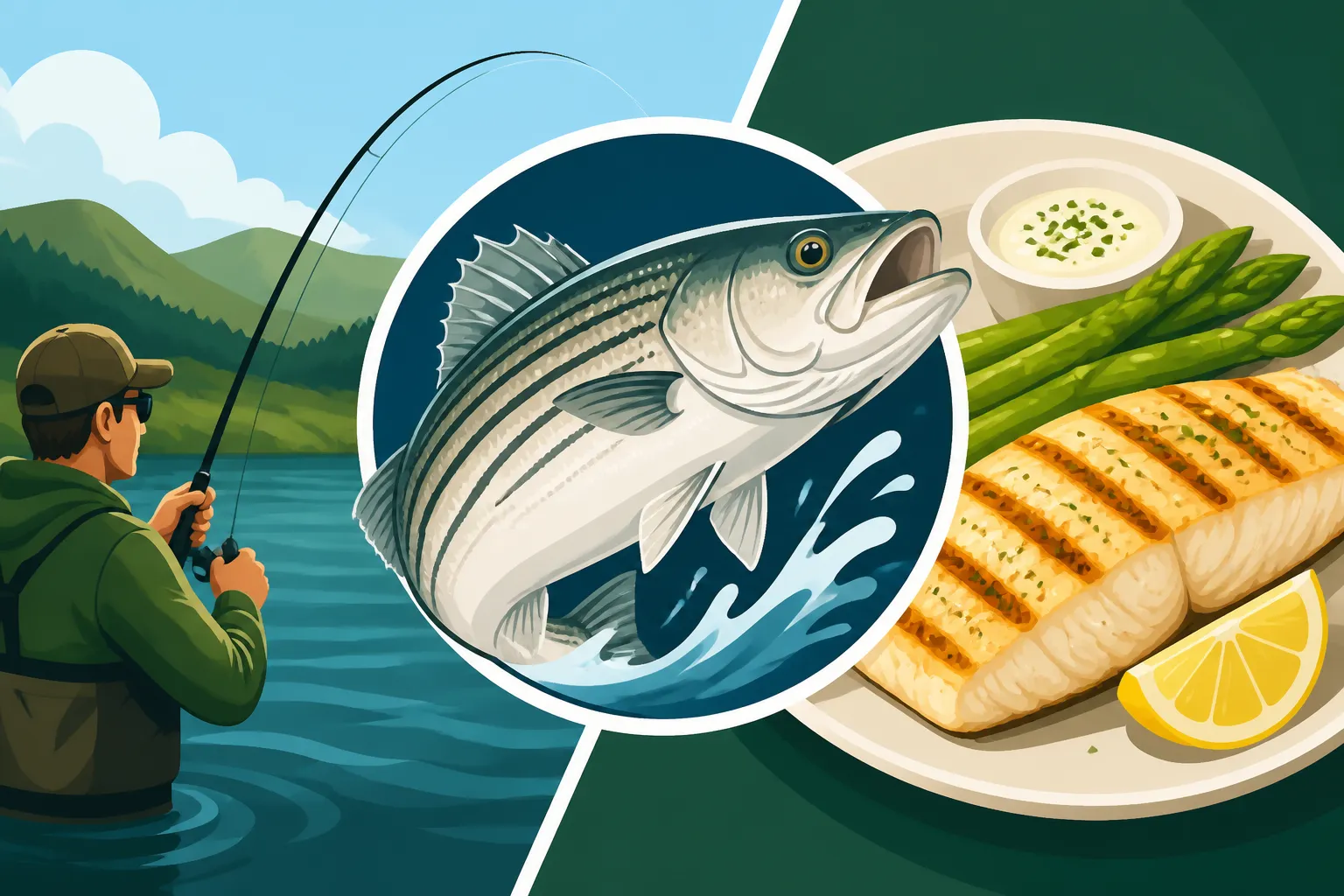
Is Striped Bass Good to Eat?
Many anglers, especially those new to targeting the powerful striped bass in Tennessee's sprawling reservoirs, often wonder, "Is this fish actually good to eat?" It's a completely fair question, as the taste and texture of any fish can vary wildly, and you want to make sure your efforts on the water translate to a delicious meal at home. This guide will walk you through everything you need to know about the culinary quality of Tennessee striped bass, from what affects its flavor to how best to prepare it for your dinner table.
Understanding Striped Bass in Tennessee Waters
Striped bass, often called "stripers" by us seasoned anglers, are a fantastic sport fish known for their incredible fighting spirit. They're a favorite target across Tennessee, thriving in many of our larger impoundments. But beyond the thrill of the catch, how do they measure up as table fare? The answer, like with many things in fishing, isn't a simple yes or no; it's nuanced and largely depends on a few key factors.
Where Striped Bass Thrive in Tennessee
Tennessee's unique geography, with its vast network of reservoirs, provides ideal habitat for striped bass. Lakes like Norris, Watts Bar, Percy Priest, and Cherokee are particularly famous for their healthy populations of both purebred striped bass and their hybrid cousins. These are huge bodies of water, offering deep, cool sections that stripers absolutely adore, especially during the warmer months. You can find detailed information about where these fish congregate in guides like Striped Bass Fishing in Tennessee Reservoirs. The sheer size of these lakes means stripers have plenty of room to roam and grow, often reaching impressive sizes.
However, the environment they live in plays a significant role in their taste. Fish caught from deeper, cooler, and clearer waters generally tend to have a cleaner, less "muddy" flavor. Our Tennessee reservoirs, especially the deeper ones, usually provide this kind of pristine environment, which is good news for your palate. A striper caught from a shallow, warm, silty cove might not taste quite as fresh as one pulled from a deep, cold main lake channel.
Native vs. Hybrid Stripers: What's the Difference for the Table?
In Tennessee, you'll encounter both purebred striped bass and hybrid striped bass. The hybrids are a cross between a striped bass and a white bass, often stocked by the Tennessee Wildlife Resources Agency (TWRA) because they grow fast and fight hard. For most casual anglers, telling the difference can be tricky, but there are guides like Striped Bass vs Hybrid Striped Bass: What's the Difference? that can help. From a culinary perspective, both are generally considered good to eat, but some anglers have preferences.
Purebred stripers tend to grow larger, often exceeding 20 pounds, while hybrids usually top out around 10-15 pounds in our lakes. The general consensus is that smaller, younger fish of both types tend to have a milder, more delicate flavor and finer texture. As fish get larger and older, their flesh can sometimes become tougher and their flavor stronger, though this isn't always a negative if you prefer a more robust fish taste. Many find that the hybrid stripers, being typically smaller, offer a consistently excellent eating experience, often described as flaky and moist.
The Flavor Profile and Texture of Striped Bass
So, let's get down to the core question: what does striped bass actually taste like? It's a question every angler asks after a good day on the water, contemplating that fresh catch. Striped bass are renowned for their lean, firm, white meat, which holds up beautifully to a variety of cooking methods. It’s generally a mild-flavored fish, making it quite versatile.
What to Expect from Freshly Caught Striper
When you catch a fresh striper from one of Tennessee's clean reservoirs, you can expect a truly delicious experience. The flesh is typically white, flaky, and moist when cooked properly. It has a firm texture, not mushy or overly delicate, which means it holds together well on the grill or in a pan. The flavor is mild, often described as clean and subtly sweet, without being overly "fishy." This makes it a fantastic choice for people who might be hesitant about stronger-tasting fish.
Comparing it to other popular fish, a fresh striper might remind you a bit of mahi-mahi or even cod, but with a slightly firmer texture. It's certainly a step up for many from, say, a catfish (though I love a good catfish fry too!). The key word here is "freshly caught." Like most fish, the quality diminishes quickly once caught if not handled properly. That's why post-catch care is so critical to preserving that wonderful, mild flavor.
Factors Influencing Taste and Quality
Several factors can dramatically influence the taste and texture of your striped bass. Ignoring these can turn a potentially great meal into a disappointing one.
One of the biggest factors is water temperature. Stripers caught from colder water (during late fall, winter, or early spring, or from deep, thermoclined areas in summer) tend to have firmer flesh and a cleaner taste because their metabolism is slower, and they store less fat. Fish caught from warmer surface waters in mid-summer might have a slightly softer texture and a stronger, sometimes oilier taste.
Diet also plays a role. Striped bass in Tennessee primarily feed on baitfish like shad, which contributes to their clean, white flesh. If they've been feeding heavily on something else, it could subtly alter the flavor, but this is less common in our major reservoirs.
Finally, and arguably most importantly, is post-catch care. This is where many anglers miss an opportunity to maximize their fish's flavor. The longer a fish struggles or is allowed to warm up after being caught, the more lactic acid builds up in its muscles, leading to a poorer quality taste and texture. We'll dive deeper into this in the next section, but just know that immediate, proper care is paramount.
Best Practices for Preparing Striped Bass
Alright, you've landed that beautiful striper from Norris Lake or Watts Bar – now what? Proper handling from the moment it leaves the water to when it hits your plate is absolutely crucial for ensuring it tastes its very best. Don't let all that hard work go to waste!
Immediate Care After the Catch
This is the secret sauce for delicious striped bass. As soon as you land a striper you intend to keep, you should bleed it immediately. This is done by cutting the gills or severing the caudal artery (near the tail) and placing the fish in a cooler full of ice water. Bleeding removes blood from the flesh, which is a major contributor to "fishy" taste. It also helps preserve the color and firmness of the meat. A good, sharp fillet knife from a brand you trust, easily found on Amazon, is essential for this step.
Next, get that fish on ice, and lots of it. I'm not talking about just tossing a few cubes on top. You want your fish submerged in an ice-slurry, which is a mix of ice and a little water. This rapidly chills the fish, stopping bacterial growth and enzyme activity that break down the flesh and create off-flavors. Do this as soon as possible, ideally while still on the boat. A dedicated cooler filled with ice is just as important as your fishing rod. For longer trips, consider bringing an extra bag of ice or two.
Cooking Methods to Enhance Flavor
Striped bass is a versatile fish, and its mild flavor and firm texture lend themselves to many cooking methods.
Here's a quick rundown of popular methods:
- Grilling: This is a fantastic option for fillets or even whole, smaller fish. The firm flesh holds up well to the heat, and grilling imparts a lovely smoky flavor. A simple marinade of lemon, garlic, olive oil, and herbs like dill or parsley works wonders.
- Baking/Roasting: Perfect for larger fillets. Baking keeps the fish moist and allows you to infuse flavors with vegetables, wine, or broth. You can make a delicious parchment-wrapped striper with asparagus and cherry tomatoes.
- Pan-Searing: For quick and easy meals, pan-searing a skin-on fillet (skin side down first to get it crispy!) in a hot pan with a little butter or olive oil is hard to beat. A light dredge in seasoned flour or cornmeal gives a nice crust.
- Frying: While often associated with catfish or crappie, a properly breaded and fried striper fillet can be incredibly tasty. Just be careful not to overcook, as it can dry out quickly.
- Smoking: For something truly special, hot-smoking striped bass adds an incredible depth of flavor. It's a bit more involved but yields a fantastic result.
Remember, less is often more with fresh, quality fish. You don't need heavy sauces or overpowering spices to enjoy the natural deliciousness of a Tennessee striper.
| Cooking Method | Best For | Flavor Profile | Tips |
|---|---|---|---|
| Grilling | Fillets, Whole | Smoky, Clean | Marinade lightly, don't overcook. Skin-on helps. |
| Baking/Roasting | Fillets | Moist, Infused | Use aromatics (lemon, herbs) and a liquid base. |
| Pan-Searing | Fillets | Crispy Exterior, Tender Interior | High heat, quick cook. Start skin-side down. |
| Frying | Smaller Fillets | Crispy, Rich | Light breading, don't overcrowd the pan. |
| Smoking | Fillets | Deep, Smoky, Robust | Use mild wood chips, keep temperature low and slow. |
Avoiding Common Mistakes
To ensure your striped bass is always a treat, try to avoid these common pitfalls:
- Not Bleeding the Fish: As mentioned, this is huge. Skipping this step is the fastest way to a "fishy" tasting fillet.
- Not Icing Down Quickly: Allowing the fish to sit in a warm livewell or on a stringer for hours dramatically impacts quality. Get it on ice immediately!
- Overcooking: Striped bass is a lean fish and will dry out quickly if overcooked. Aim for an internal temperature of around 145°F. The flesh should flake easily with a fork but still be moist. A meat thermometer, easily purchased from Amazon, can be a great investment.
- Heavy Seasoning: While it can handle flavor, don't bury the natural taste of the fish with excessive spices or sauces. Let the fish shine! A simple sprinkle of salt, pepper, and a squeeze of lemon is often all you need.
- Poor Filleting: Taking the time to properly fillet your fish and remove any bloodline or dark meat near the skin can make a big difference in taste and presentation. This dark meat tends to have a stronger flavor. If you're unsure, there are many online tutorials, or you can ask an experienced angler for tips. Mastering your filleting technique will make every meal better.
Health Considerations and Consumption Advice
Beyond the delicious taste, it's always smart to think about the health aspects of the fish we consume. Striped bass can be a very healthy part of your diet, offering valuable nutrients. However, like many larger, predatory fish, there are also considerations regarding potential contaminants.
Mercury Levels and Safe Eating Guidelines
One common concern with larger, longer-lived fish like striped bass is mercury. Mercury accumulates in fish over their lifespan, and predatory fish at the top of the food chain tend to have higher levels. The good news is that agencies like the TWRA regularly monitor fish in Tennessee waters and provide consumption advisories. These advisories typically suggest limits on how much fish from certain bodies of water pregnant women, young children, and women who may become pregnant should eat. For the general population, the recommended consumption limits are usually less restrictive.
It's always a good practice to check the most current advisories for the specific lake or river you're fishing in Tennessee. You can usually find this information on the TWRA website. Generally, for most healthy adults, consuming striped bass in moderation as part of a varied diet is perfectly safe and beneficial. Choosing smaller, younger fish (within legal limits, of course) can also help reduce potential mercury exposure, as these fish have had less time to accumulate contaminants.
Dietary Benefits of Striped Bass
From a nutritional standpoint, striped bass is a real winner. It's a fantastic source of lean protein, making it an excellent choice for a healthy diet. Just like many other cold-water fish, it's also rich in Omega-3 fatty acids. These "good fats" are well-known for their heart-healthy benefits, including reducing the risk of heart disease, lowering blood pressure, and supporting brain health.
Beyond protein and Omega-3s, striped bass also provides essential vitamins and minerals. You'll find a good amount of Vitamin D, which is crucial for bone health and immune function, as well as B vitamins, which are vital for energy metabolism. Minerals like selenium and phosphorus are also present. So, not only does that striper from Kentucky Lake provide a thrilling fight, but it also delivers a powerhouse of nutrition to your plate. Consider it a guilt-free indulgence that supports your overall well-being. Looking for quality supplements or other healthy cooking essentials? Amazon offers a wide variety of options to complement your fresh fish dinners.
Ultimately, is striped bass good to eat? Absolutely! With proper care and preparation, it can be one of the finest fish to come out of Tennessee's waters. So next time you're out on the lake, remember these tips, and enjoy the fruits of your angling labor! You might even find some useful fish preparation guides or cookbooks for your specific striper recipes on Amazon to make your next meal even better.
Disclaimer
This article is for general informational purposes only and does not constitute professional advice. Laws, prices and regulations vary by location and change over time. Consult a qualified professional for guidance on your specific situation.