Which Boats Need Registration in Tennessee
Figuring out the ins and outs of boat registration in Tennessee can feel like trying to untangle a particularly stubborn fishing line. It's easy to get confused about whether your trusty Jon boat, kayak, or even that small fishing vessel needs to be officially documented with the state. This comprehensive guide is here to cut through the confusion, clearly defining which boats require registration and helping you stay on the right side of Tennessee's boating regulations.
Understanding Tennessee's Boat Registration Basics
When it comes to enjoying Tennessee's beautiful lakes and rivers, understanding the foundational rules for boat registration is paramount. It’s not just about avoiding a fine; it’s about contributing to safe waterways and ensuring you’re legally allowed to operate your craft. Many folks assume only large, expensive vessels need to be registered, but the reality is a bit more nuanced, encompassing a wide range of watercraft. The key often lies in the method of propulsion.
What "Mechanically Propelled" Really Means
The phrase "mechanically propelled" is the cornerstone of Tennessee's boat registration laws. Essentially, if your boat has an engine – any engine, no matter how small or how infrequently you use it – it likely needs to be registered. This includes gasoline outboards, inboard engines, and even electric trolling motors. So, if you've got a small Jon boat with a five-horsepower motor, or a larger bass boat with a powerful outboard, both fall squarely into this category. The power source, not the size of the boat itself, is often the defining factor.
Think about it this way: that silent electric trolling motor on your kayak, which feels so benign as it glides you across the water, is still a mechanical means of propulsion. It's not a sail, it's not a paddle, it's a motor designed to move you through the water. This is a common point of confusion for many anglers, especially those just getting into kayak fishing with motor assist. The Tennessee Wildlife Resources Agency (TWRA) considers these motors significant enough to require registration, ensuring that all motorized vessels can be tracked and are part of the state's boating safety efforts. Don't overlook this detail; a friendly conversation with a game warden can quickly turn less friendly if your motorized kayak isn't properly registered. If you're pondering this particular aspect, you might find more clarity in How to Register a Boat With a Trolling Motor in Tennessee.
Who is Exempt from Registration? And Who Isn't!
While most mechanically propelled boats need registration, there are a few exceptions, and understanding these can save you a trip to the registration office. Generally, non-motorized vessels like canoes, kayaks, paddleboards, rowboats, and rafts do not require registration in Tennessee. If you're relying solely on your own muscle power to move your craft, you're usually in the clear from a registration standpoint. This is great news for those who prefer a more serene, human-powered approach to exploring the water.
However, the "mechanically propelled" rule is a stickler. As soon as you attach even the smallest electric motor to your kayak or canoe, it crosses the line and becomes a registrable vessel. There's no minimum horsepower or speed threshold for this rule. Even a tiny motor intended only for hands-free trolling counts. Also, sailboats that rely primarily on wind for propulsion are generally exempt, but if they have an auxiliary motor for when the wind dies down, they too would typically need to be registered. It's a fine line, and it’s always better to err on the side of caution. For a deeper dive into the specifics of non-motorized crafts, Do Kayaks Need to Be Registered in Tennessee? and Do Canoes Need to Be Registered in Tennessee? can provide excellent detail.
The Types of Watercraft That Definitely Need to Be Registered
Let's get down to the brass tacks: what boats are absolutely, unequivocally, without a shadow of a doubt, going to need to be registered in Tennessee? It's often the vessels that come to mind first when you think of "boating," but it also extends to some smaller craft that might surprise you. The rule of thumb really is: if it has an engine, you're registering it.
Powerboats, Bass Boats, and Cruisers
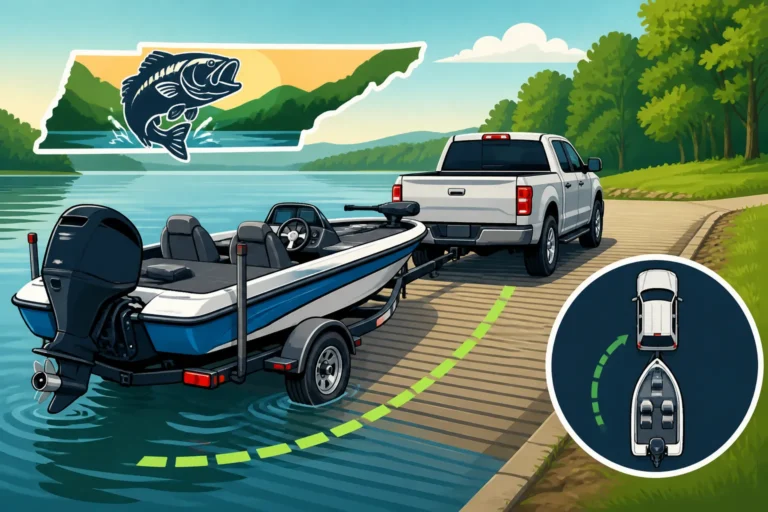
This category is probably the most straightforward. Any vessel you’d typically describe as a "powerboat" – from sleek bass boats used for tournament fishing, to family pontoon boats cruising Percy Priest Lake, to larger cruisers navigating the Tennessee River – all require registration. These boats are designed from the ground up to be propelled by mechanical means, and their powerful engines make their registration a non-negotiable step for any owner. When you buy one of these, whether it’s from a local dealership or a private seller, assume registration is part of the package deal.
The process for these larger, more conventional motorized boats is quite standard, and the state uses the registration system to keep track of vessels for safety, environmental, and law enforcement purposes. Even if you've just purchased your dream fishing machine from a big outdoor retailer like Bass Pro Shops, the responsibility for getting that boat registered falls to you, the owner. They might offer some guidance or even have services to help, but ultimately, it's your name on the line. This is where you'll be looking at things like boat length for registration fees, and ensuring all your paperwork is in order. You'll find more information on this in Tennessee Boat Registration Requirements Explained.
Boats with Auxiliary Motors, Even Small Ones
This is where many anglers and casual boaters can get tripped up. It's not just about the big engines. If your sailboat has a small kicker motor for navigating marinas or getting home when the wind dies, it needs to be registered. If your sturdy Jon boat has a primary outboard, and you also throw a small electric trolling motor on the bow, that combination still necessitates registration. The presence of any mechanical means of propulsion, even if it's just a backup or for slow-speed maneuvering, triggers the registration requirement.
Imagine you've got a fantastic fishing canoe, perfect for quiet paddles into hidden coves. One day, you decide to mount a small, battery-powered electric motor on it to cover more water or fight against a strong current. The moment that motor is on the craft and capable of propelling it, your canoe transforms into a registrable vessel. This is a critical distinction that many new boaters, especially those coming from a paddling background, often miss. It's not about the size of the motor, but its existence as a propulsion method. Don't let a small motor lead to a big headache down the line! For those curious about the specifics of small motors, Do Electric Trolling Motors Count as Mechanical Propulsion in Tennessee? clarifies this point.
Common Questions About Smaller Vessels and Registration
It's natural to have questions, especially when it comes to the smaller, less obvious categories of watercraft. The rules can seem a little less black and white than for a huge bass boat, and that's often where people get confused. Let's clear up some of those murky areas.
Do Kayaks and Canoes Need to Be Registered?
The short answer for kayaks and canoes that are solely propelled by paddle power is generally "no." If your adventure involves a paddle, oar, or even a sail on a non-motorized craft, Tennessee typically considers it exempt from registration requirements. This means you can grab your paddleboard, kayak, or canoe and hit the water without worrying about a registration sticker or renewal date. This is fantastic news for paddlers who enjoy the simplicity and freedom of these human-powered vessels.
However, and this is a big "however," the moment you add a mechanical propulsion device, like an electric trolling motor or a small gas outboard, to your kayak or canoe, it immediately falls under the same registration rules as any other motorized boat. It doesn't matter if the motor is tiny, or if you only use it occasionally. The presence of the motor changes its classification. This is a frequently overlooked detail, leading to many confused conversations at the boat ramp. So, if you've been eyeing an electric motor for your fishing kayak to help you cover more ground on Kentucky Lake, remember that registration will become a necessary step.
Stand-Up Paddleboards and Rowboats: What's the Deal?
Similar to kayaks and canoes, stand-up paddleboards (SUPs) and traditional rowboats are generally exempt from registration in Tennessee, as long as they are propelled solely by human power. If you're just paddling your SUP or rowing your small skiff with oars, you're good to go without a registration sticker. These vessels embody the spirit of simplicity and direct connection with the water, and the state keeps the regulations streamlined for them.
The same "mechanical propulsion" rule applies here too. If you attach any kind of motor, even a small, clip-on electric one, to your SUP or rowboat, it ceases to be an unregistered vessel and now requires proper documentation. It might seem odd to register a paddleboard, but if it has a motor, it's essentially a motorized vessel. Always think about how the craft is propelled. If it involves anything beyond your own muscle, it's worth double-checking. For a quick reference, here's a helpful table:
| Vessel Type | Method of Propulsion | Requires Tennessee Registration |
|---|---|---|
| Bass Boat | Gas Outboard | Yes |
| Pontoon Boat | Gas Outboard | Yes |
| Fishing Jon Boat | Gas Outboard | Yes |
| Fishing Jon Boat | Electric Trolling Motor | Yes |
| Kayak | Paddle Only | No |
| Kayak | Paddle + Electric Motor | Yes |
| Canoe | Paddle Only | No |
| Canoe | Paddle + Small Gas Motor | Yes |
| Stand-Up Paddleboard | Paddle Only | No |
| Stand-Up Paddleboard | Paddle + Electric Motor | Yes |
| Rowboat | Oars Only | No |
| Rowboat | Oars + Electric Trolling Motor | Yes |
| Sailboat | Wind Only | No |
| Sailboat | Wind + Auxiliary Motor | Yes |
| Personal Watercraft (PWC) | Jet Drive | Yes |
This table should give you a clear overview. Remember, the motor is the game-changer!
Navigating the Registration Process
Once you've determined your boat needs to be registered, the next step is to actually go through the process. It might seem a little daunting, like deciphering ancient texts, but it's really quite manageable if you have all your ducks in a row. Tennessee has made efforts to streamline this, but having your documents ready is key.
Essential Documents You'll Need
Gathering the right paperwork beforehand will save you a lot of time and potential frustration. Generally, you'll need proof of ownership, which could be a manufacturer's statement of origin (MSO) for a new boat, or a bill of sale if you bought it used. For a used boat, you'll also need the signed-over registration from the previous owner. Additionally, you'll need a valid form of identification, and possibly proof of residency if you're a Tennessee resident. Sales tax payment is also typically required at the time of registration, unless you're exempt.
It’s crucial that the information on your ownership documents matches the details you provide for registration. Any discrepancies can cause delays. For instance, if the bill of sale lists one length and your application another, it could raise questions. Always double-check names, addresses, and hull identification numbers (HINs). These numbers are like a VIN for your boat and are critical for proper identification. Getting everything correct the first time around makes for a much smoother experience.
Where and How to Register Your Boat
Tennessee offers several convenient options for registering your boat. The most common and often easiest method for many is registering online through the Tennessee Wildlife Resources Agency (TWRA) website. This allows you to complete the process from the comfort of your home, avoiding lines and making sure you have all the digital copies you might need. You can typically print out a temporary registration to use while you wait for your official decals and card to arrive in the mail. Many anglers find this the most straightforward approach, especially when they need to renew. How to Buy or Renew a Tennessee Fishing License Online has some overlap here, as the TWRA manages both.
Alternatively, you can register your boat in person at any TWRA regional office or through an authorized license agent, which often includes sporting goods stores like Bass Pro Shops or various bait and tackle shops across the state. These in-person options are great if you prefer direct assistance, have specific questions, or just want to get everything done on the spot and walk out with your temporary documents. The staff at these locations are usually well-versed in the requirements and can guide you through the forms. Regardless of how you choose to register, remember that your registration is generally valid for one year or three years, depending on the option you choose. This flexibility helps cater to different boat owner preferences, as detailed in Multi-Year Boat Registration Options in Tennessee.
Keeping Your Registration Current and Compliant
Getting your boat registered is a big step, but it's not a one-and-done deal. Just like car tags, boat registrations need to be kept current. Neglecting renewals can lead to unnecessary trouble and put a damper on your fishing plans. Staying on top of your registration ensures you can hit the water whenever the urge strikes without any legal worries.
Understanding Renewal Cycles and Options
In Tennessee, boat registrations are typically valid for either one year or three years, giving you a choice based on your preference. Many boaters opt for the three-year renewal to minimize paperwork and remember fewer expiration dates. Whichever you choose, it's vital to mark your calendar or set a reminder so you don't let it lapse. The TWRA usually sends out renewal notices, but these are a courtesy, not a guarantee, so don't rely solely on them.
Renewing your registration is generally even easier than the initial application. The online portal is usually the most efficient way to get this done. Just log in, verify your information, pay the fee, and you're good to go. If you purchased boat accessories or fishing gear online from retailers like Amazon, you're used to the convenience of digital transactions, and boat registration renewal often mirrors that simplicity. Having a current registration is crucial; without it, you can't legally operate your motorized vessel on Tennessee waters.
The Consequences of Forgetting to Register (Don't Do It!)
Letting your boat registration expire, or simply never registering a boat that requires it, can lead to some unpleasant consequences. The most immediate impact is usually a fine if you're stopped by a game warden or other law enforcement officer on the water. These fines can add up, and frankly, it's an avoidable expense. Beyond the monetary penalty, you might also be delayed or prevented from continuing your outing, which can be incredibly frustrating when you've planned a day of fishing on Watts Bar Lake or Center Hill Lake.
Repeated offenses could lead to more serious actions, though for a simple expired registration, it's usually just a ticket and a requirement to get it current. The state's system for tracking boats is robust, and enforcement officers are diligent in checking registration decals. It's a fundamental aspect of responsible boating. So, before you launch your boat, always do a quick check to ensure your current decals are affixed, legible, and not expired. A few minutes of checking can save you a whole lot of hassle and ensure your time on the water is enjoyable and worry-free. Penalties for Fishing Without a License in Tennessee touches on similar themes regarding compliance, emphasizing the importance of adhering to all regulations.
Disclaimer
This article is for general informational purposes only and does not constitute professional advice. Laws, prices and regulations vary by location and change over time. Consult a qualified professional for guidance on your specific situation.