Life Jacket Rules for Kayaks and Canoes in Tennessee
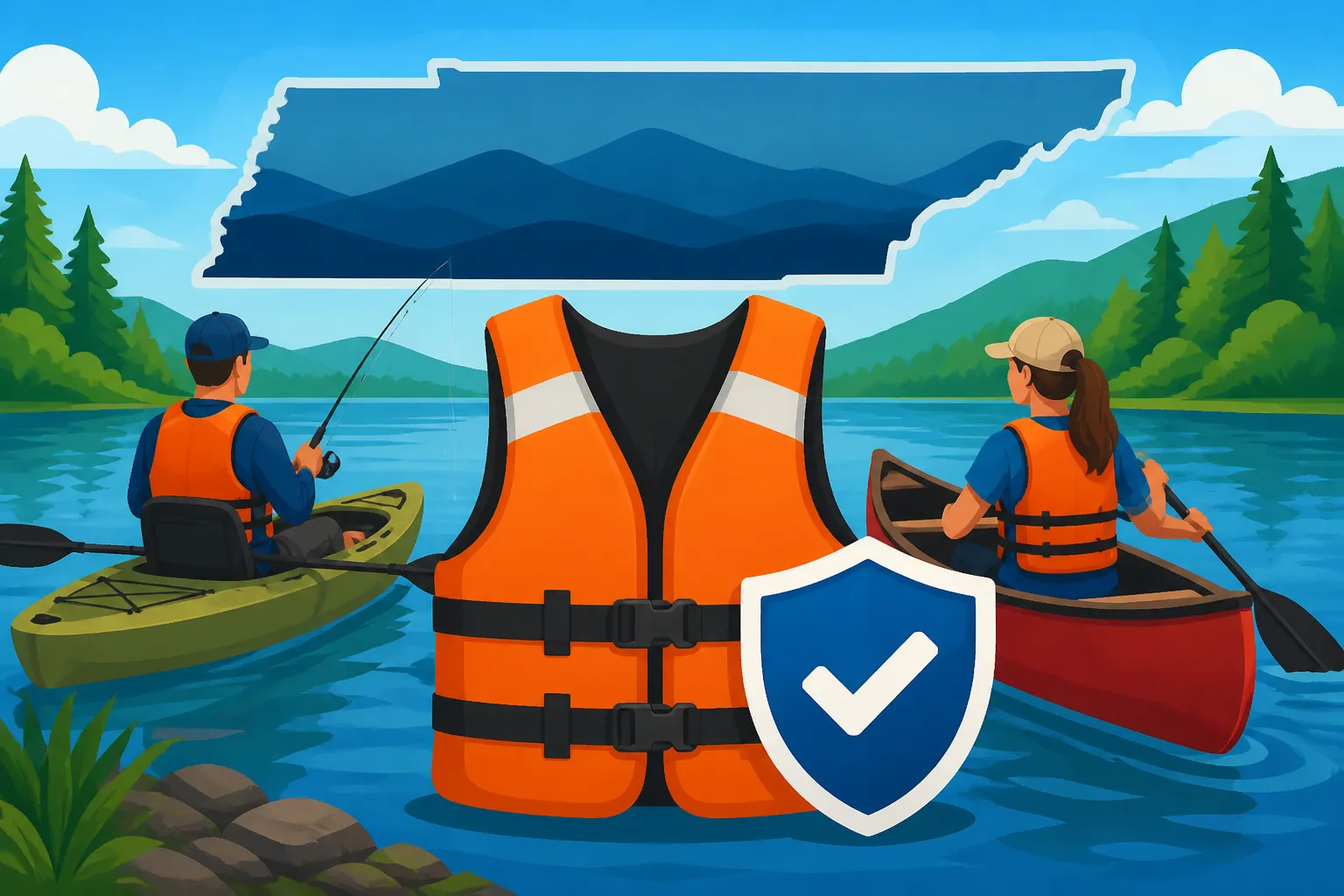
Navigating the beautiful lakes and rivers of Tennessee in a kayak or canoe offers an incredible sense of peace and adventure, but it also comes with critical safety responsibilities that many paddlers often overlook or misunderstand. One of the most common points of confusion revolves around life jacket requirements, especially since they can seem a bit different for paddlecraft compared to larger motorized vessels. This guide is here to untangle all of Tennessee's life jacket rules for kayaks and canoes, ensuring you're safe, compliant, and ready for whatever the water throws your way.
The Absolute Necessity of Life Jackets for Kayakers and Canoeists in Tennessee
When you're out on the water in a kayak or canoe, it's easy to feel a false sense of security. After all, you're close to the water, often in shallow areas, and perhaps you consider yourself a strong swimmer. However, the statistics tell a very different story, and the rules are in place for excellent reasons. A personal flotation device (PFD), more commonly known as a life jacket, isn't just a piece of gear; it's a lifeline that can mean the difference between a minor incident and a tragic accident.
Beyond Just a Rule: Real-World Safety
Think about it this way: when you're in a car, you wear a seatbelt, not just because it's the law, but because it dramatically increases your chances of surviving a collision. A life jacket serves the exact same purpose on the water. Even if you're a seasoned swimmer, unforeseen circumstances can quickly turn a calm day into a perilous one. A sudden capsize due to an unexpected wake, a hidden submerged object, or even just an unbalanced shift of weight can plunge you into the water in an instant. If you hit your head, or if the water is colder than you anticipated, or if you become disoriented, being able to float effortlessly can be a game-changer. It frees you up to focus on righting your boat, signaling for help, or simply regaining your composure. It's about preparedness, not just compliance.
Many experienced paddlers will tell you stories of moments when they were thankful they had their PFD on, even if they initially scoffed at the idea. Hypothermia can set in surprisingly quickly, especially in Tennessee's deeper lakes and rivers outside of peak summer. Cold water robs your muscles of strength and your body of warmth, making it incredibly difficult to swim, even short distances. A life jacket provides some thermal insulation and, more importantly, keeps your head above water, allowing you to conserve energy and body heat. It also provides buoyancy if you cramp up, become exhausted, or encounter strong currents you hadn't anticipated.
The Unpredictable Nature of Tennessee Waters
Tennessee's waterways are stunningly beautiful, but they are also diverse and often unpredictable. From the winding, current-laden rivers like the Cumberland and Tennessee to the vast, open reservoirs like Chickamauga Lake and Norris Lake, conditions can change rapidly. A gentle breeze can quickly become a strong gust, creating choppy waves that challenge even experienced paddlers. Thunderstorms can roll in unexpectedly, bringing high winds, heavy rain, and lightning, turning a pleasant outing into a survival situation.
When you're in a small craft like a kayak or canoe, you're much more susceptible to these changes than someone in a larger powerboat. Your low profile can make you harder for other boaters to see, especially in busy channels or at dawn and dusk. If you capsize, your boat might drift away faster than you can swim to it, leaving you stranded. Having a life jacket on means you're already floating, increasing your visibility and reducing the immediate panic, giving you crucial time to assess the situation and plan your next move. For more general safety advice, consider consulting an Essential Safety Gear Checklist Before a Tennessee Fishing Trip to ensure you're fully prepared for any adventure on the water.
Understanding Tennessee's Specific Life Jacket Regulations
Tennessee, like all states, has clear regulations regarding personal flotation devices to ensure the safety of everyone on its waters. These rules apply to all vessels, and while kayaks and canoes might seem different from motorboats, they are indeed considered vessels under the law, and thus, fall under these regulations. Understanding these specific requirements is key to enjoying your time on the water without incident or penalty.
The Under-12 Rule: A Non-Negotiable Requirement
This is perhaps the most crucial rule for families paddling in Tennessee. The law states unequivocally that any child 12 years of age or younger must wear a U.S. Coast Guard-approved life jacket at all times while on the open deck of any vessel, including kayaks and canoes, that is underway. "Underway" simply means the vessel is not anchored, moored, or aground. So, if your child is in a kayak or canoe that's moving on the water, they must have their PFD securely fastened.
This rule is designed to protect our most vulnerable paddlers. Children often have less swimming experience, less strength, and are more prone to panic in an emergency. A life jacket that fits properly and is worn correctly can dramatically increase their chances of survival if they fall overboard. It's not enough to simply have the life jacket on board; it must be on their person. This applies whether you're paddling on a small pond at a state park or navigating the main channel of the Tennessee River. Ensure you understand all aspects of Life Jacket Rules for Kids Under 12 on Tennessee Boats before heading out with young ones.
Adult Anglers: Carriage vs. Wear Requirements
For individuals 13 years of age and older, the requirement is slightly different but no less important. Adults are required to have at least one U.S. Coast Guard-approved wearable life jacket on board for each person in the kayak or canoe. The critical distinction here is "on board" versus "wearing." While you are not legally mandated to wear the life jacket as an adult (unless you are being towed or are on a Personal Watercraft), it must be readily accessible.
"Readily accessible" means you can get to it quickly in an emergency. It cannot be stowed away in a dry bag deep within a hatch, under a pile of gear, or in a compartment that requires tools to open. It should be within arm's reach or easily grabbed in a capsize. Many adult paddlers choose to wear their PFDs anyway, even when not legally required to, simply for the added safety and peace of mind. This is especially true for kayak anglers who might be reaching for gear, casting, or reeling in a fish, where an unexpected shift could cause a capsize. If you're a serious kayak angler, investing in a comfortable, fishing-specific PFD is a smart move. You can find excellent options at retailers like Bass Pro Shops or online through Amazon.
It's also worth noting that if you are fishing in certain specific areas, like designated "no-wake" zones where other boats might still create a wake, or in busy boating corridors, wearing your PFD as an adult is a highly recommended practice, even if not strictly mandated. The small inconvenience of wearing it far outweighs the potential consequences of not having it on when you need it most.
What Counts as a "Vessel" in Tennessee?
Sometimes, people question whether a kayak or canoe is truly considered a "vessel" under boating laws. The answer in Tennessee, and most other states, is a resounding yes. The Tennessee Wildlife Resources Agency (TWRA) defines a vessel as "every description of watercraft, other than a seaplane on the water, used or capable of being used as a means of transportation on water." This broad definition clearly includes kayaks, canoes, paddleboards, and any other form of paddlecraft.
Therefore, all the general boating safety regulations, including those concerning PFDs, apply. This also extends to other safety gear you might need, such as sound-producing devices (like a whistle) and proper lighting if you're on the water after sunset or before sunrise. While small, you are still operating a watercraft, and with that comes the responsibility to adhere to all applicable laws. For those wondering about other registration requirements, it's good to know that Do Kayaks Need to Be Registered in Tennessee? and Do Canoes Need to Be Registered in Tennessee? provide specific guidance on that topic, which is separate from PFD rules.
Choosing the Right Life Jacket for Your Kayak or Canoe Adventure
Selecting a life jacket isn't just about grabbing the cheapest one off the shelf. For kayakers and canoeists, especially those who spend hours on the water, comfort, fit, and the type of PFD are paramount. A life jacket that's uncomfortable or ill-fitting is less likely to be worn, defeating its entire purpose.
Different Types of PFDs and Their Suitability
The U.S. Coast Guard classifies PFDs into different types, each designed for specific activities and water conditions. Knowing these types will help you make an informed decision:
- Type I: Off-Shore Life Jackets. These are bulky vests designed for rough, open, or remote waters where rescue may be delayed. They provide the most buoyancy and are designed to turn an unconscious person face-up in the water. While highly protective, they are generally too cumbersome for kayaking or canoeing.
- Type II: Near-Shore Buoyant Vests. These are less bulky than Type I but still provide good flotation. They are typically used in calmer, inland waters where a quick rescue is likely. They may turn an unconscious person face-up, but it's not guaranteed. Some traditional canoeists might use these, but modern options are often preferred for comfort.
- Type III: Flotation Aids. This is the most common type for recreational activities like kayaking, canoeing, waterskiing, and fishing. They are designed for constant wear, offering a good balance of comfort, mobility, and flotation. They keep a conscious person in a vertical or slightly backward position but usually do not turn an unconscious person face-up. These are often the best choice for general kayaking and canoeing due to their design for active use. Many feature large armholes and flexible panels for ease of paddling.
- Type V: Special Use Devices. These are PFDs approved for specific activities, like paddling, watersports, or commercial use, and are often designed to integrate other safety features. Inflatable PFDs, for instance, often fall under Type V (when worn) and are popular with anglers and experienced paddlers for their low profile and high comfort. However, they require manual or automatic inflation and are generally not suitable for non-swimmers or children under 16, and often require regular inspection.
For most kayakers and canoeists in Tennessee, a Type III flotation aid will be the best choice. For those seeking maximum comfort and freedom of movement, particularly experienced anglers, a Type V inflatable PFD (when worn) can be an excellent option, though they come with specific usage conditions.
Comfort and Fit: Your Best Defense
A life jacket only works if you wear it, and you'll only wear it if it's comfortable. This means finding one that fits snugly without being restrictive. When trying one on, make sure:
- It doesn't ride up: After zipping and buckling, pull up on the shoulders. If it slides up past your ears, it's too big or not tightened enough.
- It allows full range of motion: Simulate paddling movements. Can you reach overhead? Can you twist? The armholes should be large enough not to chafe.
- It's snug but not tight: You should be able to breathe comfortably, but the jacket shouldn't shift excessively when you move.
- It's appropriate for your weight and chest size: All PFDs have a weight range and often a chest measurement. Do not exceed these limits.
For children, proper fit is even more critical. A PFD that is too large can slip off, while one that's too small won't provide adequate buoyancy. Always buy a child's PFD based on their current weight, not their age or what you hope they'll grow into. Remember, a child's PFD must be worn at all times while underway. Retailers like Bass Pro Shops offer a wide selection of PFDs for all ages and sizes, and their staff can often assist with fitting. You can also find comprehensive guides on Best Life Jackets for Tennessee Kayak Anglers for more specific recommendations.
Special Considerations for Kayak Anglers
Kayak fishing has exploded in popularity, and with good reason. It offers access to waters often unreachable by larger boats and a uniquely intimate fishing experience. However, kayak anglers often carry more gear, make more dynamic movements (like casting), and might spend longer hours on the water, increasing their exposure to potential hazards.
For kayak anglers, a fishing-specific PFD is a game-changer. These are typically Type III or Type V models designed with features like:
- Extra pockets and attachment points: To hold pliers, clippers, small tackle boxes, and radios.
- High-back design: To accommodate the tall seatbacks common on fishing kayaks without bunching up.
- Mesh panels: For increased ventilation and comfort in warm weather.
- Hydration sleeves: To carry water for long days on the water.
These specialized PFDs prioritize comfort and functionality, making it easier for anglers to wear them consistently throughout their trip, rather than just having them on board. Investing in one of these can significantly enhance both your safety and your fishing experience. Searching for "kayak fishing PFD" on Amazon will yield many excellent options.
| PFD Type | Key Features | Best Use for Kayaks/Canoes | Pros | Cons |
|---|---|---|---|---|
| Type I | Highest buoyancy, turns unconscious face-up | Emergency, deep/rough offshore | Maximum safety, remote rescue | Bulky, restrictive, hot |
| Type II | Good buoyancy, may turn unconscious face-up | Near-shore, calm inland water | Less bulky than Type I, affordable | Still somewhat bulky, limited mobility |
| Type III | Designed for continuous wear, flotation aid | Most recreational paddling/fishing | Comfortable, good mobility, active use | Won't turn unconscious person face-up |
| Type V | Special use (e.g., inflatable, work vests) | Experienced paddlers, specific activities | Low profile (inflatables), high buoyancy | Requires maintenance, user action (inflatables), specific use |
Where to Acquire Your Essential Safety Gear
Once you're convinced about the importance of a properly fitted life jacket, the next step is finding one. Luckily, in today's market, you have a wealth of options, from browsing online from the comfort of your home to getting hands-on advice at a local shop.
Online Retailers and Their Offerings
Online stores have made it incredibly convenient to find virtually any type of PFD you could imagine. Large retailers like Amazon offer an expansive selection from numerous brands, often at competitive prices. You can browse different styles, read customer reviews, and compare features side-by-side. This is particularly useful if you have a specific type of PFD in mind, like a high-back fishing PFD or an inflatable model, as you'll likely find a wider variety online than in any single brick-and-mortar store.
When purchasing online, however, it's crucial to pay close attention to sizing charts. Measure your chest circumference accurately and compare it to the manufacturer's recommendations. Remember that PFDs are sized by weight range and chest size, not by clothing size. Don't be afraid to order a couple of sizes if you're unsure, and take advantage of free returns if the fit isn't perfect. While convenient, the downside of online shopping is that you can't physically try on the jacket before buying it, which, as we discussed, is a critical step for comfort and safety.
Local Outfitters and Expert Advice
For many paddlers, especially those new to the sport or looking for specialized gear, visiting a local outdoor outfitter or a dedicated fishing and boating store is an invaluable experience. Stores like Bass Pro Shops or smaller, independent canoe and kayak shops often have knowledgeable staff who can help you choose the right PFD for your specific needs. They can guide you through the different types, explain the nuances of fit, and even let you try on various models to ensure you find one that's comfortable for extended paddling.
The benefit of buying locally goes beyond just the physical fit. These experts can offer advice tailored to Tennessee's unique waterways, suggesting PFDs that are particularly well-suited for river currents, reservoir conditions, or specific types of kayak fishing. They can also inform you about other essential safety gear you might need, like a whistle, a rescue throw bag, or navigation lights if you plan to be out during low light conditions. This personalized guidance can be incredibly helpful in making sure you're not just compliant with the law, but truly prepared for a safe and enjoyable outing. When considering all your gear, remember that things like Kayak Fishing Gear Checklist for Beginners can also be very useful for those starting out.
Common Misconceptions and Crucial Reminders
Despite the clear regulations and the undeniable safety benefits, several misconceptions persist regarding life jackets, particularly among experienced individuals. Addressing these directly is crucial for promoting a culture of safety on Tennessee's waters.
"I'm a Strong Swimmer" – Why That's Not Enough
This is perhaps the most common and dangerous misconception. While being a strong swimmer is certainly an asset, it is absolutely not a substitute for wearing a life jacket, especially when paddling. Here's why relying solely on your swimming ability is a risky gamble:
- Sudden Incapacitation: A fall from a kayak or canoe can result in hitting your head on the boat or a submerged object. Even a minor blow can leave you stunned, disoriented, or even unconscious. In such a scenario, even Michael Phelps would struggle to save himself without a PFD.
- Cold Water Shock: Tennessee's lakes and rivers can be surprisingly cold, especially in spring, fall, and winter. Falling into cold water can trigger an involuntary gasp reflex, followed by hyperventilation and rapid heart rate increase. This "cold water shock" can quickly lead to drowning, regardless of swimming skill, by overwhelming your body before you can even begin to swim effectively. A life jacket helps keep your head above water during this critical initial phase, allowing your body to acclimate. Understanding How Water Temperature Affects Fish Activity can also give you insight into how environmental factors impact your safety on the water.
- Exhaustion and Cramps: Even in warm water, swimming for an extended period, especially against currents or in choppy conditions, can lead to exhaustion. Muscle cramps can also strike without warning, severely impairing your ability to stay afloat. A life jacket keeps you buoyant, allowing you to rest, recover, and conserve energy.
- Unexpected Hazards: You might encounter strong, unseen currents, entanglement with submerged debris, or be swept away from your craft faster than you can swim to it. A PFD provides a constant, reliable source of flotation, allowing you to manage these unexpected challenges.
The bottom line is that a life jacket is your personal insurance policy on the water. It’s there for the unforeseen, for the moments when your skills and strength might not be enough.
The Fines and Penalties for Non-Compliance
Ignoring Tennessee's life jacket rules isn't just a safety risk; it's also a legal one. Law enforcement officers, including the Tennessee Wildlife Resources Agency (TWRA) officers, routinely patrol the state's waterways to ensure compliance with boating regulations. If you or a passenger are found to be in violation of PFD requirements, you can face fines.
While specific fine amounts can vary, they are typically issued as citations, similar to a traffic ticket. These fines can add up quickly, especially if multiple people on your vessel are non-compliant. More importantly, a violation can result in delays to your trip, a stern lecture from an officer, and a diminished enjoyment of your outing. The cost of a fine far outweighs the cost of a good life jacket. Remember, ignorance of the law is not an acceptable defense. The TWRA is dedicated to safety, and part of that involves enforcing these vital regulations. For a broader understanding of legal consequences, you might want to review Penalties for Fishing Without a License in Tennessee for comparison, as adherence to all regulations is expected.
Maintaining Your PFD for Longevity and Safety
Just owning a life jacket isn't enough; it needs to be in good, serviceable condition. A PFD that is torn, faded, waterlogged, or missing straps won't provide the protection you need. Over time, sunlight, saltwater (if used in brackish waters), and general wear and tear can degrade the buoyancy material and fabric.
Here are some tips for maintaining your PFD:
- Rinse After Use: Especially if used in murky or brackish water, rinse your PFD with fresh water to remove dirt, salt, and grime.
- Air Dry Completely: Hang your PFD in a well-ventilated area to air dry thoroughly before storing it. Never store a damp PFD, as it can mildew and weaken the fabric.
- Inspect Regularly: Before each season or a major trip, inspect your PFD for tears, rips, frayed straps, broken buckles, or signs of mildew. Check that all zippers work smoothly.
- Store Properly: Store your PFD in a dry, cool place away from direct sunlight and harsh chemicals. Avoid compressing it under heavy items, as this can damage the buoyancy material.
- Test Buoyancy: Occasionally, test your PFD's buoyancy in a controlled environment (like a shallow pool or calm water) to ensure it still performs as expected. If it seems less buoyant than it should be, it's time for a replacement.
A well-maintained PFD is a reliable PFD. Treat it as the essential safety equipment it is, and it will serve you well for many seasons.
Preparing for Your Tennessee Paddling Trip
Having the right life jacket and understanding the rules is a huge step, but truly preparing for a safe and enjoyable kayak or canoe trip in Tennessee involves a few more practical steps. It's about building good habits and fostering a safety-first mindset for yourself and anyone joining you on the water.
Pre-Launch Checklists for PFDs
Before your paddle touches the water, make a quick but thorough check of your PFDs. This isn't just for compliance; it's for absolute peace of mind.
- For Kids (12 and Under): Ensure every child has their properly sized, Coast Guard-approved life jacket on and securely fastened. Double-check all buckles, zippers, and straps. Make sure it doesn't ride up when you pull on the shoulders. Remind them why it's important to wear it and to keep it on.
- For Adults (13 and Up): Confirm that you have at least one Coast Guard-approved wearable life jacket readily accessible for every adult on board. If you're choosing to wear yours (which is highly recommended), make sure it's snug and comfortable. If you're relying on a Type V inflatable PFD, check its status indicator to ensure it's armed and ready to inflate.
- Inspect Condition: Briefly visually inspect all PFDs for any obvious damage like tears, rips, or broken buckles. If a PFD looks compromised, swap it out for a good one.
- Whistle Check: Attach a whistle to each PFD. A whistle is a crucial sound-signaling device that can be heard over distances, especially if you're in distress or need to alert other boaters.
This simple checklist takes only moments but can prevent major problems. It's a foundational part of your overall Essential Safety Gear Checklist Before a Tennessee Fishing Trip.
Educating Your Passengers and Fellow Paddlers
Safety on the water is a shared responsibility. If you're paddling with friends, family, or anyone else, take a moment before launching to review the rules and the importance of PFDs. Don't assume everyone knows or remembers the regulations.
- Explain the "Why": Instead of just saying "you have to wear this," explain why it's important. Talk about cold water shock, unexpected capsizes, or the difficulty of swimming in currents. Personal anecdotes (or stories you've heard) can be powerful motivators.
- Demonstrate Proper Fit: Show them how to put on and adjust their PFD correctly. Help them check the fit.
- Point Out Readily Accessible Locations: If adults aren't wearing their PFDs, clearly show them where their life jacket is stowed and how to quickly grab it in an emergency.
- Review Other Safety Gear: Briefly mention other safety items on board, like a first aid kit, extra water, or any communication devices. This collective awareness strengthens the safety net for everyone.
By educating those you paddle with, you're not just ensuring compliance; you're fostering a culture of safety that benefits everyone on the water. After all, the goal is always to have fun and make it home safely, ready for your next Tennessee adventure.
Disclaimer
This article is for general informational purposes only and does not constitute professional advice. Laws, prices and regulations vary by location and change over time. Consult a qualified professional for guidance on your specific situation.