Best Boats for Wade Fishing Access in East Tennessee
Wade fishing in East Tennessee offers some of the most rewarding angling experiences, but actually getting to those pristine, often shallow, stretches of river or secluded coves can be a real headache. Many conventional fishing boats are simply too big or too deep-drafting to provide the access you need, leaving anglers frustrated on the bank. This guide will walk you through the best types of boats designed to enhance your wade fishing trips, ensuring you can reach those untouched honey holes in East Tennessee.
The Unique Challenge of Wade Fishing in East Tennessee
East Tennessee is a gem for anglers, boasting everything from the cold, clear trout streams of the Great Smoky Mountains to the winding rivers like the Clinch and Hiwassee, and the vast, beautiful reservoirs that feed into the Tennessee River system. But this incredible diversity also presents unique access challenges, especially for those who love to get out of the boat and into the water.
Why Traditional Boats Fall Short
Think about your typical bass boat. It's powerful, comfortable, and fantastic for covering large expanses of water quickly, particularly on sprawling lakes like Chickamauga or Watts Bar. But try taking that into a skinny trout stream or a section of the Holston River where the water might only be knee-deep over a gravel bar, and you'll quickly realize its limitations. The deep V-hull, the powerful outboard motor, the sheer size – it all works against you when your goal is to get close to, or even over, shallow areas to start wading.
Many traditional boats are designed for deeper channels and open water, meaning they often get stuck, damage propellers, or simply can't navigate the tight turns and rocky bottoms common in prime wade fishing locations. This can be incredibly frustrating, leaving you to stare longingly at spots you know hold fish, but just can't reach. It's not about having a bad boat; it's about having the wrong boat for the specific access needs of wade fishing. You need something that complements your desire to step out and fish, not hinders it.
Understanding East Tennessee's Diverse Waters
East Tennessee's waters are a mosaic of fishing opportunities, each with its own character and access requirements.
- Cold-Water Streams: The mountain streams, particularly those within or bordering the Great Smoky Mountains National Park, are often shallow, rocky, and fast-flowing. They are the epitome of wade fishing paradises, perfect for targeting Brook Trout in Tennessee's Cold-Water Streams or Rainbow Trout Stocking Schedule Across Tennessee. Here, any boat that isn't extremely light, maneuverable, and capable of handling rapids (or being easily carried around them) is essentially useless. You're often looking for a vessel to transport you between wading spots, not to fish from.
- Medium-Sized Rivers: Rivers like the Clinch, Hiwassee, and Caney Fork offer a mix of deeper pools, riffles, and long stretches of wadeable shoals. These rivers are famous for their excellent trout fishing, but also hold smallmouth bass. Here, a slightly larger, more stable craft might be beneficial, allowing you to cover more ground before anchoring up and stepping out. You need something that can handle varying depths and currents, and perhaps even a small rapids section, without becoming a liability.
- Reservoir Tributaries & Backwaters: Even in the vastness of East Tennessee's major reservoirs (think Fort Loudoun, Tellico, or Douglas Lake), there are countless shallow creeks, coves, and river arms that are perfect for wade fishing. These areas can be especially productive for bass and crappie during certain seasons, like the Bass Spawn Timing in Tennessee Lakes or Spring Crappie Spawn Timing in Tennessee. A boat that can get you across the main lake, then navigate skinny water without scaring off the fish or getting bogged down, is key. The challenge often lies in getting over submerged humps or through narrow channels to reach those hidden gems.
Ideal Boat Characteristics for Wade Fishing Access
When you're looking for a boat to enhance your wade fishing adventures in East Tennessee, you need to shift your focus from speed and horsepower to qualities that prioritize access and convenience. It's about getting to the spot, not just on the water.
Portability and Ease of Launch
This is perhaps the most critical factor. Many of the best wade fishing spots in East Tennessee don't have paved boat ramps. You might be launching from a muddy bank, a gravel bar, or even carrying your vessel down a steep incline to the water's edge. This means your boat needs to be light enough for one or two people to handle without needing heavy machinery.
- Weight Matters: A boat that weighs under 100 pounds (or even better, under 70 pounds) can often be car-topped or easily slid into the back of a truck, eliminating the need for a trailer. This opens up a huge number of access points that are inaccessible to larger, heavier boats. Think about those secluded spots on the Tellico River or the smaller sections of the Little River in the Smokies – you're not getting a bass boat in there!
- Quick Setup: If it's an inflatable boat or a packraft, how quickly can it be inflated and deflated? The less time you spend fiddling with gear, the more time you spend fishing. For solid boats, ease of launching translates to a simple slide into the water, even from a bank. You want to minimize friction between you and the fish.
Stability and Shallow Draft
Once you're on the water, you need a boat that's stable enough to confidently stand up in (if you choose to, and depending on water conditions), but most importantly, one that can practically float on a dewdrop.
- Shallow Draft: This is non-negotiable for wade fishing access. The ability to navigate through just a few inches of water allows you to get over submerged logs, navigate skinny channels, and get right to the edge of those wadeable shoals. Boats with flat bottoms or extremely minimal keels are ideal. You want to be able to approach a riffle, drop anchor, and step out without having to paddle a quarter-mile through deeper water. This also helps immensely when trying to get upstream or downstream without constant portaging around minor obstructions.
- Stability: While you're primarily using the boat for access to wade, there will be times you want to fish from it, especially in deeper pools or when covering water between wading spots. A stable platform means less chance of tipping over when casting or fighting a fish, and it makes getting in and out much safer and easier. Wide beam designs or pontoon-style inflatable options really shine here.
Storage for Wade Fishing Gear
Just because you're planning to wade doesn't mean you're going light. You'll still have a tackle box, a cooler with drinks and snacks, extra layers of clothing, perhaps a small net, and of course, your fishing rods. Your boat needs to have enough integrated storage or space to safely secure your gear while you're paddling or wading.
- Dry Storage: Water inevitably gets into boats. Having dedicated dry storage compartments, or at least ample space to strap down a dry bag, is crucial. Nobody wants soggy sandwiches or a waterlogged phone. Many kayaks come with watertight hatches, and some canoes offer options for attaching dry boxes.
- Rod Holders & Tie-Downs: Secure places for your rods, especially when portaging or navigating tricky sections, are essential. Rod holders keep your valuable gear safe and out of the way, preventing accidental damage. Bungee cords, D-rings, and cargo nets are your best friends for securing tackle boxes, coolers, and wading boots. When you're out there, the last thing you want is your gear floating away as you step out of the boat. Kayaks and Canoes: The Classic Choice often excel here with their inherent storage designs.
| Feature | Priority for Wade Fishing Access | Why It Matters |
|---|---|---|
| Portability | High | Allows access to remote areas without ramps; easy car-topping or truck bed transport. |
| Shallow Draft | High | Essential for navigating skinny water, gravel bars, and approaching wadeable spots. |
| Stability | Medium-High | Safe entry/exit for wading; comfortable fishing from the boat when needed. |
| Storage | Medium-High | Secures gear (tackle, cooler, extra clothes) while on the move or wading. |
| Maneuverability | High | Navigating tight turns, currents, and obstacles in rivers and small creeks. |
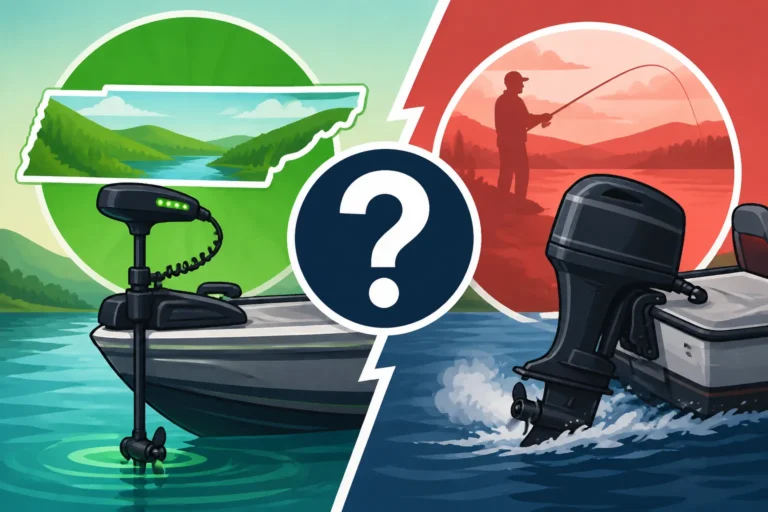
| Motor Capability | Low (unless electric/trolling) | Focus is on quiet, shallow access; large outboards are detrimental. |
Top Boat Types for East Tennessee Wade Fishing
Now that we know what we're looking for, let's dive into the types of boats that truly deliver for wade fishing enthusiasts in East Tennessee. Each has its pros and cons, and the best choice often depends on your specific needs and the waters you frequent most.
Kayaks and Canoes: The Classic Choice
For many wade anglers, kayaks and canoes are the undisputed champions. They embody many of the ideal characteristics we've discussed.
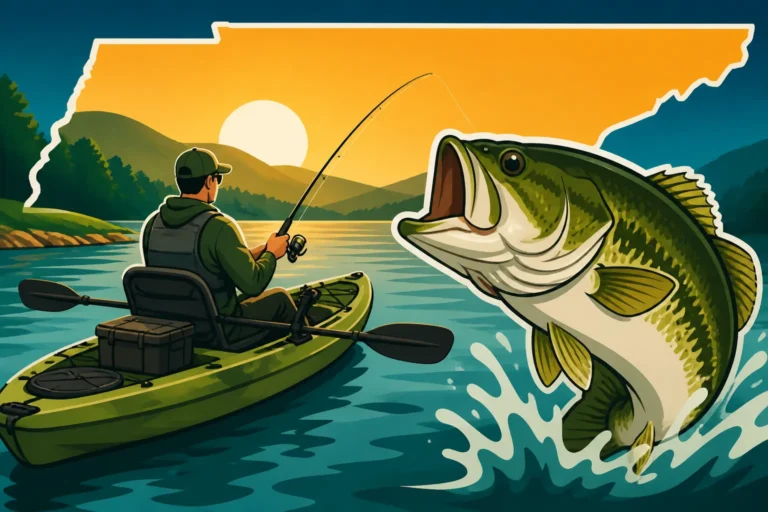
- Kayaks: Modern fishing kayaks, particularly "sit-on-top" models, are incredibly stable, allowing for easy entry and exit, and even stand-up fishing in calm waters. Their shallow draft means you can glide over incredibly skinny water, and many are designed with ample storage, rod holders, and even mounting options for fish finders or small trolling motors. They're often light enough for one person to car-top, making access a breeze. A Best Kayaks for Tennessee Bass Fishing or Best Kayak Fishing Gear for Tennessee Anglers guide would delve deeper, but for wade fishing, look for models that prioritize stability and minimal draft over raw speed. You can find excellent options at places like Bass Pro Shops or even online through Amazon, offering a range of price points and features. Some models even come equipped with pedal drives, which can be fantastic for hands-free propulsion while you spot fish or hold position in a current. However, these pedal drives can sometimes hang up in very shallow or weedy areas, so consider if your primary waters are truly that shallow.
- Canoes: Canoes offer more open space and higher weight capacity than most kayaks, making them ideal if you often fish with a partner or need to carry a lot of gear for a multi-day trip. They are generally very easy to paddle and have an exceptionally shallow draft. While often less stable for standing than a dedicated fishing kayak, they provide a very traditional and versatile platform for river exploration. Many can be fitted with small electric trolling motors for easier travel between wading spots. The downside can be their length, which can make solo portaging a bit more cumbersome than a shorter kayak, and they can be more susceptible to wind if you're out on larger water. Still, for navigating rivers like the Pigeon or French Broad, a good canoe is hard to beat for silent, low-impact travel.
Inflatable Boats and Packrafts: Ultra-Portable Options
For the ultimate in portability and access to the most remote spots, inflatable options are gaining serious traction.
- Inflatable Kayaks/Canoes: These have come a long way in terms of durability and performance. Made from rugged PVC or hypalon, they are surprisingly tough and can handle bumps and scrapes against rocks much better than rigid boats. Their primary advantage is how small they pack down, making them perfect for backcountry trips or for stashing in your car trunk. When deflated, they can be carried to remote launch points where even a traditional kayak would be a struggle. Once inflated, they offer a stable platform with an incredibly shallow draft. While perhaps not as precise to paddle as a rigid boat, their forgiving nature in rocky rivers is a huge plus.
- Packrafts: These are the ultralight champions of the inflatable world. Designed for true wilderness adventurers, packrafts are incredibly light (often under 10 pounds!) and pack down to the size of a sleeping bag. They are primarily designed for one person and minimal gear, making them perfect for "hike-in, fish-out" scenarios on remote mountain streams or headwaters. You can literally carry one in your backpack, hike miles into the backcountry for trout, and then paddle out. While not built for speed or large payloads, their ability to get you into truly untouched water is unparalleled. You won't find these at every Bass Pro Shops, but specialty outdoor retailers and Amazon often carry a good selection. Think of them as a mobile, personal launch platform for the most isolated stretches of the South Holston or Laurel Fork.
Small Jon Boats and Hybrids: When More Space is Needed
Sometimes, you need a bit more space, stability, and the option for a small gas motor, but still demand shallow water performance. That's where small jon boats and hybrid designs come in.
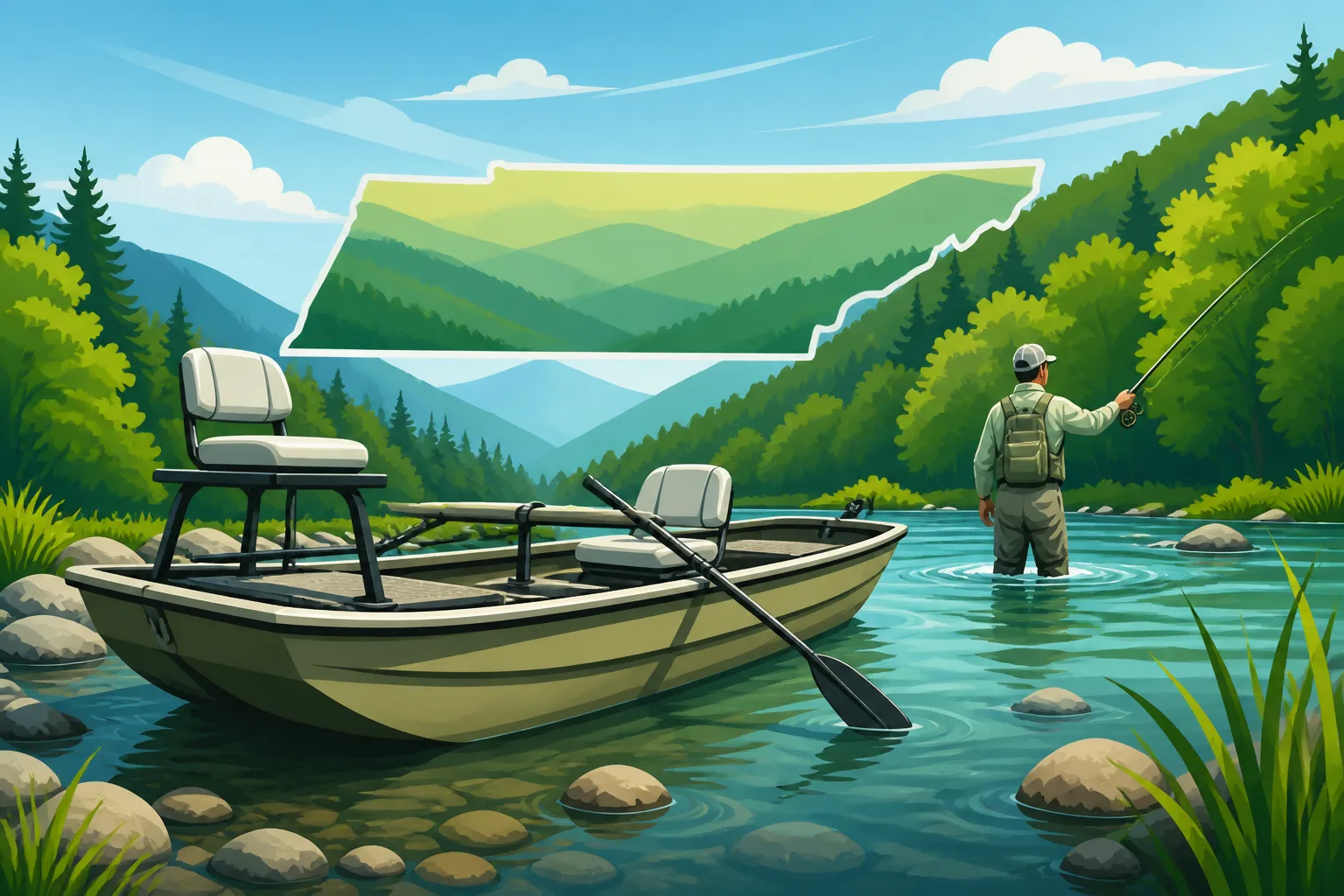
- Small Jon Boats: These flat-bottomed aluminum boats are workhorses of shallow water. Known for their extreme stability and minimal draft, a 10-14 foot jon boat can often get into places many larger boats can't. While heavier than kayaks or inflatables, many smaller jon boats can still be trailered with a compact vehicle, or even slid into a pickup truck bed. They offer a wide-open interior for gear and can easily accommodate a small gas outboard or a powerful electric trolling motor. The main trade-off is often comfort and maneuverability in tight spaces compared to a kayak, and they typically require a traditional ramp or a very gentle slope for launching. However, for accessing wider sections of rivers like the Hiwassee or Tennessee River tributaries where you might also do some conventional fishing from the boat, a jon boat can be a fantastic hybrid solution.
- Hybrid Skiffs/Micro Skiffs: These are a growing category, often fiberglass or specialized aluminum, designed to offer the best of both worlds: extreme shallow water capability (often poling skiff style) with enough stability and space for two anglers and gear. They are essentially specialized jon boats with improved hull designs for better ride quality and often more integrated features. While they might still require a trailer, their ability to navigate just a few inches of water makes them incredible tools for getting right to the edge of flats or shoals for wade fishing. These boats often appeal to anglers who want a dedicated wade-fishing machine for species like Smallmouth Bass: Tennessee's Official State Fish or largemouth in shallow backwaters, but still value a stable platform with engine power.
Making Your Choice and Getting on the Water
Deciding on the perfect boat for wade fishing access in East Tennessee is a personal journey, influenced by your local waters, target species, and even your budget. Don't rush into a decision; consider how and where you'll most often use it.
Considering Your Primary Target Species and Locations
The fish you pursue and the places you fish will heavily influence your best boat choice.
- Trout Anglers in Mountain Streams: If your heart is set on Tennessee Trout Limits and Season Rules in the small, rocky streams of the Appalachians, portability and extreme shallow draft are paramount. A packraft or a very lightweight, short kayak (under 10 feet) will be your best friend. You'll be doing a lot of carrying around obstacles, so every pound counts. These boats aren't about speed, but about getting you from one promising bend to the next, often serving as a shuttle between wading spots.
- Bass and Panfish in River Backwaters/Tributaries: For chasing Largemouth Bass Identification Tips for Tennessee Anglers or Bluegill Fishing for Beginners in Tennessee in the quieter, shallower arms of larger rivers or reservoirs, a stable fishing kayak, canoe, or even a small jon boat can be excellent. These areas often have longer stretches of wadeable water, and a slightly larger vessel allows you to cover more ground, carry more tackle, and perhaps even fish from the boat when the wading gets too deep. A dedicated fishing kayak with good storage and comfortable seating will make those longer paddles much more enjoyable.
- Smallmouth and Musky on Mid-Sized Rivers: Rivers like the New River or the upper reaches of the Holston often feature strong currents, rocky bottoms, and a mix of deep pools and wadeable riffles. Here, a sturdy canoe or a durable inflatable kayak can be ideal. You need something that tracks well in current, can handle a bump or two, and provides a stable platform when you drop anchor to work a prime section on foot. Don't forget that Tennessee Fishing License Costs and Types and a valid license are essential regardless of your boat choice!
Equipping Your Boat for Wade Fishing Adventures
Once you've chosen your vessel, outfitting it correctly will maximize your wade fishing success. It's not just about the boat; it's about the entire system.
- Paddles: Invest in a good quality, lightweight paddle. For kayaks, a carbon fiber or fiberglass paddle can significantly reduce fatigue on longer paddles. For canoes, a sturdy wooden or composite paddle is ideal. Consider a spare paddle, especially if you're venturing into remote areas.
- Anchoring Systems: A small, reliable anchor or a stake-out pole is essential for holding your position while you wade. Depending on the bottom, a grapple anchor or a sand spike will work wonders. You want to be able to drop anchor, hop out, and know your boat isn't going to float away downstream. Boat Fishing Rules and License Requirements in Tennessee are important to remember, even with small craft.
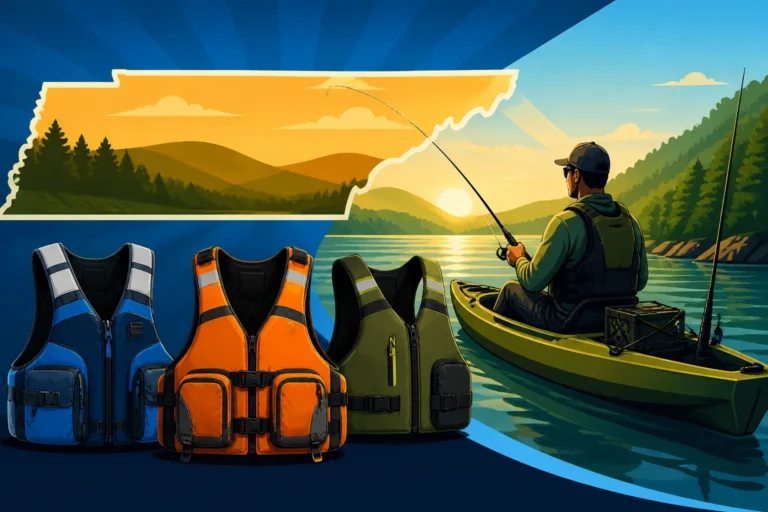
- Safety Gear: Even in a small boat, safety should be paramount. Always wear a Life Jacket Rules for Kayaks and Canoes in Tennessee, and ensure you have a whistle, a small first-aid kit, and plenty of water. A dry bag for your phone, keys, and wallet is non-negotiable. If you're using a motor, even electric, ensure you're familiar with Tennessee Boating Safety Education Certificate Guide requirements, particularly if you were born after January 1, 1989.
- Rod and Tackle Management: For kayaks, vertical rod holders behind the seat are great for holding rods while paddling. For canoes or jon boats, horizontal rod storage clips along the gunwales keep them secure. Use small, waterproof tackle boxes that are easy to grab when you step out to wade, and consider a sling pack or chest pack for carrying essential lures and tools on your person while wading.
Choosing the right boat for wade fishing access in East Tennessee is about expanding your horizons and unlocking new fishing opportunities. It's about getting away from the crowded ramps and into the peaceful, productive waters that are often overlooked by those in bigger, less agile craft. With the right small boat, those elusive honey holes are finally within your grasp.
Disclaimer
This article is for general informational purposes only and does not constitute professional advice. Laws, prices and regulations vary by location and change over time. Consult a qualified professional for guidance on your specific situation.