Boat Ramp Guide for Tennessee’s Major Lakes
Few things can throw a wrench into an eagerly anticipated fishing trip quite like showing up at a public access point only to find a boat ramp that's either too shallow, too crowded, or just plain poorly maintained for your rig. It's a real bummer when you've loaded up the boat, packed the cooler, and driven hours, only to be met with a frustrating launching experience. This guide is here to take the guesswork out of hitting the water on Tennessee's major lakes, giving you the insider scoop on the best boat ramps, what to expect, and how to make your launch as smooth as a glass-calm morning on the lake.
Understanding Tennessee's Boat Ramp Landscape
Tennessee is blessed with an incredible network of lakes and rivers, offering endless opportunities for anglers and boaters. But with that variety comes a range of boat ramp conditions and facilities. Knowing what you're likely to encounter can save you a lot of headache and ensure you spend more time fishing and less time fumbling at the ramp.
Different Types of Ramps You'll Encounter
When you're exploring the vast waterways of Tennessee, you'll find that not all boat ramps are created equal. Each type offers its own set of advantages and challenges, and being prepared for what lies ahead can make all the difference in your launching experience.
The most common type you'll encounter, especially on the larger, more popular lakes and reservoirs, are concrete ramps. These are often found at state parks, Tennessee Wildlife Resources Agency (TWRA) access points, and major county parks. They're typically well-maintained, offer multiple lanes, and often come with ample parking for your truck and trailer. These are usually the easiest to navigate, providing a solid, predictable surface for launching and retrieving. You can typically back down without much concern for your trailer getting stuck or sinking into soft ground. They're built for volume, which is great, but also means they can get incredibly busy, especially on prime fishing weekends or during major tournaments.
Then there are the gravel or dirt ramps. These tend to be more prevalent in remote areas or on smaller, less-frequented bodies of water. While they offer a sense of wilderness and less crowded access, they come with their own considerations. You might need a four-wheel-drive vehicle to confidently navigate these, especially if the ground is wet or soft. The slope can be inconsistent, and trailer tires can sink into the gravel, making retrieval a bit more challenging. While they often lack amenities like restrooms or fish cleaning stations, they can be a great option if you're looking to escape the crowds and don't mind a bit of an adventure to get your boat in the water.
Finally, you'll find marina-managed ramps. These are often associated with private marinas, resorts, or commercial fishing camps. While they usually come with a launch fee, they often offer a full suite of amenities, including gas docks, bait and tackle shops, restaurants, and sometimes even boat repair services. The ramps themselves are typically well-maintained, often concrete, and provide excellent access. The launch fee usually helps manage traffic and ensures a smoother experience, as staff might even be on hand to assist during peak times. These are fantastic if you're looking for convenience and don't mind paying a little extra for the perks.
Key Factors to Consider When Choosing a Ramp
Choosing the right boat ramp isn't just about finding the closest one. A little reconnaissance beforehand can save you a lot of stress and ensure a successful day on the water. There are several critical factors to weigh before you commit to a launch point, especially on unfamiliar waters.
One of the most crucial considerations is water depth at the ramp. This can vary wildly depending on the lake's water levels, which fluctuate throughout the year due to weather, dam operations, and seasonal demands. A ramp that was perfectly usable in spring might be completely dry or too shallow to launch a larger boat in late summer. Always check recent reports or call a local marina if you're unsure about current conditions, especially on reservoirs with significant drawdowns. Too shallow, and you risk damaging your prop or rudder; too steep and deep, and you might struggle to get your vehicle close enough to the water without submerging it too far.
Parking availability is another massive factor, particularly if you're heading out on a weekend or during a holiday. Nothing is more frustrating than arriving at a ramp only to find the trailer parking lot completely full, forcing you to find alternative (and often illegal) spots or worse, drive to another ramp. Larger, popular ramps will typically have designated trailer parking, sometimes even overflow areas. Smaller, more remote ramps might only have space for a handful of vehicles. Always factor in the size of your tow vehicle and trailer when assessing parking.
Beyond the ramp itself, consider the available amenities. Do you need restrooms nearby? Is there a fish cleaning station if you plan to keep your catch? Is there a designated dock area to tie up your boat after launching while you park your truck? Some ramps offer basic portable toilets, while others boast full-service facilities. Knowing what you need (or don't need) can help you narrow down your options.
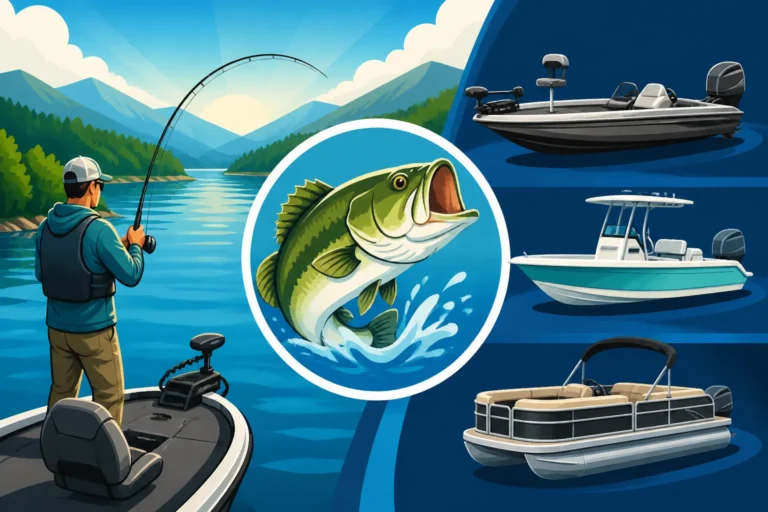
Finally, think about the accessibility for different boat types. A small jon boat or kayak can often launch from nearly anywhere, including some very rudimentary gravel banks. However, if you're hauling a 21-foot bass boat or a large pontoon, you'll need a wider, longer, and more robust ramp with sufficient turnaround space and deep water access. Make sure the ramp can accommodate the size and draft of your vessel. Some ramps have shallower approaches that are fine for smaller boats but will leave a larger boat high and dry before it even touches the water.
Navigating Boat Ramps on East Tennessee's Giants
East Tennessee is a boater's paradise, home to some of the state's largest and most famous fishing lakes. From the legendary bass waters of Chickamauga to the deep, clear expanses of Norris, these lakes draw anglers and recreation seekers from all over. But each of these giants presents its own unique set of boat ramp characteristics.
Chickamauga Lake: The Bass Pro's Paradise
Chickamauga Lake, near Chattanooga, has earned a reputation as one of the country's premier trophy bass fisheries. It's no wonder, then, that its boat ramps are often bustling with activity, particularly during tournament season. This lake is built for serious angling, and its access points reflect that.
You'll find some excellent, well-maintained ramps on Chickamauga that are designed to handle high traffic. Chester Frost Park in Hixson is perhaps one of the most iconic and popular. It boasts multiple wide concrete lanes, extensive paved parking for trucks and trailers, and even several docks for temporary tie-up. It's a fantastic facility, offering restrooms, picnic areas, and even camping, making it a true hub for lake activity. While it's fantastic, it also means it can get incredibly busy, so an early start is key, especially on a weekend. Nearby, you might also consider the Dayton Boat Dock, which is another popular tournament launching spot further north on the lake, offering similar robust facilities. The access at these ramps is generally consistent, thanks to the fairly stable water levels of the Tennessee River system.
The ramps here are usually deep enough for larger bass boats, pontoons, and cruisers, providing ample space to get in and out of the water efficiently. You'll often see professional tournament anglers launching here, so observing their efficient routines can be a masterclass in ramp etiquette. For those looking for bass fishing excellence, finding a good launch point is paramount. If you're pondering what vessel to bring to this renowned fishery, take a look at Best Bass Boats for Chickamauga Lake for insights on suitable craft.
Norris Lake: Clear Waters, Diverse Ramps
Norris Lake, known for its stunning clear waters and picturesque mountain backdrop, offers a different experience than the wider, flatter Chickamauga. This deep, sprawling lake in northeast Tennessee has a more rugged shoreline, and its boat ramps can vary significantly from one cove to the next.
You'll find a mix of well-developed state park ramps and more rustic, private marina access points. Ramps within Norris Dam State Park or Big Ridge State Park are typically concrete, multi-lane, and well-maintained, offering amenities like restrooms and designated parking. These are often the easiest and most reliable choices. However, due to Norris's deep, winding coves and sometimes steep terrain, some ramps, particularly those at smaller marinas or county access points, can be quite steep. This steepness can sometimes be an issue for longer trailers or lower-profile tow vehicles, requiring careful maneuvering.
Water levels on Norris are generally stable, but it's always wise to check if you're heading to a less-used ramp during a dry spell. The clear water here is inviting, and you'll often see a mix of recreational boats, fishing boats, and even houseboats launching from these points. The diversity of the lake means you'll find everything from calm coves to expansive main channels, and the ramps provide access to all of it. Choosing the right vessel for these unique waters can enhance your experience; explore Best Boats for Tennessee's Norris Lake for recommendations tailored to Norris Lake.
Watts Bar Lake: Expansive Waters, Many Access Points
Watts Bar Lake, one of Tennessee's largest, stretches across multiple counties and offers an incredible amount of shoreline and open water. Its sheer size means there are numerous boat ramps scattered along its banks, providing a wide range of options for anglers and recreational boaters alike.
The ramps on Watts Bar are generally robust and designed to handle significant boat traffic, especially those managed by TWRA or at larger county parks. You'll find plenty of concrete, multi-lane ramps with generous parking, particularly around areas like Kingston, Spring City, and Rockwood. These larger access points are suitable for a wide array of vessels, from bass boats and pontoons to larger cruisers, thanks to consistent water depths on the main lake. However, because the lake is so vast, you might also stumble upon more localized, smaller ramps tucked away in coves. These might be gravel or single-lane and could offer a quieter launch experience, but they might lack the amenities of the larger facilities.
Watts Bar is a popular spot for a variety of fishing, from bass to catfish, and its extensive network of ramps ensures you can reach your preferred fishing grounds. Understanding the different species that thrive here can help you pick your gear and your spots. For more on what to target, check out Watts Bar Lake Bass and Catfish Species. Like most reservoirs in the Tennessee River system, water levels are generally managed, but checking local conditions, especially in backwater areas, is always a good practice.
Central Tennessee's Popular Launch Points
Moving into the heart of the state, Central Tennessee offers its own array of major lakes, each with distinct characteristics and popular boat ramp access. These lakes often serve as critical recreational hubs for major metropolitan areas like Nashville, meaning their ramps can be exceptionally busy.
Percy Priest Lake: Nashville's Backyard Fishery
Percy Priest Lake is a sprawling reservoir just east of Nashville, making it an incredibly popular destination for city dwellers seeking a quick escape to the water. Its proximity to a major urban center means its boat ramps see a tremendous amount of use, particularly on weekends and holidays.
Most of Percy Priest's ramps are well-developed, concrete, and feature multiple lanes, offering good access for a variety of boats. Popular ramps like those at Anderson Road Recreation Area, Cook Recreation Area, and Fate Sanders Recreation Area are typically equipped with ample parking, restrooms, and sometimes picnic facilities. However, given their popularity, arriving early is almost always a necessity to secure a parking spot, especially during peak season. You'll see everything from small fishing boats to ski boats and pontoons launching here. The U.S. Army Corps of Engineers manages many of these facilities, ensuring a decent standard of maintenance.
The lake itself is diverse, with open water, coves, and river channels, offering various fishing opportunities. While boat ramps are the primary way most people access the main body of the lake, it's also worth noting that Percy Priest offers various shore fishing opportunities. If you're interested in angling without a boat, you might find valuable information in Shore Fishing Access at Percy Priest Lake, Tennessee. Regardless of how you access it, Percy Priest remains a beloved local gem.
Old Hickory Lake: River-Fed Reservoir Ramps
Another jewel in Central Tennessee, Old Hickory Lake is a reservoir on the Cumberland River northeast of Nashville. Like Percy Priest, it's a popular spot for locals, but its river-fed nature gives it a slightly different character when it comes to boat ramp access.
The boat ramps on Old Hickory are generally well-maintained concrete facilities, often managed by the U.S. Army Corps of Engineers or local municipalities. Popular spots include Shutes Branch Recreation Area, Cedar Creek Recreation Area, and Old Hickory Beach. These ramps typically offer multiple lanes, paved parking, and sometimes additional amenities like courtesy docks and restrooms. The riverine nature of Old Hickory means that currents can sometimes be a factor near the ramps, especially after heavy rains or when generation is occurring at the Old Hickory Dam. Anglers need to be mindful of this when launching and retrieving their boats.
Old Hickory is known for its bass, crappie, and catfish fishing, making its ramps busy with anglers seeking their next big catch. For a more detailed look at the prime angling spots on this lake, consider exploring Old Hickory Lake Fishing Spots. The consistent flow of the Cumberland River means water levels are generally stable, providing reliable access throughout the season, though specific ramp depths can still vary.
Center Hill Lake: Scenic Beauty, Varied Access
Center Hill Lake, located in the scenic Upper Cumberland region, is renowned for its deep, clear waters, rugged bluffs, and beautiful waterfalls. While incredibly picturesque, its mountainous terrain means that boat ramp access can sometimes be a bit more challenging than on flatter, more accessible lakes.
The ramps on Center Hill are typically concrete, but many can be quite steep due to the surrounding topography. Popular access points include Raggedy Branch, Long Branch, and Floating Mill Recreation Area. These often feature multiple lanes and decent parking, but the steep inclines of the ramps themselves, and sometimes the access roads, require careful driving, especially with a long boat trailer. Some of the more remote ramps might be narrower or have less turnaround space, so larger rigs might prefer the main recreation areas. The stunning scenery, however, makes any effort worthwhile.
Water level fluctuations on Center Hill can be more pronounced than on some other reservoirs, particularly during periods of drought or heavy rain, which can impact the usability of certain ramps. Always check current lake levels before heading out, especially if you plan to visit a less-frequented access point. For a comprehensive overview of angling on this beautiful lake, including tips on where and when to fish, check out Center Hill Lake Fishing Guide. The reward for navigating these ramps is access to some of Tennessee's most pristine waters.
West Tennessee's Lake Access
West Tennessee might be less mountainous, but it boasts some truly legendary fishing destinations, particularly along the mighty Tennessee River system. These lakes are famous for their productivity and extensive network of boat ramps, catering to a diverse angling community.
Kentucky Lake: A Fishing Mecca with Abundant Ramps
Kentucky Lake, one of the largest man-made lakes in the world, stretches from Kentucky down into Tennessee, offering an incredible expanse of water. On the Tennessee side, it's a true fishing mecca, particularly for bass and crappie, and its boat ramps are abundant and well-suited to handle the crowds.
You'll find a vast number of excellent public and private ramps along the Tennessee portion of Kentucky Lake. Key access points include those near Paris Landing State Park, Maddox Creek, and many county and municipal ramps in towns like Camden and Big Sandy. These facilities typically feature wide concrete ramps, multiple lanes, and expansive paved parking areas designed for boat trailers. Many also offer amenities like restrooms, courtesy docks, and sometimes even bait and tackle shops right on site. The sheer number and quality of these ramps make launching relatively easy, even on busy days.
Kentucky Lake's reputation as a world-class fishery means its ramps are constantly in use by anglers pursuing everything from largemouth bass to monster catfish. Given its size and reputation, many anglers specifically seek out the Tennessee side for its incredible fishing. For those planning a trip, more specific details can be found in Kentucky Lake Fishing on the Tennessee Side. Water levels are generally stable within the Tennessee River Authority's management, providing consistent access throughout the year, although occasional fluctuations can impact very shallow backwater ramps.
Pickwick Lake: Multi-State Access, Tennessee's Share
Pickwick Lake, another major reservoir on the Tennessee River, spans the borders of Tennessee, Alabama, and Mississippi. The Tennessee portion, primarily in Hardin County, offers fantastic fishing and good boat ramp access, especially known for its bass and catfish populations.
Tennessee's share of Pickwick Lake features several well-maintained boat ramps that cater to serious anglers and recreational boaters alike. Popular spots include the ramps near Pickwick Landing State Park and various county access points around Counce and Savannah. These typically provide concrete, multi-lane facilities with ample parking for trucks and trailers, along with courtesy docks and restrooms. Because Pickwick is such a popular fishing destination, especially for tournaments, these ramps can get quite busy, mirroring the scene on Chickamauga. They are generally deep enough to accommodate a variety of boats, from small fishing craft to larger bass boats and pontoons.
The fishing on Pickwick is legendary, with anglers targeting everything from smallmouth and largemouth bass to blue catfish and crappie. If you're heading to Pickwick with angling in mind, you'll want to check out Pickwick Lake Bass and Catfish Fishing for tips on what to target and where. The Tennessee River flow ensures fairly consistent water levels, making most primary ramps reliably accessible throughout the seasons.
Reelfoot Lake: Unique Environment, Special Considerations
Reelfoot Lake, located in the northwestern corner of Tennessee, is a truly unique natural wonder formed by a series of earthquakes in the early 19th century. Its cypress-filled, shallow, and stump-laden waters present very different boating and launching challenges compared to the deep, clear reservoirs.
Boat ramps on Reelfoot Lake are specifically adapted to its shallow, distinct environment. You won't find deep, multi-lane concrete ramps here for large cruisers. Instead, many ramps are designed for shallow-draft boats like jon boats, flat-bottom boats, and small bass rigs. These often consist of gravel or even natural dirt banks, requiring a different approach to launching and retrieval. The water depth at the ramp itself can be very shallow, and boaters often have to navigate through cypress trees and submerged stumps almost immediately upon launching. Popular access points are found around the Reelfoot Lake State Park areas and numerous local fish camps.
Anglers coming to Reelfoot are usually seeking crappie, bass, and catfish, and are typically well-versed in navigating its unique landscape. Due to the very shallow nature of the lake, prop-driven boats might need to be trimmed up, or shallow-running outboards or trolling motors might be preferred. For a deeper dive into what makes this lake so special for fishing, explore Reelfoot Lake Fishing, Tennessee's Cypress Swamp Lake. Preparing for this unique environment means understanding its special ramps and how to boat safely within its confines.
Essential Boat Ramp Etiquette and Safety
While finding the right ramp is a big part of the battle, knowing how to properly use it is equally, if not more, important. Boat ramps can be high-stress areas, especially during peak times, and good etiquette and a focus on safety can make the experience better for everyone.
The Golden Rules of the Ramp
Picture this: you've waited your turn, and now it's finally time to back your boat down the ramp. What you do in the next few minutes can either make you a ramp hero or a ramp villain. Following a few "golden rules" will ensure a smooth process for you and everyone else.
First and foremost, prep your boat before backing down. This is probably the most crucial rule. Don't pull up to the ramp and then start loading gear, attaching your bow line, removing your transom saver, or connecting your motor's fuel line. Do all of this in the staging area before you get in line. Your boat should be ready to roll off the trailer the moment it hits the water. This means having your drain plug in, tie-down straps removed, and all necessary safety gear like life jackets and throwable devices easily accessible. You can even grab any last-minute items from your car at this point.
Second, be efficient and courteous. When it's your turn, don't dawdle. Back down confidently, launch your boat, and get it off the ramp quickly. If you're launching solo, have your plan in place to either push the boat off and secure it to a courtesy dock, or get in and immediately move it away from the ramp so the next person can go. The same goes for retrieval: be ready, back straight, load quickly, and pull out of the way before you start tying down or unloading. A simple "thank you" or nod to those waiting can go a long way in fostering good spirits.
Third, and perhaps the most challenging for some, know how to back a trailer. This skill is essential for smooth ramp operations. Practice in an empty parking lot if you're new to it. Go slow, make small adjustments, and don't be afraid to ask for help from an experienced friend if you're struggling. Nothing bottlenecks a busy ramp like someone repeatedly trying (and failing) to back their trailer straight. If you're looking for practical advice and step-by-step guidance on this sometimes tricky maneuver, How to Back a Boat Trailer Down a Tennessee Boat Ramp offers excellent tips to build your confidence. Remember, patience is a virtue, both for the person backing and for those waiting.
Safety First: Life Jackets and Boat Checks
Beyond etiquette, safety should always be your top priority, especially around water and moving vehicles. The boat ramp is the starting line for your day on the lake, and it's the perfect place to ensure everything is in order.
A thorough boat check before you launch can prevent headaches and ensure your safety. Double-check that your engine starts, your bilge pump works, and all your navigation lights are operational if you plan to be out after dark. Make sure your battery connections are secure and your fuel tank has plenty of gas. It's also a good time to ensure all your essential safety gear is on board and easily accessible.
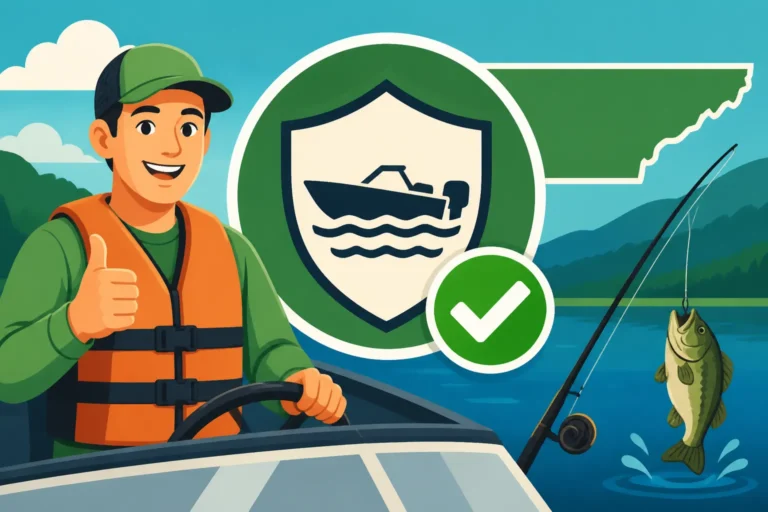
This includes life jackets and personal flotation devices (PFDs). In Tennessee, there are specific rules about who must wear a life jacket and what types of PFDs must be on board. For instance, children under a certain age are required to wear a life jacket while underway. Every boat must also have enough U.S. Coast Guard-approved PFDs for each person on board, and boats 16 feet or longer (excluding canoes and kayaks) need an additional Type IV throwable device. These aren't just rules; they're vital for your safety. To ensure you're fully compliant and prepared, make sure to read up on Tennessee Life Jacket and PFD Rules for Boaters. Having a fire extinguisher and a horn or whistle on board is also mandatory for most motorized vessels. You can find a great selection of these essential safety items at reputable retailers like Bass Pro Shops or even conveniently order them through Amazon. Don't skimp on safety; it's an investment in your well-being.
Planning Your Launch: Tools and Resources
A little planning goes a long way when it comes to boat ramps. With modern technology and readily available information, there's no excuse for showing up unprepared. Utilizing the right tools and having the right gear can transform a potentially stressful launch into a smooth, effortless experience.
Online Resources and Apps
In today's digital age, information about boat ramps is literally at your fingertips. Gone are the days of guessing or relying solely on outdated paper maps. Taking a few minutes to use online resources can save you hours of frustration.
The TWRA (Tennessee Wildlife Resources Agency) website is an invaluable resource for Tennessee boaters. They often provide detailed maps of public access points, including information on the number of lanes, parking capacity, and available amenities. Some listings even include recent photos or user-submitted comments on current conditions. It's typically the most reliable source for official information on public ramps across the state.
Beyond official government sites, various mapping apps like Google Maps, Apple Maps, or dedicated marine navigation apps can be incredibly helpful. Use satellite view to scout out the ramp's layout, parking areas, and even the approach road. You can often see the number of lanes and the size of the parking lot from above, giving you a visual idea of what to expect. Many of these apps also allow users to post reviews or photos, which can provide real-time insights into a ramp's condition, crowdedness, or water levels.
Finally, don't underestimate the power of fishing forums and local social media groups. Many local fishing communities have active online presences where anglers share up-to-the-minute information on lake conditions, fish activity, and crucially, boat ramp status. A quick post asking about the condition of a specific ramp can often yield invaluable, real-world advice from fellow boaters who were just there. These informal networks can be a lifesaver, especially during periods of fluctuating water levels or after unusual weather events.
Gear to Make Ramping Easier
Having the right gear on hand can significantly streamline your launch and retrieval process. It's not just about the boat and trailer; it's about the small accessories that make everything work together seamlessly.
First, bow and stern lines are absolute essentials. A sturdy bow line (the rope from the front of your boat) is critical for controlling your boat once it's off the trailer, especially if there's wind or current. A stern line (from the back) can be equally useful for guiding the boat or tying it off to a courtesy dock. Many experienced boaters keep these pre-tied and easily accessible. Having a few extra fenders (bumpers) on board is also smart, especially if you anticipate tying up to a busy courtesy dock where other boats might be jostling for space.
A good trailer hitch and ball that are properly sized for your tow vehicle and trailer are fundamental. Ensure they are in good working order and regularly inspect them for wear and tear. You'll also want a reliable jack stand or wheel chock for your trailer if you ever need to unhitch your boat on an incline. Consider investing in a high-quality trailer, and make sure it's always well-maintained. For more detailed advice on maintaining your trailer and making it last, checking out Boat Trailer Tips for Tennessee Anglers could be very beneficial.
For anyone who frequently uses boat ramps, especially those that might be less than ideal, a heavy-duty hitch lock can provide peace of mind while your truck is parked. A robust set of trailer wheel chocks can also be invaluable, preventing any unintended rolling while you're unhitching or doing last-minute checks. You can easily find and purchase these handy items at outdoor retailers like Bass Pro Shops or through online platforms such as Amazon, ensuring you're fully equipped for any Tennessee launch.
| Lake Name | Primary Ramp Type | Avg. Number of Lanes | Avg. Trailer Parking Spaces | Common Amenities | Best For | Considerations |
|---|---|---|---|---|---|---|
| Chickamauga Lake | Concrete | 2-4 | 50-100+ | Restrooms, docks, cleaning station (some) | Bass tournaments, large boats, busy weekends | Can be extremely crowded during peak fishing seasons and events. |
| Norris Lake | Concrete / Gravel | 1-3 | 20-50+ | Restrooms, docks (some) | Recreational boating, fishing, scenic views | Some ramps can be very steep, check water levels in shallower coves. |
| Watts Bar Lake | Concrete | 2-4 | 30-80+ | Restrooms, docks (some) | General fishing, cruising, large boats | Expansive lake, choose ramp based on desired fishing zone. |
| Percy Priest Lake | Concrete | 2-4 | 40-70+ | Restrooms, docks, picnic | Close to Nashville, family boating, fishing | Extremely busy on weekends, arrive early. |
| Old Hickory Lake | Concrete | 2-3 | 30-60+ | Restrooms, docks, picnic | Near Nashville, river fishing, varied species | Be aware of river current, especially after rain or dam generation. |
| Center Hill Lake | Concrete | 1-3 | 20-40 | Restrooms, docks (some) | Scenic beauty, deep water fishing, recreation | Many ramps are steep; water level fluctuations can affect access; narrow roads. |
| Kentucky Lake | Concrete | 2-4 | 50-100+ | Restrooms, docks, cleaning station (some) | Bass, crappie, catfish, all boat types | Large lake, many access points; popular and can be busy. |
| Pickwick Lake | Concrete | 2-4 | 40-80+ | Restrooms, docks, cleaning station (some) | Bass, catfish, tournament fishing | Very popular for tournaments, plan ahead for crowds. |
| Reelfoot Lake | Gravel / Dirt | 1-2 | 10-30 | Basic, limited amenities | Shallow-draft boats, crappie, bass, unique experience | Shallow, stump-filled; requires specific boat types and careful navigation. |
Disclaimer
This article is for general informational purposes only and does not constitute professional advice. Laws, prices and regulations vary by location and change over time. Consult a qualified professional for guidance on your specific situation.