Best Tackle for Striped Bass on Tennessee Reservoirs
There's nothing quite like the surge of a striped bass taking your lure, but if you've ever felt undergunned when reeling in one of these powerful fish from a big Tennessee reservoir, you're not alone. Many anglers find their standard bass tackle just doesn't cut it against the sheer power and size of a striper. This guide is all about equipping you with the best tackle specifically chosen to conquer striped bass in the expansive waters of Tennessee, ensuring you're ready for that next thrilling fight.
Understanding Striped Bass Behavior in Tennessee Reservoirs
Catching striped bass in Tennessee isn't just about showing up with a rod and reel; it's about understanding what makes these fish tick in our large, deep reservoirs. Stripers aren't like your typical largemouth or crappie. They're built for speed and power, often moving in large schools and feeding aggressively, sometimes in open water, other times deep near thermoclines or structure. This unique behavior dictates a very different approach to tackle than you might use for other species.
The Thrill and Challenge of Tennessee Stripers
I remember one time on Norris Lake, trolling deep, when my rod just absolutely doubled over. It wasn't the steady pull of a catfish or the head shake of a largemouth; it was a pure, unadulterated freight train. That's a striped bass for you! They hit hard, run fast, and pull with incredible strength, often making long, powerful runs that test your gear and your muscles. Because they're often found in big, open-water schools, locating them can be a challenge in itself, but once you do, the action can be non-stop. Their size can range from respectable "keepers" to true giants weighing many pounds, so your tackle needs to be robust enough to handle the unknown. You don't want to hook into the fish of a lifetime only for your gear to fail. It's a humbling experience to watch a trophy striper swim away because your line snapped or your reel's drag gave out.
What Makes Striped Bass Different in Reservoirs
Unlike their anadromous relatives that migrate between salt and fresh water, the landlocked stripers in Tennessee reservoirs like Watts Bar, Norris, and Cherokee thrive in large, open bodies of water. They chase baitfish like threadfin and gizzard shad, often herding them to the surface in spectacular "boils" or holding deep in cooler water during warmer months. This means your tackle needs to be versatile. You might be casting a topwater lure into a surface frenzy one minute, and then dropping a jig to a school 50 feet down the next. Their feeding habits, combined with their incredible strength, demand gear that can withstand brutal strikes and prolonged battles. A strong rod, a reel with a smooth, reliable drag, and tough line are not luxuries; they are necessities when targeting these freshwater titans. Their tendency to school also means that when you find them, you might be in for multiple hookups, putting your gear through the w wringer repeatedly.
Essential Rods and Reels for Striped Bass Fishing
When it comes to tackling striped bass, you simply cannot skimp on your rod and reel. This isn isn't the time for your lightweight panfish setup. We're talking about heavy-duty gear designed to cast big lures, handle strong fish, and endure the fight. Think of it as bringing a sledgehammer to a job that needs one, not a finishing hammer.
Choosing the Right Rod: Power, Length, and Action
For striped bass, you'll want a rod with plenty of backbone – what we call "power." A medium-heavy to heavy power rod is generally the sweet spot. This allows you to cast heavier lures, set the hook firmly into a striper's tough mouth, and apply the necessary pressure during the fight without the rod feeling overwhelmed. Length is also crucial. For casting from the bank or a boat, a 7 to 8-foot rod is often ideal. This length provides excellent casting distance, which you'll need for reaching schooling fish, and helps absorb the shock of a hard strike and a long run. A longer rod also gives you better leverage, which is important when a big striper tries to dive deep or make a run under the boat.
As for "action," which describes where the rod bends, a moderate-fast to fast action is typically preferred. A fast action rod bends mostly in the tip, giving you sensitivity for detecting subtle bites and quick hook sets. A moderate-fast action offers a bit more flex down the blank, which can be forgiving on powerful runs and help prevent hooks from pulling out. Many anglers find a good quality graphite or composite rod from reputable brands like Ugly Stik or St. Croix offer the sensitivity and durability needed. You can often find a great selection at Bass Pro Shops or even browse different options on Amazon, comparing features and angler reviews.
Selecting a Reel That Can Handle the Fight
Your reel is arguably the most critical component of your striped bass tackle, primarily because of its drag system. Stripers are known for blistering runs, and a smooth, consistent drag is non-negotiable. For many Tennessee anglers, a robust spinning reel in the 4000 to 6000 series size, or a conventional baitcasting reel designed for saltwater or heavy freshwater use, is the way to go.
A good spinning reel offers ease of casting and can handle heavier lines, making it a popular choice for casting lures to schooling fish or drifting live bait. Look for reels with multiple ball bearings for smooth operation and, most importantly, a drag system that won't stutter or stick under heavy pressure. A jerky drag can quickly lead to snapped lines or pulled hooks.
Baitcasting reels, particularly those with a strong level-wind system, are also excellent, especially for trolling heavy lures or for those who prefer the direct control and power a baitcaster offers. Many anglers gravitate towards a low gear ratio (e.g., 5.1:1 or 4.7:1) for cranking power against a fighting fish, or a slightly higher ratio (6.0:1 or 7.1:1) for quicker retrieves when casting. Regardless of the type, ensure your reel has a substantial line capacity, as a big striper can strip a lot of line in a hurry. A reliable reel from brands like Penn, Shimano, or Daiwa can make all the difference between landing that trophy and telling a "one that got away" story.
Lines, Leaders, and Terminal Tackle: The Unsung Heroes
It’s easy to get caught up in the excitement of choosing rods and reels, but don't underestimate the importance of your line, leaders, and terminal tackle. These are the direct connections to your fish, and a weak link anywhere in this chain can mean heartbreak. These components are truly the unsung heroes of your striped bass setup.
The Foundation: Line Choice and Pound Test
When targeting striped bass, especially the larger ones found in Tennessee's expansive waters, your main line needs to be strong and reliable. Braided line has become incredibly popular for stripers, and for good reason. Its thin diameter for its strength, minimal stretch, and excellent casting distance are huge advantages. For most reservoir striper fishing, I'd recommend 30 to 50-pound test braided line. The low stretch of braid allows for excellent sensitivity to feel even subtle bites and provides powerful, instant hook sets. Plus, its strength gives you confidence when a big fish makes a run towards submerged timber or rocky bottom.
Monofilament line still has its place, especially for topwater presentations where a little stretch can be beneficial to prevent hooks from tearing out. If you go with mono, opt for a heavier pound test, perhaps 17 to 25-pound, to ensure it can withstand the striper's power. Some anglers even prefer a monofilament main line for trolling because of its shock-absorbing qualities. The key is to match your line to your fishing style and the conditions you expect to encounter. Always check your line regularly for nicks and abrasions, especially after a tough fight or if you've been fishing around structure.
Leaders and Essential Terminal Gear
While braided line is fantastic for its strength, it can be quite visible in clear water, and its lack of abrasion resistance against sharp rocks or a striper's rough mouth can be a concern. That's where a good fluorocarbon leader comes into play. Fluorocarbon is nearly invisible underwater, and it's much more abrasion-resistant than braid, giving you that critical buffer between your lure and the main line. For leaders, a 20 to 40-pound test fluorocarbon is generally suitable, depending on the clarity of the water and the size of the fish you're targeting. The length of your leader can vary, but a 3 to 6-foot section is common, allowing for good stealth without hindering casting too much. You'll connect your braid to your fluorocarbon leader using a strong knot like an FG knot or an Albright knot, both known for their strength and smooth passage through rod guides.
Beyond the line and leader, don't forget your terminal tackle:
- Swivels: High-quality barrel swivels or ball bearing swivels (size 2 to 4) are essential when trolling or using lures that can twist your line. They prevent line twist, which can weaken your line and cause tangles.
- Snaps: Heavy-duty snaps or snap swivels allow for quick lure changes, especially when casting to active schools. Make sure they are rated for the pound test of your leader.
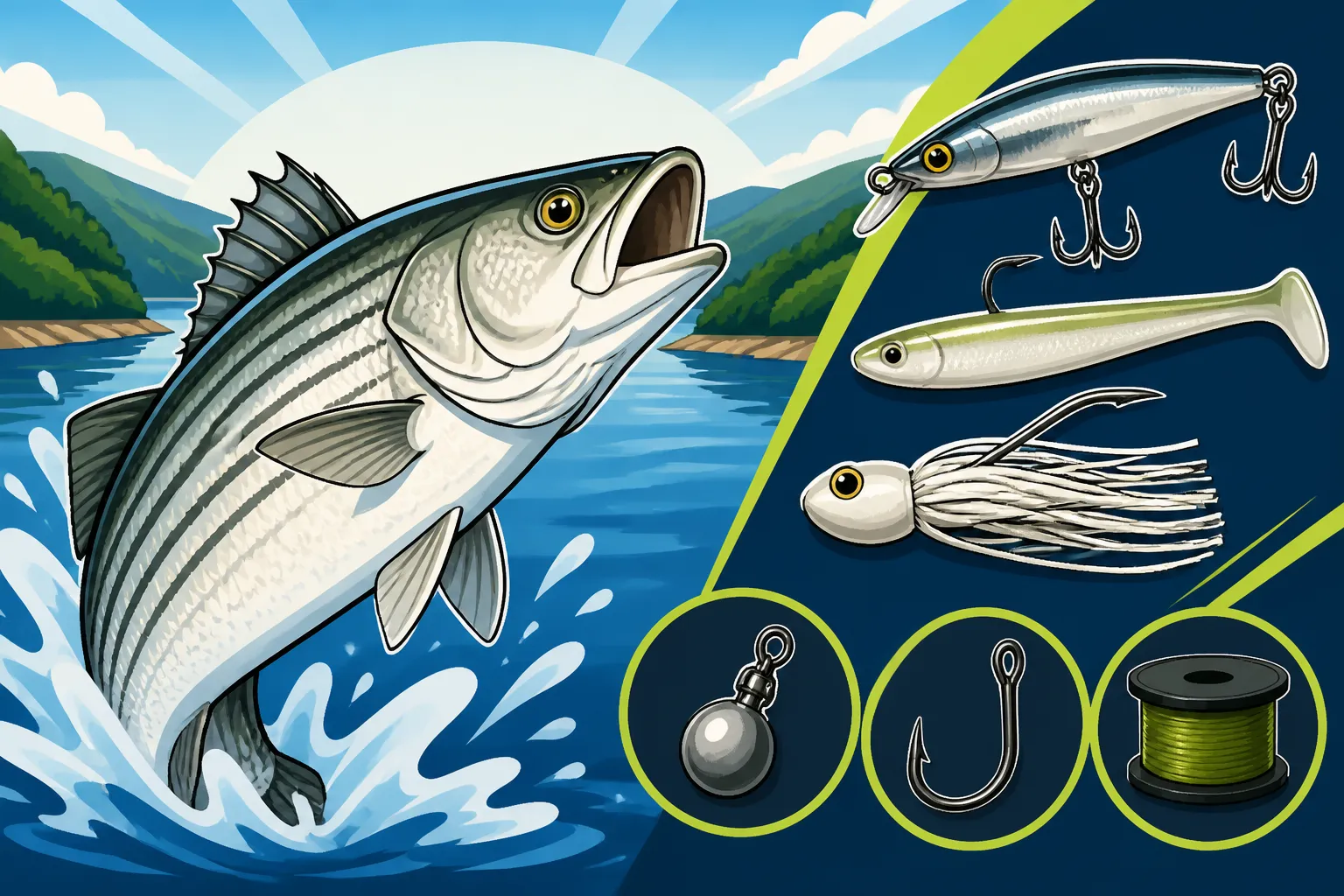
- Hooks: If you're using live bait, select strong, sharp circle hooks (sizes 3/0 to 7/0) or J-hooks. Circle hooks are great for conservation as they often hook fish in the corner of the mouth, making for easier release. For artificial lures, ensure the treble hooks are strong enough to handle a striper; sometimes upgrading stock hooks on lures is a smart move.
- Weights: Depending on your depth and current, you might need bell sinkers, egg sinkers, or planer boards for trolling. Keep a variety of weights on hand for different presentations.
Having a selection of these items, readily available in your tackle box, will ensure you're prepared for whatever Tennessee's striped bass throw at you.
Top Lures and Baits for Tennessee Striped Bass
Striped bass are voracious predators, and they'll hit a wide variety of offerings, from live bait to a diverse array of artificial lures. The key is to match your presentation to their mood, location, and the baitfish they're currently feeding on. Getting this right can turn a slow day into an epic one. For more insights on this, you might find our guide on Best Lures for Striped Bass in Open Water particularly useful.
Live Bait Tactics for Hungry Stripers
When the bite is tough, or you're looking for bigger fish, live bait is often the most effective approach for striped bass in Tennessee reservoirs. The undisputed king of live bait for stripers is undoubtedly shad—specifically threadfin and gizzard shad, which are native to these waters and a primary food source for stripers.
- Catching Bait: The biggest hurdle is often catching the bait itself. A good cast net is your best friend here. Look for shad schools near main lake points, coves, or around bridge pilings, especially in the early morning or late evening.
- Keeping Bait Alive: Once caught, keeping your shad alive and frisky requires a quality livewell with aeration. Healthy bait swims naturally and is much more enticing to a hungry striper.
- Rigging Live Bait: You can rig live shad in several ways:
- Freeline: This is perhaps the most natural presentation. Simply hook a live shad through the nose or back with a circle hook (3/0-5/0) and let it swim freely. This works great when stripers are near the surface or suspended at a shallow depth.
- Downlining: When stripers are holding deeper, you'll need to get your bait down to them. Use an egg sinker (1/2 to 2 ounces, depending on current and depth) above a barrel swivel, then a 2-4 foot fluorocarbon leader to your hook. This setup ensures your bait is presented at the right depth.
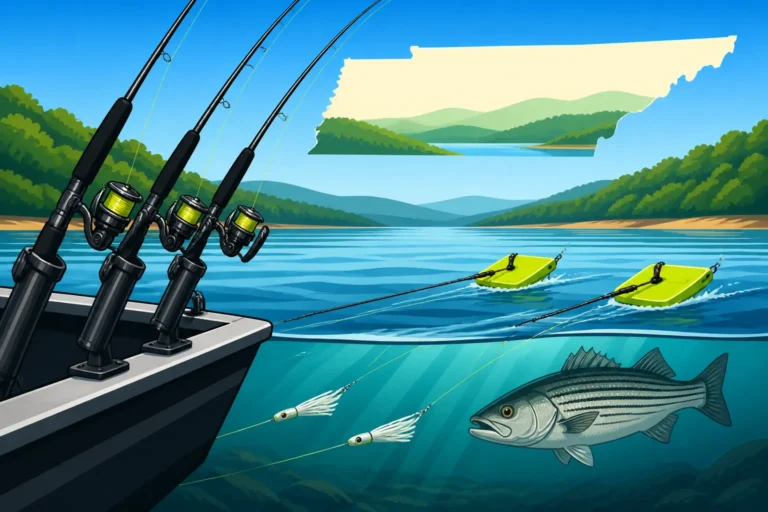
- Planer Boards: For covering wide areas, especially when trolling or drifting, planer boards spread your baits out, preventing tangles and allowing you to target a wider swath of water. This is particularly effective on large bodies of water like Kentucky Lake or Watts Bar. How to Troll for Striped Bass delves deeper into these techniques.
Remember, fresh, lively bait makes all the difference. Stripers are opportunists, but they'll often bypass a sluggish bait for one that's full of life.
Artificial Lures That Get Results
While live bait is incredibly effective, throwing artificial lures for striped bass is an exhilarating experience. The variety of lures available means you can adapt to almost any condition, from surface boils to deep-water haunts. Many of these can be found at your local Bass Pro Shops or online at Amazon.
- Topwater Lures: When stripers are actively busting on the surface, there's nothing more exciting than a topwater explosion. Walk-the-dog style baits (like a Heddon Super Spook) or pencil poppers are fantastic for these situations. They mimic dying baitfish and provoke aggressive strikes. This often happens in low light conditions, dawn or dusk, or on cloudy days.
- Jigs and Soft Plastics: For stripers holding deeper or when you need to match smaller baitfish, bucktail jigs (1/2 to 2 ounces) or swimbait-style soft plastics rigged on a lead head are incredibly versatile. You can cast them and retrieve them with a jigging motion, or drop them vertically into schools of fish you've marked on your electronics. White, chartreuse, and silver are classic colors.
- Crankbaits and Swimbaits: Deep-diving crankbaits (like those from Rapala or Strike King) are excellent for trolling or casting to mimic larger baitfish. Look for models that dive to the depths where the stripers are holding. Larger, realistic swimbaits, either hard-bodied or soft, can also be deadly when fished around schooling bait or structure.
- Umbrella Rigs and Alabama Rigs: These multi-lure rigs are incredibly effective for mimicking a school of baitfish. They consist of several wire arms with jigs or swimbaits attached, creating the illusion of a small bait ball. They are especially popular for trolling for suspended stripers, and can often draw strikes from aggressive fish looking for a substantial meal. When using these, ensure your rod and reel setup can handle the added weight and drag. Check out Best Umbrella Rigs for Tennessee Striped Bass for more specifics.
- Spoons: Casting spoons (like a Hopkins Shorty or a Kastmaster) are excellent for vertical jigging over deep schools of fish or casting a long distance to reach breaking fish. Their flashy, erratic action can trigger strikes from even hesitant stripers.
Choosing the right artificial lure often comes down to trial and error, paying attention to what the fish are doing, and adjusting your presentation accordingly. Don't be afraid to experiment with different sizes, colors, and retrieve speeds until you crack the code.
Here's a quick overview of common tackle choices for striped bass in Tennessee:
| Tackle Component | Recommended Specs (General) | Why It Matters for Stripers |
|---|---|---|
| Rod Power | Medium-Heavy to Heavy | Handles big lures, strong hook sets, power during fight |
| Rod Length | 7' to 8' | Long casting distance, leverage for fighting powerful fish |
| Rod Action | Moderate-Fast to Fast | Sensitivity for bites, quick hook sets, shock absorption |
| Reel Size | Spinning 4000-6000 series / Heavy Baitcaster | Large line capacity, powerful and smooth drag system |
| Main Line | 30-50 lb Braided Line (or 17-25 lb Monofilament) | Strength, low stretch (braid), abrasion resistance (mono), casting |
| Leader Material | 20-40 lb Fluorocarbon | Invisibility, abrasion resistance, stealth |
| Hooks (Live Bait) | 3/0 – 7/0 Circle or Strong J-Hooks | Strong to penetrate tough mouth, hold powerful fish |
| Lures (Topwater) | Walk-the-dog, Pencil Poppers (e.g., Heddon Super Spook) | Exciting surface strikes during active feeding |
| Lures (Jigs/Soft) | 1/2 – 2 oz Bucktail Jigs, Swimbait Soft Plastics | Versatile for deep or shallow, mimics baitfish |
| Lures (Trolling) | Deep-diving Crankbaits, Umbrella Rigs, Large Swimbaits | Covers water, targets suspended fish, mimics schools |
| Terminal Tackle | Heavy-duty swivels, snaps, various weights | Prevents line twist, quick lure changes, depth control |
No matter if you prefer the subtle art of live bait or the thrilling action of artificial lures, having the right tackle setup will vastly improve your chances of success and, more importantly, your enjoyment of chasing Tennessee's magnificent striped bass. It's a challenging but incredibly rewarding pursuit, and with this gear, you'll be well on your way to a memorable catch.
Disclaimer
This article is for general informational purposes only and does not constitute professional advice. Laws, prices and regulations vary by location and change over time. Consult a qualified professional for guidance on your specific situation.