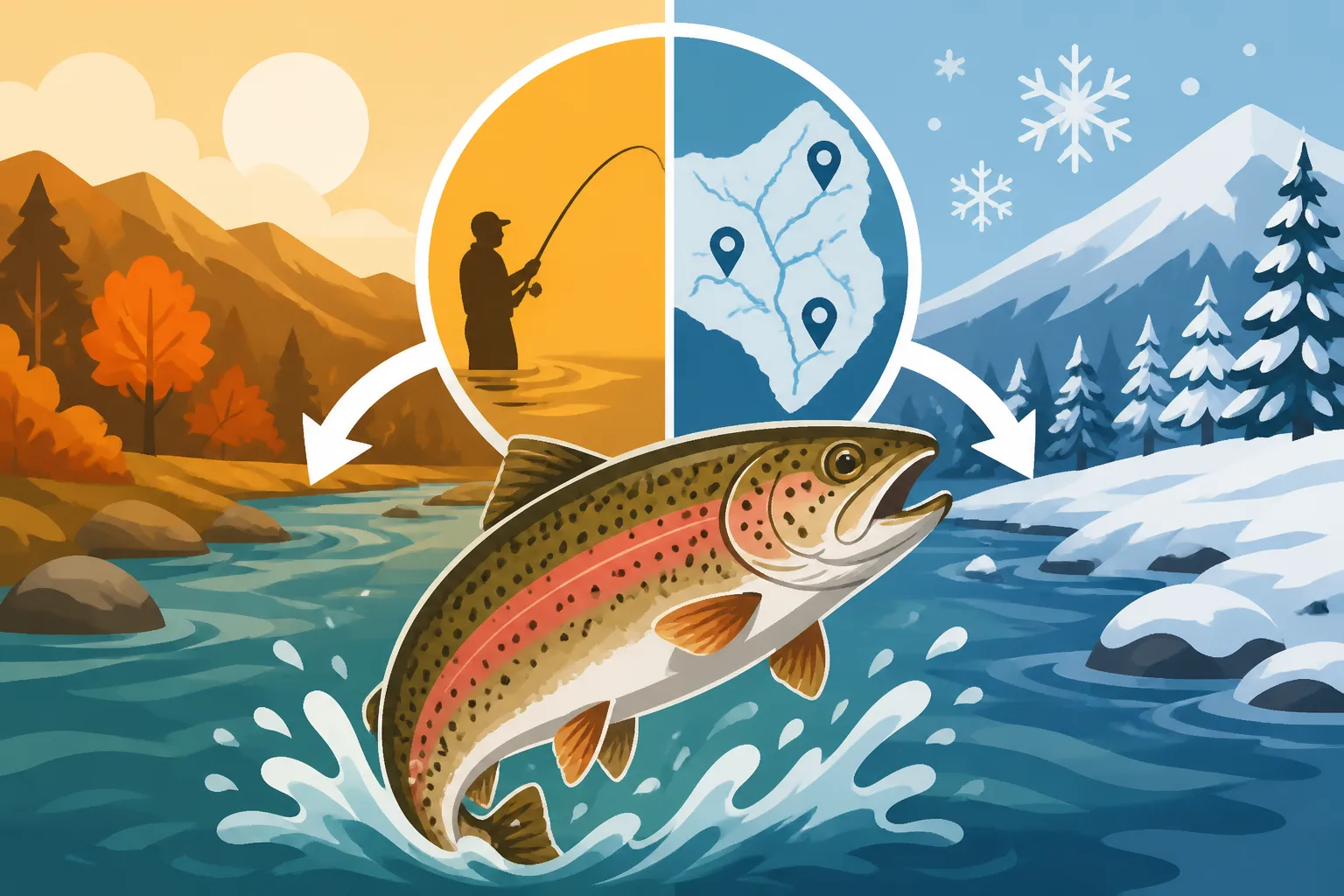
Trout limits shift to water-specific rules from October through February
Oh, the crisp air of a Tennessee autumn! It's truly a magical time to be on the water, but if you're a trout angler, you know that this beauty often comes with a bit of a puzzle. Many folks get used to the statewide trout limits during the warmer months, only to be caught off guard when October rolls around and everything seems to change. It's frustrating to plan a trip, only to realize the rules for your favorite stream are completely different. This guide is here to walk you through exactly how Tennessee's trout limits transition to water-specific regulations from October through February, ensuring you're always fishing within the lines and making the most of those gorgeous cooler seasons.
Understanding the Seasonal Shift: Why Trout Rules Change
For much of the year, particularly from March through September, Tennessee maintains fairly consistent statewide trout limits: usually seven fish per day, with specific rules around brown trout, like only two brown trout counting towards that seven-fish limit. It’s straightforward, easy to remember, and applies broadly across many of our beautiful trout-stocked waters. However, when the chill of October sets in and lasts through February, the Tennessee Wildlife Resources Agency (TWRA) implements what are known as "water-specific" regulations. This isn't just a random change to make things harder; it's a carefully considered management strategy.
One of the primary reasons for this shift is to better manage different trout populations and fishing pressures during critical times. Fall and winter are often when the larger, wilder brown trout begin their spawning rituals in many streams, and these water-specific rules can help protect them. Additionally, many waters become prime stocking locations for rainbow trout during the cooler months, often designated as "put-and-take" fisheries that receive regular infusions of fish. By having distinct rules for individual bodies of water, the TWRA can tailor conservation efforts and angler opportunities to suit the unique characteristics and fish populations of each stream, river, or lake. It's about sustainability and ensuring great fishing for years to come.
Think about it like this: a high-pressure tailwater below a dam, with year-round cold water and consistent stocking, will naturally have different needs than a remote, wild-trout stream in the Smoky Mountains. The statewide limits are a good general guideline, but they can't possibly address the nuances of every single trout fishery in a state as diverse as Tennessee. This segmented approach allows for more precise control, protecting vulnerable species in one area while maximizing recreational opportunities in another. It's a testament to the TWRA's commitment to dynamic fisheries management. For a broader overview of the calendar, you might want to read our full guide on the Tennessee Trout Fishing Season Explained.
Your Guide to Finding Water-Specific Regulations
Navigating these water-specific rules can feel a bit like cracking a code, but it doesn't have to be intimidating. The absolute first step, and honestly, the most crucial one, is to always check the latest Tennessee Fishing Regulations guide published by the TWRA. You can find this invaluable resource on their official website. It's usually available as a downloadable PDF, and it's updated annually. Within this guide, there will be a dedicated section that details the special regulations for trout, often broken down by county or specific waterbody. Don't rely on old screenshots or what a buddy told you last year, because rules can, and sometimes do, change.
Beyond the official guide, physical signs posted at popular access points for specific trout waters are another key source of information. If you're heading to a well-known tailwater like the Caney Fork River or a designated trout stream in a state park, chances are there will be large signs near boat ramps or parking areas detailing the exact regulations for that particular section of water. Always take a moment to read these, even if you think you know the rules. These signs often highlight unique restrictions, like "single-hook artificial lures only" or "catch and release only," which are very common in these water-specific zones during the colder months. It’s also wise to check for any updates on the TWRA's social media channels or local news, as unexpected changes due to weather events or other factors can occur.
Technology can also be your friend here. Many anglers use fishing apps that integrate TWRA regulations, or simply a quick search on your phone before you head out can pull up the most current information directly from the TWRA website. If you’re like me, you probably carry your phone anyway, so make it a habit to double-check. Consider investing in a durable, waterproof case for your phone—you can find many great options on Amazon—so you can safely reference those rules right on the bank, even in inclement weather. Remember, ignorance of the law is never an excuse, and a game warden will expect you to know the specific rules for the water you're fishing. For more detailed information on regulations throughout the year, check out our piece on Tennessee Fishing Regulations Explained.
Common Types of Winter Trout Water Regulations
When you dive into the water-specific regulations from October through February, you'll find that they often fall into a few distinct categories, each designed to achieve different management goals. Understanding these general types will help you quickly decipher what you can and cannot do on a particular stream.
One very common type is Catch-and-Release Only. These waters are often managed for quality trout fishing, focusing on the growth of larger, healthier fish. For example, specific sections of the Hiwassee River or certain stretches of the Clinch River might be designated as catch-and-release during the winter. In these areas, not only must you immediately return any trout you catch to the water, but there are usually restrictions on the types of tackle you can use. Often, it's "single-hook artificial lures only," meaning no bait, no treble hooks, and nothing that could deeply injure the fish. This minimizes harm to the trout population, especially during sensitive times like spawning. You’ll want to be sure your tackle box is stocked with appropriate gear if you plan to visit these areas.
Another frequent designation is Reduced Creel Limits with Tackle Restrictions. Instead of the statewide seven-fish limit, you might find a limit of one or two trout per day, often with a minimum size restriction, say 16 inches. These waters aim to provide some harvest opportunities while still protecting larger, mature fish. Again, artificial lures are typically mandated, sometimes with specific hook requirements like barbless hooks. This balances the desire for anglers to take home a trophy or a meal with the need to sustain the fishery. For example, some small municipal lakes or specific stretches of rivers like the Tellico River might adopt these rules to control harvest. It's a different approach than pure catch-and-release but still emphasizes conservation.
Then there are Delayed Harvest Waters, which operate under a unique cycle. These waters are often heavily stocked in the fall, but fishing is restricted to catch-and-release with artificial lures only during the initial stocking period, typically through the winter. Then, come spring, usually March 1st, they open up to harvest under more liberal regulations. This allows anglers to enjoy robust catch-and-release opportunities during the winter months, letting the stocked trout grow a bit, before the harvest season begins. It’s a fantastic system that gives anglers the best of both worlds throughout the year. The Caney Fork River, for instance, has areas that follow a delayed harvest schedule, offering incredible winter fly fishing. Understanding How the Trout Season Splits Between Spring and Fall in Tennessee is crucial for these waters.
Finally, some waters might simply have Modified Statewide Rules, where the core idea is similar to the general season but with minor adjustments for specific conditions. Perhaps a stream that's prone to low water levels in winter might have a slightly reduced limit or a specific bait restriction to prevent overfishing during a vulnerable period. It's about fine-tuning rather than a complete overhaul. Always pay close attention to the details. A quick glance at the regulation table can make all the difference between a successful, legal outing and a potential citation. If you’re planning a trip, be sure you know Tennessee's Fishing License Requirements too, as the rules apply regardless of license type.
Here’s a simplified look at how these rule changes compare:
| Rule Type | March – September (Statewide) | October – February (Water-Specific Examples) | Key Characteristics & Goals |
|---|---|---|---|
| Daily Creel Limit | 7 trout/day (max 2 brown) | Varies: 0, 1, 2, or 5 trout/day | Protects spawning fish, manages stocked fish, quality control |
| Size Limit | No minimum (except brown trout) | Varies: Catch & Release, 16" min, etc. | Allows fish to grow larger, protects specific age classes |
| Tackle Restrictions | Any legal bait/lure | Artificial lures only, single hook, barbless | Minimizes harm to fish, promotes skill-based fishing |
| Primary Goal | General harvest & recreation | Conservation, quality, sustained yield | Tailors management to specific waterbody needs |
Preparing for Success: Gear and Mindset for Winter Trout
Switching gears from statewide summer trout fishing to water-specific winter regulations isn't just about knowing the rules; it also often means adjusting your gear and your mindset. Those colder months bring different conditions, and the fish behave differently, too. Being prepared for these changes can make all the difference in your success and enjoyment on the water.
First off, consider your tackle. If you're heading to a catch-and-release or artificial-lures-only water, your bait container can stay at home. Instead, stock up on small spinners, spoons, soft plastics, and a variety of fly patterns if you're a fly angler. For those specific streams, having a good selection of Best Fly Patterns for Brown Trout or suitable lures for rainbows is key. You'll often find that trout become more lethargic in cold water, so slower presentations and smaller baits are usually more effective. Barbless hooks, either purchased or crimped down with pliers, are also often a requirement and are always a good idea for catch-and-release. You can easily find a good selection of these specialized items on Amazon, allowing you to tailor your gear to specific winter conditions before you even leave the house.
Beyond your tackle, think about personal comfort and safety. Winter fishing in Tennessee can mean chilly temperatures, icy banks, and even snow. Good quality waders and waterproof boots are essential, not just for staying dry but for warmth. Layering your clothing is paramount. A good base layer, insulating mid-layers, and a waterproof, windproof outer shell will keep you comfortable for hours. A warm hat, gloves, and even hand warmers can be game-changers. This preparation ensures you can focus on fishing and enjoying the beautiful winter scenery, rather than shivering your way through the day. Remember, cold water fishing can also be a little more hazardous; slick banks and cold submersion are real risks.
Finally, approach winter trout fishing with a conservation-minded attitude. Since many of these specific regulations are put in place to protect the fishery, it's important to handle fish with care, especially if you're in a catch-and-release zone. Minimize air exposure, use wet hands when handling fish, and revive them gently before release. These are often the same practices taught in our article on How Cold Water Changes Trout Fishing in Tennessee's Smoky Mountains. These fish are a valuable resource, and by following the rules and practicing good stewardship, we ensure that the next generation of anglers can enjoy the same fantastic opportunities. Don't be afraid to try new techniques; the challenge of winter trout fishing can be incredibly rewarding, especially when you land a beautiful fish from a specially managed water.
Disclaimer
Please remember that fishing regulations, including those for trout in Tennessee, can change. While every effort has been made to provide accurate and up-to-date information in this guide, it is ultimately your responsibility to consult the current official Tennessee Wildlife Resources Agency (TWRA) fishing regulations before each outing. This content is for informational purposes only and should not be considered a substitute for the official TWRA rulebook.