Budgeting license costs for a multi-day fishing trip to Tennessee
Planning a multi-day fishing trip to the Volunteer State can be incredibly exciting, but the details, especially figuring out fishing licenses and their costs, can quickly become a headache. Many anglers, particularly those visiting from out of state, get tripped up by the various options and how they impact their overall budget. This guide is here to untangle the complexities of Tennessee fishing license costs for multi-day trips, helping you make informed decisions and budget like a pro.
Understanding Tennessee's Fishing License Structure for Visitors
Tennessee, like many states, has a tiered system for its fishing licenses, and understanding these categories is the first step in budgeting your multi-day adventure. The key distinctions often revolve around residency and the duration of your trip, as well as whether you plan to target trout.
Resident vs. Nonresident Licenses: A Key Distinction
The most fundamental difference in license pricing in Tennessee, and indeed almost everywhere, comes down to whether you're a resident of the state or visiting from elsewhere. If you're lucky enough to call Tennessee home, your options are typically more affordable and often include annual combinations for hunting and fishing. However, for those of us traveling to enjoy Tennessee's fantastic waters, we fall squarely into the nonresident category, and that’s where the specific multi-day options come into play.
A nonresident annual license in Tennessee is generally the most comprehensive option if you plan to fish throughout the year or for extended periods. The base fee for a nonresident annual license without trout access is $49. This allows you to fish for warmwater species like bass, crappie, and catfish in public waters across the state for a full 12 months from the date of purchase. It's a solid choice for anyone who anticipates making multiple trips to Tennessee within a year or staying for a very long duration, essentially covering all your bases for a significant amount of fishing. You can read more about Nonresident Annual License Costs in Tennessee to get the full breakdown.
If your multi-day trip involves chasing rainbow, brown, or brook trout in Tennessee's numerous coldwater streams and rivers, you'll need to consider the trout-inclusive option. Adding trout access to a nonresident annual license raises the price to $98. This might seem like a jump, but it’s crucial if trout fishing is on your agenda, as it ensures you're legally covered for those specific species. For many, the thrill of catching a beautiful Smoky Mountain trout is well worth the added cost.
Short-Term Options for Visiting Anglers
For most multi-day trips, especially those lasting a week or less, Tennessee offers convenient short-term nonresident licenses that can be much more budget-friendly than shelling out for a full annual license. These are designed specifically for visitors who aren't looking to commit to a year-long permit but still want to enjoy a few days on the water.
The two main short-term options are the 3-day and 10-day licenses. A nonresident 3-day license without trout access costs $20. This is perfect for a quick weekend getaway or a long weekend fishing excursion where you're strictly targeting warmwater species. It provides flexibility and a lower entry cost compared to the annual permit. If your trip stretches a bit longer, say five to seven days, the 10-day option starts to look very appealing. A 10-day pass gives visiting anglers more than three times the days for only $10 more than the 3-day, costing $30 without trout. This is an excellent value for a full week-long vacation or even a couple of shorter trips planned close together.
Just like with the annual licenses, if your multi-day plans include fishing for trout, you'll need to opt for the trout-inclusive versions of these short-term licenses. A 3-day trout-inclusive license costs $40 for nonresidents, doubling the price but granting you access to those beautiful trout fisheries. Similarly, a 10-day trout-inclusive nonresident license runs $61. These options are vital for anyone planning to visit destinations like the Little Tennessee River or the Caney Fork River, where trout are the primary target. You can find detailed information on these options in Nonresident 3-Day and 10-Day License Options for Tennessee.
Here's a quick comparison of nonresident license costs:
| License Type | Duration | Without Trout | With Trout |
|---|---|---|---|
| Nonresident Annual | 12 Months | $49 | $98 |
| Nonresident Multi-Day | 10 Days | $30 | $61 |
| Nonresident Short-Term | 3 Days | $20 | $40 |
The Trout Permit Question
The biggest "gotcha" for many out-of-state anglers in Tennessee is the trout permit, or rather, the "trout-inclusive" aspect of the license. It's not a separate permit you buy after your main license; instead, it's an integrated part of the license purchase itself. When you buy your license, you'll be given the option to include trout fishing privileges. This typically costs extra, as seen in the price differences above.
So, when do you really need it? If your multi-day fishing trip involves any of Tennessee's designated trout waters, or if you anticipate catching trout incidentally, then yes, you absolutely need a license that includes trout. This isn't just about targeting them; it's about being legally allowed to possess them if you do catch one. Many popular rivers and streams in East Tennessee are heavily stocked with trout by the Tennessee Wildlife Resources Agency (TWRA), making trout a very real possibility. If you're planning on fly fishing the Clinch River or spin fishing a Smoky Mountain stream, the trout option is non-negotiable.
However, if your multi-day trip is solely focused on large reservoirs like Kentucky Lake for crappie, Chickamauga Lake for bass, or Watts Bar for catfish, and you have no intention of visiting a trout stream, then you can save some money by opting for the license without trout. This is where your trip planning really matters. Think about your target species and locations carefully. Is the extra cost for trout worth it if you rarely target trout? Only you can answer that, but if there's even a slight chance, or if you're exploring new waters, it's often better to have it and not need it than need it and not have it. Why Nonresident Licenses Cost More With Trout Included explains this in more detail, highlighting the importance of this decision.
Comparing License Options for Different Trip Durations
Deciding which license duration is right for your multi-day fishing trip can feel like a math problem, but it doesn't have to be complicated. It boils down to simple logic: how many days will you actually be fishing in Tennessee, and do you anticipate returning within the year?
The Single-Day vs. Multi-Day Conundrum
While this guide focuses on multi-day trips, it's worth a brief mention of the single-day license. A basic single-day license without trout runs $6, making it the cheapest entry point for a very short visit. However, for anything more than a single day, or even a long day where you want the option to return the next morning, the multi-day licenses quickly become more economical.
Let's imagine you're planning a four-day fishing trip. If you were to buy four individual single-day licenses without trout, that would set you back $24 ($6 x 4). Compare that to the 3-day nonresident license at $20 (without trout) or the 10-day nonresident license at $30 (without trout). Clearly, buying multiple single-day licenses quickly becomes a less efficient choice. If your trip is four days, you'd likely buy the 10-day license, which covers your four days plus an additional six days for future use, all for a mere $6 more than buying four single days. This illustrates a crucial point: when you're planning for more than a day, always look at the combined value of the short-term multi-day options. The math almost always favors them. For instance, Is a 10-day license cheaper than two separate 3-day trips delves into this comparison, demonstrating the savings.
Breaking Down the Annual License Value
For longer multi-day trips, or for those who envision themselves becoming regular visitors to Tennessee's waters, the annual nonresident license truly shines. While its upfront cost of $49 (without trout) or $98 (with trout) is higher than the short-term options, its value proposition dramatically increases the more you fish.
Consider this: if you plan two separate week-long fishing trips to Tennessee within a 12-month period, you'd buy two 10-day licenses. That would be $60 ($30 x 2) without trout, or $122 ($61 x 2) with trout. In both scenarios, the annual license at $49 or $98 is significantly cheaper. Even one extended multi-day trip, say for two weeks (14 days), would already justify the annual license. If you bought two 10-day licenses for a 14-day trip, it would cost you $60 or $122. The annual license saves you money immediately.
The annual license simplifies things considerably. You buy it once, and you're covered for a full year, no need to worry about expirations or buying a new license for each trip. This removes a layer of planning and potential stress, allowing you to spontaneously decide on another fishing weekend without the hassle of a new purchase. This is precisely Why the annual nonresident license can beat buying several short-term passes. It’s an investment that pays off quickly if you’re a frequent visitor.
Practical Budgeting Tips Beyond Just Licenses
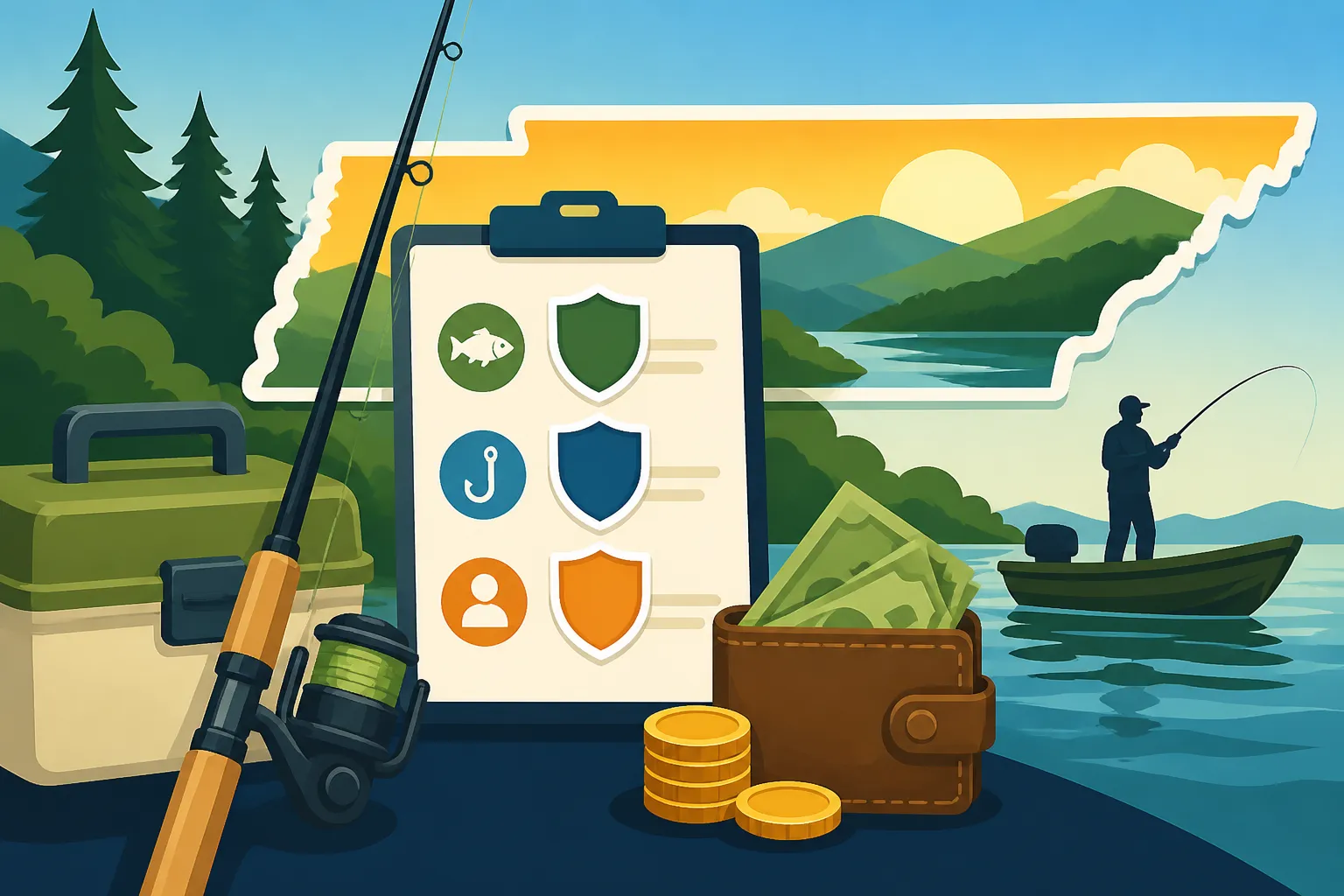
While the fishing license is a fundamental cost, a truly comprehensive budget for a multi-day trip to Tennessee goes much further. Ignoring these other factors can quickly lead to unexpected expenses that derail your financial planning and enjoyment.
Accounting for Gear and Supplies
A multi-day fishing trip almost always means you'll need more than just a rod and reel. Think about all the consumables and specialized equipment. Your tackle box, for instance, might need a refresh of lures, hooks, weights, and lines specific to the species you're targeting in Tennessee. If you're chasing crappie on Kentucky Lake, you'll need jigs; if it's bass on Chickamauga, crankbaits and soft plastics are key. Don't forget live bait, which can add up significantly over several days – minnows, worms, or shad can be a daily expense.
Beyond the immediate tackle, consider your personal comfort and safety. Proper fishing apparel, rain gear, sunscreen, bug spray, and a good cooler for your catch are essential, especially for longer trips. You can find a lot of this essential equipment online through retailers like Amazon, making it convenient to stock up before you even leave home. Having reliable gear, whether it's a new pair of polarized sunglasses or an extra spool of fishing line, ensures a more enjoyable and productive outing. For those just starting out, checking out resources like Best Fishing Gear for Beginners can help identify necessities without overspending.
Travel, Accommodation, and Boat Costs
These are often the largest expenses for any multi-day trip and need to be factored in realistically. How will you get to Tennessee? Gas prices, especially for towing a boat, can be substantial. If you're flying, don't forget baggage fees for your fishing rods or other oversized gear.
Accommodation options range from rustic campgrounds to luxurious cabins or hotels. Booking in advance, especially during peak season, can often save you money. Consider staying slightly outside major tourist hubs if you're looking for more affordable lodging near your fishing destination. For example, if you're fishing near Nashville, a motel in a surrounding county might be cheaper than staying right in the city.
If you're bringing your own boat, remember fuel costs for the boat itself, potential ramp fees at certain lakes or parks, and any necessary maintenance or repairs before you leave. Ensure your boat registration is up to date – checking Tennessee Boat Registration Requirements Explained is a good idea. If you plan to rent a boat in Tennessee, factor in daily or weekly rental fees, which can vary widely based on boat size and type. Some rentals might also require you to have a Tennessee Boating Safety Education Certificate Guide, depending on your age and birth year.
Unexpected Costs and Contingencies
No matter how meticulously you plan, unexpected expenses can and often do arise. It's always a good idea to build a small buffer into your budget for contingencies. This could be anything from replacing a lost tackle box that went overboard to needing a new battery for your trolling motor.
Weather can be unpredictable, sometimes forcing you to stay off the water for a day, which might mean an unplanned activity or meal out. Or, perhaps you stumble upon a local bait shop with a "must-have" lure you just can't resist. Building in a 10-15% contingency fund ensures these small surprises don't completely derail your financial comfort.
Most importantly, understanding and adhering to Tennessee's fishing regulations is paramount. Being caught without the correct license, or failing to adhere to catch limits and seasons, can lead to hefty fines and confiscation of equipment. Always consult the latest TWRA regulations, and make sure your license covers your intended fishing activities. Avoiding issues like Penalties for Fishing Without a License in Tennessee is the easiest way to save yourself unexpected costs and a lot of grief. Familiarizing yourself with Tennessee Fishing Regulations Explained can prevent many common mistakes.
Making Your Purchase and Ensuring Compliance
Once you've decided on the best license option for your multi-day Tennessee fishing trip, the next steps are straightforward: actually acquiring the license and ensuring you're always in compliance while on the water.
Where and How to Buy Your License
Tennessee makes it relatively easy to purchase fishing licenses, offering several convenient options to fit your preference.
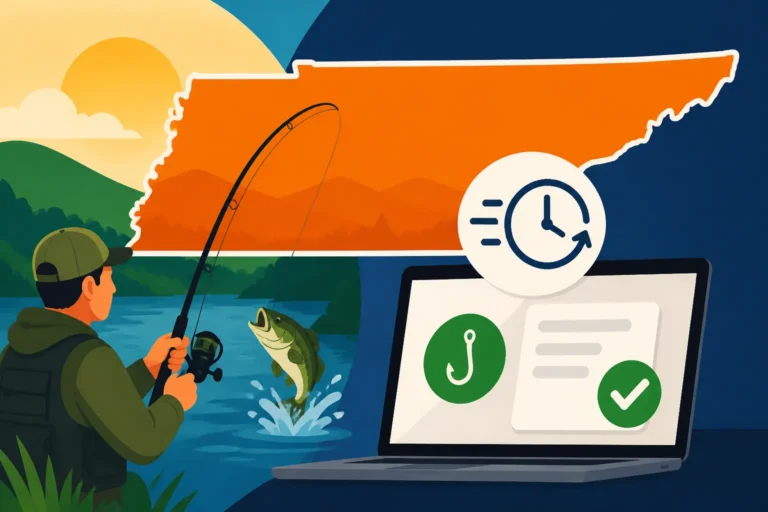
The most popular and often easiest method for many anglers, especially those planning a trip from out of state, is purchasing online. The Tennessee Wildlife Resources Agency (TWRA) website provides a user-friendly portal where you can select your desired license type, fill in your information, and complete the transaction in just a few minutes. You'll receive an immediate digital copy, making it perfect for last-minute purchases or renewing an existing license before your current one expires. You can learn more about How to Buy or Renew a Tennessee Fishing License Online to streamline this process.
If you prefer a more traditional route, or if you find yourself needing a license while already in Tennessee, there are numerous authorized license agents across the state. These typically include many Walmart stores, sporting goods retailers like Bass Pro Shops or Academy Sports + Outdoors, and countless local bait and tackle shops. These physical locations are great if you have questions, need local advice, or just enjoy the old-school feel of buying your license at a bait shop before heading to the lake. Many anglers appreciate the personal touch and the chance to ask about local fishing reports. For a comprehensive list of where to buy, check out Where to Buy a Fishing License in Tennessee.
Keeping Proof of License Handy
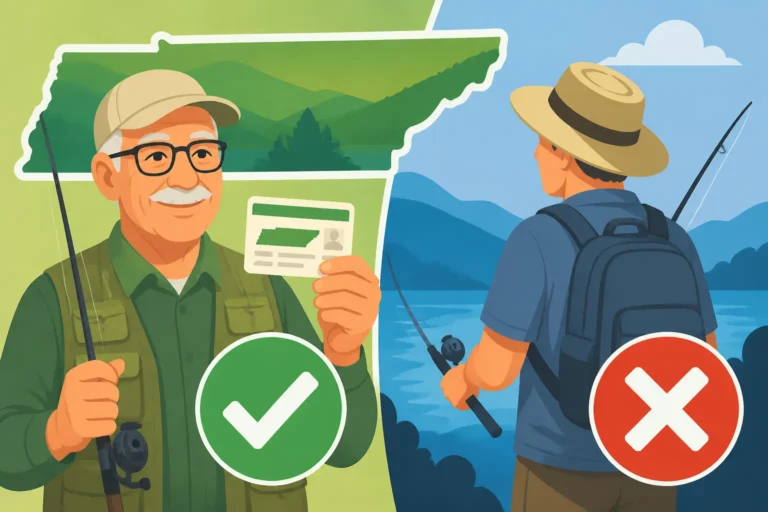
Once you've made your purchase, the crucial next step is to ensure you always have valid proof of your license with you while fishing. Game wardens frequently check licenses, and being unable to produce yours can lead to an unfortunate interruption to your trip and potentially fines.
The good news is that Tennessee offers flexibility here. If you bought your license online, you'll likely have a digital copy. Showing this digital license on your smartphone or other mobile device is perfectly acceptable. Just make sure your phone is charged and protected from the elements! Many anglers find this the most convenient method, as it means one less piece of paper to worry about losing or damaging.
Alternatively, you can always print a physical copy of your license. Some anglers prefer this as a backup, especially if they're worried about phone battery life or dropping their device in the water. Both digital and printed copies are equally valid. The key is simply to have it accessible. You can dive deeper into these options with Digital vs Printed Fishing Licenses in Tennessee and get tips on Carrying Proof of Your License While Fishing in Tennessee. Whichever method you choose, keeping your proof of license handy is a small step that can save you a lot of hassle and ensure your multi-day Tennessee fishing trip remains a smooth and enjoyable experience.
Disclaimer
The information provided in this guide is for general informational purposes only and is subject to change. Always consult the official Tennessee Wildlife Resources Agency (TWRA) website or official regulations for the most current and accurate information regarding fishing licenses, seasons, and limits before planning and embarking on your fishing trip.