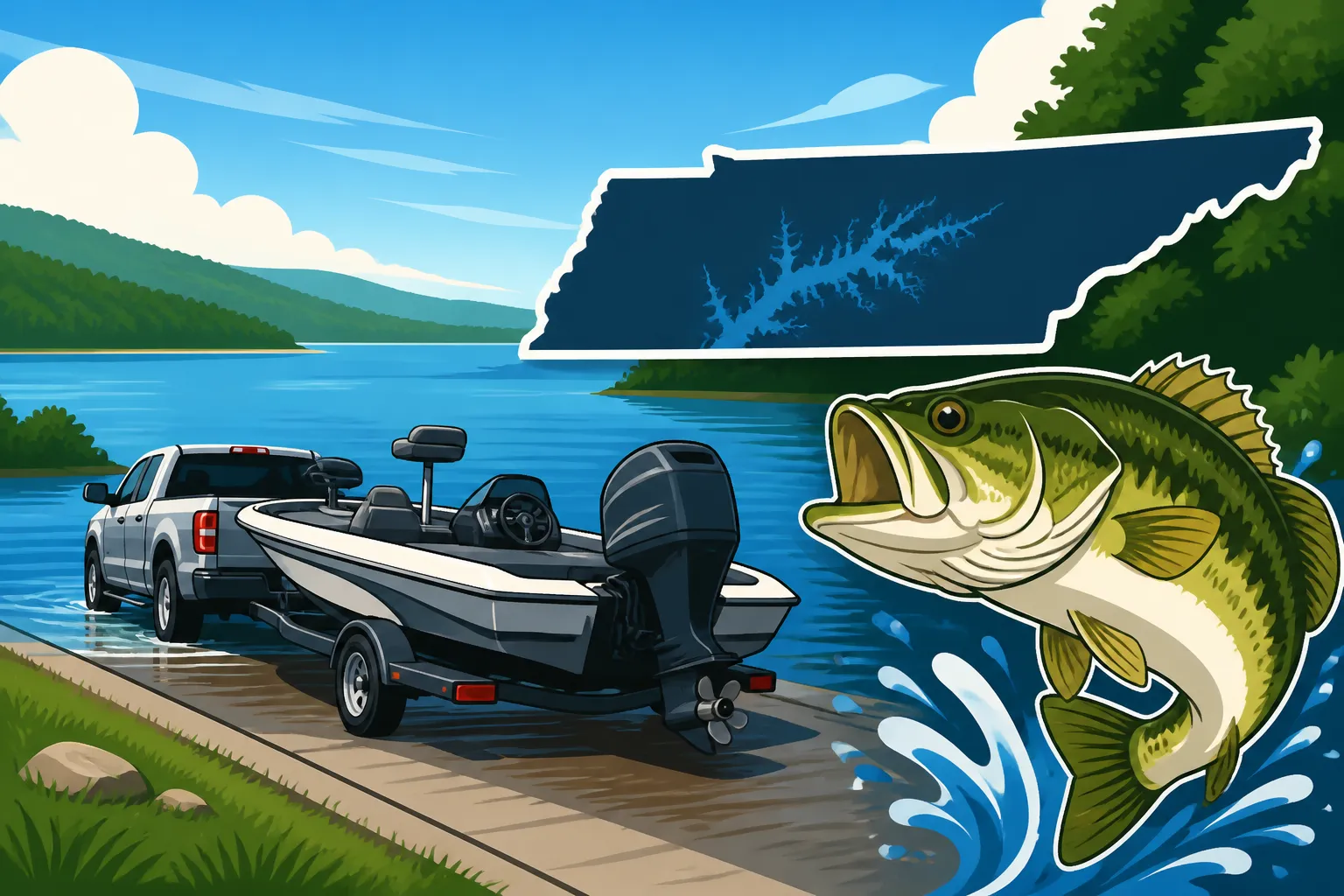
Boat Ramp Access on Tennessee’s Major Lakes
There's nothing quite like the excitement of hitting the water for a day of fishing in Tennessee, but that excitement can quickly turn to frustration when you can't find a decent boat ramp or one that suits your specific vessel. Navigating the diverse access points across our state's massive reservoirs can be a real headache. This comprehensive guide is designed to cut through the confusion, offering a deep dive into the best boat ramp access points on Tennessee's major lakes, ensuring your next fishing trip starts and ends smoothly.
Understanding Tennessee's Public Boat Ramps
When you're planning a fishing trip to one of Tennessee's incredible lakes, one of the first things you'll need to sort out is where you're going to launch your boat. It might seem straightforward, but not all boat ramps are created equal, and knowing who manages them can give you a clue about what to expect in terms of facilities and maintenance. This state boasts a fantastic array of public access, largely thanks to several key agencies.
Who Manages Boat Ramps in Tennessee?
In Tennessee, the responsibility for providing and maintaining public boat ramps is largely shared among a few major players. The Tennessee Wildlife Resources Agency (TWRA) is a primary provider, offering numerous ramps specifically designed for angler access across the state. These TWRA ramps are often well-maintained, clearly marked, and provide easy access to prime fishing waters. You'll find them scattered around reservoirs, offering convenient spots to get your boat in the water, whether you're chasing bass or crappie.
Beyond the TWRA, the U.S. Army Corps of Engineers (COE) plays a huge role, particularly on the large impoundments they manage, such as Percy Priest Lake or Center Hill Lake. These Corps ramps are typically robust, designed for heavy use, and often come with additional amenities like restrooms and picnic areas. They're built to handle a lot of traffic, especially during peak fishing seasons or major holiday weekends. You’ll frequently find ample parking, which is a blessing when you’re towing a big boat. Finally, Tennessee State Parks also offer boat ramp access on lakes within their boundaries, like those found at Norris Dam State Park or Edgar Evins State Park. These park ramps usually integrate into a broader recreational area, meaning you might find camping, hiking trails, or swimming beaches nearby, making them great for family outings where fishing is just one part of the adventure.
Types of Ramps and What to Expect
The type of boat ramp you encounter in Tennessee can vary significantly, from pristine concrete lanes to more rustic gravel paths. The most common and generally preferred ramps are concrete, which provide a solid, slip-resistant surface for launching and retrieving your boat. These often come with multiple lanes, allowing several boats to launch simultaneously, which helps reduce congestion during busy times. A good concrete ramp typically extends well into the water, ensuring you can launch even when lake levels fluctuate, which is a common occurrence on many of our reservoirs.
Alongside the ramp itself, you'll often find courtesy docks – floating or fixed piers that allow you to tie up your boat briefly after launch while you park your trailer, or to load up before retrieving it. These are incredibly helpful for solo anglers or when you're launching with less experienced helpers. Ample parking is another critical feature; nothing sours a trip faster than struggling to find a spot for your truck and trailer, especially on a busy Saturday morning. Some ramps might also offer amenities like restrooms, trash receptacles, and even fish cleaning stations, which are a definite bonus. However, you'll also find simpler gravel ramps, especially on smaller lakes or less developed sections of larger reservoirs. While functional, these can be trickier, especially with two-wheel drive vehicles or larger boats, as they might be prone to washouts or offer less traction. Always check conditions if you're heading to a gravel ramp, especially after heavy rains.
East Tennessee's Major Lake Ramps
East Tennessee is a true angler’s paradise, boasting some of the state's most iconic and productive fishing lakes. From the trophy bass haven of Chickamauga to the deep, clear waters of Norris Lake, these reservoirs draw anglers from far and wide. Understanding the boat ramp access on these expansive waterways is crucial for a successful trip, as conditions and facilities can vary greatly.
Chickamauga Lake Access Points
Chickamauga Lake, especially renowned for its trophy largemouth bass, sees immense fishing pressure, which means its boat ramps are often bustling. Thankfully, there are numerous well-maintained public access points designed to handle the crowds. One of the most popular and well-equipped is the Chester Frost Park ramp in Hixson, just north of Chattanooga. This ramp boasts multiple concrete lanes, extensive parking, and several courtesy docks, making it ideal for tournament anglers and families alike. Given its popularity, especially for events and during peak seasons, arriving early is always a good strategy to beat the rush. Another excellent option is the Harrison Bay State Park ramp, which also offers fantastic facilities, including a marina, camping, and well-maintained launch lanes. It's a slightly different vibe than Chester Frost, perhaps a bit more relaxed, but still very popular.
Further up the lake, you’ll find other reliable ramps like those near Dayton, such as the Dayton City Dock ramp. This provides excellent access to the northern stretches of the lake, which can be fantastic for both bass and crappie fishing. The sheer size of Chickamauga means you have plenty of options to spread out, even on busy days. Just remember, as detailed in our guide on Best Boat Ramps on Chickamauga Lake, some of the smaller, less-known ramps might offer quicker access to specific fishing spots but could lack the amenities of the larger public parks. Regardless of where you launch, make sure your Tennessee Fishing License Guide is in order before you cast a line.
Norris Lake and Douglas Lake Ramps
Moving north and east, Norris Lake offers a completely different experience with its incredibly deep, clear waters and stunning mountain scenery. Access to Norris can be a bit trickier than some other lakes due to its steep shoreline and expansive coves. The most popular ramps, like those at Anderson County Park or Shanghai Resort, offer excellent concrete access and generous parking. These are often busy during summer months with recreational boaters, but provide solid launching points year-round for anglers targeting smallmouth bass, walleye, or crappie. Many of the ramps on Norris are associated with marinas or resorts, meaning you might find fuel, bait, and tackle available, which is always convenient.
Douglas Lake, located closer to Knoxville and the Smoky Mountains, is another highly productive fishery, particularly known for its crappie and bass. The lake levels on Douglas can fluctuate quite a bit throughout the year, especially during drawdowns in the colder months, so it’s crucial to check current conditions before heading out. Ramps like those at Dandridge Public Boat Launch are reliable, offering concrete lanes and good parking. For anglers looking to explore different areas, you'll find numerous smaller, sometimes less developed, access points. The Indian Creek ramp, for example, offers good access to the upper sections of the lake. It's always a good idea to consult current TWRA resources or local bait shops for the most up-to-date information on ramp conditions, especially during periods of significant water level changes. For more insights into this specific fishery, check out our Norris Lake Fishing Guide, Tennessee's Clearest Water.
Watts Bar Lake Boat Ramp Options
Watts Bar Lake, one of the larger reservoirs on the Tennessee River system, offers a fantastic blend of bass, crappie, and catfish fishing. Its numerous islands and coves provide endless opportunities, and thankfully, a good number of boat ramps facilitate access. The Watts Bar Dam area itself has several well-maintained public ramps, offering excellent access to both the main channel and the tailwaters below the dam. These areas are particularly popular for striped bass and catfishing.
Further up or down the lake, you'll find popular spots like the Blue Springs ramp or the facilities at Long Island Marina. These ramps typically feature concrete lanes, ample parking, and often courtesy docks. Given Watts Bar's sprawling nature and the sheer volume of water, having multiple access points means you can launch closer to your preferred fishing grounds, saving valuable travel time on the water. Many of these ramps are robust enough to handle larger bass boats and pontoons, which is a common sight on this vast lake. For a detailed look at the launch sites, our guide on Best Boat Ramps on Watts Bar Lake, Tennessee, can provide more specific directions and insights. When planning a larger trip, considering a charter through services like FishingBooker can help you find guides familiar with the best local ramps and fishing spots.
Central Tennessee's Convenient Boat Access
For anglers in and around the state's capital, Central Tennessee offers a fantastic selection of lakes, many of which are conveniently located just a short drive from urban centers. These lakes, while perhaps not as globally renowned as some of the eastern giants, provide incredible fishing opportunities for a variety of species. Knowing the ins and outs of their boat ramp access can make all the difference for a quick evening trip or a full weekend adventure.
Percy Priest Lake Ramps for Nashville Anglers
Percy Priest Lake, a true gem just outside Nashville, is incredibly popular with both local and visiting anglers. Its proximity to a major metropolitan area means its boat ramps see a lot of traffic, especially on weekends. The U.S. Army Corps of Engineers maintains several excellent ramps around the lake, offering convenience and good facilities. Fate Sanders Recreation Area is a prime example, providing multiple concrete lanes, extensive parking, and well-placed courtesy docks. It's a busy spot, but for good reason – it offers access to productive waters for bass, crappie, and striped bass.
Another highly utilized ramp is at Cook Day Use Area, which is also very convenient to the city and offers similar amenities. These popular spots are great, but sometimes finding a less crowded option can be a challenge. Always check current conditions, especially during peak seasons. You might also find ramps within various state parks or local parks around the lake, providing slightly different access points and potentially varying levels of amenities. For anyone living near the city, understanding Percy Priest Lake Fishing Near Nashville, Tennessee is key to maximizing your time on the water.
Old Hickory Lake and Center Hill Lake Ramps
Just northeast of Nashville, Old Hickory Lake is another popular destination, part of the Cumberland River system. This lake is known for its excellent bass and crappie fishing, and like Percy Priest, it has numerous accessible boat ramps. The Old Hickory Beach Recreation Area is a prime example of a Corps of Engineers ramp here, featuring good concrete lanes, ample parking, and a convenient location. It's often busy, but efficiently managed. Further upriver, towards Gallatin, you’ll find other reliable ramps, many of which are also part of Corps of Engineers parks or local municipal parks. Given that Old Hickory is a river-run lake, some ramps might be more exposed to current than others, which is something to consider when launching.
Further east into the rolling hills, Center Hill Lake offers a beautiful, more secluded fishing experience compared to its urban counterparts. Known for its clear waters and excellent smallmouth bass, its ramps tend to be a bit more spread out. Ragland Bottom Recreation Area is a fantastic COE-managed ramp, providing excellent access to the lower lake, with modern facilities. Other popular ramps include those at Long Branch Recreation Area and Edgar Evins State Park, the latter offering additional amenities like cabins and camping. While the drive might be a little longer from Nashville, the serene environment and fantastic fishing often make it well worth the effort. It's always wise to check on specific lake-level conditions, as Center Hill can experience drawdowns, impacting some ramp depths.
Western Tennessee's Vast Waterways
Western Tennessee is home to some of the nation's largest and most famous fishing destinations, including the behemoth Kentucky Lake. These waters offer unparalleled opportunities, from monster catfish to abundant crappie and bass. Navigating these vast lakes requires a good understanding of their extensive network of boat ramps, which are designed to accommodate a huge volume of anglers and recreational boaters.
Kentucky Lake and Pickwick Lake Ramps
Kentucky Lake, often cited as one of the best fishing lakes in Tennessee, is simply massive, stretching for miles along the western border of the state. Its sheer size means there are countless boat ramps, ranging from major tournament facilities to small, local access points. On the Tennessee side, one of the most prominent is the Paris Landing State Park ramp. This facility is top-notch, boasting multiple wide concrete lanes, extensive paved parking for hundreds of vehicles, and numerous courtesy docks. It’s frequently used for major bass tournaments and is a hub of activity. The park also offers a full-service marina, lodging, and dining, making it a complete destination.
Further south, near the town of Camden, the Birdsong Resort & Marina offers excellent ramp facilities and amenities for anglers looking to explore different sections of the lake. When fishing on Kentucky Lake on the Tennessee Side, you'll find that many county and municipal parks also maintain excellent boat ramps, such as those in the New Johnsonville area or closer to Dover. These ramps are generally well-kept and provide consistent access.
Just south of Kentucky Lake, straddling the Tennessee-Alabama-Mississippi border, is Pickwick Lake. This reservoir is famous for its smallmouth and largemouth bass, as well as its phenomenal catfish. Ramps like those at Pickwick Landing State Park are exemplary, offering state-of-the-art facilities with multiple lanes, plenty of parking, and easy access to the prime fishing grounds near the dam. Other popular spots include McFarland Park on the Alabama side (but easily accessible from Tennessee for fishing reciprocity purposes) and various smaller ramps managed by local communities. Given the size and popularity of these lakes, some ramps can get extremely busy, particularly during spring and fall fishing seasons. For comprehensive details on access, our guide on Best Boat Ramps on Kentucky Lake or Best Boat Ramps on Pickwick Lake can offer more targeted information.
Reelfoot Lake's Unique Access Challenges
Reelfoot Lake offers a truly unique fishing experience in Tennessee, unlike any other. Formed by a series of earthquakes in the early 19th century, this shallow, cypress-filled lake in the northwest corner of the state presents its own set of challenges and charms for boaters. Because of its shallow nature and abundant cypress trees, accessing Reelfoot requires a different approach to boat ramps. You won't find the deep, multi-lane concrete behemoths here. Instead, ramps are often designed for smaller, shallower-draft boats like jon boats or flat-bottom skiffs, which are perfectly suited for navigating the lake’s intricate waterways.
Many of the access points are concentrated around Reelfoot Lake State Park, such as the ramps at Blue Basin or Kirby Pocket. These are typically concrete pads that extend just far enough into the water for a shallow-draft boat to launch. Parking is usually adequate but often not as expansive as on the larger reservoirs. The key here is understanding that Reelfoot is a wilderness experience, and the ramps reflect that. You’ll also find various private marinas and fish camps offering launching facilities, which sometimes include additional services like guide assistance or rental boats, which can be invaluable on this particular lake. If you’re planning a trip to this cypress wonderland, definitely check out our guide on Best Boat Ramps on Reelfoot Lake for specific local insights, as the lake's ever-changing contours and water levels can significantly impact access.
Mastering Boat Ramp Etiquette and Safety
Getting your boat into and out of the water smoothly is an art form that, when done right, makes everyone's day easier. Nothing can disrupt the flow of a busy boat ramp like someone fumbling with their trailer or blocking a lane unnecessarily. Beyond courtesy, safety is paramount, both for yourself, your passengers, and other users of the ramp. Understanding and practicing proper boat ramp etiquette and safety procedures is just as important as knowing where the ramps are.
Smooth Launching and Retrieval Techniques
The golden rule of boat ramp etiquette is preparation, preparation, preparation. Before you even back down the ramp, pull off to the side in a staging area and get your boat ready. This means putting in your drain plug (so many forget this!), loading all your gear, taking off your transom savers and tie-downs, raising your motor, and attaching your bow line to the front of your boat. Having everything ready to go means you can quickly back down, launch, and move your boat away from the ramp without holding up others. If you have a partner, they can often be ready to take the boat off the trailer as you back down, freeing up the ramp even faster.
When it comes to the actual backing and launching, take your time. There’s no need to rush and make mistakes. Aim to keep your trailer straight, using your side mirrors to guide you. Once the boat is floating, gently push it off the trailer or have your partner guide it to a courtesy dock. Then, quickly get your vehicle and trailer out of the launch lane and park it in a designated spot. The same principles apply to retrieval: have your boat ready at the courtesy dock, get your trailer backed in promptly, load your boat, and then pull off to the side to secure everything. This teamwork and efficiency ensure that everyone gets to enjoy their time on the water without unnecessary delays. For a more detailed walkthrough, consider checking out tips on How to Back a Boat Trailer Down a Tennessee Boat Ramp.
Essential Safety Gear and Practices
Safety at the boat ramp extends beyond just efficient launching. It starts before you even leave your driveway with a thorough check of your trailer, including tires, lights, and hitch connections. Once at the ramp, especially if you're launching in the dark for an early morning bite or coming in late, ensure your trailer lights are working and your boat's navigation lights are on. This is not only a legal requirement but a crucial safety measure for visibility.
Always make sure you have enough life jackets for everyone on board, and that kids under 12 are wearing them when the boat is underway, as required by Tennessee law. Keeping a throwable flotation device, like a Type IV cushion, readily accessible is also important for boats 16 feet and longer. During the actual launch or retrieval, be mindful of people in the water, especially swimmers or waders. Use common sense, maintain situational awareness, and never hesitate to ask for help if you need it – most fellow anglers are more than willing to lend a hand. A well-stocked first aid kit, a fire extinguisher, and a charged cell phone are also essential safety items for any boating trip, making sure you’re prepared for unexpected situations.
Finding Your Perfect Ramp with Modern Tools
In today's digital age, finding the perfect boat ramp has become significantly easier than it once was. Gone are the days of relying solely on paper maps or vague directions from a bait shop owner (though those still have their place!). Modern technology and dedicated resources can help you pinpoint not just any ramp, but the right ramp for your specific needs, making your fishing adventure start off on the right foot.
Utilizing Online Resources and Apps
The Tennessee Wildlife Resources Agency (TWRA) website is an invaluable first stop for any angler. Their interactive maps and lake-specific pages often detail public boat ramp locations, facilities available, and sometimes even real-time information on water levels, which can be critical for shallow ramps. Similarly, the U.S. Army Corps of Engineers (COE) website provides detailed information for the reservoirs they manage, often including photos of the ramps and a list of amenities like restrooms, picnic areas, and courtesy docks.
Beyond official government sites, various fishing and outdoor recreation apps have become incredibly useful. Navionics and other marine charting apps often mark boat ramps with symbols, and many even allow user reviews or photos, giving you a sneak peek at what to expect. Services like FishingBooker, while primarily focused on connecting anglers with guides, also feature detailed location information, which can include insights into local access points. When you’re trying to scout out a new lake, these digital tools can save you a ton of time and prevent unpleasant surprises. You can check ramp accessibility for various types of boats and plan your route effectively, whether you're targeting Best Fishing Lakes in Tennessee or exploring Tennessee River Fishing Access Points.
Local Knowledge and Pre-Trip Planning
While online resources are fantastic, nothing truly beats good old-fashioned local knowledge. Before heading to a new lake or a different section of a familiar one, a quick call to a local bait and tackle shop can provide invaluable, up-to-the-minute information. They'll know if a certain ramp is washed out, if lake levels are too low, or if a particular ramp is prone to heavy weekend traffic. These are insights you might not always find online.
Furthermore, pre-trip planning goes beyond just finding a ramp. It involves considering the time of year, weather conditions, and the specific fish species you're targeting. For instance, a ramp might be perfect in spring when water levels are high, but problematic in late fall during a drawdown. If you’re fishing for trout, knowing the optimal time and specific access points is important, which is covered in our Tennessee Trout Fishing Season Explained guide. Knowing these details ahead of time can help you choose the best ramp for your specific outing, preventing frustration and ensuring you spend more time fishing and less time worrying about logistics.
| Lake | Primary Management | Common Ramp Features | Typical Congestion | Best for (Boat Size) | Notes |
|---|---|---|---|---|---|
| Chickamauga Lake | TWRA, COE, State P | Multi-lane concrete, ample parking, courtesy docks | High | All sizes | Major bass tournament hub, very busy. |
| Norris Lake | TWRA, COE, Private | Concrete, sometimes steep, resort/marina amenities | Moderate-High | Medium to large | Deep, clear water, popular for recreation. |
| Percy Priest Lake | COE | Concrete, good parking, restrooms | High | All sizes | Convenient to Nashville, busy year-round. |
| Kentucky Lake | TWRA, State Park | Extensive concrete, huge parking, full marinas | High | All sizes, including large | Massive lake, numerous options, tournaments. |
| Watts Bar Lake | TWRA, COE, Private | Concrete, good parking, some courtesy docks | Moderate | Medium to large | Sprawling, diverse fishery. |
| Reelfoot Lake | State Park | Shallow concrete, gravel, designed for jon boats | Low-Moderate | Small, shallow-draft | Unique cypress swamp, specific boat types. |
| Old Hickory Lake | COE | Concrete, ample parking, sometimes current-affected | Moderate-High | All sizes | River-run lake, convenient to Nashville. |
| Center Hill Lake | COE, State Park | Concrete, ample parking, scenic | Moderate | Medium to large | Clear water, steep shoreline, less crowded. |
Disclaimer
Please note that fishing regulations, license requirements, and local access conditions can change. Always consult the official Tennessee Wildlife Resources Agency (TWRA) website, U.S. Army Corps of Engineers resources, or local authorities for the most current information before planning your trip. The advice provided in this guide is for informational purposes only.