Best Spot to Catch Blue Catfish on Kentucky Lake
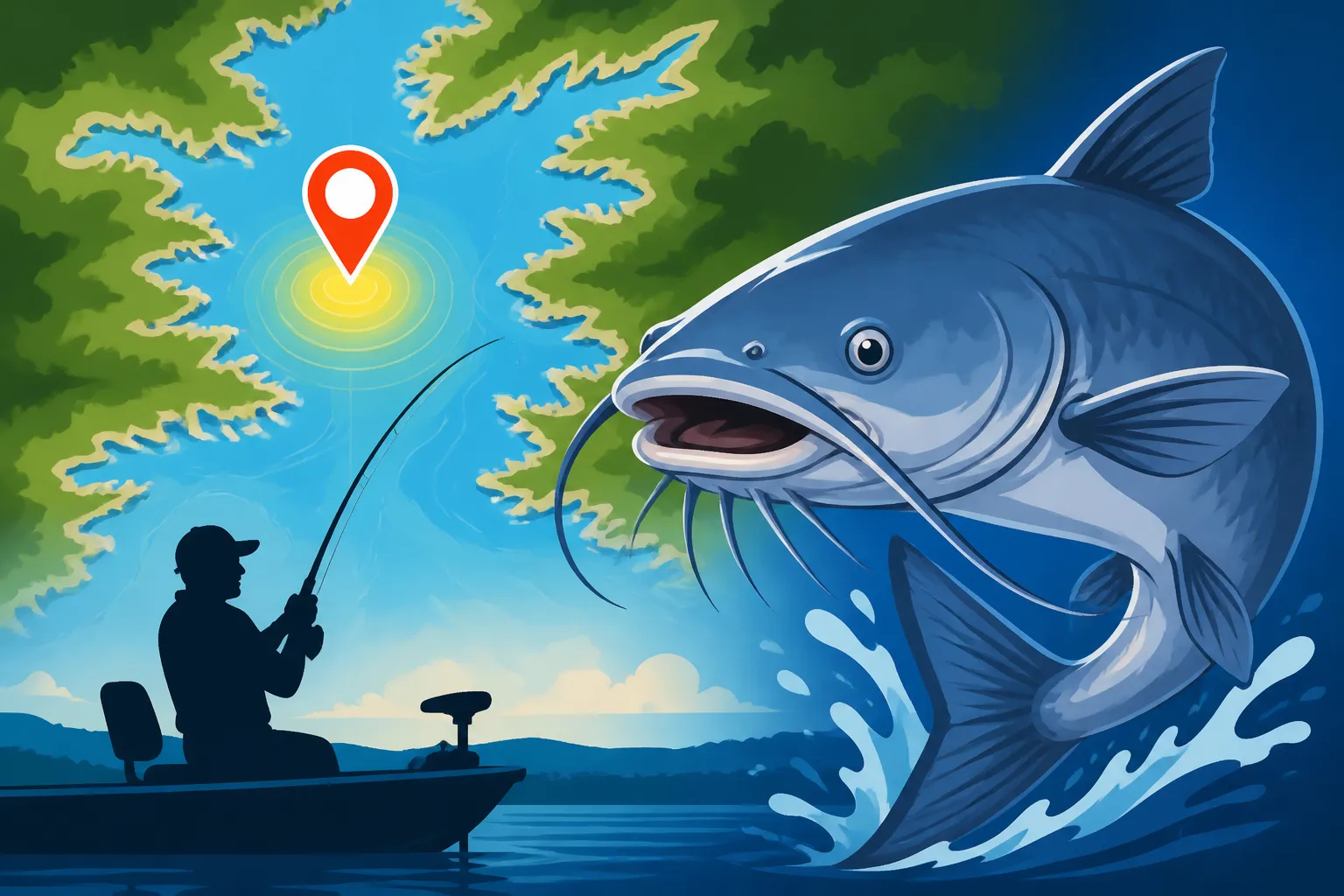
Finding the perfect spot to land a trophy blue catfish on a massive body of water like Kentucky Lake can feel like searching for a needle in a haystack. It’s a common frustration for many anglers, especially when you hear tales of monster cats pulled from its depths, but your own efforts seem to fall short. The sheer size of this reservoir, stretching over 184 miles and covering 160,000 acres in Tennessee alone, makes identifying those prime honey holes a real challenge. This guide is here to cut through the guesswork, helping you pinpoint the best areas and techniques to consistently hook into those elusive big blue catfish on Kentucky Lake.
Why Kentucky Lake is a Blue Catfish Paradise
Kentucky Lake isn't just a big lake; it's an ecosystem perfectly tailored for massive blue catfish. This sprawling reservoir, formed by the impoundment of the Tennessee River, offers everything a blue cat needs to thrive and grow to epic proportions. Understanding these fundamental reasons will help you approach your fishing strategy with a clearer picture of where to focus your efforts.
An Abundant Forage Base
The primary reason Kentucky Lake holds so many colossal blue catfish boils down to one thing: food. The lake is absolutely teeming with gizzard and threadfin shad, along with skipjack herring and various other baitfish species. Blue catfish are opportunistic predators, and a readily available, high-protein diet allows them to grow incredibly fast and attain impressive sizes. Imagine a grocery store that's always fully stocked and never closes – that's Kentucky Lake for a blue cat. They don't have to work hard to find their next meal, meaning more energy goes into growth rather than foraging. This robust food chain is precisely why you hear about anglers pulling 50, 60, and even 100-pound blue catfish from these waters.
Furthermore, these baitfish often congregate in specific areas, such as major creek mouths, points, and along the river channel, especially during cooler months. Where the baitfish are, the blue catfish will follow. Keeping an eye on your fish finder for large schools of bait is often the first step in locating productive catfish spots. If you're wondering about other species, Kentucky Lake is also known for its fantastic bass and crappie fishing, but for blue cats, it’s all about that endless buffet.
Ideal Riverine Habitat and Structure
Blue catfish, unlike some of their flathead cousins, prefer open water with current, and they absolutely love deep main river channels. Kentucky Lake, being essentially a dammed section of the Tennessee River, provides exactly that. The historical river channel runs through the entire length of the lake, offering deep ledges, humps, and holes that are perfect ambush points and resting areas for these powerful fish.
These deep channels often feature significant drops-offs, submerged timber, and shell beds – all structures that attract baitfish and provide shelter and hunting grounds for blue cats. The river channel itself can be anywhere from 20 to 60 feet deep, sometimes even more, offering temperature stability and oxygen even during the hottest summer months. The constant flow of the Tennessee River, even if subtle within the lake, provides that crucial current blue cats prefer, helping them orient themselves and ambush prey effectively. Exploring this vast water body can be daunting, but engaging a local fishing guide through platforms like FishingBooker can provide invaluable insights into these specific structures and how the catfish utilize them throughout the seasons.
Prime Blue Catfish Hotspots on Kentucky Lake
Now that we understand why Kentucky Lake is so good for blue catfish, let's dive into the where. While these fish can be found throughout the lake, certain areas consistently produce bigger and more numerous catches due to their unique characteristics and the way blue catfish utilize them.
The Tennessee River Channel: The Highway for Trophy Cats
Without a doubt, the main Tennessee River channel is the most consistent and productive area for targeting blue catfish on Kentucky Lake. Think of it as the superhighway for these giants. The channel offers deep water, current, and an abundance of structure that holds baitfish.
- Mid-Lake Sections: The stretches of the river channel between New Johnsonville and Paris Landing are particularly renowned. Here, the channel makes several bends and features numerous sharp drops, old riverbed contours, and submerged humps that act as magnets for blue cats. Look for areas where smaller creeks merge with the main channel; these confluences often create current breaks and concentrate bait. During periods of current generation from Kentucky Dam, these areas become even more active.
- Deep Ledges and Holes: Focus your efforts on the deep ledges and holes along the channel. Blue catfish will often sit on the bottom or suspend just above it, waiting for unsuspecting baitfish to drift by. Your fish finder is your best friend here. Look for significant schools of baitfish, and you're almost guaranteed to find predators lurking nearby. Anglers frequently drift these ledges, presenting baits at various depths until they find the strike zone. If you’re a beginner, learning the ropes on a big lake can be tough. Consider booking a trip with a local guide via FishingBooker who specializes in Kentucky Lake catfish; they can literally show you the ropes and the best spots.
- Notable River Bends: Specific bends in the river channel, like those near Big Sandy, provide excellent deep-water ambush points. These areas often have scour holes on the outside bends where the current is strongest, creating prime holding areas for large blue catfish.
Tailwaters Below Kentucky Dam
While technically not in Kentucky Lake itself, the tailwaters directly below Kentucky Dam on the Tennessee River are legendary for their monstrous blue catfish. This area is constantly churning with current, which disorients baitfish and creates an easy meal for hungry predators. It’s an entirely different fishing experience than the main lake, but one that can yield spectacular results.
- Heavy Current Areas: The immediate outflow from the dam is where the biggest fish often stack up. Anglers typically anchor upriver and present heavy baits to the bottom, letting the current carry the scent downstream. This requires heavy tackle and an understanding of how to manage your boat in strong currents. The sheer volume of water moving through here keeps the oxygen levels high and the baitfish active, making it a hotspot, especially during summer.
- Eddies and Seams: While the main current is productive, don't overlook the eddies and current seams that form along the banks and around structure. These areas offer a slight reprieve from the strongest flow, allowing blue cats to conserve energy while still having access to passing food. Often, a slightly lighter weight can be used in these areas for a more natural presentation. Remember that "Kentucky Lake Fishing on the Tennessee Side" generally refers to the reservoir, but these tailwaters are a distinct and highly productive area just downstream.
Creek Mouths and Major Feeder Creeks
While blue catfish prefer the main river channel, they will venture into major creek arms, especially when baitfish are abundant or during seasonal transitions. These areas can offer excellent opportunities, particularly when the main channel is crowded or when fishing conditions are challenging.
- Big Sandy River and Duck River Embouchures: These major tributaries feed into Kentucky Lake and offer significant deep channels of their own, especially near where they meet the main lake. Blue catfish will migrate into these areas following schools of shad, particularly during cooler weather or when water levels fluctuate. Look for deep holes, channel swings, and submerged cover within these creek arms.
- Shallow Flats Adjacent to Deep Channels: During certain times of the year, particularly spring and fall, blue catfish may move onto shallower flats adjacent to the deep channels to feed. These flats can be as shallow as 10-15 feet, especially if they have scattered cover like stumps or brush piles. Night fishing these shallower flats with cut bait can be incredibly productive, as larger cats often move up to feed under the cover of darkness. Many anglers enjoy this method, and you can find more specific advice on "Night Fishing Spots on Kentucky Lake, Tennessee".
Here's a quick comparison of these prime locations:
| Location Type | Key Characteristics | Best Season | Primary Technique | Target Fish Size |
|---|---|---|---|---|
| Tennessee River Channel | Deep, defined channel, ledges, humps, current | Year-round | Drifting, Anchoring | Large to Trophy |
| Tailwaters (Below Dam) | Intense current, abundant disoriented baitfish | Summer, Fall | Heavy Anchoring | Trophy |
| Major Creek Mouths | Deeper channels within creeks, baitfish migration | Spring, Fall | Anchoring, Drifting | Medium to Large |
| Adjacent Shallow Flats | Near deep channels, scattered cover, night feeding | Spring, Fall | Anchoring (Night) | Medium to Large |
Techniques and Baits for Kentucky Lake Blue Catfish
Knowing where to go is only half the battle; knowing how to fish for them and what to use is equally important. Blue catfish are powerful, and targeting them successfully requires specific strategies and robust gear.
Essential Rigs and Presentations
The vastness of Kentucky Lake and the depth of its channels dictate certain rigging preferences for blue catfish. Your goal is always to get your bait to the fish and keep it there, especially in current.
- Carolina Rig (Santee Cooper Rig): This is arguably the most popular and effective rig for blue catfish, especially when drifting. It features a heavy sinker (2-8 ounces, or even more in strong current) on the main line, followed by a swivel, then a leader (18-36 inches) to the hook. The leader allows the bait to drift naturally just off the bottom, making it very appealing to actively feeding catfish. For heavy current or deeper water, a "slinky" sinker or a bell sinker works well to minimize snagging.
- Three-Way Swivel Rig: Another excellent option for both drifting and anchoring, especially in areas with varying depths or structure. A three-way swivel allows you to attach your main line to one eye, a sinker on a short dropper line (6-12 inches) to a second eye, and your hook on a longer leader (18-48 inches) to the third eye. This keeps your bait elevated off the bottom, preventing it from getting lost in debris.
- Float Fishing (for specific situations): While less common for the big blues in the main channel, float fishing (using a large slip float) can be effective in shallower creek mouths or when targeting blue cats that are suspending in the water column. This technique is often more associated with smaller catfish or other species, but don't rule it out entirely if you see fish suspending. If you're looking for more general catfish knowledge, our guide on "Tennessee Catfish Fishing Techniques and Seasons" offers a broader overview.
The Best Baits for Blue Catfish
When it comes to bait, blue catfish are not particularly picky, but they do have strong preferences for fresh, oily, and pungent options. Forget the old chicken livers for these giants; you need something more substantial.
- Fresh Cut Bait (Shad or Skipjack Herring): This is the undisputed king of blue catfish baits on Kentucky Lake. Shad (gizzard or threadfin) and skipjack herring are natural prey for blue cats, and fresh cut sections release a strong scent trail that draws them in from a distance. Catching your own bait with a cast net before a trip can significantly increase your success. Cut these fish into chunks, strips, or even whole heads for truly massive fish. The fresher, the better – avoid frozen bait if possible, as it loses much of its potency.
- Other Oily Baits: While shad and skipjack are top choices, other oily fish like carp, drum, or even small bream can also be effective when cut into pieces. Some anglers even use raw shrimp or squid, though these are typically less effective than fresh local baitfish.
- Prepared Baits (as a secondary option): While not as potent for trophy blues, various stink baits and dip baits can catch smaller blue catfish, especially in less pressured areas or during warmer months. Brands like Catfish Charlie or Secret 7 are popular, but for the true monsters of Kentucky Lake, fresh cut bait is almost always superior.
Essential Gear for Targeting Trophy Cats
You wouldn't bring a knife to a gunfight, and you shouldn't bring light tackle to Kentucky Lake when targeting blue catfish. These fish are incredibly strong, and you need gear that can withstand brutal fights.
- Rods and Reels: Opt for heavy-action or extra-heavy action casting rods, typically 7 to 9 feet in length, capable of handling heavy weights and powerful fish. Pair these with stout baitcasting reels known for their strong drags and high line capacity, such as those from Abu Garcia, Penn, or Shimano. You'll need to be able to haul in big fish from deep water, often against current. For more detailed recommendations, our article on "Best Gear for Tennessee Catfish Fishing" can help you select the right setup.
- Line: Spool your reels with 30-80 pound test monofilament or braided line. Braided line offers superior sensitivity and strength for its diameter, which is a huge advantage when fishing deep or in current. However, mono has a bit of stretch that can absorb powerful headshakes. Many anglers prefer a braided main line with a monofilament or fluorocarbon leader for abrasion resistance.
- Hooks: Use large, strong, sharp hooks. Circle hooks, sizes 8/0 to 12/0, are ideal for catfish because they typically hook in the corner of the fish's mouth, making for easy release and reducing gut-hooking. Brands like Gamakatsu and Owner are reliable choices.
- Fish Finder/GPS: A reliable fish finder with GPS capabilities is non-negotiable on a lake as large as Kentucky Lake. It allows you to locate the river channel, identify ledges, humps, and baitfish schools, and mark productive spots for future trips. High-end units with side-imaging or down-imaging can give you an incredible advantage in identifying structure and fish.
- Anchoring System: If you plan to anchor in the main channel or tailwaters, you'll need a heavy anchor (e.g., a 20-30 pound river anchor) and plenty of sturdy rope. A drift sock (or sea anchor) is also highly recommended for slowing your drift when fishing in current or windy conditions, ensuring your bait stays in the strike zone longer.
Timing Your Blue Catfish Adventure
Even with the best spots and gear, timing plays a crucial role in consistent success for Kentucky Lake blue catfish. Their behavior changes with the seasons and even the time of day, so understanding these patterns will put you ahead of the game.
Seasonal Patterns and Behavior
Blue catfish are active year-round in Kentucky Lake, but their locations and feeding behaviors shift significantly with water temperature.
- Winter (December – February): This is often considered the prime time for trophy blue catfish on Kentucky Lake, especially when the water temperatures drop into the 40s and 50s. Large blue cats will congregate in deep holes, along the bottom of the main river channel, and on major channel humps. They become somewhat lethargic, but if you can present a bait right in front of them, they're often willing to take a meal. Look for large schools of baitfish balled up in these deep areas; the catfish won't be far behind. This is a time when "Best Time of Year to Catch Catfish" often points to colder months for the biggest ones.
- Spring (March – May): As water temperatures begin to rise, blue catfish become more active and start to move. They'll still utilize the main channel but will also move into the deeper sections of major creek arms and onto adjacent flats to feed. The pre-spawn period (late spring) can be incredibly productive as fish feed heavily to prepare for spawning. Look for them in depths ranging from 20-40 feet, often following baitfish as they move into warmer, shallower waters.
- Summer (June – August): During the heat of summer, blue catfish will retreat back to the cooler, more oxygenated waters of the main river channel. They'll often hold in deep holes, along ledges, and near current breaks. Night fishing becomes exceptionally productive as the surface temperatures drop, and catfish move shallower to feed under the cover of darkness. The tailwaters below Kentucky Dam are also a summer hotspot due to the consistent flow and high oxygen levels.
- Fall (September – November): Similar to spring, fall is a transition period with rising activity. As temperatures cool, blue catfish spread out and feed aggressively throughout the main lake and into creek arms, fattening up for winter. This can be an excellent time for both quantity and quality. They may be found at a wider range of depths, from 15 feet to 50 feet, depending on baitfish movements and water temperature.
Best Times of Day and Water Conditions
While blue catfish can be caught at any time, certain periods often prove more fruitful.
- Night Fishing: Blue catfish are primarily nocturnal feeders, especially during warmer months. Fishing from dusk until dawn can yield incredible results, as larger fish move shallower and become more aggressive under the cover of darkness. This is why "Night Fishing Spots on Kentucky Lake, Tennessee" is a popular search for many anglers.
- Early Morning/Late Evening: During cooler seasons, or when fishing deeper waters, dawn and dusk can be very productive. These low-light conditions mimic nighttime and often trigger feeding activity.
- Current Generation: Pay close attention to the generation schedule of Kentucky Dam. When the dam is generating power, it creates current in the lake, which often stimulates blue catfish to feed as baitfish become more disoriented. You can usually find these schedules on the TVA (Tennessee Valley Authority) website.
- Post-Rain: A good rain can stir up nutrients and wash bait into the lake, often triggering a bite. While "How to Catch Catfish After Rain" is a useful guide, remember that heavy, muddy runoff might push fish out of very shallow areas, but the deeper sections of the lake usually benefit.
Finally, always make sure you're up-to-date on your fishing permits. A "Tennessee Fishing License Guide" is a great resource, as is our rundown of "Tennessee Fishing Regulations Explained", to ensure you're fishing legally and responsibly. Kentucky Lake is an incredible resource for blue catfish, and with the right knowledge and a bit of persistence, you too can experience the thrill of landing one of its giants.
Disclaimer
Fishing conditions and regulations in Tennessee are subject to change. Always consult the latest rules and guidelines from the Tennessee Wildlife Resources Agency (TWRA) before planning your fishing trip. This guide is for informational purposes only and does not constitute official legal advice. Enjoy your time on the water, and please practice responsible angling.