Is Reelfoot Lake Good for Beginner Anglers?
Many aspiring anglers in Tennessee dream of casting a line into the state's legendary waters, but the thought of navigating a new, potentially challenging lake can feel incredibly daunting. When it comes to a body of water as unique and storied as Reelfoot Lake, the question often arises: is this really a place for a beginner to find success and enjoyment, or is it best left to the seasoned pros? This comprehensive guide will peel back the layers of Reelfoot Lake, helping you understand its quirks, its treasures, and whether it’s the right starting point for your fishing journey.
Unpacking Reelfoot Lake's Unique Charm for New Anglers
Reelfoot Lake isn't your average Tennessee reservoir. It's a natural wonder, forged by a series of powerful earthquakes in the early 19th century that caused the Mississippi River to flow backward, creating a shallow, cypress-filled depression that would become this iconic lake. This dramatic origin story means Reelfoot offers a fishing experience unlike almost any other, which can be both an exciting adventure and a source of apprehension for someone just starting out.
The Cypress Swamps and Shallow Waters: What to Expect
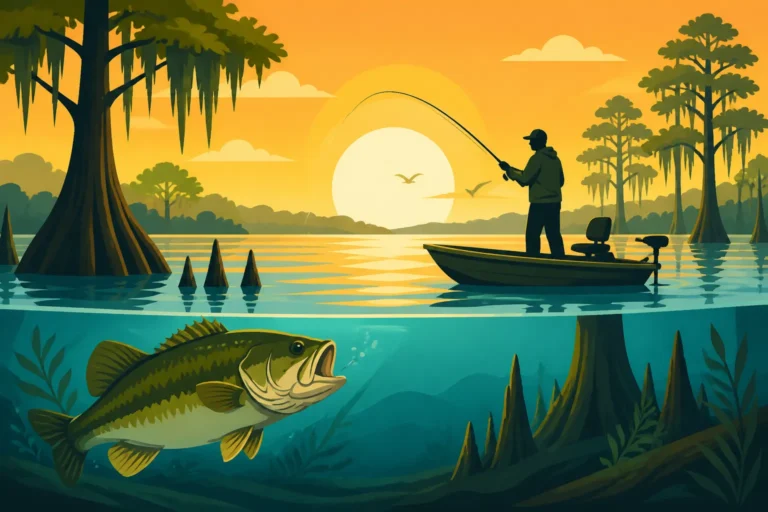
Imagine a lake where ancient cypress trees rise directly from the water, their gnarled knees protruding like watchful sentinels. That's Reelfoot Lake. Its average depth is a mere 5 to 7 feet, with many areas even shallower, covered in dense lily pads, submerged timber, and countless stumps. For a beginner, this landscape presents a stark contrast to the deep, open waters of most man-made reservoirs like Kentucky Lake or Percy Priest Lake.
On one hand, the shallow, heavily vegetated environment means fish have an abundance of cover. This can be fantastic for hiding from predators and finding food, making it a prime habitat for many species. However, for an angler new to the sport, navigating a boat through these obstacles can be incredibly tricky, requiring specialized flat-bottomed boats designed to handle the shallow depths and frequent encounters with stumps. If you're planning to bring your own boat, be prepared for a different kind of challenge than you might find on wider, deeper waters.
For those without specialized equipment or extensive boating experience, the unique terrain means a different approach might be necessary. Instead of launching a large bass boat, many experienced Reelfoot anglers utilize smaller jon boats with push poles or shallow-drafting outboards. This might influence your decision to fish from shore or consider a guided trip, which can often be found through services like FishingBooker, connecting you with local experts who know these waters intimately. The dense cover also means snagging lures is a common occurrence, so bringing plenty of extra tackle is always a good idea.
Primary Fish Species for Beginners
Despite its challenging environment, Reelfoot Lake is renowned for its incredible fishing, especially for certain species that are often very cooperative, making them excellent targets for beginners. You won't find the same Tennessee's Top Bass Fishing Lakes reputation here for giant bass consistently, but other panfish thrive.
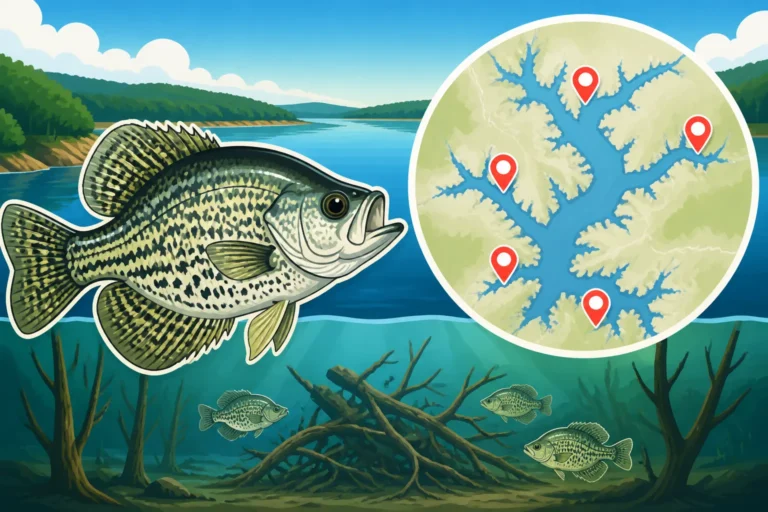
The real stars of Reelfoot for a new angler are crappie and bluegill. These species are abundant, relatively easy to locate, and eager to bite. The lake's structure, with its myriad of cypress trees and submerged brush, provides perfect habitat for crappie, especially. During the spring spawn, you can often find them congregated in relatively shallow waters, making them accessible to even the most inexperienced angler. A simple bobber rig with a live minnow or a small jig can be incredibly effective. For more specific guidance, check out a Tennessee Crappie Fishing Guide by Season.
Bluegill, along with other panfish like redear sunfish, are also incredibly prolific and offer fantastic action, particularly for kids or those who just want to feel a tug on the line. Worms, crickets, or even small artificial baits under a bobber can lead to a consistent bite. These species are less finicky than some of the larger game fish and are often found in large schools, meaning once you find one, you've likely found several. If you're interested in learning more about these smaller, but incredibly fun, fish, explore the Bluegill and Panfish Guide for Tennessee Anglers. Catfish, particularly channel and blue catfish, also thrive in Reelfoot and can be caught with basic bottom-fishing techniques using stink baits or cut bait. These species are less structure-oriented and often found in deeper pockets or channels within the lake.
While largemouth bass are certainly present in Reelfoot, and trophy fish are occasionally caught, they can be much more challenging for a beginner to target effectively due to the dense cover. It requires precise casting, weedless rigging, and a good understanding of how bass relate to heavy vegetation. So, if your primary goal is to land a massive bass on your first outing, Reelfoot might not be the easiest place to start compared to other bass-centric lakes in the state. However, if you're open to experiencing the thrill of catching plenty of crappie and bluegill, Reelfoot is an exceptional choice.
Navigating Reelfoot as a First-Timer: Tips and Tricks
Stepping onto Reelfoot Lake for the first time can feel like entering another world. Its primordial beauty is captivating, but its unique layout demands a specific approach, especially for beginners. Don't let the unfamiliarity deter you; with a few tips and the right mindset, you can have a memorable and successful outing.
Essential Gear and Tackle for Reelfoot Lake Beginners
You don't need a boatload of expensive, specialized gear to enjoy Reelfoot Lake as a beginner, but a few key items will make your experience much smoother. Simplicity is often the name of the game here.
For crappie and bluegill, a light to medium-light spinning rod and reel combo is perfect. A 6 to 7-foot rod with a fast action will give you enough sensitivity to feel those subtle bites and enough backbone to pull fish out of lighter cover. Load your reel with 6 to 8-pound monofilament line, which is forgiving and less prone to tangles than some other line types. As for terminal tackle, focus on small jig heads (1/32 to 1/16 ounce) in various colors (chartreuse, white, pink are popular), small hooks (size 6 or 8), and an assortment of bobbers – both slip bobbers for deeper presentations and fixed bobbers for shallower water. Live minnows, crickets, or redworms are incredibly effective and can often be purchased at local bait shops right around the lake. Don't forget a small pair of pliers for hook removal, and a stringer or cooler to keep your catch fresh. This basic setup covers most of what you'll need for panfishing on Reelfoot, and you can find more general advice in a Best Fishing Gear for Beginners guide.
If you're targeting catfish, you'll want a slightly heavier setup. A medium-heavy spinning or baitcasting rod, around 7 feet long, paired with a reel spooled with 15 to 20-pound monofilament or braided line, will handle the larger fish. A simple Carolina rig or a bottom rig with a sinker, swivel, and a single hook (size 2/0 to 4/0) baited with chicken liver, cut bait, or a prepared stink bait will do the trick. A sturdy rod holder for bank fishing or when anchored in a boat is also a great addition, so you don't have to constantly hold your rod while waiting for a bite. Remember, you’ll be fishing in an environment with a lot of potential snags, so bringing extra hooks, sinkers, and even a spare rod can save your day if something goes wrong.
Best Fishing Spots and Techniques for Novices
Finding productive spots on Reelfoot Lake as a beginner can be less about secret GPS coordinates and more about understanding the lake's general patterns and structure. For most new anglers, especially those without a specialized boat or local knowledge, focusing on accessible areas or seeking expert help is key.
If you're fishing from the bank, your options are more limited due to the dense vegetation and private property around much of the lake. However, there are public access areas, state park shorelines, and fishing piers that can provide good opportunities, especially for bluegill and smaller crappie. These spots often have less severe snags and allow for simpler bobber fishing techniques. One excellent approach for beginners is to stick to the edges of lily pad fields or cypress tree lines, casting your bait just beyond the cover and letting it drift back in. This strategy helps you present your offering to fish that are hiding in the cover without getting constantly snagged.
For those venturing out in a boat, even a rented one, the technique of "stump bumping" is common. This involves slowly navigating through the cypress trees and pitching jigs or minnows directly to the base of the trees or into nearby brush piles. While this sounds advanced, it’s a very effective way to find crappie. If you’re not comfortable navigating the maze of cypress trees on your own, consider hiring a local guide. Guides not only know the best spots but can also teach you the specific techniques that work on Reelfoot. You can easily find experienced local guides who specialize in Reelfoot Lake through platforms like FishingBooker, which makes the whole process of booking a trip straightforward. This way, you get to experience the lake's incredible fishing without the stress of navigation or technique mastery right out of the gate. For those who prefer to explore nearby, you can find other ideas in guides like Best Fishing Spots Near Memphis, Tennessee.
Understanding Reelfoot Lake's Specific Regulations
Whenever you go fishing, understanding the local rules and regulations is paramount, and Reelfoot Lake is no exception. While most of Tennessee falls under statewide fishing regulations, some bodies of water, including Reelfoot, have specific rules that can override the general guidelines. It's not just about having a Tennessee Fishing License Guide in hand; it's about knowing the nuances of the lake you're on.
First and foremost, you'll need a valid Tennessee fishing license. This is non-negotiable for anyone over the age of 12. You can purchase these online through the TWRA website, at bait shops, or sporting goods stores throughout the state. Beyond the general license, be aware of any specific creel and size limits that might apply to Reelfoot Lake. For instance, while the statewide crappie limit is 20 fish per day with only 5 over 12 inches, Reelfoot Lake has historically had unique regulations for crappie to manage its robust population effectively. Always double-check the current Tennessee Fishing Regulations Explained or the TWRA website for the most up-to-date information on Reelfoot's specific rules, especially concerning crappie, bluegill, and catfish. The rules can change year to year based on fish populations and management strategies.
It’s also crucial to understand any boating regulations specific to Reelfoot. Because it is a shallow lake with extensive timber, there might be areas designated as no-wake zones, or even zones where certain types of propulsion are restricted. Always be on the lookout for signage when you’re on the water, and if you’re unsure, err on the side of caution. For beginners, it's particularly important to be aware of the navigation challenges and to exercise extreme care, especially if you're using a boat for the first time in this environment. You can learn more about general rules in the Boat Fishing Rules and License Requirements in Tennessee. Getting familiar with these lake-specific nuances will not only keep you compliant with the law but also contribute to a safer and more enjoyable fishing experience for everyone.
Advantages and Disadvantages of Reelfoot Lake for Beginners
Deciding whether Reelfoot Lake is the right starting point for your angling adventures requires a balanced look at its unique characteristics. While it offers incredible rewards, it also presents distinct challenges. Understanding both sides will help you set realistic expectations and make the most of your trip.
Why Reelfoot Can Be a Great Learning Ground
For all its distinctive challenges, Reelfoot Lake offers several compelling reasons why it can be an excellent, albeit unconventional, learning ground for new anglers. Its sheer abundance of certain fish species means that success, in terms of catching fish, is often quite high, which is a massive confidence booster for anyone new to the sport.
One of the biggest advantages is the panfish population. Reelfoot is legendary for its crappie and bluegill. Unlike some lakes where you might spend hours without a bite, Reelfoot frequently offers consistent action. This immediate gratification, the feeling of a fish on the line, is what hooks many beginners on fishing. It allows new anglers to practice fundamental skills like casting, setting the hook, and reeling in a fish, without the frustration of empty hooks. The sheer volume of crappie means you'll have ample opportunities to refine your technique, whether you're using a simple bobber and minnow or trying to master a small jig. Many anglers consider Reelfoot Lake one of Tennessee's Best Crappie Lakes for good reason.
Beyond the fishing itself, Reelfoot Lake provides an unparalleled natural experience. It's a place of stunning, almost primeval beauty, where bald eagles soar and unique waterfowl are abundant. This immersive outdoor experience can be incredibly relaxing and awe-inspiring, offering a serene escape that transcends just catching fish. For a beginner, this adds another layer of enjoyment, making the trip worthwhile even if the fishing isn't absolutely stellar (which is rare on Reelfoot!). You're not just learning to fish; you're connecting with nature in a truly unique environment. Furthermore, because it's such a unique ecosystem, fishing here teaches adaptability. You quickly learn to adjust your tactics to the shallow, cover-filled waters, developing skills that will serve you well on any body of water, even if it looks entirely different.
Potential Challenges New Anglers Might Face
While Reelfoot Lake offers many positives for beginners, it’s crucial to acknowledge the potential hurdles. Being prepared for these can turn what might otherwise be a frustrating experience into a manageable challenge.
The most significant challenge for beginners is undoubtedly navigation. Reelfoot Lake is riddled with submerged stumps, cypress knees, and dense vegetation. If you're using your own boat and it's not designed for shallow water (e.g., a deep-V hull bass boat), you risk damaging your propeller, lower unit, or even running aground. Even with the right boat, constant vigilance is required. This can distract from the fishing itself, adding a layer of stress that a new angler might not appreciate. The labyrinthine nature of the lake means it’s easy to get disoriented, especially on cloudy days or if you stray from marked channels. Using a GPS or having a local guide from services like FishingBooker is highly recommended if you plan to cover significant water by boat.
Another challenge lies in the fishing techniques often required to be truly successful in the heavy cover. While simple bobber fishing works well in many areas, getting your bait into the densest crappie or bass hideouts requires precise casting and experience with weedless rigs. New anglers might find themselves constantly snagged on cypress knees, stumps, or lily pads, leading to lost tackle and frustration. This can be costly, both in terms of money spent on replacement lures and lost fishing time. The water clarity can also vary greatly, and dealing with muddy or murky water conditions, which can be common after heavy rains, requires different bait choices and presentations that a beginner might not yet understand. Lastly, while the lake is teeming with fish, specific Tennessee Fishing Season and Catch Limits often apply, and knowing these nuances can be tricky for newcomers who are still learning the ropes of general fishing regulations.
| Feature | Reelfoot Lake for Beginners | Typical Tennessee Reservoir (e.g., Norris Lake) for Beginners |
|---|---|---|
| Water Depth | Very shallow (avg. 5-7 ft), extensive submerged timber/cypress | Deeper, more open water with defined channels and structure |
| Navigation | Challenging due to stumps, cypress trees; specialized boats often needed | Generally easier, clearer channels, less risk of propeller damage |
| Primary Target Species | Excellent for crappie, bluegill, catfish; bass more challenging | Excellent for bass, crappie, walleye, catfish; diverse opportunities |
| Shore Access | Limited due to dense vegetation, better from specific parks/piers | More common in various public areas, state parks, and impoundment edges |
| Technique Focus | Bobber fishing, jigging around cover, bottom fishing for catfish | Casting various lures, trolling, structure fishing; wider range of techniques |
| "Snag Factor" | High; frequent snags on timber and vegetation | Moderate; snags on submerged brush, rocks, or ledens are common but less dense |
| Aesthetics | Unique, ancient cypress swamp environment; abundant wildlife | Scenic mountain or rolling hill landscapes; modern recreational amenities often present |
| Guided Trips | Highly recommended for initial visits due to unique challenges | Recommended for targeting specific species or learning advanced techniques |
Final Thoughts on Reelfoot Lake for Beginner Anglers
So, is Reelfoot Lake good for beginner anglers? The answer, like so many things in life, is nuanced. It's not a simple "yes" or "no," but rather a "yes, with preparation and the right mindset." If you're a new angler seeking an adventure, willing to embrace a truly unique environment, and eager to catch plenty of panfish, then Reelfoot Lake offers an incredible experience. You’ll be surrounded by natural beauty and have ample opportunities to feel the thrill of a bite, which is, after all, what draws most of us to fishing in the first place.
However, if you're looking for a wide-open lake with easy navigation, abundant boat ramps, and straightforward deep-water fishing, Reelfoot might present more challenges than you'd prefer for your very first outing. The dense cypress trees and shallow waters require a different kind of expertise, making it less forgiving for unguided boaters who are still learning the ropes.
Ultimately, Reelfoot Lake stands as a testament to Tennessee's diverse fishing landscape. For beginners, it can be an exceptional place to learn if you focus on its strengths: the incredible crappie and bluegill populations, the availability of knowledgeable local guides (who can be found via services like FishingBooker), and the sheer joy of immersing yourself in a truly one-of-a-kind natural setting. Don't be intimidated by its uniqueness; embrace it as part of the adventure, and you might just discover your new favorite fishing spot.
Disclaimer
The information provided in this guide is for general informational purposes only. Fishing regulations, license requirements, and lake conditions can change. Always consult the official Tennessee Wildlife Resources Agency (TWRA) website or local authorities for the most current rules and safety guidelines before planning your fishing trip.