How to Jug Fish for Catfish
Have you ever spent a long day on the water, reeling in bait after bait, only to come home with an empty cooler and a sore arm? It's a common frustration for many anglers, especially when targeting those elusive, big catfish. If you're looking for a more relaxed yet incredibly effective way to haul in some serious whiskers, jug fishing might just be your new favorite technique. This comprehensive guide will explain exactly how to jug fish for catfish in Tennessee, covering everything you need to know to get started, stay legal, and fill your stringer.
Understanding Jug Fishing: What It Is and Why It Works for Catfish
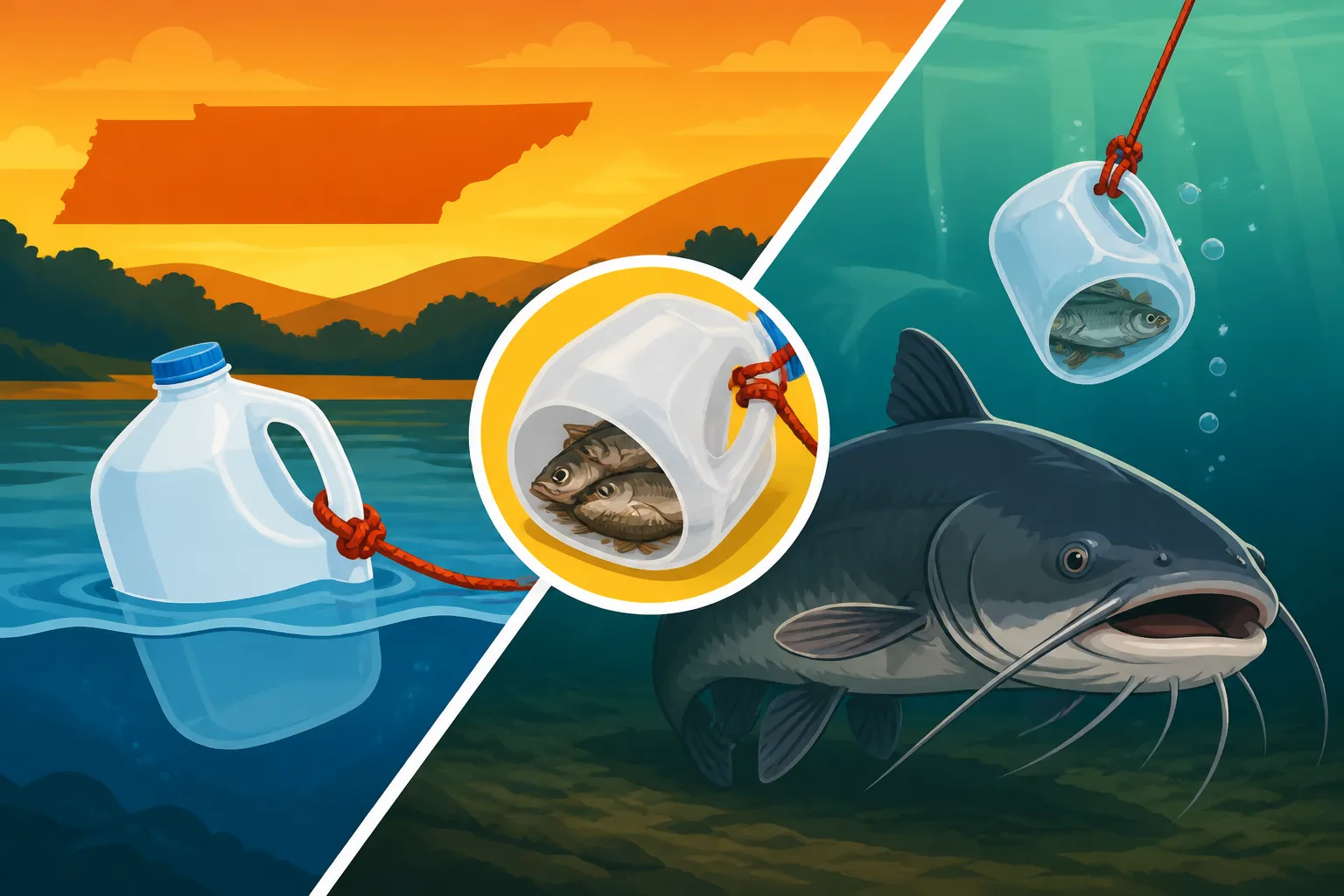
Jug fishing is a traditional, passive fishing method that’s been a staple in the South for generations. It involves setting out multiple baited lines attached to individual floats (or "jugs") and letting them drift or anchor them in strategic locations. The beauty of it is that you can cover a much larger area and present many more baits than you could with a traditional rod and reel, significantly increasing your chances of catching fish. When a fish bites, the jug moves, giving you a clear visual signal that it's time to retrieve your prize.
The Basics of Jug Fishing in Tennessee
Imagine you're out on a big reservoir like Kentucky Lake or Watts Bar Lake, where catfish populations thrive. Instead of casting repeatedly from one spot, you can deploy a spread of jugs, each carrying a tempting bait down below. These jugs act as independent fishing units, constantly working for you. They can be simple plastic bottles, foam pool noodles, or purpose-built floats. Each jug typically has a weighted line extending down, rigged with a hook and bait. The goal is to let the current and the fish do the work, while you simply patrol the area, looking for bobbing or moving jugs. It's truly a game-changer for covering vast expanses of water and tapping into those widespread catfish populations.
Advantages and Disadvantages of This Method
Jug fishing definitely has its perks, especially for the patient angler or those looking to multitask. One huge advantage is its efficiency; you can deploy many lines at once, drastically increasing your odds of a catch compared to a single rod. It’s also less labor-intensive once the jugs are set, allowing you to relax, enjoy the scenery, or even fish with a rod and reel simultaneously. For targeting species like the Channel Catfish and Blue Catfish, which are often widespread and feed actively, this method is highly effective. Jug fishing can be particularly productive for catching a high volume of fish, making it a favorite for those aiming for a big fish fry.
However, it's not without its drawbacks. You need a boat to effectively deploy and retrieve jugs, especially on larger bodies of water. You also have to be vigilant, as strong currents or active fish can pull jugs far from your initial deployment point. There's also the risk of losing jugs if they snag or drift into inaccessible areas. It requires a bit more planning and knowledge of the regulations than simply dropping a line, and you need to be constantly aware of your surroundings to avoid losing your gear or creating hazards for other boaters. But for many, the thrill of seeing a jug take off across the water far outweighs these minor challenges.
Tennessee Regulations for Jug Fishing
Before you even think about tossing your first jug into a Tennessee lake, it's absolutely crucial to understand the rules. The Tennessee Wildlife Resources Agency (TWRA) has specific regulations in place to ensure fair chase, manage fish populations, and prevent overcrowding or environmental damage. Ignoring these rules can lead to hefty fines, confiscation of your gear, and a spoiled fishing trip. It’s always a good idea to consult the latest "Tennessee Fishing Regulations Explained" from the TWRA directly or check with a local game warden if you have any doubts.
Legal Jug Fishing Requirements and Limits
In Tennessee, there are strict rules about how many jugs you can use, what they must be made of, and how they need to be marked. Generally, an individual angler is limited to a certain number of jugs, and each jug must be clearly marked with the angler's name and address or TWRA identification number. This isn't just a suggestion; it's a legal requirement. These markings help game wardens identify ownership and enforce limits, ensuring that no one is abandoning their gear or exceeding their permitted number of lines. The specific number of jugs allowed can vary, so always double-check the current regulations before you head out. These rules are in place to ensure sustainable fishing practices and minimize conflicts with other water users.
Another critical point is that jugs can only be used in certain waters and for specific species. While many public waters allow jug fishing for species like our official state fish, the Channel Catfish, and other robust "Catfish Species Found in Tennessee Waters," there might be restrictions in smaller lakes, specific stream sections, or designated trout waters. You wouldn't want to accidentally deploy jugs in an area where only rod and reel fishing is permitted, so knowing your chosen fishing spot is paramount. The general idea is to prevent jug lines from interfering with other angling methods or impacting sensitive ecosystems.
Important Considerations for Public Waters
When jug fishing on large public reservoirs like Chickamauga Lake, Percy Priest Lake, or those famous "Best Catfish Lakes in Tennessee," you’re sharing the water with many other people – recreational boaters, kayakers, other anglers, and even swimmers. Courtesy and safety are non-negotiable. Always be mindful of navigation channels and high-traffic areas. You don't want your jugs to become a hazard or get run over by a speeding boat. It’s important to stay relatively close to your jugs, not necessarily right on top of them, but close enough to monitor their movement and retrieve them promptly when a fish is on. This prevents lost gear and ensures that you're actively participating in the fishing process, not just leaving unattended lines.
Also, be aware of "Lake-Specific Fishing Rules That Override Tennessee's Statewide Limits." Some lakes might have unique regulations that affect jug fishing, such as restrictions on certain areas or seasonal limitations. It's your responsibility as an angler to know these nuances. This attention to detail not only keeps you on the right side of the law but also helps maintain a positive reputation for jug fishing among the broader angling community. Respecting the water and your fellow enthusiasts goes a long way.
Essential Gear for Successful Jug Fishing
You don't need a boatload of fancy, expensive equipment to start jug fishing, but having the right gear certainly makes a difference in your success and enjoyment. Much of what you need is readily available, often found in your own home or easily purchased from local tackle shops or online retailers like Amazon. The key is durability, visibility, and suitability for the size of catfish you're hoping to catch.
Choosing the Right Jugs and Floats
The "jugs" themselves are the most distinctive piece of gear. While many anglers use repurposed plastic soda bottles or milk jugs, dedicated jug fishing floats offer better durability, visibility, and often come in bright, easy-to-spot colors. Pool noodles cut into sections with a line wrapped around them are also a popular and cost-effective option. The most important qualities are buoyancy – they need to float well even with a fish on – and visibility, especially if you're out on the water at dawn, dusk, or even trying to "How to Catch Catfish at Night." Look for materials that won't degrade quickly in the sun and water. For serious jug fishing, many anglers prefer custom-made foam or PVC floats that are more robust and stable in choppy waters. You can often find a variety of reliable options, from simple foam floats to more advanced designs, available on Amazon.
Hooks, Lines, and Weights for Catfish
When it comes to the business end of your jug line, you'll want sturdy, dependable components. For line, a heavy mono or braided line in the 50-100 pound test range is common. Catfish, particularly larger Blue Cats or Flatheads, can put up a serious fight, and lighter line simply won't cut it. For hooks, circle hooks are highly recommended. Not only are they incredibly effective for hooking fish in the corner of the mouth, leading to fewer gut hooks and healthier releases for fish you don't keep, but they are also often required by law in many areas to promote conservation. Sizes ranging from 5/0 to 10/0 are good starting points, depending on the average size of catfish in your chosen water body. You'll also need lead weights, often in the 1-3 ounce range, to keep your bait down where the catfish are feeding. The weight also helps the jug sit properly in the water and prevents the current from pulling your bait out of the strike zone.
Best Baits for Tennessee Catfish Jugging
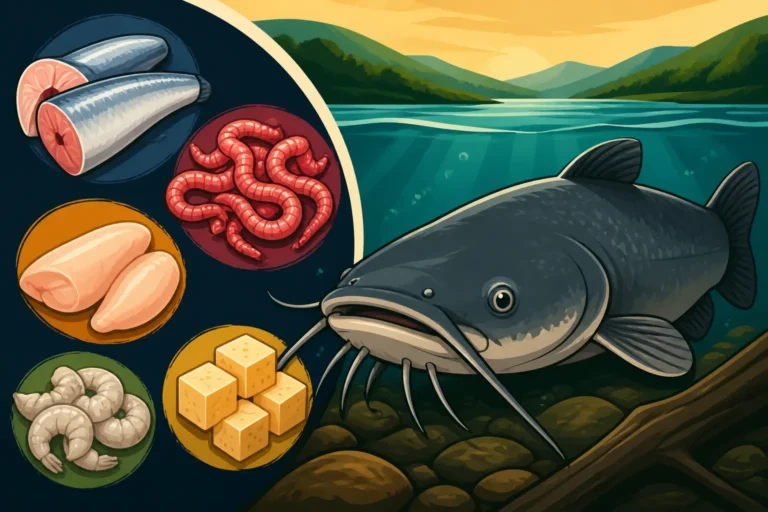
Catfish are opportunistic feeders, and they love strong-smelling, often oily baits. The right bait can make or break your jug fishing success. Here’s a quick rundown of some proven performers:
| Bait Type | Target Species | Notes |
|---|---|---|
| Cut Bait | Blue Catfish, Flathead Catfish | Fresh shad, herring, skipjack, or even carp cut into chunks. Oily and smelly, often a top choice. |
| Chicken Livers | Channel Catfish, Smaller Blues | A classic for a reason! Very smelly and effective, though they can be messy and fall off hooks easily. |
| Worms | Channel Catfish, Bullheads | Nightcrawlers or red worms are simple, effective, and readily available. Great for a variety of catfish sizes. |
| Prepared Baits | Channel Catfish, Smaller Blues | Stink baits, dip baits, or dough baits are formulated to attract catfish with powerful odors. Often available at tackle shops. |
| Live Bait | Flathead Catfish, Large Blues | Small live baitfish (perch, sunfish, minnows) are irresistible to large Flatheads. Check regulations on live bait usage. |
For many anglers, fresh cut bait, especially shad or skipjack, is king for larger "Blue Catfish Identification and Habitat in Tennessee." The oil and scent trail it leaves in the water is simply irresistible. If you're targeting "How to Identify Channel Catfish, Tennessee's Other State Fish," chicken livers or prepared "Best Bait for Bottom Fishing Catfish" are often your best bet. Remember, freshness is key, so keep your bait on ice until you're ready to deploy it. You can find many of these specific bait components, like circle hooks and heavy fishing line, online through retailers like Amazon.
Setting Up and Deploying Your Jug Lines
Once you've got your gear sorted and a firm understanding of the regulations, it's time to get your hands dirty and prepare your jugs for action. This is where patience and attention to detail pay off, ensuring your lines are effective and hassle-free once they're in the water.
Prepping Your Jugs for Action
Before you head out, rig all your jugs. This means attaching your main line to the jug, adding your weight, and tying on your hook. You want your line length to be adjustable, or at least long enough to reach the bottom in the deepest water you plan to fish, plus some extra. Many anglers will tie a small loop or use a swivel at the top of their main line, which then clips to a short leader coming off the jug itself. This allows for quick changes of line depth. For weights, a simple egg sinker or a bell sinker works great, crimped or tied a foot or two above your hook. The goal is a setup that's robust, won't tangle easily, and can be quickly baited and deployed. Some seasoned jug fishermen even pre-rig multiple lines with hooks and weights, keeping them neatly coiled and ready to attach to the jug itself as they bait them. This preparation saves a lot of time and frustration on the water, especially when you're trying to set out many jugs.
Effective Strategies for Placement and Retrieval
Deployment is all about strategy. Catfish often relate to structure, depth changes, or current breaks. For instance, on a lake like Watts Bar, you might look for old creek channels, submerged timber, or the edges of flats where deeper water meets shallower feeding grounds. Consider the current: if you're letting them drift, you'll want to deploy them upstream of where you expect the fish to be, allowing the scent of your bait to travel with the current and the jugs to move through prime feeding areas. If anchoring, pick specific spots known for catfish activity. "Kentucky Lake Catfish Fishing Spots" often include river channels and deep holes that are perfect for this.
Once your jugs are deployed, stay alert! Watch for any movement—a bob, a twitch, or a jug taking off like a rocket. When you see a fish on, motor over carefully. Avoid spooking other jugs or tangling lines. Approach the jug slowly, grab it, and carefully pull in your line. This is where those heavy lines and sturdy hooks really earn their keep. Don't be afraid to pull hard; catfish are strong. After you've landed your fish, re-bait your hook and redeploy the jug. For those interested in "How to Set Up a Trotline for Catfish," the principles of baiting and placement share some similarities with jug fishing, focusing on scent trails and target zones.
Safety and Etiquette on the Water
Safety on the water is paramount. Always wear a life jacket, especially if you're alone or operating a boat. Ensure your boat has all the necessary safety equipment. When deploying and retrieving jugs, maintain situational awareness. Be mindful of other boats and fishermen. Avoid setting jugs too close to boat ramps, swimming areas, or marked navigation channels. Remember that some anglers prefer quiet spots for their "Best Time of Year to Catch Catfish" or other species using different techniques, so give everyone ample space.
Responsible jug fishing also means leaving no trace. Retrieve all your jugs, even if they're empty or broken. Lost or abandoned fishing gear is detrimental to wildlife and an eyesore. Double-check that your jugs are properly marked, as this is a legal requirement in Tennessee. By being a responsible and considerate angler, you contribute to a positive experience for everyone on the water and help ensure that jug fishing remains a viable and enjoyable technique for years to come.
Disclaimer
This article is for general informational purposes only and does not constitute professional advice. Laws, prices and regulations vary by location and change over time. Consult a qualified professional for guidance on your specific situation.