Smallmouth Bass: Tennessee’s Official State Fish
For many anglers, the pursuit of smallmouth bass is less a hobby and more a passion, especially here in Tennessee where these feisty fish offer an unparalleled fight. While often confused with their largemouth cousins, smallmouth possess unique characteristics and preferences that make targeting them a distinct challenge and a rewarding experience. This comprehensive guide will dive deep into everything you need to know about Tennessee's official state fish, from identification to prime fishing spots and essential techniques, helping you unlock the secrets to consistent success on the water.
The Smallmouth Bass: An Icon of Tennessee Waters
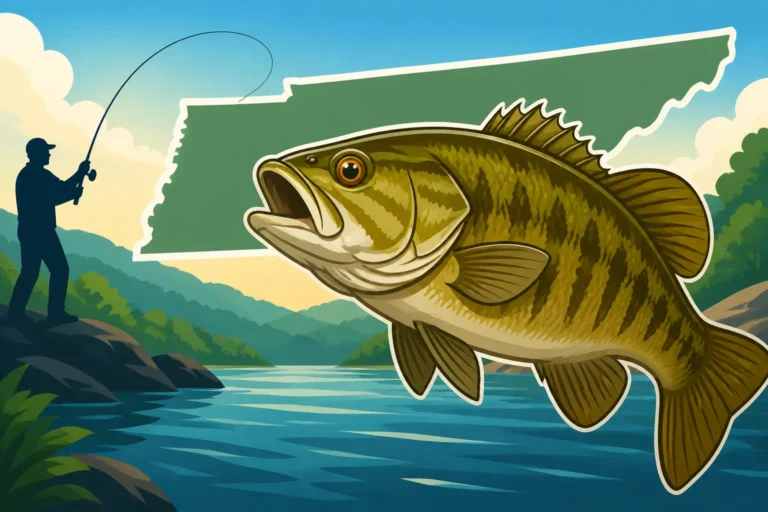
There's something truly special about the smallmouth bass in Tennessee. It's not just another game fish; it's a symbol of our clear rivers and expansive reservoirs, a testament to the thriving aquatic ecosystems we cherish. Anglers from all over are drawn to the Volunteer State specifically for the chance to tangle with these bronze beauties, and for good reason. Their hard-fighting nature and elusive habits make every catch feel like a genuine accomplishment.
Why the Smallmouth Holds a Special Place in Tennessee
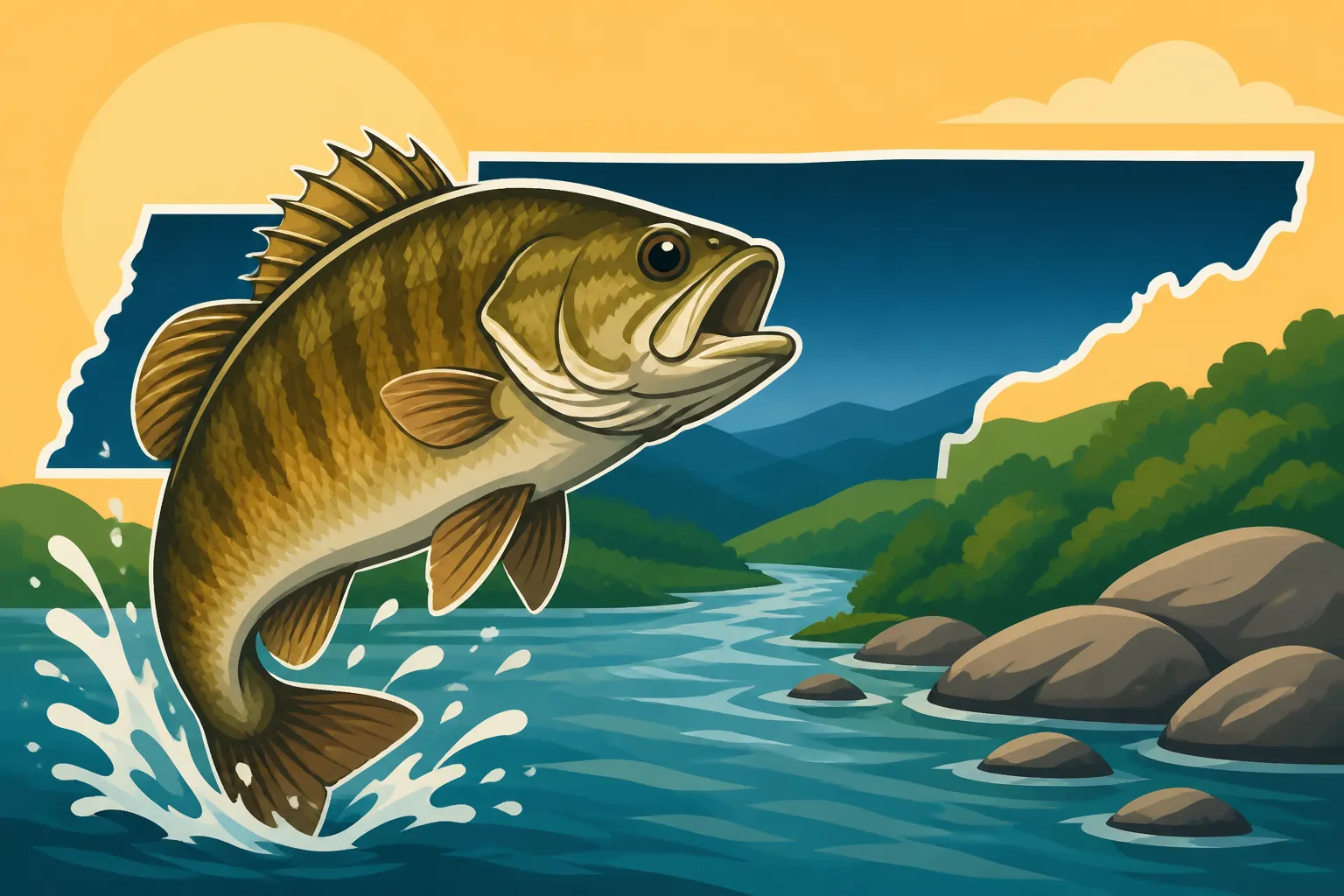
It's no accident that the smallmouth bass is one of Tennessee's official state fish. This designation speaks volumes about its importance both ecologically and recreationally within our borders. Unlike some other species that might thrive in murkier, warmer waters, smallmouth bass often indicate a healthy, clean waterway, preferring cooler, clearer conditions with rocky bottoms. This preference aligns perfectly with many of Tennessee's iconic rivers and highland reservoirs, making them a natural fit for our landscape. For generations, Tennessee anglers have celebrated the smallmouth, passing down traditions and techniques aimed at outsmarting these cunning fish. The sheer challenge of landing a trophy smallmouth, especially on light tackle, provides a thrill that keeps many of us coming back season after season. It’s a fish that truly embodies the spirit of our diverse fishing opportunities.
Beyond the sporting aspect, the smallmouth plays a vital role in the food web of its native habitats. As a predatory fish, it helps maintain the balance of smaller baitfish populations, contributing to the overall health and stability of the ecosystem. This ecological significance, combined with its popularity among anglers, solidified its status as a beloved icon. You can learn more about its official status by checking out Smallmouth Bass: Tennessee's Official State Fish.
Beyond the "Bronze Back": Identifying Smallmouth Bass
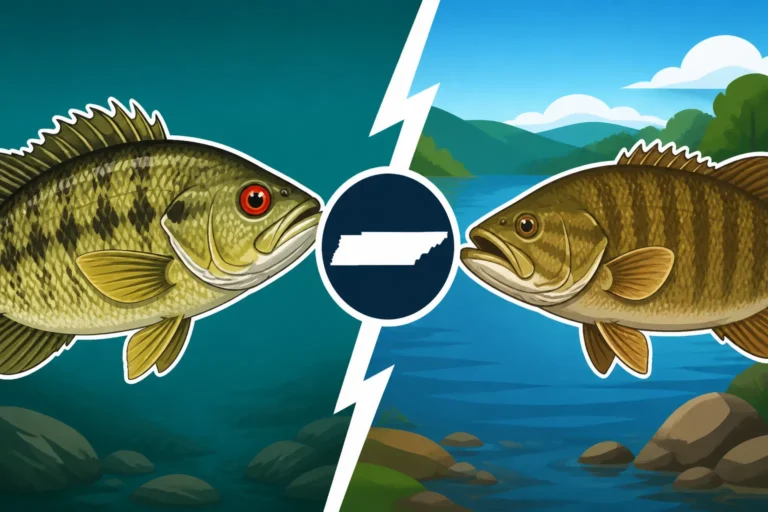
When you're out on the water, especially in areas where largemouth and spotted bass also thrive, correctly identifying a smallmouth bass can sometimes be a bit tricky, but it's crucial for understanding their behavior and adhering to specific regulations. Smallmouth are often called "bronze backs" or "brown bass" due to their distinctive coloring, which ranges from golden-bronze to a darker brown, often with vertical bars or blotches along their sides that fade with age. This is a key differentiator from the horizontal stripe usually found on largemouth bass.
The most reliable way to identify a smallmouth, however, is by examining its mouth and dorsal fin. A smallmouth's mouth, when closed, does not extend beyond the back of its eye. In contrast, a largemouth's jaw extends well past the eye. Their dorsal fins also tell a story: a smallmouth typically has a continuous dorsal fin, whereas the largemouth has a deep notch that almost separates it into two distinct fins. Finally, smallmouth bass usually have red eyes, another subtle but helpful clue. These characteristics become second nature with practice, but at first, it can feel like playing a game of "spot the difference." For a deeper dive into distinguishing these fish, consider our guide on Smallmouth Bass vs Largemouth Bass: What's the Difference?.
Natural Habitat and Preferred Environments
Smallmouth bass are quite particular about where they choose to live, which is a big part of why they're such a challenge to locate sometimes. They are predominantly found in cooler, clearer waters with rocky substrates, gravel, or sand. Think about those beautiful, clean rivers with strong currents, or the deep, clear sections of our highland reservoirs – that’s prime smallmouth territory. They love structure, but not just any structure. Unlike largemouth that might hug dense weed beds and submerged timber, smallmouth are more often associated with rock piles, current breaks, bluff walls, ledges, and transition areas where different types of bottom meet.
In rivers, they’ll often position themselves behind boulders, in eddies, or along current seams, waiting to ambush prey. These spots provide both shelter from the strong flow and a conveyor belt of food. In reservoirs, you'll find them congregating around rocky points, deep humps, submerged islands, and areas where steep drop-offs provide quick access to deep water. Their preference for these types of environments is directly tied to their feeding habits and their need for well-oxygenated water. If you’re fishing a murky, shallow, heavily vegetated pond, you’re probably not in smallmouth country; you’re more likely to be in the domain of their green-backed cousins.
Understanding Smallmouth Bass Behavior and Biology
To truly master the art of smallmouth fishing in Tennessee, it's not enough to just know what they look like or where they generally hang out. You really need to get inside their heads, understanding what makes them tick throughout the year. Their behavior is largely dictated by water temperature, available forage, and the cycle of reproduction, and knowing these patterns can significantly boost your success rate.
Diet and Feeding Habits of Tennessee Smallmouth
Smallmouth bass are opportunistic predators, but they definitely have a preference for certain menu items. Their diet largely consists of crayfish, various types of baitfish (like shad, minnows, and shiners), and aquatic insects. Crayfish are probably their favorite snack, especially in rocky river systems, and many artificial lures are designed to mimic these crustaceans precisely because of this strong preference. If you've ever seen a smallmouth spit up its last meal, chances are you've seen the tell-tale claws and shell fragments of a crayfish.
Their feeding habits can shift depending on the season and water temperature. In cooler waters, they might be slower and more deliberate, preferring a slow-moving jig or a bottom-bouncing bait. As the water warms up in spring and summer, their metabolism kicks into high gear, making them incredibly aggressive. During these periods, they'll readily chase down fast-moving crankbaits, spinnerbaits, and topwater lures. They are often visual feeders, relying on their keen eyesight in clear water, but they can also use their lateral line to detect vibrations from struggling prey. Knowing what's on the menu and how they prefer to eat it at any given time is a huge advantage for anglers.
Spawning Rituals and Reproduction
The smallmouth bass spawning season is a critical time, and understanding it is key not only for fishing success but also for responsible conservation. In Tennessee, smallmouth typically begin their spawning rituals in the spring, once water temperatures consistently reach the upper 50s to low 60s Fahrenheit. This usually happens a bit later than largemouth bass due to their preference for cooler water. Anglers might notice a shift in fish location during this period, as they move from deeper wintering grounds to shallower, protected areas.
Males are the primary nest builders, meticulously fanning out circular depressions on gravel or rocky bottoms in relatively shallow water, often near submerged logs or boulders. They fiercely guard these nests from predators before and after the female deposits her eggs. After spawning, the male continues to protect the eggs and newly hatched fry until they disperse. This period can make them incredibly aggressive and protective, making them easier targets for anglers. However, many dedicated conservationists advocate for leaving these fish undisturbed during the spawn to ensure a healthy next generation. Being aware of the Tennessee Smallmouth Bass Fishing Season and any specific regulations during this sensitive time is vital for long-term sustainability.
Growth Rates and Size Expectations
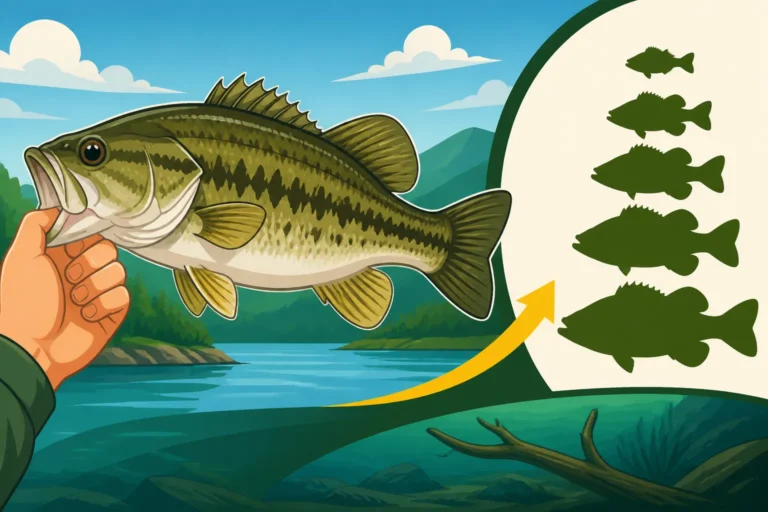
The growth rate of smallmouth bass in Tennessee can vary significantly based on factors like genetics, water quality, food availability, and population density. Generally, smallmouth bass grow slower than largemouth bass. While a largemouth might reach impressive sizes relatively quickly in a fertile lake, a smallmouth takes its time. A 12-inch smallmouth is considered a decent catch in many waters, and a 16-18 inch fish is often seen as a trophy. Fish exceeding 20 inches are truly exceptional and are the dream of many dedicated smallmouth anglers.
In optimal conditions, with an abundant food supply (especially crayfish!), a smallmouth bass might reach 3-4 pounds in 5-7 years. Some of our premier smallmouth waters, particularly the deeper, clearer reservoirs and productive rivers, can produce larger, older fish that are absolute giants. For instance, the state record smallmouth in Tennessee is a truly massive fish, a testament to the potential of our waters. Understanding these growth rates helps set realistic expectations and appreciate the age and resilience of the larger fish you might encounter. It underscores the importance of catch and release, especially for these older, larger broodstock that contribute so much to the fishery.
Top Tennessee Waters for Smallmouth Bass
Tennessee is truly blessed with an abundance of fantastic smallmouth bass fishing opportunities. From the Appalachian Mountains to the western plains, the landscapes may change, but the chance to hook a bronze back remains a constant lure. While smallmouth can be found in many places, some specific rivers, streams, and reservoirs consistently stand out as premier destinations.
Premier Rivers and Streams for Smallmouth
When it comes to river fishing for smallmouth, Tennessee has some real gems. These waters offer a different kind of challenge and reward compared to lake fishing, often requiring a more nuanced approach. The Clinch River in East Tennessee is a fantastic example, known for its cold, clear water and abundant insect life, which supports a healthy smallmouth population alongside trout. Wade fishing or floating in a kayak can provide access to incredible stretches of productive water, with fish often holding in current breaks behind rocks or along ledges.
Another standout is the Hiwassee River, especially its upper sections, which offer a similar cool-water environment. These rivers are often less pressured than some of the larger reservoirs, providing a more intimate angling experience. Further west, sections of the Tennessee River itself, particularly the tailwaters below dams where current is consistent and rock structure is plentiful, can hold some incredible smallmouth. The key in rivers and streams is to think about current; smallmouth use it to their advantage, conserving energy while waiting for food to drift by. For more insights on these flowing waters, check out Best Rivers for Smallmouth Bass Fishing in Tennessee.
Reservoirs and Lakes Known for Smallmouth Action
While rivers offer a classic smallmouth experience, Tennessee's vast reservoirs are arguably home to some of the biggest and most consistent smallmouth fisheries. These large bodies of water provide the deep, clear, rocky habitats that smallmouth crave, often supporting populations of trophy-sized fish. Dale Hollow Lake, straddling the Tennessee-Kentucky border, is legendary for its smallmouth bass. It consistently produces giants and holds the world record smallmouth for many years, making it a bucket-list destination for serious anglers. Its deep, clear waters and abundant rock formations are ideal.
Norris Lake is another premier smallmouth destination, known for its exceptionally clear waters and extensive rocky points and humps. Anglers here often target fish relating to deep structure, especially during the warmer months. You might find a wide array of specialized gear like deep-diving crankbaits and heavy jigs helpful for these deep-water fish. Norris Lake Fishing Guide, Tennessee's Clearest Water offers even more detail on this spectacular fishery. Other notable reservoirs include Percy Priest Lake near Nashville, and certain sections of Watts Bar Lake and Pickwick Lake, especially where rocky bluffs and current are present. These reservoirs demand a boat for effective coverage, and having good electronics to locate structure is a huge advantage.
Seasonal Hotspots and Migration Patterns
Smallmouth bass, much like other species, exhibit distinct seasonal patterns and migration behaviors that anglers can learn to anticipate. In the spring, as water temperatures rise, smallmouth begin to move from their deeper winter haunts into shallower, protected rocky coves and flats to spawn. This is a prime time for sight fishing and targeting aggressive, nest-guarding males. Think about rocky shorelines, points, and transition areas.
As summer progresses and waters heat up, smallmouth often retreat to deeper, cooler water. They'll relate to offshore humps, ledges, and deep bluff walls, often suspending over baitfish schools. Dawn and dusk can offer brief windows of activity in shallower water, but the daytime bite often requires fishing deep. When fall arrives and water temperatures begin to drop, smallmouth become highly active again, feeding heavily to prepare for winter. They'll often move back shallower, cruising rocky points and main lake humps, often chasing schools of shad. Finally, in winter, they consolidate in deep, stable areas like channel bends, submerged timber, and deep rock piles. Fishing is slower, but patient anglers can still find success with vertical presentations. Knowing these patterns, and checking specific Tennessee Fishing Season and Catch Limits, can help you predict where the fish will be throughout the year.
Gear and Techniques for Targeting Tennessee Smallmouth
Successfully catching smallmouth bass, especially the bigger, smarter ones in Tennessee, often boils down to having the right gear and employing the right techniques for the specific conditions you're facing. It's not always about having the most expensive setup, but rather understanding how your equipment and approach interact with the fish and their environment.
Essential Rods, Reels, and Line for Smallmouth
When it comes to rods for smallmouth, versatility is key, but generally, medium to medium-heavy spinning or casting rods are preferred. For finesse techniques like drop-shotting or throwing small jigs in clear water, a sensitive, medium-light spinning rod (6'6" to 7'2") with a fast action is ideal. This allows for excellent bite detection and the ability to cast lighter lures accurately. For casting crankbaits, spinnerbaits, or topwater lures, a medium power, fast action rod (6'8" to 7'6") in either spinning or casting format works well. The faster action helps with powerful hook sets and casting distance.
Pair these rods with a good quality spinning reel in the 2500-3000 size range or a low-profile baitcasting reel for accuracy and control. For line, many anglers opt for fluorocarbon or braided line with a fluorocarbon leader. Fluorocarbon is nearly invisible underwater and offers excellent sensitivity, making it a favorite for clear-water smallmouth. Braided line provides superior casting distance and strength, and a 6-10 foot fluorocarbon leader mitigates its visibility. For a more in-depth look at reels, our guide Best Reels for Smallmouth Bass can provide tailored recommendations. If you're looking for a new setup, finding a good balance of quality and price can be done on platforms like Amazon, where reviews often help inform decisions on durable gear.
Lure and Bait Selection for Different Conditions
The world of smallmouth lures is vast and exciting, but a few staples consistently produce results in Tennessee waters. For river smallmouth, jigs (especially those imitating crayfish or minnows), small crankbaits, and topwater lures are incredibly effective. Ned rigs, tube jigs, and hair jigs are perfect for probing rocky bottoms and current seams. In reservoirs, the game changes slightly. Deep-diving crankbaits are fantastic for covering water and triggering strikes when fish are deeper. Spinnerbaits and chatterbaits excel in slightly stained water or around patchy grass, while jerkbaits are deadly for suspended fish, especially in cooler water.
Live bait, especially crayfish and shiners, can be irresistible to smallmouth, particularly when they're finicky. However, many anglers prefer artificials for the sport. Don't forget soft plastics like grubs, swimbaits, and finesse worms, which can be rigged in countless ways to imitate various forage. The key is to match the hatch and adjust your presentation to the conditions. If you're heading out in colder weather, knowing the Best Bait for Smallmouth Bass in Cold Water will give you a significant advantage. It's always a good idea to have a diverse selection in your tackle box, readily available from online retailers or local shops, ensuring you're prepared for whatever the smallmouth are biting on.
Mastering Techniques for River and Lake Smallmouth
The techniques you employ for smallmouth fishing need to adapt to whether you're on a fast-flowing river or a sprawling reservoir. For river smallmouth, casting accuracy and understanding current are paramount. Wade fishing or using a kayak allows you to move stealthily and present lures upstream, allowing them to drift naturally downstream through prime holding spots. Short, precise casts to current seams, eddy lines, and the downstream side of boulders are often productive. Presentations should often be slower, allowing the current to impart natural action to your lure. Focus on moving water rather than stagnant pools. Our article How to Catch Smallmouth Bass in Rocky Streams can offer more specialized river tactics.
In lakes and reservoirs, the challenge shifts to covering vast amounts of water and locating subtle structure. Boat fishing is usually essential, often with the aid of fish finders and GPS to mark productive spots. Fan casting wide areas with crankbaits or spinnerbaits helps locate active fish. Once a fish is caught, slow down and thoroughly work the area, as smallmouth often school on specific structure. Drop-shotting and Carolina rigging are excellent for presenting soft plastics to deep, finicky fish. Trolling with deep-diving baits can also be effective in large reservoirs to cover water efficiently and locate active schools. No matter the water type, mastering the subtle "feel" of a smallmouth bite and developing a quick, decisive hookset are skills that come with practice.
| Technique/Lure Type | Best for Habitat | Recommended Season | Notes |
|---|---|---|---|
| Jigs (Ned/Tube) | Rivers (rocky), lake ledges | All seasons (slower in winter) | Mimics crayfish, subtle presentation, good for finesse. |
| Crankbaits (Deep Dive) | Lake humps, channels | Spring, Summer, Fall | Covers water efficiently, good for active fish. |
| Spinnerbaits | Stained water, rocky banks | Spring, Fall | Excellent vibration, good for aggressive bites. |
| Topwater Lures | River eddies, shallow lake points | Summer (dawn/dusk) | Exciting blow-ups, visual fishing. |
| Jerkbaits | Clear lakes, open water | Spring, Fall, Winter | Suspending action, triggers strikes from cold or wary fish. |
| Soft Plastics (Drop-shot) | Deep lake structure, clear water | All seasons | Finesse presentation, good for finicky fish. |
Conservation and Responsible Angling for Smallmouth Bass
As anglers who cherish the fight and beauty of the smallmouth bass, we have a responsibility to protect this incredible resource. Our actions on and off the water directly impact the health of smallmouth populations and their habitats. Practicing responsible angling isn't just a suggestion; it's a vital part of ensuring future generations can experience the same joy of catching Tennessee's official state fish.
Understanding Tennessee's Smallmouth Regulations
One of the most fundamental aspects of responsible angling is thoroughly understanding and adhering to the fishing regulations set forth by the state. Tennessee has specific rules regarding smallmouth bass, which often include daily creel limits (how many fish you can keep in a day) and size limits (the minimum length a fish must be to be kept). These regulations are not arbitrary; they are carefully determined by biologists to ensure the sustainability of the smallmouth population, allowing enough fish to reach maturity and reproduce.
These rules can also vary by specific body of water. A regulation on Dale Hollow Lake might differ from that on the Clinch River, so it’s imperative to always check the most current information before you head out. Ignorance of the law is never an excuse, and violating regulations can lead to hefty fines and even loss of fishing privileges. Keeping a current fishing guide, often available online or at sporting goods stores, handy is always a good idea. Knowing Tennessee Fishing Regulations Explained can save you a lot of trouble and contribute positively to conservation efforts.
Catch and Release Practices for Sustainable Fishing
While regulations dictate what you can keep, responsible angling often means choosing to release fish, especially larger breeding-size smallmouth. Catch and release is a cornerstone of modern conservation, allowing fish to grow larger and contribute to the reproductive success of the population. When you decide to release a smallmouth, doing so properly is just as important as the decision itself.
Minimize the time the fish is out of the water, especially in warm weather. Use appropriate tools like de-hookers to remove hooks quickly and gently. Support the fish horizontally, never vertically by the jaw, as this can damage internal organs. If the fish is exhausted, hold it gently in the water, facing into a mild current, until it regains its strength and swims away on its own. Avoiding excessive handling and being mindful of fish stress factors like extreme heat can greatly improve the survival rate of released fish. This simple act ensures that iconic smallmouth fisheries in Tennessee continue to thrive for years to come.
Protecting Smallmouth Habitats for Future Generations
The smallmouth bass is inextricably linked to its habitat. Without clean, clear, and structurally diverse waters, smallmouth populations cannot flourish. Therefore, protecting these habitats is arguably the most critical aspect of smallmouth conservation. This means being mindful of our impact when we're on the water and advocating for broader environmental protection.
Simple actions like properly disposing of trash, preventing the spread of invasive species by cleaning boats and gear, and avoiding excessive shoreline erosion can make a big difference. Support local conservation groups and efforts that work to protect water quality and restore natural river systems. Issues like pollution, habitat degradation from development, and sedimentation can severely impact smallmouth spawning grounds and food sources. By being stewards of the environment, we ensure that Tennessee's rivers and lakes remain pristine homes for the smallmouth bass, allowing future generations to experience the thrill of battling these magnificent fish.
Disclaimer
This article is for general informational purposes only and does not constitute professional advice. Laws, prices and regulations vary by location and change over time. Consult a qualified professional for guidance on your specific situation.