Best Small Boats for Watts Bar Lake
Watts Bar Lake is an angler's paradise, no doubt about it, but if you've ever tried to navigate its vast waters and then slip into its countless shallow coves with a massive bass boat, you know the frustration. It's a gorgeous body of water, but it demands a particular kind of vessel to truly unlock its full potential. This guide is all about helping you understand why smaller boats are often the unsung heroes of Watts Bar and which options will give you the most bang for your buck and the best fishing experience possible.
Why Small Boats Shine on Watts Bar Lake
You might see those big, flashy bass boats zipping across the main channel of Watts Bar and think bigger is always better. But believe me, when it comes to consistently getting to the fish and truly exploring everything this magnificent lake has to offer, a smaller boat often holds the winning hand. There's a real freedom that comes with not being tied down by a behemoth rig.
Navigating Diverse Waters
Watts Bar Lake is a true chameleon. You've got those expansive main lake stretches where the wind can whip up some serious chop, making it feel like a small inland sea. But then, it quickly transitions into a maze of winding creeks, quiet backwaters, and stump-filled coves that are just begging to be explored. A large, deep-drafting boat simply can't access many of these prime fishing spots.
Think about those days when the fish are tucked way back in the creeks, seeking cooler water or hiding from pressure. Your 20-foot fiberglass monster might draw 18 inches of water, completely shutting you out of those 12-inch deep honey holes. A smaller boat, however, can often sneak right in, letting you cast into untouched waters where the big boys are hiding. This versatility is a game-changer, allowing you to adapt your fishing strategy to the conditions and where the fish are actually holding, not just where your boat can go. It’s about being nimble and efficient on a lake that rewards those who can reach its hidden gems.
Ease of Launching and Retrieving
There’s nothing quite like the stress of trying to launch a huge boat at a busy ramp on a prime Saturday morning. The lines, the impatient glares, the constant worry of scratching your gel coat or putting your trailer too deep. It can take half the fun out of the trip before you even wet a line. With a smaller boat, that stress largely evaporates.
Smaller boats generally mean lighter boats, which translates to easier handling on the ramp. You don't need a massive truck to tow them, and you can often launch them from less developed, more secluded ramps that larger vessels can't even get near. This means less waiting, less hassle, and more time actually fishing. For those of us who often fish solo, the ease of single-handedly launching and retrieving a small boat is a massive advantage, making those quick evening trips or early morning escapes far more feasible and enjoyable. Plus, with less wear and tear on your vehicle and trailer, you're looking at fewer headaches down the road.
Cost-Effectiveness and Maintenance
Let's be real, fishing can be an expensive hobby, and a boat is usually the biggest investment. This is where small boats truly shine from a practical standpoint. Their initial purchase price is significantly lower than their larger counterparts, opening up the world of boating to more anglers. You might find great deals on used models that are perfectly suited for Watts Bar.
Beyond the upfront cost, the running expenses are considerably less. Smaller engines mean less fuel burned, which is a huge relief when gas prices fluctuate. Insurance premiums are typically lower, and routine maintenance tasks are often simpler and less costly. Storing a smaller boat is also easier; you might be able to tuck it away in your garage or a smaller carport, saving on storage fees. This cost-effectiveness allows you to allocate more of your budget to tackle, bait, and those essential fishing trips, rather than constantly pouring money into a large, demanding vessel. It’s about smart spending without sacrificing your passion for the water.
Top Small Boat Types for Watts Bar Anglers
When you think "small boat," it's not a one-size-fits-all scenario. Watts Bar Lake is diverse enough that several types of smaller vessels can excel, each with its own set of advantages depending on your fishing style and preferences. Let's dive into some of the most popular and effective options you'll see out there.
Jon Boats: The Versatile Workhorse
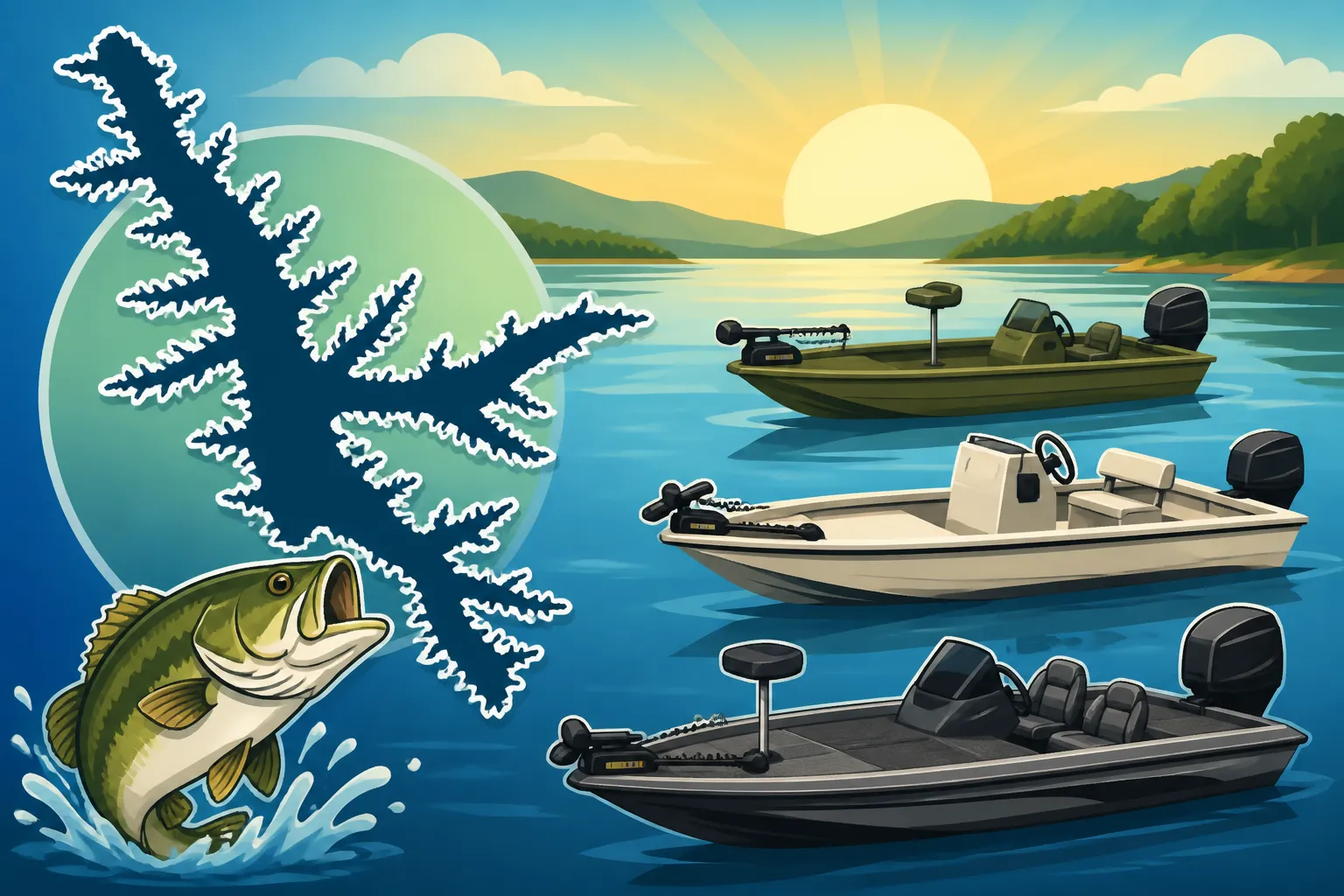
Ah, the trusty jon boat. If there's a boat that epitomizes versatility and no-nonsense fishing, it's this one. Characterized by their flat bottoms and open layouts, jon boats are incredibly popular in Tennessee, and for good reason. They can be incredibly stable platforms for standing and casting, especially in calm waters, which is a huge plus for sight fishing or just maintaining your balance while reeling in a feisty bass. Their shallow draft means you can literally float them into inches of water, getting to those tucked-away coves and backwater pockets where larger boats can only dream of going. Many anglers love to customize their jon boats, adding raised casting decks, trolling motors, and even small livewells, transforming them into formidable fishing machines.
However, that flat bottom, while great for shallow water, does have its trade-offs. When the wind picks up on Watts Bar's main channel and those waves start to roll, a jon boat can deliver a very wet and bumpy ride. You'll feel every chop, and getting soaked is almost a guarantee on rougher days. They also tend to be slower than V-hull boats, especially with smaller outboards. Still, for cruising creeks, working lily pads, or hitting those early morning calm waters, a jon boat is hard to beat. You'll find many reputable brands like Lowe, Alumacraft, and Tracker offering excellent jon boat options, and they're readily available at outdoor retailers like Bass Pro Shops.
Aluminum V-Hull Boats: A Step Up in Comfort
If you're looking for something that bridges the gap between the ultra-shallow capabilities of a jon boat and the rough-water performance of a larger vessel, an aluminum V-hull boat might be your sweet spot. These boats feature a more pronounced "V" shape at the bow, which helps them cut through waves and provide a much smoother, drier ride than a flat-bottomed jon boat. This makes those runs across Watts Bar's open water much more comfortable and less jarring, especially on windy days.
Aluminum V-hulls often come with more integrated features right from the factory, such as consoles for steering, built-in rod storage, and more substantial seating. They're still relatively lightweight and efficient to run, making them a great choice for anglers who want to cover diverse water without sacrificing too much comfort or breaking the bank on fuel. While they won't get into quite as skinny water as a jon boat, their draft is still very respectable, allowing access to most productive areas. Brands like Lund, Crestliner, and some higher-end Alumacraft models offer excellent aluminum V-hulls that are perfect for a lake like Watts Bar. They handle bass, crappie, and even some light trolling for stripers with ease, proving to be a highly versatile choice for the Tennessee angler.
Kayaks and Canoes: Unparalleled Access
For the ultimate in stealth, shallow water access, and a truly immersive fishing experience on Watts Bar, you simply cannot overlook kayaks and canoes. These paddle-powered (or pedal-powered, in many modern kayaks) vessels allow you to get into places absolutely no other boat can reach. Think about those tiny trickles of water winding into overgrown marshy areas, or tight spaces under low-hanging branches along the bank – these are kayak and canoe territory. The quiet nature of these boats also means you can approach wary fish without spooking them, often leading to incredible sight fishing opportunities.
Modern fishing kayaks, in particular, have come a long way. They're designed for stability, often featuring wide, flat platforms that allow you to stand and cast. They have built-in rod holders, storage compartments, and even mounts for fish finders and trolling motors. While they might not be the fastest way to cover water, their efficiency and ability to put you directly on the fish in tight quarters are unmatched. Plus, they're incredibly economical to own and operate. You can find a huge variety of accessories, from paddle leashes to tackle management systems, on platforms like Amazon to outfit your kayak exactly how you like it. The main downsides are limited storage for a lot of gear, and they can be challenging to paddle in strong winds or currents on open water, requiring good weather judgment. For dedicated exploration and quiet angling, they're truly exceptional.
Small Fiberglass Bass Boats: Speed and Performance
When we talk about "small" fiberglass bass boats for Watts Bar, we're typically looking at models in the 17- to 18-foot range. While they might be considered small compared to the 20-foot giants, they still offer a significant leap in performance, speed, and specialized fishing features compared to aluminum options. These boats are built for speed and efficiency, allowing you to quickly cross large sections of Watts Bar and get to your next spot in a hurry. They typically feature powerful outboard motors, sleek hull designs, and expansive front and rear casting decks that are ideal for serious bass fishing.
Fiberglass bass boats come equipped with integrated livewells, multiple rod lockers, and ample tackle storage, making them perfect for tournament anglers or those who simply demand the best in terms of organization and convenience. The ride quality in choppy water is generally superior to most aluminum boats of comparable size, offering a drier and more comfortable experience. However, this performance comes at a higher cost, both in terms of initial purchase and ongoing expenses like fuel and maintenance. Their deeper draft also limits access to the very shallowest backwaters, but for serious anglers who prioritize speed and a dedicated fishing platform, a smaller fiberglass bass boat can still be an excellent choice for navigating the diverse challenges and opportunities of Watts Bar Lake.
Key Features to Consider for Watts Bar Fishing
Choosing the right small boat isn't just about the type of hull; it's about the specific features that will enhance your fishing experience on Watts Bar. Different aspects of a boat's design and functionality can make a huge difference in how effectively and comfortably you can fish this unique lake.
Draft and Shallow Water Performance
Watts Bar Lake is famous for its vast main channels, but equally, for its incredible network of feeder creeks, stump flats, and shallow backwater areas, especially as you move up the rivers that feed into it, like the Tennessee and Clinch. This is where a boat's "draft" becomes critically important. Draft refers to how deep the boat sits in the water. A boat with a shallow draft can glide over submerged obstacles and access areas that would be impassable for a deeper-keeled vessel.
If your primary goal is to target bass hiding in lily pads, crappie tucked into submerged brush, or catfish in shallow river bends, then a boat with excellent shallow water performance is non-negotiable. Jon boats excel here due to their flat bottoms, often needing only a few inches of water. Kayaks and canoes take it even further, allowing you to literally paddle over obstacles that would ground any motorized boat. Even some aluminum V-hulls are designed with a modified V to offer a good compromise. Always consider where you love to fish most on Watts Bar and ensure your chosen boat can comfortably and safely get you there without constant worry of hitting bottom. What Counts as a Public Water for License Purposes
Stability and Deck Space
Imagine trying to set the hook on a monster largemouth while simultaneously fighting to keep your balance. Not ideal, right? Stability is paramount for a comfortable and effective fishing experience, especially if you prefer to stand and cast. A stable platform allows you to move around, retrieve gear, and fight fish with confidence, reducing fatigue and increasing your enjoyment. Jon boats, with their wide, flat bottoms, are often surprisingly stable for their size, providing a great platform for standing. Many modern fishing kayaks are also designed with exceptional stability in mind, sometimes even allowing anglers to stand and sight fish.
Deck space goes hand-in-hand with stability. Even in a small boat, having enough room to store your tackle, coolers, and rods without tripping over everything is crucial. Dedicated casting decks, common in bass boats (even small ones), provide clear, unobstructed areas for presenting lures. For smaller boats like jon boats, anglers often build custom decks or use modular storage solutions to maximize usable space. Consider how many people you typically fish with and the amount of gear you bring. A cramped boat quickly becomes frustrating, so balancing stability with practical deck space is key to a productive day on Watts Bar.
Storage and Customization Options
Let's face it, anglers accumulate gear. Rods, reels, tackle boxes, electronics, safety equipment, coolers, anchors – the list goes on. Even in a small boat, effective storage is vital to keep your boat organized, your gear protected, and your fishing experience clutter-free. Look for boats that offer intelligent storage solutions. This might include dedicated rod lockers to keep your rods safe during transport and travel, under-seat compartments, or bow storage for anchors and life jackets.
One of the great joys of owning a smaller boat, especially a jon boat, is the incredible potential for customization. Many anglers start with a basic hull and then outfit it exactly to their needs. You can add mounting plates for fish finders, install additional rod holders, build custom storage boxes, or even create unique livewell systems. Aftermarket accessories, easily found at stores like Bass Pro Shops or online retailers like Amazon, can transform a simple boat into a highly specialized fishing machine. This ability to tailor your vessel means your small boat can evolve with your fishing style and preferences, becoming a truly personal extension of your angling passion on Watts Bar. Best Fishing Gear for Beginners
Navigating Watts Bar's Challenges with a Small Boat
Watts Bar Lake, while beautiful, is a large reservoir with its own set of challenges. While small boats offer incredible advantages in access and maneuverability, it's important to understand how to operate them safely and effectively, especially when the conditions aren't ideal.
Dealing with Rough Water and Open Expanses
Watts Bar Lake stretches over 70 miles and at its widest points, it feels more like a small sea than an inland lake. This means that on a windy day, or when boat traffic is high, the main channel can get churned up, creating significant waves and chop. For a small boat, especially a flat-bottomed jon boat, this can be an uncomfortable and even hazardous situation. While aluminum V-hulls offer a better ride, even they have their limits.
The key to navigating rough water in a small boat is preparation and caution. Always check the weather forecast before heading out. If high winds are predicted, consider sticking to the more protected creeks and coves, or reschedule your trip to the main lake for another day. When you do encounter chop, reduce your speed significantly. Don't try to plane over waves in a small boat; instead, learn to "ride" the waves by keeping your bow up and taking them at an angle. Avoid sudden turns, and ensure all loose gear is stowed away. Understanding your boat's capabilities and knowing when to seek shelter or simply call it a day is crucial for a safe and enjoyable experience on Watts Bar's open expanses.
Safety Gear Essentials
No matter the size of your boat, safety should always be your number one priority. In fact, because small boats can be more susceptible to rough water conditions or capsizing, having the right safety gear on board is even more critical. It’s not just about compliance with regulations; it's about protecting yourself and your passengers.
First and foremost, everyone on board, especially children, should wear a properly fitted U.S. Coast Guard-approved life jacket. Tennessee's Under-12 Life Jacket Rule Explained Even strong swimmers can get into trouble quickly if they're thrown unexpectedly into cold water or are injured. A throwable flotation device (like a cushion or ring buoy) is also a mandatory piece of equipment for boats 16 feet and longer in Tennessee. Beyond flotation, you need a way to make noise (a whistle or horn), navigation lights if you plan to be out from dusk till dawn, and a fire extinguisher if your boat has a motor and a closed compartment. A basic first aid kit, a paddle (even if you have a motor), and a way to communicate (fully charged cell phone in a waterproof case, or a marine radio) are also indispensable. Always perform a quick safety check before you leave the dock, ensuring all your gear is accessible and in working order. Essential Safety Gear Checklist Before a Tennessee Fishing Trip
Maximizing Your Small Boat Experience on Watts Bar
Owning a small boat on Watts Bar Lake isn't just about navigating its waters; it's about optimizing your entire fishing strategy. With the right approach to launching, electronics, and maintenance, you can transform your compact vessel into a formidable and highly efficient fishing machine, unlocking Watts Bar's full potential.
Strategic Launching and Access Points
One of the biggest advantages of a small boat on Watts Bar is the freedom it gives you when it comes to launching. You're not restricted to the main, often crowded, public ramps designed for much larger vessels. This opens up a whole new world of strategic access that can save you time, fuel, and frustration. Instead of launching at a major ramp and making a long, potentially rough run to your preferred fishing grounds, look for smaller, lesser-known ramps closer to your target areas.
Many county parks, local marinas, or even undeveloped gravel access points (always check legality and land ownership!) can accommodate a small jon boat or kayak. This means less time traveling and more time fishing, especially on those short trips. For kayakers, almost any shoreline access point can become a launch site, allowing you to slip into incredibly remote and unfished waters. Knowing a variety of launch points around Watts Bar, and matching them to the specific areas you want to fish, is a tactical advantage that small boat owners can leverage to great effect. Boat Ramp Access on Tennessee's Major Lakes
Essential Electronics and Accessories
Just because your boat is small doesn't mean you have to sacrifice modern fishing technology. In fact, pairing a compact boat with the right electronics and accessories can dramatically enhance your success on Watts Bar. A quality fish finder, even a portable or small-screen model, can be a game-changer. It helps you identify structure, locate baitfish, and spot those elusive game fish, even in shallow water. Many of these units are surprisingly affordable and easy to mount on smaller boats, with options available from trusted brands on platforms like Amazon.
A bow-mounted trolling motor is almost a necessity for precise boat control, especially when working shorelines, stump fields, or brush piles for bass and crappie. Look for models with GPS Spot-Lock features, which can hold your boat in place even in wind or current, freeing you up to focus on fishing. For those who frequently fish at night or in low light, adding some simple LED lighting can improve safety and visibility. Rod holders, anchor trolleys (for kayaks), and even small portable livewells are other accessories that can make your small boat much more efficient and enjoyable on Watts Bar. Best Fish Finders for Tennessee Reservoir Fishing
Maintenance and Longevity
One of the beautiful things about small boats is that they are generally simpler and less expensive to maintain than their larger counterparts. However, consistent and proper maintenance is still key to ensuring your boat stays reliable, performs well, and provides you with years of enjoyment on Watts Bar Lake. Don't neglect the basics, even on a small craft.
After every trip, give your boat a quick rinse to remove any lake grime, mud, or debris. This is especially important if you've been in shallow, dirty water. If you're running an outboard motor, flush it with fresh water to prevent salt or mineral buildup, even if you've only been in fresh water – it prolongs engine life. Regularly check your battery terminals for corrosion, inspect your trailer tires and lights, and ensure all your safety gear is clean and in good working order. For aluminum boats, check for any loose rivets or hull damage. For fiberglass, keep an eye out for stress cracks. Simple, routine checks can catch small issues before they become major problems, keeping your small boat ready for its next adventure on Watts Bar. How to Winterize a Boat Trailer in Tennessee
| Boat Type | Typical Draft | Stability (Standing) | Rough Water Handling | Relative Cost (New) | Ideal Watts Bar Use |
|---|---|---|---|---|---|
| Jon Boat | Very Shallow | Excellent | Poor to Fair | Low | Shallow creeks, backwaters, calm days, duck hunting |
| Aluminum V-Hull | Shallow | Good | Fair to Good | Medium | All-around fishing, light chop, versatile |
| Kayak/Canoe | Minimal | Variable (Good for fishing specific models) | Poor to Fair | Low | Stealth fishing, tight spots, exercise, solo |
| Small Fiberglass Bass Boat | Moderate | Excellent | Good | High | Tournament fishing, speed, dedicated bass angling |
Disclaimer
This article is for general informational purposes only and does not constitute professional advice. Laws, prices and regulations vary by location and change over time. Consult a qualified professional for guidance on your specific situation.