Night Fishing Spots on Norris Lake
There's a special kind of magic that settles over Norris Lake once the sun dips below the hills, painting the sky in fiery oranges and purples before giving way to starlight. But let's be honest, for many of us, the idea of heading out on the water after dark can feel a bit daunting. The familiar shoreline disappears, the buoys become harder to spot, and the whole lake transforms into something mysterious. This guide is here to cut through that mystery, sharing the best night fishing spots on Norris Lake and arming you with the knowledge to make your nocturnal angling adventures safe, productive, and truly unforgettable.
The Allure and Challenges of Night Fishing on Norris Lake
Night fishing on Norris Lake isn't just about escaping the summer heat or the daytime crowds, though those are certainly huge perks. It's about tapping into a completely different ecosystem, a shift in how fish feed, move, and react. But it also comes with its own unique set of hurdles that every angler needs to understand and respect.
Why Anglers Turn to the Dark Side
First, let's talk about the draw. The sheer tranquility of Norris Lake at night is unparalleled. The deafening roar of pleasure boats fades away, replaced by the symphony of crickets, distant owls, and the gentle lapping of water against your hull. It's a peaceful solitude that's hard to find during the day. Beyond the ambiance, there are practical advantages too. The water temperature drops, making it far more comfortable for both you and the fish, especially during those sweltering Tennessee summers.
But the biggest reason many dedicated anglers embrace the night is the fishing itself. Many species, particularly larger predatory fish like bass, walleye, and striped bass, become far more active after dark. They move out of their deep daytime hideouts, venturing into shallower waters to hunt. This shift in behavior means they're often less wary, more aggressive, and more susceptible to certain presentations. Imagine casting a topwater lure and hearing that explosive strike in the pitch black – it's an adrenaline rush you won't soon forget! Plus, with fewer boats on the water, you often have your chosen fishing hole all to yourself, which is a rare treat on popular lakes like Norris.
Navigating the Night: Common Frustrations and Realities
Now, for a dose of reality. While the rewards are great, night fishing on Norris Lake isn't without its frustrations. The most obvious challenge is visibility. What looks like a clear path in daylight can become a maze of submerged timber, rocky outcrops, and unmarked hazards after dark. Disorientation is a real concern, even for seasoned anglers who know the lake well. Familiar landmarks vanish, and without a reliable GPS or a keen sense of direction, it's easy to get turned around.
Another common frustration is finding the fish. While they're more active, they might not be exactly where you expect them. Sound and light become your primary tools for detection. You might hear splashing in a cove you'd never fish during the day, or see baitfish flickering near a dock light. It takes a different approach, a slower pace, and a reliance on senses beyond sight. And let's not forget the gear management in the dark. Tying knots, re-rigging, or even just finding that specific lure in your tackle box can become a fumbling, frustrating ordeal if you're not prepared with adequate lighting. It’s a learning curve, for sure, but one that many find incredibly rewarding once they get the hang of it.
Prime Hotspots for Night Fishing on Norris Lake
Norris Lake is a sprawling, beautiful body of water with endless coves, points, and river arms, making it a fantastic playground for night anglers. Knowing where to focus your efforts can make all the difference, and certain areas consistently produce better results after dark for specific species.
Targeting Bass and Crappie Under the Moon
For bass and crappie, the key to night fishing on Norris Lake often revolves around structure and artificial light. Bass, especially largemouth, will gravitate towards shallow points, submerged humps, and the edges of creek channels. Look for areas with rock piles, stump fields, or even old roadbeds that offer ambush points. The backs of coves can also be fantastic, particularly if there's any form of natural or artificial light.
- Big Creek and Powell River Arms: These areas, particularly their coves and shallower embayments, offer excellent opportunities. Look for docks that have lights left on overnight. These lights attract plankton, which draws in baitfish, and in turn, brings in crappie and bass. Casting jigs or small crankbaits around these illuminated areas can be incredibly effective. For bass, target the shadow lines where the light meets the darkness. Jerkbaits and spinnerbaits retrieved slowly can entice strikes.
- Flat Creek: Similar to Big Creek, Flat Creek offers numerous docks and diverse topography. Focus on fishing brush piles and standing timber in these areas. Crappie will suspend around these structures, and a small jig under a slip bobber, illuminated by a glow stick or black light, can be deadly. Bass might be found cruising the edges of drop-offs near these same structures. Remember that crappie limits in Tennessee are set at 20 fish per day, with specific size restrictions, so make sure you're familiar with the rules before you start filling your livewell.
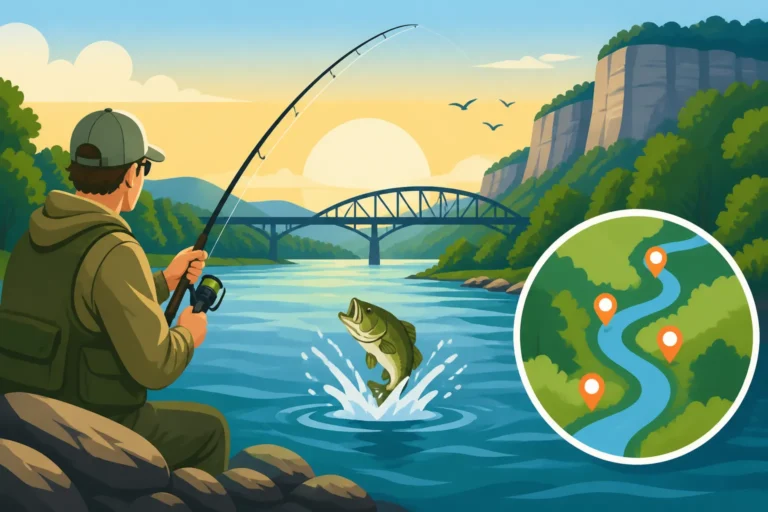
- Bridge Pilings: Norris Lake has several bridges, and their pilings offer fantastic structure that attracts bait and predatory fish. During the day, boat traffic can make these areas challenging, but at night, they become prime real estate. Vertical jigging spoons or drop-shot rigs around the pilings can pick up both bass and crappie holding deep. For larger bass, cast dark-colored jigs or worms right up against the concrete.
Catfish and Striper Haunts After Dark
If you're after something bigger, or just a different kind of fight, Norris Lake's catfish and striped bass populations truly shine at night. These powerful fish often prefer the deeper, darker waters during the day but move shallower to feed under the cloak of night.
- Main Lake Channel near the Dam: The deep waters near the Norris Dam are a classic spot for striped bass. These powerful fish often patrol the main channel, especially where current is present. Trolling large swimbaits or live bait like gizzard shad or alewives can be highly effective. Because stripers are active hunters, they'll often chase down prey in the open water. For safety, it’s advisable to have your Tennessee Life Jacket and PFD Rules for Boaters fresh in your mind when fishing the main lake at night.
- Clinch River Arm and River Bends: The Clinch River arm, particularly where it meets the main body of the lake and in deeper river bends, is excellent for both catfish and stripers. Catfish, including channel cats and large flatheads, will move onto shallow flats and along channel edges to hunt. This is where your Night Fishing Techniques for Catfish will come in handy. Cut bait, chicken liver, or live bluegill fished on the bottom can yield impressive results. Look for sudden depth changes or submerged cover where catfish might be lurking. Stripers will also follow the baitfish into these river sections.
- Deep Points and Humps: Any deep point or submerged hump that rises from the main channel can be a magnet for both stripers and large catfish after dark. These areas act as congregating points for baitfish, creating an all-you-can-eat buffet for predators. Focus on the transition zones where the deep water meets the shallower top of the structure. A slow retrieve with a big swimbait or a bottom rig with live bait can be very productive. To explore various guides for specific species and locations, you might find resources on sites like FishingBooker helpful for finding local expertise. Remember to check Tennessee Fishing Regulations Explained for any specific rules related to certain species or areas.
Essential Gear, Techniques, and Safety for Norris Lake Night Anglers
Successful and safe night fishing on Norris Lake hinges on preparation. It's not just about having the right bait, but having the right tools to navigate, see, and respond to any situation that might arise in the dark.
Lighting, Lures, and Line: Your Night Fishing Arsenal
When the sun goes down, your gear choices shift dramatically. First and foremost, you need light. A good headlamp with both white and red light settings is indispensable. The red light preserves your night vision better, while the white light is there for when you really need to see. Many anglers also use black lights mounted on their boats. These illuminate fluorescent fishing lines, allowing you to detect subtle bites you might otherwise miss.
For lures, dark colors often work best. Black, blue, or purple jigs, worms, and crankbaits create a strong silhouette against the moonlit sky or the glowing surface from your lights. Glow-in-the-dark lures or those with rattles can also be highly effective. The key is contrast and vibration. When fishing for crappie, tiny jigs tipped with a minnow or crappie nibbler, fished directly under a dock light, can be irresistible. For bass, slow-moving topwater baits that create a commotion can draw explosive strikes. For catfish, the scent is paramount, so fresh cut bait or a potent stink bait will be your best bet. Consider what works for How to Catch Catfish at Night as many principles apply universally.
Line choice is also critical. Many night anglers prefer fluorescent monofilament line which, when hit by a black light, glows brightly, making it easy to see subtle twitches. Alternatively, a high-quality braided line offers superior sensitivity, allowing you to feel even the lightest tap in the dark.
Navigational Aids and Emergency Preparedness
Safety on Norris Lake at night cannot be overstated. Visibility isn't just about seeing your line; it's about seeing other boats (or being seen by them), and navigating hazards. A reliable GPS unit with up-to-date lake maps is your most important navigational tool. Mark your fishing spots, boat ramps like those found in Boat Ramp Access on Tennessee's Major Lakes, and any known hazards during the day so you can easily find them after dark.
Beyond GPS, always have a marine radio or fully charged cell phone (in a waterproof case) for emergencies. Extra batteries for all your electronic devices and lights are a must. Carry all required safety gear, including enough Coast Guard-approved life jackets for everyone on board. It’s not just a rule, it’s a lifesaver. Keep a first-aid kit well-stocked and easily accessible. A sound-producing device, like an air horn, is also a requirement and a wise precaution for signaling in the dark. Always let someone know your float plan – where you're going and when you expect to return. For additional advice on navigating Norris Lake, check out Norris Lake Fishing Guide, Tennessee's Clearest Water.
Techniques for Success
Night fishing demands a different approach than daytime angling.
- Slow Down: Fish are often less active in terms of speed, even if they're more prone to feeding. Slower retrieves and presentations are usually more effective. Let your lures sink longer, and impart less aggressive action.
- Sound and Scent: In low light, fish rely heavily on their lateral line (to detect vibrations) and their sense of smell. Lures with rattles, thumping blades, or those that displace a lot of water can attract attention. Adding scent to your soft plastics or jigs can also significantly increase your strike rate, especially for species like catfish and even sluggish bass.
- Target Light Sources: As mentioned, dock lights are goldmines. Cast beyond the illuminated area and work your lure back into the light. This is where predators often ambush baitfish that are drawn to the glow.
- Fan Casting: If you're not getting bites in one specific direction, make several casts in a fan pattern to cover a wider area. Fish might be schooling or spread out, and systematically covering the water can help you locate them. You might even find specific times when the fish are more active, contrasting with common patterns like the Best Time of Day to Catch Bass.
Here’s a quick overview of some prime Norris Lake night fishing areas and what you might target:
| Fishing Spot / Area | Primary Target Species | Key Features & Tips | Recommended Gear/Bait |
|---|---|---|---|
| Big Creek & Powell River Arms | Bass, Crappie | Illuminated docks, submerged brush piles, shallow points. Fish shadow lines. | Dark jigs, small crankbaits, minnows, black light |
| Flat Creek | Bass, Crappie | Docks with lights, standing timber, brush piles near drop-offs. Slow retrieves are key. | Jigs, soft plastics, minnows, fluorescent line |
| Bridge Pilings | Bass, Crappie, Walleye | Vertical structure, current breaks. Jigging spoons or drop-shot rigs directly against pilings. | Jigging spoons, drop-shot worms, dark swimbaits |
| Main Lake Channel near Dam | Striped Bass, Catfish | Deep open water, current. Troll large swimbaits or use live bait. | Large swimbaits, live gizzard shad, cut bait |
| Clinch River Arm Bends | Catfish, Striped Bass | Deeper river bends, shallow flats adjacent to channels, submerged cover. Fish bottom for catfish, troll for stripers. | Cut bait, chicken liver, live bluegill, large spoons |
| Deep Points/Humps | Striped Bass, Bass, Catfish | Submerged structures rising from deep water. Focus on edges and tops. Great for ambush predators. Consider How Water Temperature Affects Fish Activity influences fish movement to these areas. | Large jigs, swimbaits, bottom rigs, live bait |
Remember, safety is paramount. Always double-check your Tennessee Fishing License Guide status before heading out. Consider hiring a local guide through platforms like FishingBooker for your first few night trips. They can show you the ropes, point out hazards, and maximize your chances of success. Norris Lake offers an incredible experience after dark, and with the right preparation, you'll be well on your way to catching some fantastic fish and making unforgettable memories.
Disclaimer
Please note that fishing conditions, regulations, and fish behavior can change. Always consult the latest Tennessee Wildlife Resources Agency (TWRA) regulations before heading out on the water. This guide is for informational purposes only and should not replace official safety instructions or local guidance.