Redeye Bass vs Smallmouth Bass Comparison
It's easy to find yourself casting lines in Tennessee's pristine waters, only to pull out a fish that leaves you scratching your head. Many anglers, even seasoned ones, often confuse two distinct and exciting bass species: the redeye bass and the smallmouth bass. This guide is here to untangle that confusion, providing you with clear, practical ways to tell them apart, understand their unique behaviors, and ultimately, become a more informed and successful angler in the beautiful Volunteer State.
The Initial Confusion: Why Anglers Mix Them Up
There's a reason why so many of us struggle to confidently identify a redeye bass versus a smallmouth bass in the moment. You're out on the water, maybe a beautiful, clear stream in East Tennessee, and you hook into something feisty. It fights hard, looks kind of brownish, and has spots. Is it a smallmouth, the celebrated bronze warrior? Or is it that elusive redeye you've heard about? The visual cues can be subtle, and the excitement of the catch doesn't always lend itself to detailed biological examination.
Shared Habitats and Physical Similarities
One of the primary reasons for this mix-up is that these two bass species can sometimes be found in overlapping habitats, particularly in certain river systems. While smallmouth bass tend to prefer larger, cooler rivers and expansive, rocky reservoirs, redeye bass are more at home in smaller, clearer, and often faster-flowing streams and creeks. However, in transition zones or headwater areas, you might encounter both. They both appreciate clean, oxygenated water, rocky bottoms, and areas with good current.
Furthermore, at a glance, both fish possess a similar overall torpedo-shaped body, generally bronze to olive-green coloration, and dark markings that can vary in intensity. This general resemblance is enough to cause doubt, especially for those new to bass fishing or visiting a particular waterbody for the first time. It's a classic angler's conundrum, and one that even I've faced when I've pulled a nice fish out of a beautiful mountain stream, only to second-guess myself. The thrill of the catch often overshadows the immediate need for a precise identification, leading to that "wait, what was that?" moment after the release.
The Importance of Correct Identification
You might wonder, "Does it really matter if I call a redeye a smallmouth, or vice-versa?" The short answer is, absolutely! Correct identification isn't just about bragging rights or being a know-it-all; it has real implications for both your fishing success and, crucially, for adhering to Tennessee Fishing Regulations Explained. Different bass species, even within the same general area, can have varying catch limits, size restrictions, or even seasons. Misidentifying a fish could mean inadvertently keeping an illegal catch or releasing a fish you were allowed to keep, or simply misunderstanding the fishery you're on.
Beyond regulations, knowing the precise species helps you understand the fish's behavior, diet, and preferred habitat. If you consistently think you're catching smallmouth when they're actually redeye, you might be using the wrong lures or fishing the wrong types of water. Understanding the nuances of each species' biology allows you to tailor your approach, making you a much more effective angler. For example, if you're targeting smallmouth, you might be throwing bigger crankbaits and jigs in deeper water, while redeye might respond better to smaller spinners and flies in shallower current. It truly helps to speak their language, and identification is the first step in that conversation.
Detailed Physical Characteristics: Spotting the Differences
Alright, let's get down to brass tacks and learn how to tell these two magnificent fish apart without having to call in a fisheries biologist every time you hook one. It comes down to a few key anatomical features that, once you know them, become much easier to spot.
Redeye Bass Distinctive Features
The redeye bass (sometimes called Coosa Bass, especially in regions closer to its namesake Coosa River system) has a few giveaways that, with a keen eye, will help you identify it in Tennessee waters:
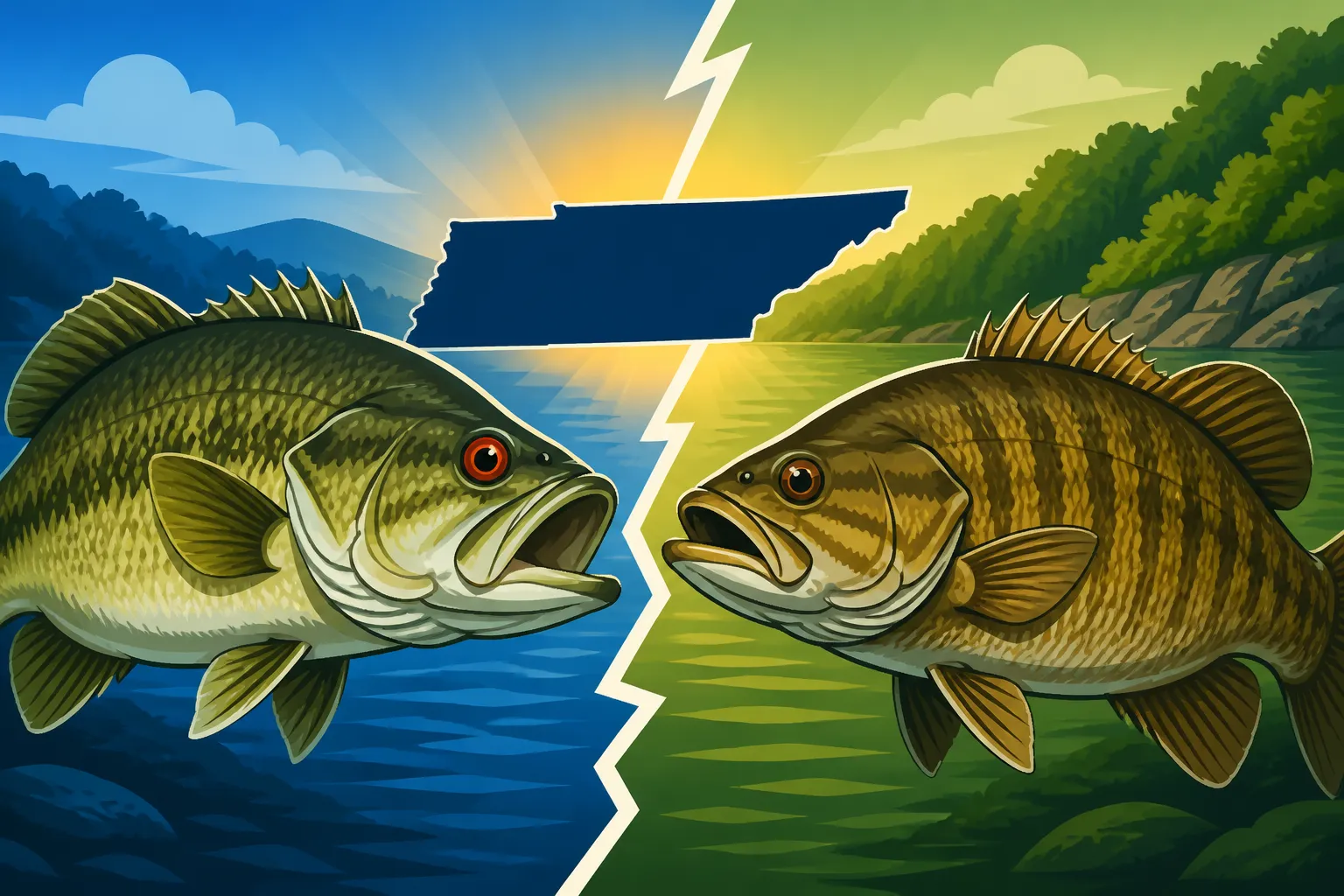
- The Eye: This is the most famous, hence the name! Redeye bass often have a distinct reddish-orange tint to the iris of their eyes. Now, here's the kicker: this isn't always super prominent, especially if the fish is stressed, in murky water, or if the light isn't just right. So, while it's a good indicator, don't rely on it as the only one. Sometimes, you'll need to hold the fish gently in good light to really see it.
- Dorsal Fin: Take a look at the two dorsal fins on its back. The spiny front fin and the soft-rayed back fin are typically connected by a very shallow notch. It's almost a continuous fin, unlike some other bass species.
- Jaw Length: Observe where the back of the jaw bone (the maxilla) extends relative to the eye. On a redeye bass, the jaw typically does not extend past the back edge of the eye. It's a shorter jaw compared to, say, a largemouth bass.
- Tongue Patch: This is a fantastic, often overlooked identifier! Gently open the fish's mouth and feel its tongue. Redeye bass usually have a small, rough patch of teeth on their tongue. Run your finger over it (carefully, of course!), and you'll feel the difference.
- Coloration and Pattern: Redeye bass tend to have a more vibrant, almost iridescent coloration, often with prominent dark spots along their lower flanks. These spots can sometimes form horizontal rows. Their overall body color might lean more towards a greenish-bronze. The tail fin can sometimes have a noticeable reddish edge, too. These fish are genuinely beautiful, showcasing a kaleidoscope of greens, golds, and reds when pulled from clear water.
Spotting that "red eye" can be tricky. I've been on streams where the water has a slight tannin stain, making it harder to discern. Or maybe you're out on a bright, sunny day, and the glare washes out the color. It takes practice, and sometimes a momentary gentle capture to confirm, but focusing on the other features like the dorsal fin and tongue patch will really nail it down.
Smallmouth Bass Distinctive Features
Tennessee's state fish, the smallmouth bass, is a formidable fighter and a favorite among many anglers. Here's how you can distinguish it from its redeye cousin:
- The Eye: Smallmouth bass typically have eyes that range from brown to amber, lacking that reddish tint often found in redeye bass. This can be a very clear differentiator when you see it side-by-side.
- Dorsal Fin: Unlike the redeye, the smallmouth bass has a more pronounced, deeper notch separating its spiny dorsal fin from its soft-rayed dorsal fin. You can clearly see the division between the two sections. It's a distinct "valley" between the spiny front and soft back.
- Jaw Length: The jaw of a smallmouth bass generally extends to about the middle of the eye, or sometimes just slightly beyond, but typically not past the back edge of the eye. This is very similar to the redeye, which makes relying solely on jaw length challenging when comparing these two.
- Tongue Patch: This is another key difference! If you feel the tongue of a smallmouth bass, it will typically be smooth, without the rough patch of teeth found on a redeye. This is one of the most reliable internal indicators.
- Coloration and Pattern: Smallmouth bass often have a more subdued bronze or brownish overall body color. They are characterized by vertical bars or blotches along their sides, which can be very distinct or quite faint depending on water clarity, diet, and the specific environment. Their dorsal and caudal (tail) fins are usually dusky or dark, without the reddish tints sometimes seen on redeye. They are incredible at camouflaging themselves against rocky bottoms and structures, which is where those vertical bars really help them blend in.
While both species can exhibit variations in their coloration based on their diet, water clarity, and the amount of sunlight they receive, the structural differences in their fins and the presence or absence of a tongue patch are generally consistent. Don't be fooled if a smallmouth has faint spots, or if a redeye seems less vibrant; focus on those anatomical details. If you're really stumped, a quick, gentle feel of the tongue (if you're comfortable with it) can provide immediate confirmation.
Habitat and Range in Tennessee: Where Each Thrives
Understanding where these fish prefer to live is another crucial piece of the puzzle. While there might be some overlap, they generally gravitate toward different environments within Tennessee's diverse waterways. Knowing their preferred "neighborhoods" can help you anticipate which species you're likely to encounter.
Redeye Bass Preferred Environments
Redeye bass in Tennessee are generally found in the eastern part of the state, particularly within the upper reaches and tributaries of the Tennessee River system. They are true stream and river specialists. Think clear, cool, flowing water with a good current.
Their ideal home often looks like this:
- Cool, Clear Streams: Redeye bass absolutely thrive in smaller to medium-sized rivers and creeks that maintain cooler temperatures and excellent water clarity. These aren't the murky, slow-moving rivers of the flatlands.
- Rocky and Gravel Bottoms: They love structure! You'll find them holding tight to rocks, boulders, gravel beds, and ledges, often in riffles, runs, and the pools immediately below them.
- Good Current: Unlike largemouth bass that prefer still or slow-moving water, redeyes actively position themselves in current breaks to ambush prey. Look for them behind large rocks, submerged logs, or along the edges of faster flows.
- Headwater Areas: They are often found higher up in river systems, closer to the headwaters, where the water is cleanest and coolest. For instance, streams flowing into Watts Bar Lake or Chickamauga Lake in the upper Tennessee River basin might hold populations.
If you're exploring a pristine, unpolluted mountain stream with plenty of current and visible rocky structure, especially in East Tennessee, you're in prime redeye territory. They aren't as widespread across the entire state as smallmouth are, making them a more localized, and arguably, a more special catch. You often have to work a bit harder to reach their remote hideouts, but the reward is a beautiful, hard-fighting fish in an equally beautiful setting.
Smallmouth Bass Preferred Environments
Tennessee is renowned for its smallmouth bass fishing, and for good reason! This species is one of the official state fish, celebrated for its aggressive fight and widespread distribution. Smallmouth are much more adaptable than redeye bass, occupying a broader range of habitats.
You'll find smallmouth bass thriving in:
- Large, Clear Rivers: Rivers like the Cumberland River, the Hiwassee River, and sections of the Tennessee River offer excellent smallmouth habitat, especially where there's good current and rocky structures. They often share these waters with their largemouth cousins, but will stick to the faster, rockier sections.
- Cool, Deep Reservoirs: Many of Tennessee's iconic reservoirs are smallmouth havens. Think of the deep, clear waters of Dale Hollow Lake, Norris Lake, Center Hill Lake, and Pickwick Lake. These lakes often feature extensive rocky bluffs, deep points, ledges, and submerged timber, all of which smallmouth adore. You can explore Best Rivers for Smallmouth Bass Fishing in Tennessee for more specific locations.
- Rocky Structure is Key: Whether in a river or a reservoir, smallmouth bass are almost invariably associated with rocks. Boulders, gravel bars, riprap, ledges, and rocky points are their go-to spots. They use this structure for ambush points, protection, and spawning.
- Clear, Oxygenated Water: Like redeye, smallmouth prefer clear water. They are sight feeders and rely on good visibility to hunt. While they can tolerate some turbidity, they truly excel in clear conditions.
Smallmouth bass are more widely distributed throughout Tennessee than redeye bass. If you're fishing one of the major reservoirs or larger rivers with significant rock structure, chances are you're in smallmouth country. You can find them from the bank or by boat, making them accessible to a wide range of anglers. For more on where these incredible fish make their home, check out Where Do Smallmouth Bass Live in Tennessee?.
Behavior and Diet: What Makes Them Tick (and Bite)
Understanding what each bass species eats and how they go about getting their meals is incredibly useful for anglers. It directly influences your bait selection, presentation, and where you choose to cast your line. While both are predatory fish, their preferred hunting grounds lead to some distinct dietary and behavioral patterns.
Redeye Bass Foraging Habits
The redeye bass is a lean, mean, stream-dwelling machine, and its diet reflects its environment. They're not usually chasing large schools of shad in open water like a big smallmouth might. Instead, they're focused on the bounty their specific stream habitat provides.
Here's what you can expect from a redeye's menu and habits:
- Insectivorous Tendencies: Redeye bass have a strong preference for insects, both aquatic and terrestrial. This means everything from hellgrammites, stonefly nymphs, and caddisfly larvae found under rocks, to grasshoppers, beetles, and cicadas that fall into the water from overhanging branches. Fly anglers often have great success matching the local insect hatch.
- Smaller Baitfish and Crawfish: While insects are a staple, they will absolutely target small minnows, darters, and particularly small crawfish that scuttle along the stream bottom. They're opportunistic, but they're not typically going after a 6-inch shad.
- Ambush Predators in Current: Redeye bass are masters of using current breaks and stream structure to their advantage. They'll hold behind a boulder, a submerged log, or in a deeper pool, waiting for food to drift by or for an unsuspecting minnow to swim too close. Their strikes can be surprisingly aggressive for their size, a testament to their energy.
- More Subtle Takes: Compared to the often violent strike of a smallmouth, a redeye's bite can sometimes be more subtle, a gentle tug or simply a sudden heaviness on the line, especially if they're feeding cautiously on nymphs. This often requires lighter tackle and a more sensitive touch to detect.
If you're fishing a small stream and noticing a lot of insect activity, or if you flip over a rock and find crawfish, you're on the right track for understanding a redeye's diet. Their smaller size and stream habitat mean they rarely consume the larger prey items that larger smallmouth and largemouth bass might.
Smallmouth Bass Feeding Strategies
Smallmouth bass are famously aggressive, powerful predators, earning them the nickname "bronzebacks." Their diet is varied and robust, allowing them to thrive in both riverine and reservoir environments. They are willing to chase down a meal, making them a thrilling target for anglers.
What you'll find on a smallmouth's plate and how they hunt:
- Crawfish, Crawfish, Crawfish! If there's one food source synonymous with smallmouth bass, it's crawfish. These crustaceans are a primary food item across their range, and smallmouth will relentlessly hunt them on rocky bottoms. Imitating a crawfish is a surefire way to get a smallmouth's attention.
- Abundant Baitfish: Smallmouth are highly piscivorous, meaning they eat a lot of fish. Shad, alewives, shiners, minnows, and juvenile panfish are all fair game. In reservoirs, they'll often key in on schools of baitfish, pushing them to the surface in spectacular feeding frenzies.
- Opportunistic Insects and Amphibians: While not their primary diet, smallmouth will also eat larger aquatic insects (like hellgrammites) and even small frogs or salamanders if the opportunity arises. They're not picky when they're hungry.
- Aggressive Chasers and Ambushers: Smallmouth are known for their powerful, explosive strikes. They will chase lures, often following them right to the boat, and are formidable fighters once hooked. They use both ambush tactics, holding near structure, and active pursuit to catch their prey. Their willingness to attack moving baits makes them a blast to catch.
- Seasonal Shifts: Smallmouth diet can shift with the seasons. In colder water, they might be more inclined to feed on crawfish or slow-moving baitfish on the bottom. In warmer months, they'll actively chase faster-moving lures and topwater presentations. For tips on tempting them in cooler conditions, check out Best Bait for Smallmouth Bass in Cold Water.
The smallmouth bass's diverse diet and aggressive nature make it a fantastic sport fish. They respond well to a wide array of artificial lures and live baits, making them a rewarding species to pursue for anglers of all skill levels. Their hunting prowess is legendary in Tennessee fishing circles, and once you feel that powerful tug, you'll understand why.
Fishing Techniques and Regulations: Tailoring Your Approach
Knowing the differences between redeye and smallmouth bass extends directly to how you fish for them and the rules you need to follow. Using the right techniques for the right species, and understanding the nuances of regulations, will make you a more ethical and successful angler.
Best Practices for Redeye Bass
Fishing for redeye bass is often a more delicate affair, usually requiring a lighter touch and finesse. Their preferred stream habitats and generally smaller size dictate a different approach than bombing a big crankbait across a reservoir.
Here’s how to best target these stream gems:
- Lighter Tackle is Key: Opt for ultralight or light spinning gear. A 5 to 6-foot ultralight rod with a small spinning reel spooled with 4-6 pound test line (monofilament or fluorocarbon) is usually perfect. This allows for accurate casting in tight quarters and sensitivity to detect subtle bites.
- Small Lures and Baits: Think small! Tiny inline spinners (like Panther Martins or Mepps), small crankbaits that mimic crawfish or minnows (1-2 inches), small plastic grubs on light jig heads (1/16 to 1/8 ounce), or even small natural baits like worms or crickets are highly effective.
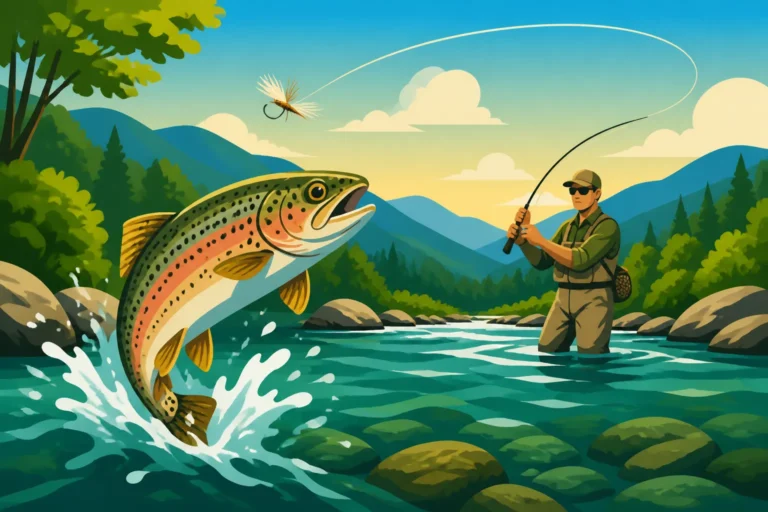
- Fly Fishing Heaven: Redeye bass are a dream for fly anglers. Matching the hatch with dry flies, nymphing with imitations of aquatic insects, or stripping small streamers can be incredibly productive and rewarding in their clear stream habitats.
- Precision Casting and Stealth: You'll often be casting into specific pockets, behind rocks, or along current seams. Accuracy is crucial. Also, approaching their pristine streams stealthily, keeping a low profile, and avoiding heavy footsteps will prevent spooking these often wary fish.
- Careful Handling: Redeye bass, while hardy, are often found in relatively undisturbed habitats. Practice proper catch and release techniques. Minimize their time out of the water, handle them with wet hands, and release them gently back into the current.
Fishing for redeye bass is a truly immersive experience, connecting you with the wild beauty of Tennessee's smaller streams. The challenge of finding them and enticing a bite on light tackle is a huge part of the fun. You can even find specialized ultralight spinning rods perfect for this on Amazon, making it easy to gear up for your next stream adventure.
Best Practices for Smallmouth Bass
Fishing for smallmouth bass offers a much broader range of techniques, reflecting their wider distribution and aggressive nature. Whether you're in a big reservoir or a fast-flowing river, there's a smallmouth strategy for you.
Here are some tried-and-true methods for hooking into Tennessee's bronze beauties:
- Versatile Tackle: Medium-light to medium-heavy spinning or baitcasting gear works best. Rods from 6'6" to 7'6" are common, paired with reels spooled with 8-12 pound test fluorocarbon or monofilament, or even heavier braided line in certain situations.
- Varied Lure Selection: Smallmouth hit almost anything! Topwater lures (poppers, walking baits) are incredible at dawn and dusk. Crankbaits (shallow-divers for rivers, deep-divers for reservoirs), spinnerbaits, jerkbaits, and swimbaits are all excellent for covering water.
- Soft Plastics and Jigs: Grubs, tubes, Ned Rigs, and shaky head jigs are phenomenal for targeting smallmouth around rocky structure. These allow for a slower, more deliberate presentation that often mimics a crawfish or a stunned baitfish. Many anglers swear by green pumpkin or natural crawfish colors. For fishing specific, challenging structures, exploring tips like How to Catch Smallmouth Bass in Rocky Streams can be incredibly helpful.
- Live Bait: For those who prefer it, live bait like shiners, crawfish, or large minnows can be deadly for smallmouth, especially in colder water or when they're less aggressive.
- Boat or Bank: Smallmouth can be caught effectively from both boats and the bank, depending on the waterway. On reservoirs, boats allow you to reach offshore structures, while in rivers, bank access or wading can be highly productive.
- Aggressive Fighting Fish: Be ready for a fight! Smallmouth are known for their strong runs, aerial acrobatics, and powerful dives. Ensure your drag is set correctly, and enjoy the battle.
Smallmouth bass fishing in Tennessee can be as simple as a bobber and a worm or as complex as high-tech electronics and precision boat positioning. The thrill of the strike and the fierce fight they put up make them a perennial favorite. For all your gear needs, from rods to reels and a huge selection of lures, Amazon is always a convenient place to browse.
Regulatory Differences and Catch Limits
This is where correct identification becomes paramount. While both redeye and smallmouth fall under the general "bass" category, Tennessee fishing regulations can differentiate between them, particularly when it comes to specific water bodies or statewide limits for various bass species.
Here's what you need to keep in mind:
- Statewide Bass Limits: Tennessee typically has a statewide daily creel limit for black bass (which includes largemouth, smallmouth, and spotted bass) of 5 fish per day in any combination. However, there are often specific size restrictions within that limit. For smallmouth, for example, there's a statewide limit of 5 fish per day, and often only one smallmouth over a certain length (e.g., 16 inches) may be kept. For more details, consult Tennessee's Smallmouth Bass Limit Explained.
- Redeye Bass Specifics: Redeye bass are often included in the general "black bass" limits, but because they are less common and often smaller, they are not typically singled out with unique, stricter regulations statewide. However, certain local streams or Wild Trout/Wild Bass management areas might have specific rules for all bass species that could apply.
- Water Body Specific Regulations: This is the most critical point. Many lakes and rivers in Tennessee have special regulations that override the statewide defaults. A particular lake might have a slot limit for smallmouth bass or a different size restriction that wouldn't apply to a redeye. Always, always check the current Tennessee Wildlife Resources Agency (TWRA) regulations for the specific waterbody you plan to fish before you go. This information is usually available online and in physical guidebooks. For a general overview of seasonal changes, you can refer to Tennessee Fishing Season and Catch Limits.
- Trout Waters: Be particularly careful when fishing streams that are designated as trout waters. While you might catch a redeye or smallmouth, these areas often have very strict tackle and harvest regulations primarily designed for trout, which bass anglers must also adhere to.
Remember, ignorance of the law is no excuse. Always consult the official TWRA regulations before your fishing trip to ensure you're compliant with all creel and size limits for the species you intend to catch.
Preserving Tennessee's Bass Fisheries: Angler Responsibility
As anglers, we all have a vital role to play in ensuring that Tennessee's incredible bass fisheries remain healthy and vibrant for future generations. This isn't just about following rules; it's about being a good steward of our natural resources, appreciating the delicate balance of ecosystems, and doing our part to protect the fish we love to pursue.
Catch and Release for Future Generations
While keeping a legal limit of fish for a delicious meal is certainly part of the fishing experience, practicing proper catch and release is paramount, especially for prized sport fish like smallmouth bass and the more localized redeye bass. These fish often face significant fishing pressure, and returning them safely to the water helps maintain healthy populations and ensures that others can enjoy the same thrilling catches.
Here are some best practices for catch and release:
- Minimize Fight Time: Bring the fish in as quickly as possible without overstressing your tackle. A prolonged fight exhausts the fish and increases its recovery time.
- Use Barbless Hooks (or Crimp Barbs): Barbless hooks greatly reduce tissue damage and make hook removal much easier and faster.
- Wet Your Hands: Always handle fish with wet hands. Dry hands can remove the fish's protective slime coat, making it vulnerable to disease.
- Support the Fish: When holding a fish, especially larger smallmouth, support its body horizontally. Avoid holding it solely by the jaw (lip-locking) in a vertical position, as this can damage its jaw and internal organs.
- Quick Hook Removal: Use needle-nose pliers or a hook remover to quickly and gently extract the hook. If the hook is deeply embedded, it's often better to cut the line as close to the hook as possible rather than tearing tissue.
- Resuscitation: If a fish appears lethargic, hold it upright in the water, facing into the current (if present), and gently move it back and forth to force water over its gills. Release it only when it can swim away under its own power.
By adopting these practices, you significantly increase the survival rate of released fish, ensuring that those magnificent smallmouth and vibrant redeye bass live to fight another day and spawn more fish for years to come.
Respecting Unique Habitats
The habitats that redeye and smallmouth bass call home are often incredibly beautiful and, in the case of redeye, quite delicate. These clear, cool streams and expansive reservoirs are not just fishing grounds; they are complex ecosystems that support a wide array of wildlife. Our actions as anglers can have a direct impact on these environments.
Consider these points to be a better environmental steward:
- Leave No Trace: Pack out everything you pack in. This includes old fishing line, bait containers, snack wrappers, and anything else. Litter degrades habitats and can harm wildlife.
- Protect Riparian Zones: When fishing streams, be mindful of the stream banks and the vegetation along them (the riparian zone). This vegetation helps stabilize banks, filter runoff, and provide shade and insect life to the stream. Avoid trampling plants or contributing to erosion.
- Prevent Invasive Species: Clean, Drain, Dry! Always clean your boat, waders, and fishing gear thoroughly before moving between different water bodies. This prevents the spread of invasive species like zebra mussels or certain aquatic plants that can devastate native ecosystems.
- Understand Water Quality: Appreciate that the clear water these bass thrive in is a precious resource. Avoid introducing pollutants, and be aware of anything that might impact water quality. Supporting conservation efforts and organizations that protect water resources benefits all fish and wildlife.
- Observe, Don't Disturb: While fishing, take a moment to appreciate the surrounding nature. Observe the wildlife, listen to the sounds, and understand that you are a visitor in their home. Minimize disturbance to ensure these areas remain pristine.
By being mindful of our impact and actively contributing to conservation, we can help ensure that Tennessee's waters remain a haven for redeye bass, smallmouth bass, and all the incredible biodiversity that makes this state a true angler's paradise. It's a shared responsibility that, when embraced by the entire fishing community, yields immense benefits for everyone.
Here's a quick comparison table to help you keep those key features straight:
| Feature | Redeye Bass (Coosa Bass) | Smallmouth Bass |
|---|---|---|
| Eye Color | Often has a reddish-orange tint to the iris | Typically brown or amber eyes, no reddish tint |
| Dorsal Fin | Spiny and soft-rayed fins connected by a shallow notch | Spiny and soft-rayed fins separated by a deeper, distinct notch |
| Jaw Length | Typically does not extend past the back edge of the eye | Typically extends to or slightly past the middle of the eye, but not usually past the back edge of the eye |
| Tongue | Usually has a small, rough patch of teeth | Tongue is typically smooth |
| Body Pattern | More vibrant, often pronounced dark spots on lower flanks; sometimes horizontal rows | More subdued, often vertical bars or blotches on sides |
| Preferred Habitat | Clear, cool, faster-flowing small streams/creeks, rocky/gravel bottoms, Eastern TN | Large, clear rivers and cool, deep reservoirs, rocky structure, widespread in TN |
| Common Size | Generally smaller (under 2 lbs typical) | Can grow much larger (2-5+ lbs common) |
Disclaimer
This article is for general informational purposes only and does not constitute professional advice. Laws, prices and regulations vary by location and change over time. Consult a qualified professional for guidance on your specific situation.