Best Bait for Smallmouth Bass in Cold Water
There's a unique frustration that washes over you when the air gets crisp and the water temperatures plummet, yet you're still chasing that thrill of a smallmouth bass fight. Many anglers pack up their gear for the winter, assuming the smallmouth simply disappear. But that's just not true! They're still there, just a lot pickier. This guide is all about equipping you with the knowledge and the best baits to entice those hard-fighting smallmouth bass even when the water is cold enough to make your teeth chatter, focusing specifically on their behavior and preferred offerings during Tennessee's chillier months.
Understanding Smallmouth Bass in Cold Water
When the mercury drops, fish don't just vanish; they adapt. Smallmouth bass, known for their aggressive strikes in warmer weather, become far more lethargic, conserving energy. Understanding this fundamental shift is crucial for any angler hoping to find success when the water dips below 50 degrees Fahrenheit. It’s a completely different ballgame than fishing during the Tennessee Smallmouth Bass Fishing Season peaks.
How Cold Water Affects Metabolism and Activity
Think of smallmouth bass in cold water like a person trying to stay warm on a chilly day – they slow down, they move less, and they certainly don't exert unnecessary energy. The biological reality is that fish are cold-blooded, meaning their body temperature mirrors that of their environment. As water temperatures fall, their metabolism slows significantly. This means they digest food much slower and don't need to eat as frequently. They become less inclined to chase fast-moving prey over long distances. Instead, they're looking for an easy, high-calorie meal that requires minimal effort to ambush or consume.
This metabolic slowdown directly impacts their activity levels. You won't see them as active in shallow water, nor will they typically be schooling in vast, open areas chasing baitfish schools. Instead, they’ll gravitate towards more stable, often deeper, environments where the temperature fluctuates less. Their strike zones shrink dramatically, meaning your bait needs to be practically on their nose to provoke a reaction. This is where patience becomes your most valuable asset, as the bites can be incredibly subtle, feeling more like a slight pressure or weight than a characteristic thump. It's a prime example of How Water Temperature Affects Fish Activity.
Key Holding Structures in Winter and Early Spring
During the colder months, smallmouth bass seek out thermal refuge and areas that offer protection from currents and predators, while also providing ambush points for their infrequent feeding forays. Think about where warmth and stability might be found, even in subtle ways. Deep water is almost always a key player because it maintains a more consistent temperature than shallow water. Look for deep points, ledges, humps, and channel swings. These areas offer access to both shallow and deep water, allowing smallmouth to move vertically with minor temperature shifts or changes in baitfish presence.
Beyond depth, structure is paramount. Rocky bottom is a smallmouth haven year-round, but it becomes even more critical in cold water. Large boulders, rock piles, riprap banks, and even chunk rock provide excellent ambush points and shelter. These rocky areas can also absorb and radiate a tiny bit more warmth from the sun, creating microclimates that smallmouth appreciate. Don't overlook submerged timber, brush piles, or old roadbeds, especially if they are located near deeper channels. These structures break up current, provide cover, and often hold baitfish, making them prime real estate for sluggish smallmouth. For instance, How to Catch Smallmouth Bass in Rocky Streams explores specific techniques for these types of environments, which become even more pertinent in cold conditions. Understanding Where Do Smallmouth Bass Live in Tennessee? can give you a head start on pinpointing these cold-water sanctuaries.
Top Baits for Tempting Cold Water Smallmouth
When smallmouth bass are lethargic and hunkered down in cold water, your bait selection becomes incredibly important. You need something that can be fished slowly, mimics their natural prey, and triggers a reaction bite without requiring the fish to expend much energy. Forget your fast-moving topwaters or highly erratic cranks for now; it's time to get subtle and deliberate.
Jigs: The King of Cold Water
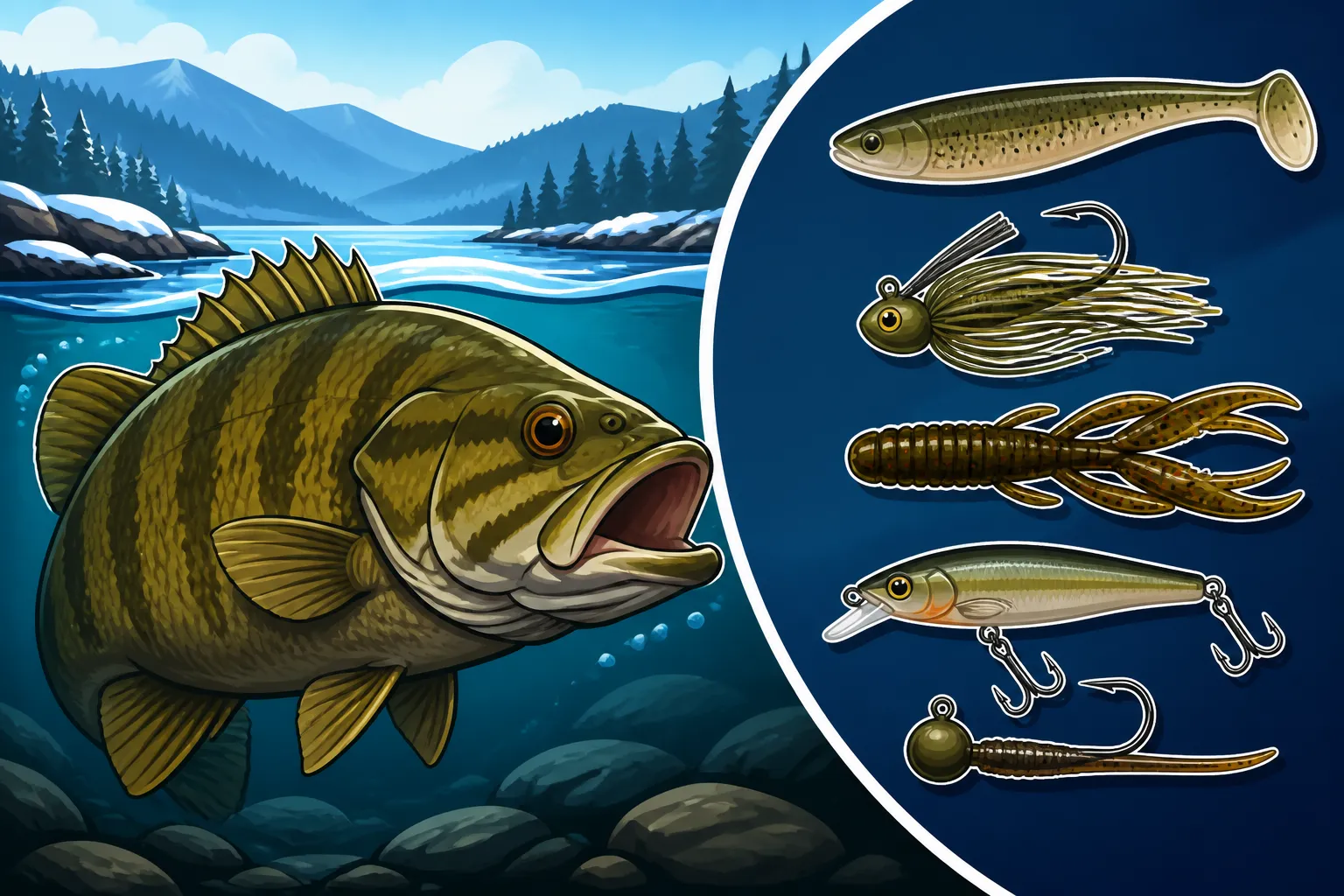
If there's one bait that consistently shines for cold water smallmouth, it's the jig. Whether it's a hair jig, a football jig, or a finesse jig, these versatile offerings can be worked slowly along the bottom, mimicking crawfish or sluggish baitfish. The key is their ability to stay in the strike zone for extended periods.
- Hair Jigs: These are often underestimated but incredibly effective. Their natural pulsations and subtle movements in the water are irresistible to cold-stunned smallmouth. Think about colors like black, brown, olive, or grey. You can fish them with a very slow drag, a gentle hop, or even just letting them sit motionless on the bottom. A popular retrieve involves casting out, letting it sink to the bottom, then barely twitching your rod tip to make the hair "breathe" before letting it settle again. The smaller sizes, like 1/8 to 1/4 ounce, are often best, particularly when paired with light line.
- Football Jigs: For fishing deeper ledges, humps, and gravel flats, football jigs excel. Their wide head helps them stand up on the bottom, making them less prone to snagging in rocks and giving the trailer a more natural, defensive posture. Pair them with a small, compact craw or creature bait trailer in dark colors like green pumpkin, brown, or black and blue. A slow dragging retrieve is usually best, allowing the jig to tick along the bottom.
- Finesse Jigs: When the bite is really tough, or you're fishing clear, heavily pressured waters, a finesse jig becomes invaluable. These are typically smaller, lighter jigs, often paired with tiny plastic trailers that offer minimal action. They imitate smaller crawfish or even sculpins, common cold-water forage. Fishing them on spinning gear with light fluorocarbon line allows for maximum sensitivity to detect those often imperceptible cold water bites. You can find a fantastic selection of these options on Amazon, making it easy to stock up for your next trip.
Jerkbaits: Mimicking Stunned Prey
Jerkbaits might seem like an aggressive bait for cold water, but they are incredibly effective when fished with long pauses. The suspending nature of many jerkbaits allows them to hang motionless in the water column right in a smallmouth's face, imitating a dying or stunned baitfish—an irresistible, easy meal. This is a classic Winter Bass Fishing Techniques approach.
- Suspending Models: The critical feature for cold water jerkbaits is their suspending ability. This means they float neither up nor down when you pause them, staying at the depth you worked them to. This prolonged hang time is what drives cold water smallmouth crazy. They can approach the bait, study it, and then commit without having to chase.
- Slow, Deliberate Cadence: The retrieve should be anything but fast. Cast it out, reel it down to its maximum depth, then give it one or two gentle jerks, followed by a long pause. How long? Sometimes 5, 10, or even 20 seconds. Seriously. Experiment with the pause duration until you figure out what the fish want that day. The colder the water, generally the longer the pause.
- Natural Colors: In clear cold water, natural baitfish patterns like chrome, clear blue, or subtle shad colors tend to perform best. If the water has a bit more stain, go for something with a little more flash or contrast. Brands like Rapala and Lucky Craft offer excellent suspending jerkbaits that are well-regarded for this technique.
Blade Baits and Underspins: Flash and Vibration
Sometimes, even sluggish smallmouth need a little extra something to provoke a strike. That's where blade baits and underspins come into play, offering a unique combination of flash, vibration, and a compact profile.
- Blade Baits: These thin, metal lures sink quickly and emit a strong vibration when lifted or reeled. This vibration can call in fish from a distance, even in murky or deep water. The key to cold water success with blade baits is a vertical presentation or a very slow lift-and-drop retrieve. Cast it out, let it sink to the bottom, then lift your rod tip slowly to make it vibrate, and let it fall back on a semi-slack line. Most bites happen on the fall. Sizes from 1/4 to 1/2 ounce are typical. Colors like silver, gold, or even firetiger in stained water can be very effective. This method is particularly useful when you're targeting How to Fish Deep Structure for Bass in Winter.
- Underspins: An underspin is essentially a jig head with a small spinner blade attached beneath it, typically dressed with a soft plastic swimbait or grub. The blade provides a subtle flash and vibration, while the soft plastic offers a natural profile. These baits are excellent for imitating small baitfish that might be schooling or lethargic in cold water. You can fish them with a slow, steady retrieve along drop-offs or over humps, or even yo-yo them vertically. The flash from the blade can be a key trigger when the fish aren't actively biting anything else. Match the swimbait size to local forage, often 2-3 inches, in colors like shad, bluegill, or natural white.
Live Bait: When All Else Fails
While artificial lures offer a sporting challenge, sometimes nothing beats the real thing, especially when the smallmouth are extremely finicky in cold water. Live bait provides the ultimate natural presentation, scent, and movement that can often trigger strikes when all else fails.
- Minnows: Small shiners, fathead minnows, or even creek chubs are fantastic options for cold water smallmouth. Rig them on a small jig head, a simple hook under a slip bobber, or even a drop shot rig. Presenting them near deep structure, such as rock piles or submerged timber, where smallmouth are likely to be holding, is crucial. The natural swimming action and scent are incredibly attractive to inactive fish.
- Crawfish: Smallmouth love crawfish, and in cold water, crawfish are often sluggish and easy prey. If you can find live crawfish, rig them on a simple jig head or a Carolina rig. Crawl them slowly along the bottom near rocks and ledges. The natural movement and scent are often irresistible.
- Worms: While not as common for smallmouth as for largemouth, a live nightcrawler or redworm can sometimes entice a bite from a truly reluctant smallmouth, especially if presented very slowly on a finesse rig like a drop shot or wacky rig. The natural scent and squirming action can be just enough to provoke a strike. Remember, even with live bait, a slow, deliberate approach is key. You're not looking for aggressive chases, but rather a subtle take from a fish that's just looking for an easy meal.
Here's a quick comparison of these top cold water baits:
| Bait Type | Best Presentation | Ideal Conditions | Pros | Cons |
|---|---|---|---|---|
| Hair Jigs | Slow drag, subtle hop, deadstick | Clear, very cold water, rocky bottom | Extremely subtle, natural movement, low snagging | Can be light, hard to feel bites, not for deep water |
| Football Jigs | Slow drag, bottom contact | Deeper ledges, humps, gravel | Stands up, good feel, less snagging in rocks | Less subtle than hair jigs |
| Finesse Jigs | Slow drag, twitch, hover | Clear, pressured water, light bites | Very subtle, excellent for lethargic fish | Requires light tackle, very sensitive feel |
| Suspending Jerkbaits | Jerk-jerk-long pause | Open water over structure, clear water | Long hang time, triggers reaction strikes | Can be expensive, requires specific retrieve |
| Blade Baits | Lift-drop, vertical jigging | Deep water, calling fish in | Strong vibration, fast sink, good in low light | Can snag easily, less natural appearance |
| Underspins | Slow retrieve, subtle flash | Open water, targeting schooling bait | Flash and vibration, versatile with plastics | Less subtle than jigs |
| Live Minnows | Free-lined, slip bobber, drop shot | Any cold water, very tough bites | Natural movement, scent, irresistible | Maintenance, can be delicate, less "sporting" |
Mastering the Presentation for Cold Water Success
Having the right bait is only half the battle. How you present that bait in cold water is arguably even more important. Smallmouth bass are not actively hunting, so your presentation needs to cater to their lethargic state. It requires patience, a light touch, and a keen understanding of their movements.
Slow and Low: The Golden Rule
This is perhaps the single most important piece of advice for cold water smallmouth fishing. Forget speed; embrace the crawl. Your bait needs to be moving at a snail's pace, often barely off the bottom, or even sitting completely still for extended periods. The idea is to keep the bait in the strike zone as long as possible, giving the sluggish smallmouth ample time to spot it, approach it, and eventually commit.
- Bottom Contact: Most cold water smallmouth will be hugging the bottom or very close to deep structure. Your jigs, blade baits, and even jerkbaits (when fished near ledges) need to be making consistent contact or hovering just above these areas. This often means using heavier line or lighter baits to ensure you're getting down to where the fish are.
- Exaggerated Pauses: Don't be afraid to pause your retrieve for what feels like an eternity. With jerkbaits, a 10-20 second pause is not uncommon. For jigs, let them sit on the bottom for 5-15 seconds between bumps or drags. These extended pauses are when many cold water bites occur, as the fish slowly approaches and finally inhales the motionless offering. It's a critical component of How to Adjust Your Technique After a Cold Front or during prolonged cold snaps.
- Minimal Action: Think subtle twitches, not aggressive rips. With plastics on a jig, a slight shake of the rod tip to make the appendages quiver might be all it takes. With a hair jig, just the natural current creating movement is often enough. The goal is to imitate a dying, struggling, or very slow-moving prey item, not a healthy, fleeing one.
Reading the Water for Subtle Cues
Cold water smallmouth fishing is often less about seeing active fish and more about understanding the subtle cues the environment provides. You have to become a detective, looking for clues that indicate where these elusive bronze backs might be hiding.
- Temperature Gradients: Even a one or two-degree difference in water temperature can concentrate fish. Look for areas where warmer water might collect, such as sunny, deep, rock walls, or inlets where slightly warmer runoff enters. Your boat's electronics, or even a simple hand-held thermometer, can be invaluable here.
- Baitfish Schools: While smallmouth won't be actively chasing baitfish as much, the presence of baitfish on your sonar is always a good sign. Smallmouth will often position themselves below or around these schools, waiting for an easy opportunity. Even if the baitfish aren't actively being hunted, their presence means a food source is nearby.
- Current Seams: In rivers or reservoir tailwaters, smallmouth will often hold in current seams, where slower water meets faster water. This allows them to conserve energy while still having access to food brought by the current. Focusing your casts along these seams can be incredibly productive.
Importance of Rod, Reel, and Line for Sensitivity
Because cold water bites can be incredibly subtle—sometimes feeling like nothing more than a spongy weight or a slight tick—your gear setup for sensitivity is paramount. You need to feel everything.
- Sensitive Rods: A medium-light to medium power spinning rod with a fast or extra-fast action is ideal. Graphite rods are excellent for transmitting even the lightest bites. A rod in the 6'6" to 7'2" range offers a good balance of casting distance and control. Look for guides that allow for smooth line flow and a comfortable handle that lets you feel every vibration. For specific recommendations, check out Best Rods and Reels for Tennessee Smallmouth Bass.
- Smooth Reels: A high-quality spinning reel with a smooth drag and good line capacity is essential. The gear ratio isn't as critical in cold water since you're mostly retrieving slowly, but a reliable, smooth retrieve is important for fatigue and line management.
- Fluorocarbon Line: For leader material, fluorocarbon is your best friend. It's nearly invisible underwater, which is crucial in often clear cold water, and it has very little stretch, providing excellent sensitivity. You'll feel those subtle bites much better. Mainline can be braided line for maximum sensitivity and casting distance, with a fluorocarbon leader of 6-10 lb test, or you can use straight fluorocarbon for your main line in the 8-12 lb range, particularly for jigs and finesse presentations. The lack of stretch in fluorocarbon from brands available on Amazon helps you transmit even the lightest tap directly to your hands.
Tennessee's Diverse Cold Water Smallmouth Habitats
Tennessee offers a fantastic variety of fishing environments, and each one presents unique challenges and opportunities for cold water smallmouth bass. From the high mountain streams to the sprawling reservoirs, understanding these differences will help you tailor your approach and increase your chances of success. It’s not a one-size-fits-all approach, and knowing the specifics can make all the difference.
Mountain Streams vs. Large Reservoirs
The smallmouth experience in a pristine mountain stream is vastly different from targeting them in a massive Tennessee reservoir like Dale Hollow or Norris Lake.
- Mountain Streams: In places like the Great Smoky Mountains National Park or the headwaters of the Clinch River, smallmouth bass inhabit smaller, shallower, and often clearer waters. Here, cold temperatures mean the fish will be tucked into deep pools, behind large boulders, or under cut banks. The forage base might be smaller, consisting of sculpins, aquatic insects, and smaller minnows. When fishing these streams in cold conditions, you'll want to focus on micro-presentations. Small hair jigs (1/16 to 1/8 oz), tiny suspending jerkbaits (2-3 inches), or even small marabou jigs are excellent choices. Stealth is critical; approach carefully, make accurate casts to holding water, and keep your presentation slow and subtle. These environments are often where you'll find true wild Smallmouth Bass: Tennessee's Official State Fish.
- Large Reservoirs: Lakes like Dale Hollow, Pickwick, and Chickamauga offer vast expanses of water and much deeper holding areas. Smallmouth will often move to main lake points, steep bluffs, deep channel swings, and humps that offer access to stable deep water. Forage here typically includes larger shad, alewives, and crawfish. When fishing these reservoirs, your bait choices might skew slightly larger than in streams, but the "slow and low" rule still applies. Football jigs (1/4 to 1/2 oz), larger suspending jerkbaits (3-5 inches), blade baits for vertical presentations, and drop shots become paramount. Focus on using your electronics to find those key structures and baitfish concentrations in deeper water. Best Rivers for Smallmouth Bass Fishing in Tennessee also touches upon reservoir sections that resemble rivers, offering a mix of both challenges.
Tailwaters and Their Unique Challenges
Tennessee's many dam tailwaters, such as those below Norris Dam or Center Hill Dam, present their own distinct cold water fishing scenarios. These areas are characterized by cold, often oxygen-rich water released from the bottom of dams, which can maintain consistently chilly temperatures even when other parts of the lake or river warm up.
- Consistent Cold Temperatures: The water in tailwaters is typically much colder year-round, which means smallmouth in these areas are often adapted to these conditions. However, they can still become less active during extreme cold snaps. Focus on the slower moving sections, eddies, and deeper scour holes immediately below the dams. The smallmouth here often share habitat with trout, so baits that mimic trout forage can be effective.
- Current and Structure: Current is a major factor in tailwaters. Smallmouth will tuck into eddies, behind large rocks, or along current breaks to conserve energy. Position your boat or yourself (if wade fishing) to allow for a natural drift or precise presentation into these slack water areas. Jigs (especially hair jigs and smaller Ned rigs), blade baits, and tubes are excellent for presenting near the bottom in current.
- Food Availability: Tailwaters can be rich in food sources due to the constant flow. Dislodged insects, baitfish, and even stocked trout can become forage. Adjust your bait selection to match what's available. Sometimes, a tiny swimbait on an underspin or a small spoon can be deadly if the smallmouth are targeting specific baitfish. Always be mindful of changing water generation schedules, which can drastically impact fish location and bite windows. If you're wading, safety in these waters is paramount.
When you're out there, remember that catching smallmouth in cold water is a testament to patience and precision. It’s about slowing down, thinking like a fish, and presenting an irresistible offer right in front of them. The rewards, those hard pulls of a cold water bronze back, are absolutely worth the extra effort.
Disclaimer
This article is for general informational purposes only and does not constitute professional advice. Laws, prices and regulations vary by location and change over time. Consult a qualified professional for guidance on your specific situation.