Tennessee Smallmouth Bass Fishing Season
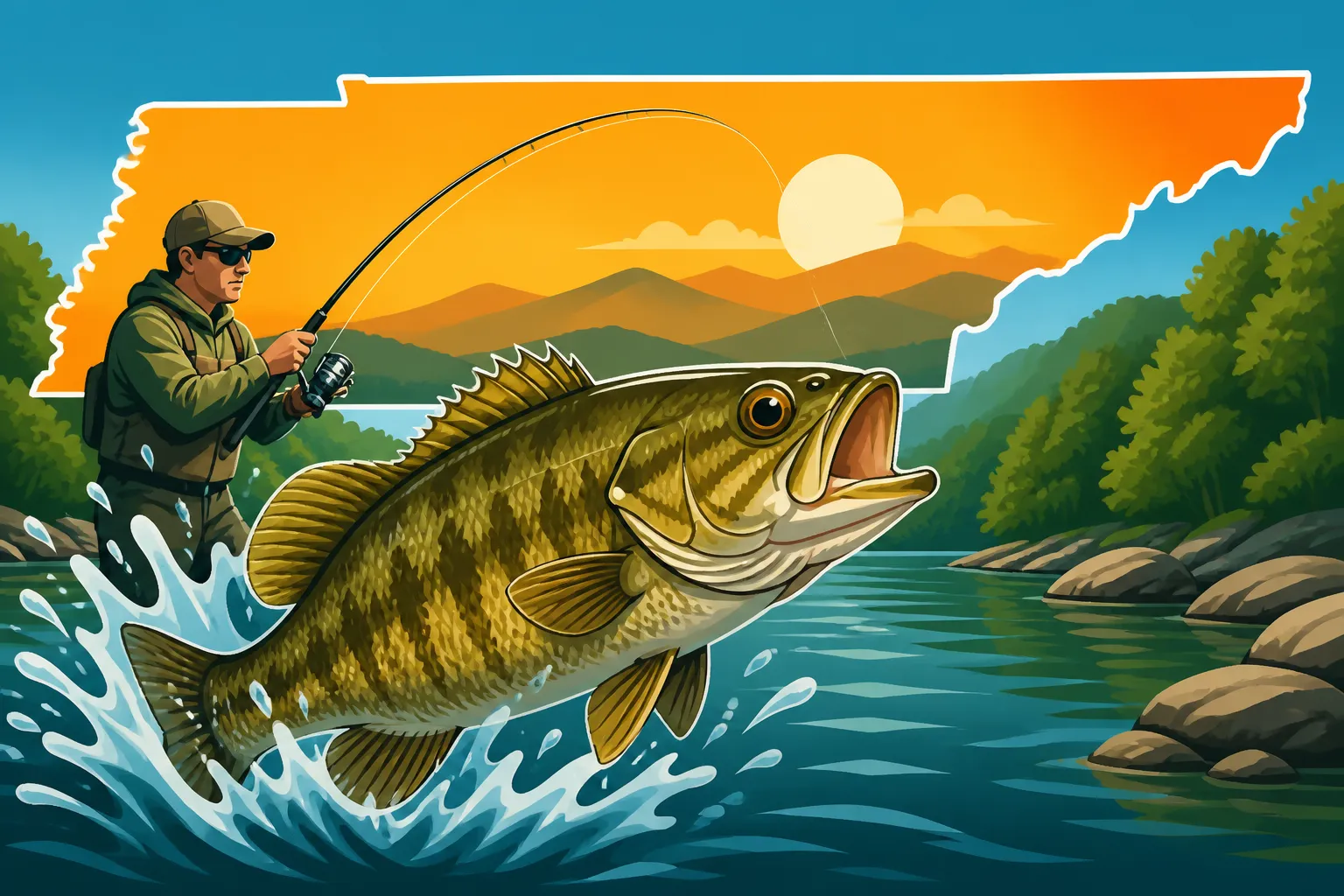
For many anglers in Tennessee, the smallmouth bass isn't just a fish; it's a challenge, a passion, and a true test of skill. But understanding when to target these bronze beauties – their specific fishing season and how their behavior changes throughout the year – can feel like deciphering an ancient riddle. This guide is here to untangle that mystery, providing a comprehensive look at the Tennessee smallmouth bass fishing season, helping you plan your trips for maximum success.
Understanding the Smallmouth Bass Season in Tennessee
Unlike some species with strict, calendar-based open and closed seasons, smallmouth bass in Tennessee can generally be pursued year-round. This "open season" approach is a huge plus for dedicated anglers, but it also means that simply knowing you can fish isn't enough. The real secret lies in understanding the nuanced shifts in their behavior, feeding patterns, and preferred habitats that occur with the changing seasons. Success hinges on adapting your strategies to what the smallmouth are doing at any given time, whether they're shallow for a spawn or tucked deep in cold water.
Why Smallmouth Bass Are a Year-Round Pursuit
Tennessee's diverse waterways, from the fast-flowing rivers of East Tennessee to the vast reservoirs of the Cumberland Plateau and West Tennessee, offer varied habitats that support smallmouth bass throughout all four seasons. These adaptable fish can thrive in different conditions, moving to deeper, cooler water in summer or seeking out warmer, current-protected areas in winter. This adaptability is precisely why there isn't a hard "closed" season. Instead, the season is defined by the opportunities each part of the year presents for anglers. It's less about legality and more about optimal timing and technique. If you're looking for more details on statewide regulations, check out our guide on Tennessee Fishing Regulations Explained.
Key Factors Influencing Smallmouth Activity
Several environmental factors dictate where and how actively smallmouth bass feed throughout the year. Understanding these elements is crucial for anticipating their movements and choosing the right approach.
- Water Temperature: This is perhaps the most critical factor. Smallmouth are cold-blooded, and their metabolism, activity level, and feeding drive are directly tied to the water temperature. They become highly active in comfortable ranges (typically 55-70°F) and slow down significantly in colder water (below 45°F) or excessively warm water (above 75°F). Knowing the optimal temperature ranges for different behaviors, like spawning or aggressive feeding, can make or break a trip.
- Water Levels and Flow: Rivers and reservoirs experience fluctuating water levels and current. High, muddy water after heavy rains can push smallmouth into calmer pockets, while stable, clear conditions might encourage them to roam open water. In rivers, strong current often concentrates fish behind obstructions or in eddies. Monitoring rainfall and dam generation schedules can give you a significant edge.
- Forage Availability: Smallmouth are opportunistic predators, and their location is often dictated by where their food sources are. Whether it's shad, crawfish, or smaller minnows, finding the bait often means finding the bass. Seasonal migrations of baitfish, like shad moving to the surface in fall, create prime feeding windows for smallmouth.
- Light Conditions: Like many predatory fish, smallmouth often prefer lower light conditions, especially during warmer months. Dawn and dusk are frequently prime times, as is fishing on cloudy days or when rain is imminent. Intense midday sun can drive them deeper or into shaded cover.
Seasonal Strategies for Smallmouth Bass
Fishing for smallmouth bass in Tennessee is a year-round endeavor, but the "how" changes dramatically with the calendar. Each season presents unique challenges and opportunities, requiring anglers to adjust their approach, from lure selection to preferred fishing locations. Understanding these seasonal patterns is key to consistent success. For a broader overview of yearly fishing dynamics, take a look at our Tennessee Bass Fishing Seasons and Patterns guide.
Spring: The Pre-Spawn and Spawn Frenzy
Spring is arguably the most exciting time for smallmouth bass anglers in Tennessee. As water temperatures begin to climb after winter's chill, these fish become incredibly active, first feeding heavily to prepare for spawning, then engaging in the spawn itself.
Pre-Spawn Aggression
Once water temperatures reach the upper 40s and into the 50s (Fahrenheit), smallmouth emerge from their winter haunts and begin their pre-spawn migration. They'll move towards shallower, rocky areas, points, and bluff ends, gorging themselves to build energy for the upcoming spawn. This is a period of intense feeding, where they are often less picky and more willing to chase down a meal.
- Lures and Techniques: Aggressive presentations work wonders here. Jerkbaits are phenomenal, particularly those that suspend, allowing you to twitch them and let them hang tantalizingly in the strike zone. Spinnerbaits, particularly tandem-blade models in white or chartreuse, can draw powerful reaction strikes. Lipless crankbaits, jigs with craw-imitating trailers, and tubes fished slowly along rocky bottoms are also highly effective. Focus on transitions where deep water meets emerging shallow structure.
- Target Areas: Look for main lake points, rocky flats adjacent to deep water, and channel swings. In rivers, current seams and the tails of long pools where fish stage before moving further upstream are prime spots. The smallmouth will often hug the bottom but can be coaxed up with horizontal presentations.
The Spawn and Post-Spawn Recovery
The actual smallmouth spawn typically occurs when water temperatures are consistently in the low to mid-60s, usually from late April through May, depending on the specific body of water and local weather patterns. During the spawn, smallmouth will be found shallow, on nests, often visible in clear water. While males guard the nests, they can be territorial and strike at intruders.
- Lures and Techniques: During the spawn, sight fishing with tubes, finesse jigs, or small creature baits can be effective for targeting fish guarding nests. Cast beyond the nest and drag your bait in, imitating an intruder. However, remember that responsible angling during the spawn means minimizing stress on spawning fish to ensure future generations. Post-spawn, fish can be a bit lethargic and dispersed. Finesse techniques like a drop shot rig or a weightless senko can be excellent for coaxing bites from tired fish. Many anglers find a good selection of these finesse baits on Amazon, ready for quick delivery.
- Target Areas: Spawning smallmouth prefer hard bottoms like gravel, small rocks, or shell beds in shallower water, often near submerged wood or larger rocks for cover. They'll be found in protected coves, along shoreline banks, and on large flats. After the spawn, they begin to move back towards deeper water but will still relate to rocky structure near drop-offs.
Summer: Deeper and Cooler Pursuits
As the heat of summer settles over Tennessee, smallmouth bass often retreat from the scorching sun and warmer surface waters, seeking comfort in cooler, deeper environments. This doesn't mean they stop biting; it just means you need to adjust your strategy to find them.
Locating Summer Smallmouth
During summer, smallmouth bass typically move to deeper structure, such as main lake points, ledges, humps, and submerged rock piles. They'll often follow thermoclines in reservoirs or seek out oxygenated current in rivers. The early morning and late evening hours, or even night fishing, can be particularly productive as fish move shallower to feed under low light.
- Lures and Techniques: Deep-diving crankbaits are fantastic for covering large areas of submerged structure. Look for models that can reach the 15-20 foot range or deeper. Vertically jigging spoons or heavy hair jigs over deep humps can also be very effective. For more subtle presentations, a shaky head or a Carolina rig with a soft plastic lizard or worm dragged along the bottom can entice sluggish biters. Don't forget the power of a drop shot when fish are suspended or clinging to vertical structure.
- Target Areas: Focus on distinct offshore structures. On vast lakes like Dale Hollow, this might mean long tapering points or deep underwater islands. On rivers, look for deeper holes with good current, bluff walls, and the shadowy sides of large boulders. Boat positioning and good electronics are crucial for identifying these subtle depth changes and finding schools of fish. For ideas on where to specifically find them, refer to our Best Smallmouth Bass Rivers in Tennessee article.
Low Light and Night Fishing
When the midday sun is high, smallmouth can become very difficult to catch. However, they often become much more active during dawn, dusk, and even throughout the night, especially in clear waters.
- Lures and Techniques: Topwater lures like poppers, walking baits, and buzzbaits can be incredibly exciting at first light or last light. These create a disturbance on the surface that can draw aggressive strikes. At night, slow-moving baits like large dark-colored jigs, spinnerbaits with thumping blades, or even slow-rolled crankbaits can be productive. The key is to present baits where fish are likely to ambush prey, such as along dark banks, boat docks, or near streetlights that attract bait.
- Target Areas: During low light, smallmouth will often move from their deep daytime haunts into shallower ambush points. Think about transitional areas where they can quickly retreat to depth if threatened, but also have access to feeding grounds. This includes rocky shorelines, secondary points, and docks that cast significant shadows.
Fall: The Feeding Frenzy Before Winter
As autumn colors sweep across Tennessee, smallmouth bass once again enter a period of aggressive feeding, preparing for the lean months of winter. This "fall bite" can be incredibly productive, often mirroring the intensity of the spring pre-spawn, but with different patterns.
Active Feeding in Cooling Waters
Cooling water temperatures (dropping from the 70s into the 60s and 50s) signal to smallmouth that it's time to feed heavily. They will actively chase baitfish, often schooling up in open water or along extensive rocky flats and points. This is a time of incredible opportunity for covering water and finding active schools.
- Lures and Techniques: Reaction baits truly shine in the fall. Spinnerbaits, crankbaits (both shallow and medium-diving), and lipless crankbaits are excellent for covering ground and eliciting aggressive strikes. If you see baitfish on the surface, topwater lures like walk-the-dog baits can produce explosive action. Jerkbaits are also deadly as the water cools further, allowing for longer pauses. Many anglers swear by specific fall colors, like shad patterns, which can be easily found and purchased on Amazon.
- Target Areas: Look for schooling baitfish, often visible on your electronics or indicated by birds diving. Smallmouth will typically be found near these bait schools. Also, concentrate on major lake points, long tapering rocky banks, and the mouths of larger creeks as fish transition. In rivers, they might move into deeper, slower pools as current can still be strong.
Adapting to Colder Fall Conditions
As fall progresses and water temperatures dip into the 50s and low 50s, smallmouth might become less inclined to chase fast-moving baits. Their metabolism slows, requiring a shift to more subtle approaches.
- Lures and Techniques: When fish become pickier, finesse techniques rise to prominence. A Ned rig, a shaky head, or a drop shot can be very effective for slower, more deliberate presentations. Blade baits and spoons can also work when vertically jigged over deeper schools. Pay attention to how the fish are reacting to your lure; sometimes a longer pause or a more subtle twitch is all it takes.
- Target Areas: Smallmouth will start to consolidate in deeper pockets, rocky ledges, and channel swings. They'll still relate to structure, but often tighter to the bottom and less spread out than earlier in the fall. Focus on vertical elements where they can hold at different depths.
Winter: The Deep Freeze and Finesse Game
Winter fishing for smallmouth bass in Tennessee can be challenging, but it can also be incredibly rewarding for those who brave the cold. Fish are typically deeper, less active, and highly concentrated, offering the chance for multiple catches once you locate a school.
Locating Winter Smallmouth
As water temperatures plummet into the 40s and below, smallmouth metabolism slows dramatically. They tend to school up tightly in deep water, often near significant structure that offers protection and access to stable temperatures. Look for them in deep channels, major creek junctions, bluff ends, and around offshore humps and ledges.
- Lures and Techniques: Finesse is the name of the game in winter. Small jigs with subtle trailers (like a Ned rig or a small hair jig), drop shot rigs with tiny worms or minnow imitations, and suspending jerkbaits fished with extremely long pauses are top producers. Vertical jigging spoons or blade baits directly over deep schools can also trigger bites. The key is a slow, methodical presentation. Patience is absolutely paramount, as bites can be very subtle. If you're struggling to locate fish, you might want to review How to Fish After a Cold Front for some additional cold-water tips.
- Target Areas: Focus on the deepest parts of the lake or river that still hold oxygen and structure. Main river channels, sharp drops, deep creek bends, and submerged roadbeds or bridges are prime locations. Sonar is your best friend during winter, as finding the schools is half the battle. Once you find them, stay on them. Often, smallmouth will suspend at a specific depth, so adjust your presentation accordingly.
The Winter Table
| Season | Typical Water Temp Range | Smallmouth Behavior | Key Locations | Recommended Lures/Techniques |
|---|---|---|---|---|
| Spring | 45-65°F (Pre-spawn); 60-68°F (Spawn) | Pre-spawn feeding frenzy; spawning & guarding nests | Shallow rocky banks, points, coves, bluff ends | Jerkbaits, spinnerbaits, jigs, tubes, lipless crankbaits |
| Summer | 70-85°F | Seek cooler, deeper water; low light feeding | Deep points, ledges, humps, bluff walls, current breaks | Deep crankbaits, drop shots, shaky heads, Carolina rigs, topwaters (low light) |
| Fall | 70-50°F | Aggressive feeding; chasing baitfish | Major lake points, rocky flats, creek mouths, schooling bait | Spinnerbaits, crankbaits, lipless crankbaits, topwaters, jerkbaits |
| Winter | Below 50°F | Slow metabolism; congregate in deep areas | Deep channels, bluff ends, humps, ledges | Finesse jigs (Ned rig), drop shots, suspending jerkbaits, blade baits, spoons |
Regulations and Conservation for Smallmouth Bass
While the smallmouth bass fishing season in Tennessee is open year-round, it's critical for every angler to understand and adhere to the specific regulations regarding size limits, creel limits (the number of fish you can keep), and any special lake-specific rules. These regulations are designed to protect the smallmouth population and ensure healthy fisheries for future generations. Before you even cast a line, make sure your Tennessee Fishing License Guide is up to date and you understand Tennessee's Fishing License Requirements.
Statewide Size and Creel Limits
The Tennessee Wildlife Resources Agency (TWRA) sets statewide regulations for smallmouth bass. Currently, for most Tennessee waters, there is a daily creel limit of 5 bass in combination (largemouth, smallmouth, spotted bass), but there are often specific size restrictions within that limit.
For smallmouth bass specifically:
- Daily Creel Limit: 5 fish (in combination with other black bass species).
- Size Limit: Only one smallmouth bass over 16 inches may be kept per day. This means you can keep five fish total, but only one of them can exceed 16 inches. The remaining four must be under 16 inches.
This "one over" rule is extremely important and is designed to protect larger, reproductively valuable smallmouth while allowing anglers to keep some smaller fish for harvest. Always double-check the latest regulations from the TWRA, as rules can change. For a deeper dive into these specifics, read our article Tennessee Smallmouth Bass Limit Explained.
Lake-Specific Regulations and Exceptions
It’s vital to remember that while statewide regulations provide a baseline, many major reservoirs and rivers in Tennessee have special regulations that override the general rules. These lake-specific rules are put in place to manage unique fisheries, address specific population dynamics, or improve trophy potential.
For example:
- Dale Hollow Lake: Famous for its world-record smallmouth bass, Dale Hollow Lake often has very specific, sometimes more restrictive, regulations to protect its trophy fishery. Anglers need to be especially diligent when fishing this lake. Dale Hollow Lake Smallmouth Bass Fishing outlines some of these unique aspects.
- Pickwick Lake: Another renowned smallmouth destination, Pickwick Lake might have different size or creel limits that apply to its waters, particularly those near the state line, due to reciprocal agreements with neighboring states like Alabama and Mississippi.
Always check the current TWRA Fishing Guide or the TWRA website for the specific lake you plan to fish before heading out. This information is usually available as a free download or in print at most sporting goods stores, including those that might sell fishing gear through Amazon. Ignoring these specific rules can lead to hefty fines and impact the future health of the fishery.
Practicing Catch and Release
While keeping legal limits is perfectly fine, many smallmouth bass anglers, especially those targeting larger fish or fishing frequently, practice catch and release. This is a crucial conservation practice that helps sustain healthy populations, particularly for a slow-growing species like smallmouth bass.
- Proper Handling: If you plan to release fish, proper handling is essential. Minimize the time the fish is out of the water, use wet hands when handling to protect their slime coat, and use barbless hooks or de-barb your hooks to make removal easier.
- Tools for Release: Investing in tools like a good pair of long-nose pliers or a hook remover can make releasing fish much less stressful for both you and the bass. A good landing net made of rubberized mesh can also protect the fish's fins and scales.
By understanding and following these regulations and practicing good conservation habits, we can all contribute to the thriving smallmouth bass fishery in Tennessee for years to come.
Locating and Targeting Smallmouth Bass Hotspots
Finding smallmouth bass in Tennessee is about understanding their preferred habitat and how that habitat changes with the seasons. From the crystal-clear reservoirs to the rocky rivers, smallmouth have distinct preferences that, once understood, can lead you to productive fishing grounds. Our Tennessee Fishing Season and Catch Limits guide also has useful information on general fish behavior.
Iconic Tennessee Smallmouth Waters
Tennessee is blessed with a number of world-class smallmouth fisheries. Knowing these prime locations is the first step to a successful outing.
- Dale Hollow Lake: Often cited as the undisputed king of smallmouth bass fishing, not just in Tennessee but globally. Dale Hollow holds the world record for smallmouth bass and consistently produces giants. Its clear, deep waters and abundant rocky structure provide ideal habitat. Anglers here often target them with suspending jerkbaits and jigs, especially in colder months.
- Pickwick Lake: Located on the Tennessee River, Pickwick is another incredible smallmouth fishery, especially known for its abundant population and strong current seams. The tailwaters below Pickwick Dam are particularly famous for drawing in large smallmouth that feed on baitfish pushed through the current.
- Obey River and Caney Fork River: These rivers, particularly the upper sections, offer fantastic opportunities for wade or kayak fishing for smallmouth. Their clear, cool waters and rocky bottoms provide perfect ambush points for these bronze fighters. They are also popular trout streams, so be aware of mixed species. You can find more details in Best Smallmouth Bass Rivers in Tennessee.
- Norris Lake: Known for its deep, clear water, Norris Lake offers excellent smallmouth fishing, especially around its steep bluffs, deep points, and submerged timber. Fishing the transitions between different types of structure can be very productive here.
These are just a few examples; many other reservoirs and rivers across the state hold healthy populations of smallmouth bass. Doing a little research on local fishing reports or consulting with local bait shops can often reveal lesser-known gems.
Key Structures and Habitats
Regardless of the specific body of water, smallmouth bass consistently gravitate towards certain types of underwater structure and cover. Learning to "read the water" and identify these features will dramatically improve your chances.
- Rock and Gravel: Smallmouth bass are notorious rock dwellers. They prefer rocky bottoms, boulder fields, gravel beds, and riprap. These areas provide excellent cover, ambush points, and are often home to crayfish, a favorite smallmouth food. Look for transitions where different sizes of rock meet, or where rock meets sand or mud.
- Points and Humps: Main lake points that extend into deeper water, as well as submerged humps or islands, are classic smallmouth holding areas. These structures act as highways for fish moving between deep and shallow water, and as ambush points for feeding.
- Bluff Walls and Drop-Offs: Steep rock walls and sharp depth changes offer vertical cover and access to different water depths quickly. Smallmouth will often relate to these features, especially during periods of high sun or cold fronts when they want to move up or down the water column rapidly.
- Current Seams and Eddies (Rivers): In river environments, smallmouth use current to their advantage. They will sit in calmer water (eddies) just out of the main current, waiting for food to be swept past them. Focus on the edges where fast water meets slow water, behind large rocks, or in the calmer water downstream of rapids. How to Catch Smallmouth Bass in Rocky Streams offers specific techniques for these areas.
- Submerged Timber and Brush Piles: While not their primary habitat, smallmouth will use submerged trees, stumps, and brush piles for cover, especially if these structures are located near rocky areas or drop-offs. These can be prime ambush points, particularly when targeting post-spawn fish or during low light conditions.
Mastering the art of smallmouth bass fishing in Tennessee truly comes down to patience, adaptability, and a deep understanding of their seasonal movements and habitat preferences. By combining this knowledge with the right gear and techniques, you'll be well on your way to experiencing the thrill of tangling with one of Tennessee's most prized game fish.
Disclaimer
This article is for general informational purposes only and does not constitute professional advice. Laws, prices and regulations vary by location and change over time. Consult a qualified professional for guidance on your specific situation.