Channel Catfish Size and Growth Rates
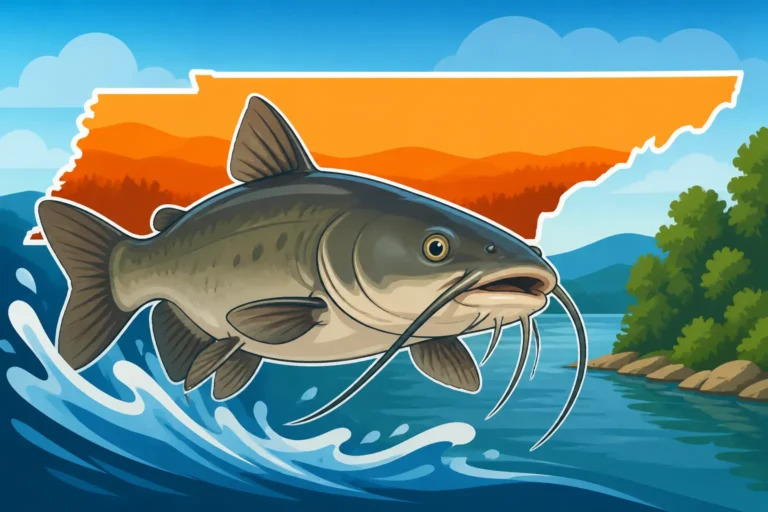
There's nothing quite like the tug of a channel catfish on your line, whether it's a feisty "pan-size" cat or a monster that bends your rod nearly in half. But if you've ever wondered how big these whiskered wonders truly get in Tennessee, or how fast they reach those impressive sizes, you're not alone. Anglers across the state are often curious about the growth potential of channel catfish, from the average supper-plate fish to the behemoths that make state records. This guide will dive deep into the fascinating world of channel catfish growth rates and sizes, helping you understand what to expect and how these factors play out in our diverse Tennessee waters.
Understanding Channel Catfish Growth in Tennessee Waters
Channel catfish are one of Tennessee's most popular sport fish, and for good reason. They're abundant, widespread, and put up a fantastic fight. Their growth, however, isn't a one-size-fits-all situation. It's a complex interplay of environmental conditions, food availability, and even their own genetic makeup.
Factors Influencing Growth: Food, Habitat, and Genetics
Imagine a channel catfish born into a prime Tennessee reservoir like Kentucky Lake or Chickamauga Lake. These environments are often teeming with forage – from small minnows and crustaceans to aquatic insects and organic detritus. A steady and plentiful food supply is the number one driver of rapid growth. Catfish are opportunistic eaters, and if the buffet is open, they'll eat! Lakes and rivers with rich nutrient levels tend to produce larger, faster-growing catfish simply because there's more food to go around.
Conversely, a channel catfish in a smaller, overpopulated farm pond might experience stunted growth. If too many fish are competing for limited food resources, none of them will reach their full growth potential. Water quality also plays a significant role. Clean, well-oxygenated water helps fish thrive, while poor conditions can stress them, diverting energy from growth. Temperature is another critical factor; catfish are warm-water species, and they grow most actively during the warmer months when their metabolism is high and food sources are abundant. Genetics also factor in, of course; just like people, some fish are simply predisposed to grow larger than others, given the same conditions.
Typical Growth Rates and Lifespan
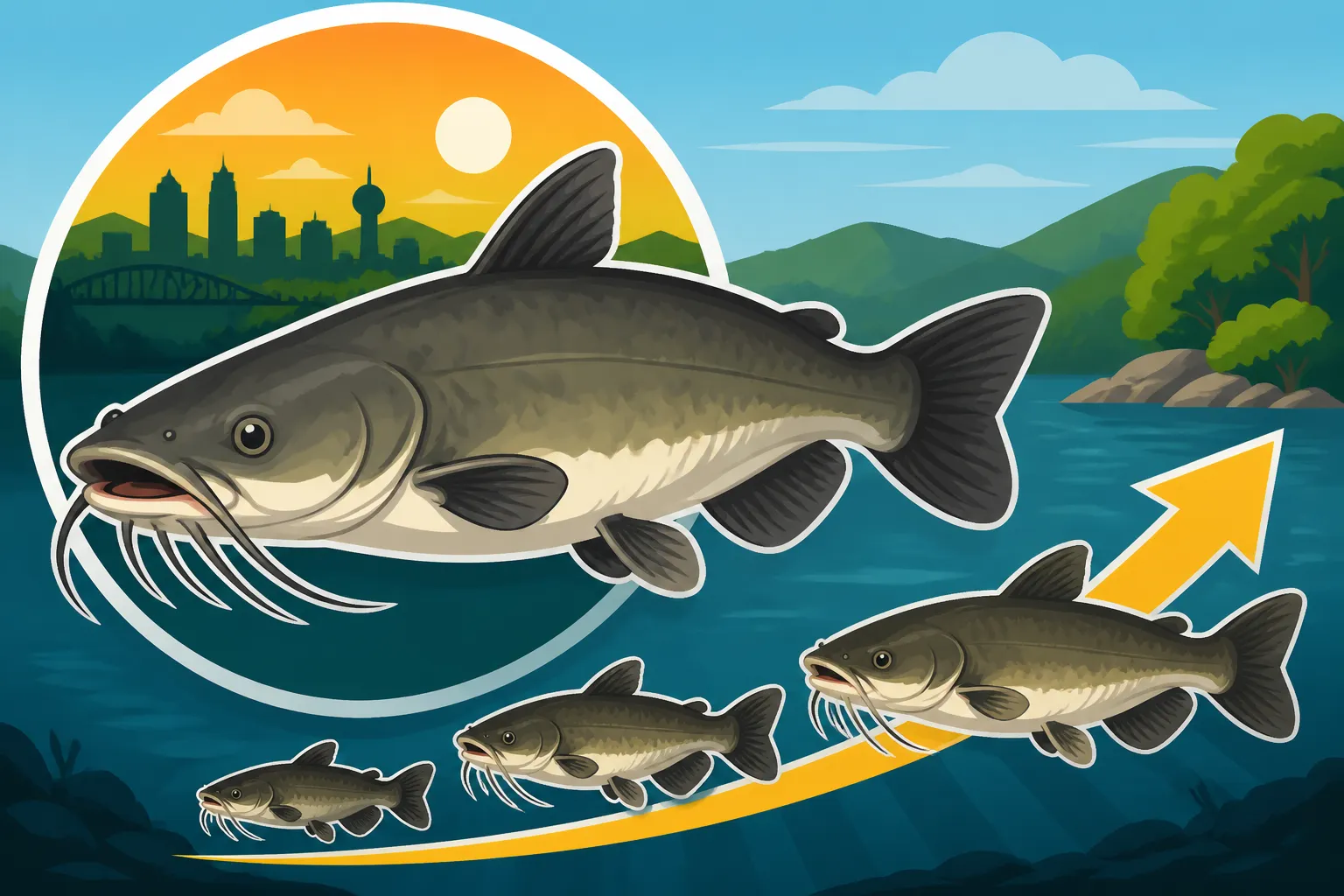
In their early years, channel catfish can grow quite quickly. A fingerling stocked in a well-managed pond or productive lake might reach a pound or two within a couple of years. The growth curve is steepest when they're young, then tends to slow down as they mature. In optimal conditions, it's not uncommon for channel catfish in Tennessee to reach 5-10 pounds within 5-7 years. However, exceeding that 10-pound mark often takes more time and ideal circumstances.
As for lifespan, channel catfish are fairly long-lived fish. While many caught by anglers are typically in the 2- to 8-year age range, they can live much longer. In large reservoirs or rivers where conditions are stable and fishing pressure isn't excessive, it's possible for channel catfish to live for 15, 20, or even more years. These older fish are often the ones that push into the truly impressive, double-digit weight classes that get anglers dreaming of a state record. You might find yourself fishing a spot and thinking about the fish's entire life cycle, pondering if that 2-pounder you just released might one day be a 20-pounder for someone else!
Age and Size: What to Expect at Different Stages
It's helpful to have a general idea of what size channel catfish typically reach at different ages. Keep in mind, these are averages, and real-world results can vary significantly depending on the specific body of water and local conditions, as discussed above. A catfish in a nutrient-rich river like the Tennessee River system might outgrow its pond-dwelling cousin by a considerable margin in the same amount of time.
Here's a general table illustrating potential size and weight ranges for channel catfish in healthy Tennessee waters:
| Age (Years) | Typical Length Range (Inches) | Typical Weight Range (Pounds) | Notes |
|---|---|---|---|
| 1-2 | 8-14 | 0.5 – 2 | Rapid initial growth, "pan-size" |
| 3-5 | 15-22 | 2 – 8 | Good eating size, common catches |
| 6-10 | 23-30 | 8 – 15 | Mature fish, strong fighters |
| 10+ | 30+ | 15+ | Trophy potential, often older |
This table provides a snapshot, but remember that a 10-year-old fish could be anywhere from 10 pounds in a less productive lake to 25 pounds in an exceptional one. When you're fishing for these amazing creatures, every catch is a unique story, and its size tells a tale of its journey through the Tennessee waterways. For more on the species itself, check out Channel Catfish: Tennessee's Other Official State Fish.
Average and Trophy Sizes for Tennessee Channel Cats
Tennessee offers a fantastic variety of fishing experiences, from small creeks to massive reservoirs, and the size of channel catfish you encounter can differ greatly depending on where you cast your line.
Common Catch Sizes for Anglers
Most anglers targeting channel catfish in Tennessee will likely encounter fish in the 1 to 8-pound range. These are your everyday, delicious "eating size" catfish, perfect for a fish fry. In stocked ponds or smaller rivers, you might consistently pull in fish from 1-3 pounds. These are often younger fish that have grown quickly in a relatively unpressured environment. Popular spots like Percy Priest Lake or Old Hickory Lake, while known for bass, also produce plenty of channel catfish in this common range, offering a great fight on standard gear.
If you're fishing larger impoundments or major river systems, especially those with strong current and abundant food, your chances of hooking into something bigger increase dramatically. Here, 5 to 10-pound channel cats are quite common, and fish over 15 pounds are certainly not unheard of. It's these larger bodies of water where catfish have the space, time, and food to truly pack on the pounds.
Chasing the Tennessee State Record: What It Takes
For those with a competitive spirit, the thought of catching a state-record channel catfish is a powerful motivator. Tennessee has produced some truly gargantuan channel cats over the years. To catch a fish of that caliber, you're looking for an anomaly – a fish that has lived a long, healthy life, avoided predators and angling pressure, and found an abundance of food throughout its existence. These fish are typically found in the largest, most nutrient-rich waters, often deep in river channels or vast reservoirs where they can grow undisturbed.
Chasing a record isn't just about luck; it's about strategy, patience, and using the right gear. You'll need stout rods, heavy line, and large hooks, often paired with substantial cut bait or live bait. These fish are not only huge, but they're incredibly powerful and require a robust setup to land them. While specific record weights can fluctuate, these are always fish that dwarf the average catch, often weighing in at several tens of pounds. It's a testament to the incredible growth potential of channel catfish in Tennessee's prime waters.
The Role of Water Bodies: Rivers vs. Lakes
The type of water body you're fishing in Tennessee has a profound impact on the size and growth rates of channel catfish.
- Large Rivers and Reservoirs: Rivers like the Cumberland River or the main stem of the Tennessee River, and massive reservoirs such as Kentucky Lake, Watts Bar Lake, or Chickamauga Lake, are generally prime locations for larger channel catfish. These expansive waters offer a vast food supply, diverse habitats, and less concentrated fishing pressure than smaller areas. The current in rivers also helps keep fish healthy and actively feeding. Fish here tend to have more space to roam and grow without as much competition for resources. If you're looking for Where to Catch Trophy Blue Catfish in Tennessee or other big cats, these are often the places to start.
- Smaller Ponds and Smaller Lakes: While still excellent for numbers of fish, smaller ponds and lakes often produce channel catfish that are smaller on average. If not properly managed (e.g., through regular harvesting or Tennessee Farm Pond Catfish Stocking), these waters can become overpopulated, leading to stunted fish that never reach their genetic potential due to fierce competition for food. However, a well-managed farm pond with supplemental feeding can still produce some impressive channel cats, often providing a fun, family-friendly fishing experience.
- Tailwaters: Below many of Tennessee's dams, the tailwater fisheries can also hold good numbers of channel catfish. These areas are rich in oxygen and often have a consistent food supply washed down from the reservoir. However, they may be less known for trophy channel cats compared to the main body of the rivers or lakes, though they certainly can produce solid catches.
Understanding these differences helps set realistic expectations and guides your approach, whether you're targeting dinner or a potential monster.
Practical Tips for Estimating and Supporting Healthy Catfish Growth
As anglers, we have a role in appreciating and, in some cases, promoting the health and growth of the fish populations we enjoy. Here are some practical tips.
Visual Cues for Estimating Age and Size
While you can't get an exact age without studying the fish's otoliths (ear bones), you can make some educated guesses about a channel catfish's size and relative age just by looking at it.
- Body Shape: Younger, faster-growing fish tend to have a more elongated, streamlined body. Older, larger fish, especially those that have been well-fed, will often be thicker through the body, appearing more robust and stout. A very thin fish might indicate a lack of food in its environment or poor health.
- Head Size to Body Ratio: In some cases, older fish, especially if they've experienced some slower growth periods, might have a head that appears proportionally smaller compared to their overall body mass. Conversely, a fish with a very large head and a relatively skinny body might be a sign of a fish that has struggled to find food throughout its life.
- Fin Condition: Healthy, actively growing fish often have intact, well-formed fins. Ragged or split fins can sometimes indicate disease, injury, or constant competition.
- Coloration: While color can vary widely depending on water clarity and habitat, typically, channel catfish have a silvery-gray body with darker spots (which often fade as they get older). Very dark, robust fish are generally healthy and thriving. For more on identification, check out How to Identify Channel Catfish, Tennessee's Other State Fish.
These visual cues are not foolproof, but they can offer an interesting insight into the individual fish you've caught and the general health of the population in that specific water body.
Best Practices for Catch-and-Release to Preserve Growth
For those massive channel cats that are potential breeders or future record-breakers, catch-and-release is often the preferred method to help sustain the population and allow them to continue growing. When practicing catch-and-release:
- Minimize Fight Time: Land the fish as quickly as possible without over-stressing it. A prolonged fight can exhaust a large fish, making it harder for it to recover.
- Handle with Care: Support the fish horizontally, especially large ones. Avoid holding big catfish by just the lower jaw, as their weight can damage their internal organs. Use both hands, one supporting the belly, to keep the fish stable and minimize stress. Wet your hands before touching the fish to protect its slime coat.
- Use Appropriate Gear: Employing a large, rubber-coated net can protect the fish's fins and slime coat. Using circle hooks can significantly reduce gut-hooking, making release much easier and increasing survival rates.
- Quick Release: Get the fish back into the water as soon as possible. If it seems sluggish, hold it upright in the water and gently move it back and forth to push water over its gills until it regains strength and swims away on its own. Every effort to ensure a healthy release means that fish has a chance to grow even larger.
Understanding Local Regulations and Their Impact on Size
Tennessee has regulations in place to manage fish populations, including channel catfish. These regulations, which specify things like daily creel limits (how many fish you can keep) and sometimes minimum or maximum size limits, are designed to ensure sustainable fisheries and promote healthy growth. For instance, if a lake has a slot limit on catfish, where you can only keep fish within a certain size range, it helps protect the very large, often older, breeding stock, allowing them to continue producing offspring. It also encourages the harvest of smaller, faster-growing fish, which can reduce competition and allow the remaining fish to grow larger.
Staying informed about these rules is essential. Always check the current Tennessee Fishing Regulations Explained for the specific body of water you're fishing. Adhering to these guidelines not only keeps you legal but also contributes to the overall health and future growth potential of the channel catfish population in Tennessee. Remember, a valid Tennessee Fishing License Guide is always required, too!
Gear and Techniques for Targeting Different Size Channel Catfish
To consistently catch channel catfish, you need to match your gear and techniques to the size of fish you're expecting to find. Whether you're after small eaters or a monster, having the right setup makes all the difference.
Choosing the Right Rod and Reel for Varied Sizes
The size of the channel catfish you're targeting will heavily influence your rod and reel choice.
- For Pan-Sized Cats (1-5 lbs): A medium-light to medium action spinning rod, around 6.5 to 7 feet long, paired with a 2500-4000 series spinning reel spooled with 8-15 lb monofilament or braid, is usually perfect. This setup offers enough sensitivity for detecting subtle bites and enough backbone to handle these feisty fighters. It's a versatile choice for many Tennessee waters.
- For Mid-Range Cats (5-15 lbs): Step up to a medium-heavy action rod, 7 to 8 feet long, coupled with a 5000-6000 series spinning reel or a medium-heavy baitcasting setup. Spool it with 15-30 lb monofilament or 30-50 lb braid. This provides the power needed to muscle in larger fish from deeper holes or stronger currents.
- For Trophy Cats (15+ lbs): When you're dreaming of a true heavyweight, you need serious gear. A heavy action rod, 7.5 to 9 feet long, paired with a robust baitcasting reel (like a conventional reel or a large round baitcaster) capable of holding 50-80 lb braided line is essential. These setups are designed to handle the immense power of a giant channel cat and prevent prolonged fights that can exhaust the fish. You can find excellent options for all these setups on Amazon, often with detailed reviews from other anglers. For a deep dive into specific gear, check out Best Rod Setup for Channel Catfish.
Bait and Rigging for Big vs. Smaller Catfish
Just as important as your rod and reel is your choice of bait and how you present it. Channel catfish aren't particularly picky, but bigger fish sometimes prefer bigger baits.
- For Smaller Eaters: Classic baits like nightcrawlers, chicken livers, cut pieces of hot dogs, or small chunks of prepared "stink bait" work wonders. These baits are typically fished on a simple bottom rig with a small to medium-sized hook (e.g., a 1/0 to 3/0 circle or J-hook) and a sinker heavy enough to hold bottom. This kind of setup is often what anglers use when they want to catch a lot of fish for a meal.
- For Larger Fish and Trophy Hunters: To tempt those larger channel cats, consider scaling up your bait. Larger pieces of cut bait from shad, skipjack herring, or even bluegill can be highly effective. Some anglers swear by bigger chunks of chicken breast marinated in garlic or other attractants. Prepared baits designed for large catfish also come in bigger sizes. Use larger hooks (e.g., 4/0 to 8/0 circle hooks) to accommodate the bigger baits and ensure a solid hookset in a large fish's mouth. A slip-sinker rig is a popular choice, allowing the fish to take the bait without feeling immediate resistance from the weight.
- Specialty Baits: Don't forget about popular choices like shrimp, small minnows, or even dough balls, all of which can be effective depending on the day and the specific water body. For a comprehensive guide to tempting these whiskered beauties, you can explore Best Bait for Channel Catfish Fishing. Remember, trying a variety of baits is often the key to success. You can pick up a wide selection of these baits and attractants on Amazon or at your local tackle shop.
Finding the Right Spots Based on Catfish Size
Channel catfish are found throughout Tennessee, but certain areas are more likely to hold larger specimens.
- Targeting Smaller Cats: For those pan-sized catfish, you can often find them in shallower areas of lakes, smaller creeks, and along the banks of larger rivers, especially near cover like fallen trees, brush piles, or weed beds. They're often schooling, so once you find one, you're likely to find more. How to Catch Catfish From the Bank often involves targeting these shallower, accessible areas.
- Targeting Larger Cats: When bigger channel cats are your goal, you'll generally want to focus on deeper water. Look for river channels, deep holes, creek channels, and the edges of submerged structure in large reservoirs. Drop-offs, humps, and submerged timber are all prime locations where bigger catfish might ambush prey or rest in cooler, deeper water. Points where current breaks or eddies form can also be excellent. During warmer months, larger catfish often move into deeper, cooler water during the day, coming shallower to feed at night. Utilizing a good fish finder, especially one with side-imaging capabilities (many of which are available on Amazon), can be incredibly helpful for locating these deep-water structures and the fish holding around them.
By understanding the habitat preferences tied to their size, you can significantly improve your chances of catching the size of channel catfish you desire on your next Tennessee fishing adventure.
Disclaimer
This article is for general informational purposes only and does not constitute professional advice. Laws, prices and regulations vary by location and change over time. Consult a qualified professional for guidance on your specific situation.