How Kentucky Lake Became a Top Tennessee Catfish Spot
For many anglers, the dream of hooking into a truly massive catfish feels like a distant fantasy, especially when you're used to smaller catches or hit-or-miss days on local waters. It can be frustrating to spend hours on the water with little to show for it, leaving you wondering where those legendary catfish truly hide. This guide is here to unravel the mystery and explain exactly why Kentucky Lake has earned its well-deserved reputation as a premier destination for catfish anglers in Tennessee, offering insights into its unique characteristics and the species you can expect to find.
The Natural Advantages of Kentucky Lake for Catfish
Kentucky Lake isn't just a big body of water; it's a meticulously crafted environment that practically screams "catfish heaven." Its sheer scale and the way it was formed have created an ideal habitat that supports a thriving population of whiskered giants, making it a dream spot for anyone targeting these bottom-dwellers.
A Rich and Diverse Ecosystem
Think about what catfish need: plenty of food, diverse hiding spots, and stable water conditions. Kentucky Lake delivers on all fronts. As one of the largest man-made lakes in the eastern United States, it boasts a vast underwater topography that includes submerged creek channels, old riverbeds, timber stands, and expansive flats. This variety provides endless opportunities for catfish to forage and shelter. The lake is teeming with baitfish like shad, which are a primary food source for all major catfish species. When you have an abundance of food at every level of the food chain, the top predators, like catfish, flourish. The nutrient-rich waters also contribute to a healthy invertebrate population, further diversifying the menu for younger catfish. This intricate web of life creates a robust ecosystem where catfish don't just survive; they thrive and grow to impressive sizes.
Expansive Waters and Varied Depths
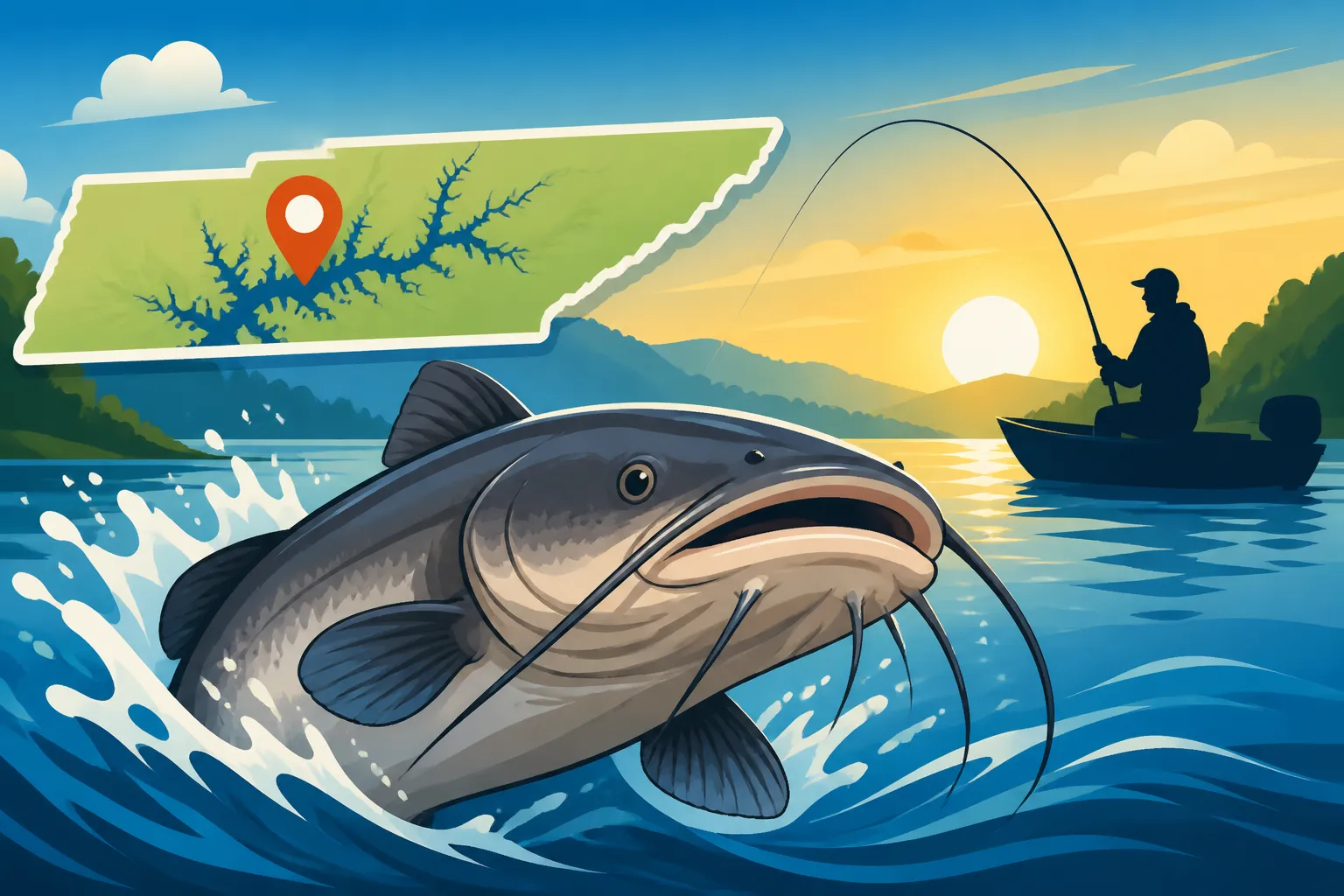
The sheer size of Kentucky Lake, stretching over 160,000 acres and extending more than 180 miles, is a monumental advantage for catfish. This isn't just a large pond; it's practically an inland sea. This massive expanse offers incredibly diverse depths, from shallow, stump-filled coves to deep main channel ledges that plunge many feet. Such variety allows different species of catfish to find their preferred niches throughout the year. Blue catfish, for instance, often gravitate towards the deeper, open waters of the main channel, especially during colder months or periods of intense boat traffic. Flathead catfish, on the other hand, love the cover of submerged timber and rock piles in slightly shallower, current-protected areas. Channel catfish are perhaps the most adaptable, found across a wide range of depths and structures. The vastness also means less fishing pressure on any single spot, allowing fish to grow larger and become less wary. Whether you're drift fishing across open flats or anchored over a deep hole, Kentucky Lake Fishing on the Tennessee Side provides endless possibilities. This wide-open space is a huge reason why Kentucky Lake has become known for its consistent catfish action.
How Human Influence Shaped the Fishery
While nature laid a fantastic foundation, the current status of Kentucky Lake as a catfish mecca is also a testament to significant human intervention and ongoing management. The deliberate actions taken over decades have cemented its reputation.
The Legacy of the Tennessee Valley Authority (TVA)
The creation of Kentucky Lake itself is a story of ambitious engineering. Formed by the impoundment of the Tennessee River by the Tennessee Valley Authority (TVA) in the 1940s, the lake was primarily built for flood control, navigation, and hydroelectric power generation. However, the incidental benefit to fishing, particularly for catfish, was immense. The flooding of the river valley created an instant, massive habitat. Old farm fields, forests, and creek systems were submerged, leaving behind a wealth of underwater structure in the form of timber, roadbeds, and foundations. These submerged features became prime real estate for catfish, offering ideal ambush points and protective cover. The stable water levels maintained by TVA, while fluctuating within certain operational parameters, also contribute to a more predictable spawning and foraging environment for catfish compared to free-flowing river systems. The deep channels of the original river, now flooded, became migration highways and wintering grounds for large catfish.
Strategic Stocking and Management Efforts
Beyond its initial creation, ongoing management by the Tennessee Wildlife Resources Agency (TWRA) has played a crucial role. While many of Kentucky Lake's catfish populations are self-sustaining, TWRA’s strategic stocking efforts, particularly for blue catfish in the early years, helped to establish and bolster a robust fishery. These agencies also implement and enforce specific regulations to ensure the long-term health of the catfish populations. These rules, which sometimes include size and creel limits, are designed to prevent overfishing and allow fish to reach trophy sizes. They monitor fish populations, conduct surveys, and adapt management strategies based on scientific data. This proactive approach ensures that the lake's resources are managed sustainably, guaranteeing excellent fishing for generations to come. Anglers can usually find information on specific regulations and any recent stocking reports on the TWRA website or by asking local bait shops, many of which also stock a good selection of Best Bait for Channel Catfish Fishing.
The Abundance of Catfish Species
One of the greatest appeals of Kentucky Lake for catfish enthusiasts is the sheer variety of species available. It's not just "catfish"—it's an opportunity to target three distinct types, each with its own preferred habitat, feeding habits, and fight. This diversity means there's always something different to pursue, whether you're looking for a meal or a monster.
Channel Catfish: The Widespread Favorite
Channel catfish are arguably the most common and widely distributed catfish species in Kentucky Lake, making them a fantastic target for anglers of all skill levels. They are highly adaptable, inhabiting everything from shallow coves to deeper main lake points and river channels. Known for their distinctive fork in the tail, channels typically range from 1 to 10 pounds, though much larger specimens are certainly caught. They are opportunistic feeders, readily taking a variety of natural baits like cut bait, chicken livers, nightcrawlers, and even commercial stink baits. Fishing for channels is often a family-friendly affair, as they are relatively easy to locate and eager to bite. You'll find them cruising along creek channels, congregating near submerged timber, or even in open water feeding on baitfish schools. Their white, flaky meat makes them excellent table fare, a popular choice for frying or grilling. Many anglers starting out with catfish will focus on channels due to their abundance and willingness to bite.
Blue Catfish: Giants of the Lake
If you're after truly monumental fish, the blue catfish is your quarry in Kentucky Lake. These are the heavyweights of the catfish world, known for their enormous size, powerful fights, and preference for open, deeper water. Blue cats are characterized by their deeply forked tails and a usually uniform blue-gray color. Kentucky Lake is famous for producing blue catfish well over 50 pounds, with some exceeding 100 pounds! They are primarily piscivorous, meaning they prefer to eat other fish, making cut bait (like shad, skipjack, or even carp) their bait of choice. You'll often find them patrolling the main river channel, especially around bends, deep holes, or submerged structure where baitfish concentrate. Targeting blue catfish requires heavier gear, stout rods, and robust reels to handle their incredible strength. Many dedicated catfishermen spend countless hours honing their techniques, knowing that every bite could be the fish of a lifetime. Finding solid gear, whether from a local tackle shop or an online retailer like Amazon, is crucial for tackling these giants.
Flathead Catfish: The Ambush Predator
Flathead catfish offer a different kind of challenge and reward. Distinct from their channel and blue cousins, flatheads have a flattened head, a square or slightly rounded tail, and a mottled, brownish-yellow coloration that provides excellent camouflage. They are ambush predators with a strong preference for live bait, such as bluegill, sunfish, or smaller carp. Unlike the nomadic blue cats or the opportunistic channels, flatheads are often solitary and territorial, preferring to stake out a specific piece of structure—like a log jam, rock pile, or submerged stump—and wait for unsuspecting prey to pass by. This means you have to present your bait right in their wheelhouse. While they don't typically reach the sheer weight of the largest blue cats, flatheads can still grow to impressive sizes, often exceeding 30-40 pounds in Kentucky Lake, offering a brutal, stubborn fight. Their firm, mild-flavored meat is highly prized by those who manage to catch them. Mastering the art of catching flatheads involves patience and a deep understanding of their preferred habitats and hunting strategies.
Why Anglers Flock to Kentucky Lake for Catfish
It's one thing to have a good fishery; it's another to become a renowned destination. Kentucky Lake isn't just a place where catfish live; it's a place where anglers have consistent success and genuinely enjoy the pursuit.
Consistent Catch Rates and Trophy Potential
The primary draw for most anglers is the simple fact that Kentucky Lake delivers. Whether you're a seasoned pro or a beginner, the lake offers some of the most consistent catfish action anywhere in the region. You're not just hoping for a bite; you're expecting it, and often, you'll be rewarded with multiple fish. For those seeking bragging rights, the trophy potential is almost unparalleled. The healthy populations of blue and flathead catfish mean that every hookset could connect you with a fish that will test your tackle and your resolve. This combination of frequent action and the chance for a truly enormous fish creates an irresistible allure. Many serious anglers will plan their trips around Best Time of Year to Catch Catfish in Kentucky Lake, knowing that certain seasons increase their chances of landing a true lunker.
Accessibility and Angler Amenities
Beyond the fish themselves, Kentucky Lake is incredibly angler-friendly. There are numerous public access points, well-maintained boat ramps, and plenty of places to fish from the bank. Towns like Paris Landing, Camden, and New Johnsonville dot the shoreline, offering a wealth of services, from bait and tackle shops to lodging and dining. This makes it easy for both local anglers and those traveling from afar to plan a successful trip. You can find everything you need, from a specific type of catfish rig to specialized hooks, often stocked at local retailers or available for quick delivery through online platforms like Amazon. The infrastructure around the lake supports a vibrant fishing tourism industry, with guides, charters, and tournaments catering specifically to catfish enthusiasts. This ease of access, combined with the phenomenal fishing, solidifies Kentucky Lake's status as a top-tier catfish destination. Whether you're bringing your own boat or looking for a guided experience, the lake has you covered. For those interested in deeper insights, checking out resources on Kentucky Lake's Best Catfish Waters in Tennessee can help pinpoint prime locations.
Here's a quick comparison of the three primary catfish species you'll encounter in Kentucky Lake:
| Catfish Species | Typical Size Range (Kentucky Lake) | Preferred Habitat | Primary Diet | Common Baits | Unique Characteristics |
|---|---|---|---|---|---|
| Channel Catfish | 1-10 lbs (up to 20+ lbs) | Varied: shallow to deep, structured areas, creek channels | Omnivorous: insects, crustaceans, baitfish | Cut bait, chicken liver, nightcrawlers, stink bait | Forked tail, often spotted, adaptable |
| Blue Catfish | 10-50 lbs (up to 100+ lbs) | Deep, open water; main river channel, ledges | Piscivorous: shad, skipjack, other fish | Fresh cut bait (shad, skipjack), whole dead bait | Deeply forked tail, uniform blue-gray, massive size |
| Flathead Catfish | 5-40 lbs (up to 60+ lbs) | Submerged timber, rock piles, log jams; ambush points | Carnivorous: live baitfish, crayfish | Live bluegill, sunfish, small carp | Flattened head, square/rounded tail, mottled color, solitary |
Kentucky Lake isn't just another fishery; it's a testament to how natural advantages, combined with thoughtful management and angler accessibility, can create a world-class destination for a specific type of fishing. For anyone dreaming of a hefty catfish, this grand Tennessee reservoir stands ready to deliver.
Disclaimer
This article is for general informational purposes only and does not constitute professional advice. Laws, prices and regulations vary by location and change over time. Consult a qualified professional for guidance on your specific situation.