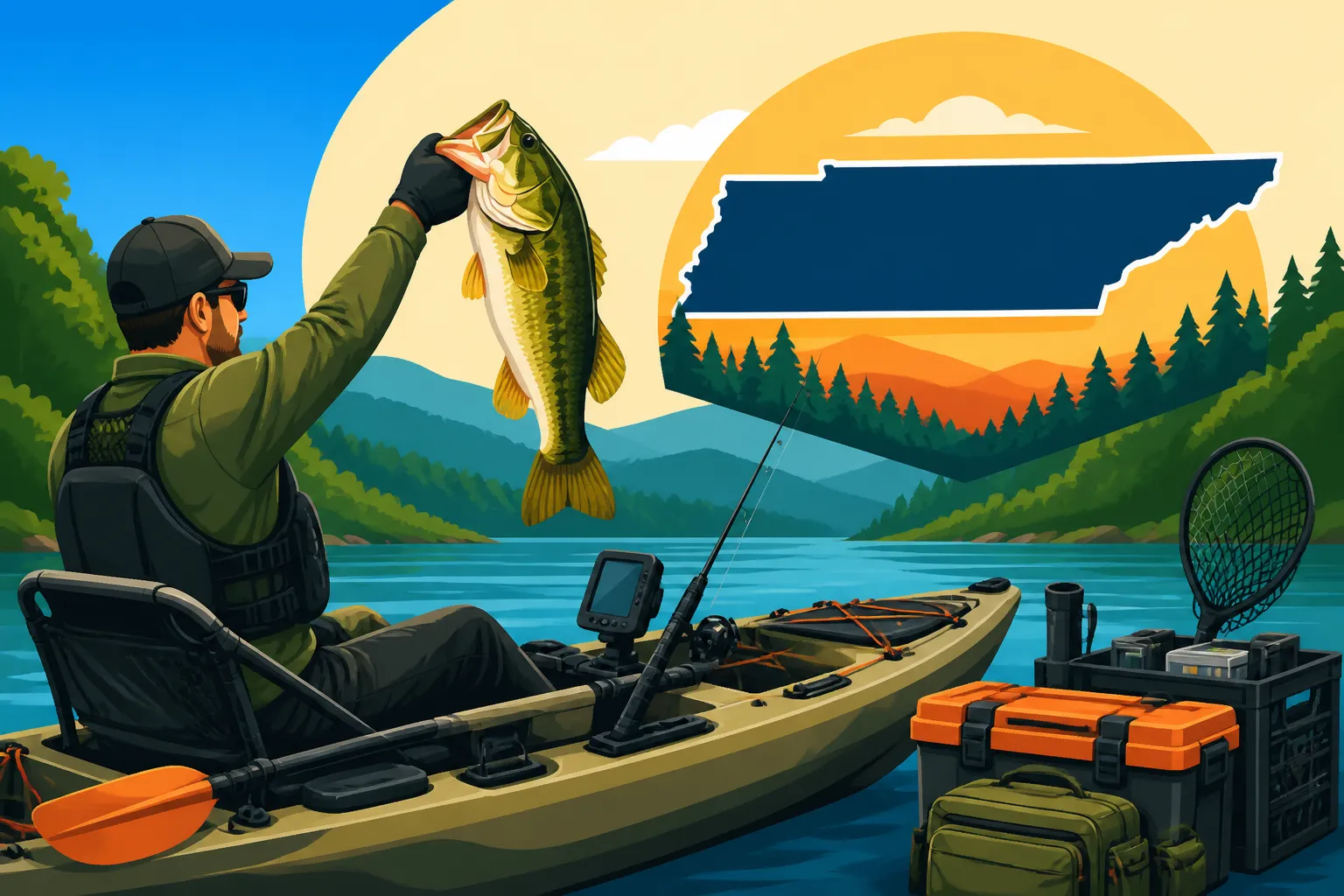
Best Kayak Fishing Gear for Tennessee Anglers
If you've been dreaming of slipping silently through the early morning mist on a Tennessee lake, chasing a trophy bass, or navigating a peaceful river in search of elusive trout, kayak fishing is probably calling your name. But let's be honest, figuring out what gear you really need for Tennessee's incredibly diverse waters, from the vast expanses of Kentucky Lake to the tight turns of a Smoky Mountain stream, can feel like a daunting task. This guide is here to cut through the confusion and help you equip yourself for success and enjoyment on the water.
Why Kayak Fishing in Tennessee is a Game Changer
There's something uniquely rewarding about kayak fishing, especially here in Tennessee. It's a blend of tranquility, challenge, and pure connection with nature that you just don't get from a big bass boat. It's not just a trend; it's a deeply satisfying way to experience the state's incredible fisheries. Many seasoned anglers are discovering what a profound difference a kayak can make in reaching untouched spots and experiencing the fight of a fish up close.
The Allure of Tennessee's Waters for Kayak Anglers
Tennessee is truly a kayaker's paradise, boasting an astounding variety of waterways. We're talking about massive reservoirs like Chickamauga Lake, renowned for its giant largemouth bass, or Norris Lake with its clear waters holding smallmouth and crappie. Then there are the winding rivers, like the Cumberland and the Tennessee River, offering incredible opportunities for diverse species, including catfish and striped bass. Don't forget the pristine, cold-water streams of East Tennessee, perfect for trout fishing. A kayak allows you to access shallow coves, wadeable shoals, and peaceful backwaters that larger boats simply can't reach, opening up a whole new world of fishing possibilities right here in our home state. Whether you're targeting Chickamauga Lake, Tennessee's Top Spot for Record Largemouth Bass or seeking out Tennessee's Best Trout Streams, a kayak puts you right in the heart of the action.
The beauty of Tennessee's landscape from the waterline is also a huge draw. Imagine paddling into a sunrise over Watts Bar Lake, hearing only the dip of your paddle and the occasional splash of a fish jumping. It’s an immersive experience that deepens your appreciation for the natural world around you. This intimate connection with the environment is a core reason why so many anglers are flocking to kayaks. It’s not just about catching fish; it’s about the entire journey.
Beyond the aesthetics, the sheer abundance of fish species makes Tennessee incredibly appealing. From various types of bass to catfish, crappie, and trout, there's always something to target. Each body of water often requires a slightly different approach, and a kayak provides the versatility to adapt. You can go from chasing aggressive bass in cover on Percy Priest Lake one weekend to drifting nymphs for wary trout on the Clinch River the next. This adaptability makes kayak fishing perpetually exciting and fresh.
Advantages of Kayak Fishing Over Traditional Boats
Let's face it, owning and maintaining a traditional bass boat can be a significant investment, both in terms of money and time. Kayak fishing dramatically reduces that barrier to entry. The initial cost of a decent fishing kayak and basic gear is a fraction of a powered boat, making the sport accessible to a wider range of anglers. Fuel costs? Non-existent! Maintenance? Usually just a rinse and a quick check. This financial freedom means more money for lures, better tackle, or more trips to the water.
The stealth factor is another massive advantage. Kayaks move quietly through the water, allowing you to approach fish without spooking them. This is particularly crucial in clear, shallow waters or when targeting skittish species. You can get closer to cover, work tighter spaces, and present your baits with a subtlety that a roaring outboard motor simply can't match. This quiet approach often translates into more bites and a less pressured fishing experience. It's you, the fish, and the water, without all the mechanical interference.
Accessibility is perhaps the biggest selling point. Many fantastic fishing spots in Tennessee, especially along rivers or in smaller coves of larger lakes, simply don't have boat ramps suitable for larger vessels. A kayak, on the other hand, can be launched from almost anywhere with reasonable bank access. Think about those hidden creeks and sloughs that hold untouched fish – a kayak can get you there. This increased access means you're often fishing less crowded waters, which can significantly improve your chances of a successful outing and give you a sense of discovery.
Essential Kayak Selection for Tennessee's Diverse Fisheries
Choosing the right kayak is probably the most critical decision you'll make when getting into kayak fishing. It's not a one-size-fits-all situation, especially with the variety of water bodies we have here in Tennessee. What works perfectly for a calm pond might be a nightmare on a windy reservoir. Take your time, think about where and how you'll primarily fish, and don't be afraid to try out a few models if possible.
Sit-on-Top vs. Sit-Inside Kayaks for Anglers
For the vast majority of kayak anglers, especially those just starting out or those planning to fish a lot on Tennessee's open lakes and slow-moving rivers, a sit-on-top (SOT) kayak is generally the way to go. These kayaks are designed with an open deck, meaning you sit on top of the hull rather than inside it. The biggest advantages are stability and ease of entry/exit. If you happen to tip over (and it happens to the best of us!), it's much easier to right the boat and climb back on. They also offer more open space for gear and are generally self-bailing, meaning water drains right out. This makes them ideal for casting, standing, and overall comfort during a long day. Most modern fishing kayaks are SOTs, built with angling in mind.
Sit-inside kayaks (SINKs), on the other hand, offer a more traditional kayaking experience where you sit inside a cockpit. While they typically offer less stability and can be harder to re-enter if you capsize, they excel in certain areas. They offer better protection from the elements, which can be a plus on a chilly spring morning or a rainy day. They are also often faster and track straighter, making them suitable for covering long distances or navigating strong currents. For serious river paddlers or those who prioritize speed and efficiency over standing to fish, a SINK might be a consideration. However, for most general Tennessee fishing, the SOT's benefits for angling usually win out.
When considering a sit-on-top, look for models specifically designed for fishing. These will often have built-in rod holders, accessory tracks for mounting fish finders or cameras, and dedicated storage areas. Brands like Hobie, Old Town, and Native Watercraft are popular choices among serious anglers, and you can often find a good selection at outdoor retailers like Bass Pro Shops or even explore options on Amazon. Always prioritize comfort and features that directly support your fishing style.
Stability, Speed, and Maneuverability Considerations
These three factors are constantly at odds with each other in kayak design, and your choice will involve trade-offs. Stability is paramount for fishing. You want a kayak that feels solid underfoot, allowing you to cast effectively, fight fish, and maybe even stand up for a better vantage point. Wider kayaks with flatter hulls generally offer more initial stability. For Tennessee's larger reservoirs like Kentucky Lake or Watts Bar Lake, where boat wakes can be a factor, good secondary stability (how stable it feels when rocking) is also key.
Speed is less critical for many kayak anglers, but if you plan to cover long distances or fish against strong river currents, it becomes more important. Longer, narrower kayaks with sharper bows will be faster and track straighter. However, this often comes at the expense of stability. If you're primarily fishing small ponds or slow-moving streams, speed might be a non-issue. For fishing expansive lakes, a balance of decent speed for covering water and ample stability is ideal.
Maneuverability refers to how easily the kayak turns and changes direction. Shorter kayaks with rocker (a slight curve in the hull from bow to stern) are generally more maneuverable. This is a huge advantage when navigating tight spots in rivers, around submerged timber, or in crowded coves. On the flip side, highly maneuverable kayaks often sacrifice straight-line tracking, meaning you'll expend more energy correcting your course. For river fishing on the Caney Fork or Hiwassee River, maneuverability can be a blessing, allowing you to get into precise positions to target trout. Consider your primary fishing grounds: big open water demands tracking; tight, obstacle-rich waters demand maneuverability.
| Kayak Type | Primary Benefit for Fishing | Ideal Tennessee Waterways | Trade-offs |
|---|---|---|---|
| Sit-on-Top | High stability, easy re-entry | Large lakes (Chickamauga, Kentucky), slow rivers (Tennessee River) | Can be slower, less protected from elements |
| Sit-Inside | Speed, tracking, element protection | Fast rivers (Clinch), long-distance touring | Less stable for standing, harder re-entry, less open deck space |
| Pedal Drive | Hands-free propulsion, efficiency | Any large lake or river | Higher cost, more complex maintenance, often heavier |
Pedal Drive vs. Paddle Kayaks: Making the Right Choice
This is one of the biggest advancements in kayak fishing and a significant decision point. Pedal drive kayaks use foot pedals to power a propeller or flippers (like Hobie's MirageDrive), leaving your hands completely free for fishing. This hands-free operation is a game-changer. Imagine casting, reeling, and adjusting your position all at the same time – it's incredibly efficient, especially when trolling or trying to hold a specific spot against wind or current. For bass anglers working a shoreline or crappie fishermen spider rigging, the ability to maintain speed and direction without putting your rod down is invaluable. They are often faster and more efficient for covering large bodies of water, like those sprawling Tennessee reservoirs.
However, pedal drive kayaks typically come with a higher price tag. They are also generally heavier, which can make transport and loading a bit more challenging, especially if you're fishing alone. The pedal drive system itself can sometimes get tangled in heavy weeds or shallow, rocky areas, which is something to consider if you fish a lot of skinny water. Maintenance on the drive system is also a bit more involved than with a traditional paddle.
Paddle kayaks are the traditional choice. They are simpler, lighter, and generally more affordable. Paddling offers a great workout and allows for silent, nuanced movements, which can be advantageous in very shallow water or when trying to sneak up on wary fish in quiet coves. For anglers on a budget, those who frequently portage their kayaks, or those who prefer the simplicity and ruggedness of a paddle-only system, these are excellent options. Many dedicated river anglers still prefer a paddle kayak for its simplicity and ability to navigate tight, rocky sections without worrying about a prop striking obstacles. Ultimately, the choice often boils down to budget, fishing style, and the types of water you plan to tackle most often. For anglers looking for a convenient way to get out on the water, Do Kayaks Need to Be Registered in Tennessee? covers a basic question.
Core Fishing Gear for Tennessee Kayak Anglers
Once you've got your kayak sorted, it's time to think about the actual fishing gear. Kayak fishing presents unique challenges when it comes to rods, reels, and tackle. Space is limited, and efficiency is key. You can't just bring everything but the kitchen sink like you might on a larger boat. Every piece of gear needs to earn its spot.
Rods and Reels for Different Species and Kayak Use
When selecting rods for kayak fishing in Tennessee, consider length. Shorter rods (typically 6 to 7 feet) are often preferred because they are easier to manage in the confines of a kayak cockpit. They reduce the risk of snagging on trees or other obstacles during casts, and they're less likely to hit your paddle stroke. However, for open water casting or certain techniques, a slightly longer rod might still be beneficial. The key is balance and control. You want to be able to cast accurately and fight fish effectively without feeling cramped or hindered by your equipment.
For bass fishing in Tennessee, a medium-heavy spinning or baitcasting setup, around 6'6" to 7', is a versatile choice. This allows you to throw various lures, from crankbaits to jigs, and handle the aggressive fight of a largemouth. For crappie or bluegill, a lighter, more sensitive ultralight spinning rod (5' to 6'6") is perfect for detecting subtle bites and enjoying the fight of smaller panfish. When targeting catfish, a medium-heavy to heavy conventional or spinning rod, again, keeping the length manageable for the kayak, will be necessary to handle heavier weights and larger fish. It's often a good idea to have 2-3 rods rigged for different techniques or species, easily accessible but secured in rod holders.
Reels should be durable and offer smooth drag. Saltwater-rated reels, even though you're in freshwater, often provide an extra level of corrosion resistance and robust construction that stands up well to the elements and frequent use. Consider a spinning reel for versatility, especially if you're throwing lighter baits, and a baitcasting reel for heavier lures and more precision casting, particularly if you're an experienced angler. Don't forget to spool your reels with appropriate line for the species you're targeting; braid with a fluorocarbon leader is a popular, strong, and sensitive choice for many applications.
Tackle Management and Storage Solutions
This is where kayak fishing really demands organization. You simply don't have room for multiple tackle boxes splayed open. The goal is to bring only what you need and have it easily accessible. A tackle crate is an absolute game-changer. These are often milk crates or specially designed plastic crates that fit behind your seat and can be customized with rod holders, tool caddies, and multiple tackle trays. They keep your essential gear contained and within reach. Best Kayak Crates and Storage for Fishing Trips has more information on this essential piece of gear.
Waterproof dry bags are another must-have for anything you absolutely cannot get wet – your phone, wallet, keys, and any electronic devices. Keeping these items secure and dry is non-negotiable, especially on open water where splashes or unexpected capsizes can occur. Consider a few different sizes for various items. Small tackle boxes, like those from Plano, that fit neatly into a tackle crate or a kayak's internal storage hatches are also invaluable. Prioritize clear boxes so you can quickly see what's inside without having to open every one.
Beyond crates and dry bags, think about tools. Pliers, line cutters, and a small landing net should be on your list. Many anglers attach these tools to their PFD or a lanyard so they are always immediately available. Retractable leashes are excellent for securing items like your rod, paddle, and net, preventing them from floating away if you drop them or capsize. Imagine losing your favorite rod in the middle of Kentucky Lake – a simple leash can prevent that heartache.
Essential Terminal Tackle and Baits for Tennessee Species
The specific terminal tackle and baits you carry will depend heavily on what you plan to target. For bass fishing in Tennessee, a selection of soft plastics (worms, senkos, creature baits), jigs (football, swim, flipping), spinnerbaits, and crankbaits will cover most situations. Don't forget hooks (EWG, worm hooks), weights (Texas rig, drop shot), and appropriate jig heads. For live bait, shiners or bluegill are often effective. Best Bait for Largemouth Bass Fishing offers some excellent advice.
For crappie, your tackle kit should include small jigs (1/32 to 1/8 ounce), soft plastic crappie tubes or curly tails, and small minnows if you prefer live bait. Bobbers, small split shot, and light wire hooks (size 2-6) are also essential. Crappie often hang around structure, so a good selection of different jig colors (chartreuse, pink, white, black) can make a difference. Consider options on Amazon for bulk jig heads and soft plastics to save a few bucks.
When targeting catfish on Tennessee's large rivers and reservoirs, you'll need heavier gear. Circle hooks (2/0 to 8/0), heavy sinkers (1-4 oz pyramid or no-roll), and strong swivels are standard. For bait, cut bait (shad, skipjack herring), chicken livers, or nightcrawlers are perennial favorites. Jug fishing or setting trotlines from your kayak can be very effective for catfish, but ensure you understand local regulations before deploying these methods. Best Bait for Channel Catfish Fishing provides excellent recommendations. Don't forget that a general-purpose tackle kit for panfish like bluegill and bream should include small hooks, split shot, and bobbers, with crickets or worms as bait.
Safety and Navigation Gear: Non-Negotiables for Tennessee Waters
Safety is not something to ever take lightly, especially when you're out on the water in a kayak. Tennessee's lakes and rivers can be unpredictable, with changing weather, strong currents, and boat traffic. Having the right safety and navigation gear isn't just a good idea; it's often legally required and could literally save your life.
Personal Flotation Devices PFDs and Why They're Crucial
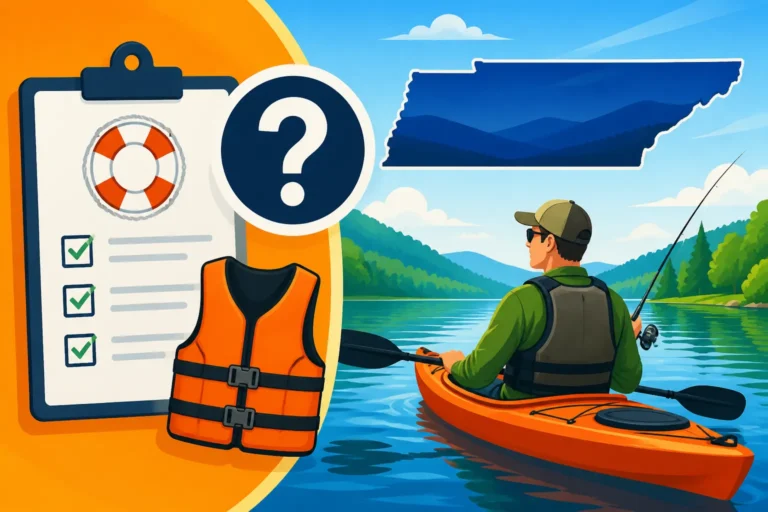
First and foremost: always, always wear a Personal Flotation Device (PFD) while kayak fishing. This isn't just about following the law – which in Tennessee states that children under 12 must wear a PFD while on a boat, and all vessels must have a readily accessible PFD for each person on board – it's about your personal safety. Even if you're a strong swimmer, an unexpected capsize in cold water or if you hit your head can render you unable to swim. A PFD keeps you afloat and can literally be a lifesaver. Life Jacket Rules for Kayaks and Canoes in Tennessee goes into more detail about these regulations.
Modern fishing PFDs are designed with anglers in mind. They are often lightweight, comfortable, and feature multiple pockets for essential tools, pliers, or even a small tackle box. Some are inflatable, offering a less bulky profile until deployed. Look for one that fits well and doesn't restrict your casting motion. Try it on, sit in your kayak (if possible), and simulate casting. The best PFD is the one you will wear, every single time you hit the water. Brands like NRS, Mustang Survival, and Stohlquist make excellent fishing-specific PFDs that prioritize comfort and utility. You can find a good selection at Bass Pro Shops.
Beyond your PFD, consider carrying a whistle or other sound-producing device. This is often a legal requirement and can be crucial for signaling for help or alerting other boaters to your presence, especially in low light or fog. A small, bright orange safety flag, often mounted on a pole, significantly increases your visibility to larger boats, which is particularly important on busy reservoirs like Cherokee Lake or Old Hickory Lake.
Navigation and Communication Tools for Kayak Anglers
While the simplicity of kayak fishing is appealing, having proper navigation and communication tools is smart, especially when exploring new waters or venturing far from the launch. A waterproof cell phone case is a minimal requirement, allowing you to use your phone's GPS for navigation and as an emergency communication device. However, don't rely solely on your phone, as signal can be spotty in remote areas of Tennessee, and battery life can be an issue.
A dedicated handheld GPS unit or a fish finder with GPS capabilities can be a significant upgrade. These devices often have better battery life, are built to withstand the elements, and provide more accurate positioning. They allow you to mark waypoints for productive fishing spots, navigate back to your launch point, and stay aware of your location on the water. For more serious anglers, a small, handheld VHF radio can provide reliable, line-of-sight communication with other boaters and emergency services, particularly on large, open bodies of water. This can be invaluable if you get into trouble outside of cell service range.
Always tell someone your float plan: where you're going, when you expect to be back, and what to do if you don't check in. This simple step can make a huge difference in an emergency. Carrying a small, reflective signal mirror or a flare can also be useful for attracting attention in a distress situation. Having multiple layers of communication and navigation ensures that you're never truly stranded, even in Tennessee's more remote fishing spots.
Lighting and Visibility for Early Morning or Late Evening Fishing
Many of the best fishing times in Tennessee are during the low-light hours of dawn and dusk. This is when fish are often most active, and it can also be the most peaceful time to be on the water. However, it also presents significant safety challenges related to visibility. If you plan to be on the water before sunrise or after sunset, proper lighting is absolutely mandatory.
In Tennessee, any vessel operating between sunset and sunrise must display appropriate navigation lights. For kayaks, this usually means a 360-degree white light, visible from all directions. There are many battery-powered LED lights designed specifically for kayaks that are easy to mount and remove. These lights ensure that other boats can see you, preventing potential collisions. Don't rely on a headlamp alone; it might help you see, but it doesn't adequately project your presence to others.
Beyond the legal requirements, increasing your personal visibility is just plain smart. Wearing bright, reflective clothing can help you stand out. A small, battery-powered strobe light attached to your PFD can provide an additional layer of visibility in truly dark or foggy conditions. Remember, you might see a larger boat's lights from a distance, but they might not see your small, low-profile kayak until it's too late. Being proactive about visibility is one of the easiest ways to ensure a safe and enjoyable experience when fishing during those magical low-light hours.
Comfort and Convenience: Making Long Days on the Water Enjoyable
Kayak fishing is a blast, but it can also be physically demanding. Spending hours sitting, paddling, casting, and reeling can take its toll if you're not comfortable. Investing in gear that enhances your comfort and convenience isn't a luxury; it's a necessity for extending your time on the water and making each trip more enjoyable.
Upgrading Your Kayak Seat for Extended Trips
The stock seat that comes with many kayaks, especially entry-level models, can be surprisingly uncomfortable after a couple of hours. This often leads to aches, pains, and ultimately, cutting your fishing trip short. Upgrading your kayak seat is one of the best investments you can make for long days on Tennessee's waters. A good fishing kayak seat will offer ample padding, back support, and often adjustability. Look for seats made from breathable materials that won't hold water.
Many aftermarket seats feature a higher seating position, which can be a huge benefit. A raised seat improves your visibility, making it easier to spot fish or structure, and it's also much more comfortable for casting. It also puts less strain on your back and legs. Some popular options include stadium-style seats or framed seats that elevate you significantly off the kayak deck. Brands like Hobie, Old Town, and YakAttack offer excellent upgrade options, and you can often find universal models that fit a wide range of kayaks. Don't underestimate the impact a comfortable seat can have on your endurance and overall enjoyment – it can be the difference between a frustrating few hours and an epic day of fishing.
Beyond the seat itself, consider a small, inflatable seat cushion or even a closed-cell foam pad for extra padding on your bottom. Every little bit of comfort adds up over a full day of fishing. Remember, if you're not comfortable, you're not focused on fishing, and that's when you start missing bites or getting frustrated.
Smart Storage and Organization for Limited Space
Given the limited space in a kayak, intelligent storage and organization are paramount. It’s not just about what you bring, but how you bring it. Every item should have a dedicated, easily accessible, and secure spot. One of the best ways to achieve this is with a purpose-built tackle crate system, as mentioned before. These usually fit snugly behind your seat and can be accessorized with rod holders, tool holders, and various containers. This keeps your most-used tackle and tools at your fingertips without cluttering the deck.
For items you don't need constantly but want dry and secure, such as extra clothing, food, or a first-aid kit, dry bags are essential. These come in various sizes and materials, offering different levels of waterproof protection. Keep them tethered to your kayak so they don't float away if you capsize. Many fishing kayaks also have sealed internal hatches, which are great for storing items that you absolutely want to keep dry and out of the way, though accessing them can sometimes be less convenient on the water.
Think vertically! Gear tracks and rail systems are popular additions to fishing kayaks, allowing you to mount various accessories like rod holders, fish finder mounts, and camera poles without drilling permanent holes. This modularity allows you to customize your setup for different types of fishing or even different waterways. For example, you might have one setup for bass fishing on Kentucky Lake Fishing on the Tennessee Side and another for river smallmouth. Making the most of every inch of space is key to a functional and enjoyable kayak fishing experience.
Anchoring and Positioning Systems for Kayak Stability
Holding your position is crucial for effective kayak fishing, whether you're trying to fish a specific piece of structure, battle a strong current, or simply stay put in windy conditions. There are several excellent anchoring and positioning systems designed for kayaks. A traditional anchor (grapple or mushroom style, typically 1.5-3 lbs) with about 50 feet of anchor line and a quick-release system is a versatile option for various conditions. Always use a quick-release system so you can instantly detach from your anchor if an emergency arises or a big fish drags you into danger.
For shallow water fishing, especially in rivers or along lake banks, a stake-out pole or shallow water anchor is incredibly useful. These are rigid poles, often made of fiberglass or aluminum, that you manually push into the bottom to hold your position. They are silent, effective, and much easier to deploy and retrieve than a traditional anchor in appropriate conditions. Many anglers choose a shorter stake-out pole for quick stops and a longer one for slightly deeper water.
Another popular option, particularly for covering large areas, is a drag chain or drift sock. A drag chain slows your drift over fish, allowing you to thoroughly work an area. A drift sock (or sea anchor) deploys in the water to slow your kayak's drift, helping you maintain a more controlled pace, especially in windy conditions. Some anglers even use a small, compact Power-Pole Micro or similar electric shallow water anchoring system for instant, push-button positioning. This can be a significant investment but offers unparalleled convenience and precision for holding position. The right anchoring system can turn a frustrating drift into a productive fishing spot.
Advanced Electronics and Accessories for the Serious Angler
While you can certainly catch fish from a kayak without a single electronic device, for many serious anglers, a few key pieces of technology can dramatically increase success and enjoyment. These tools provide valuable insights into the underwater world and can help you fish more effectively.
Portable Fish Finders for Kayak Anglers
A fish finder is probably the most impactful electronic upgrade for a kayak angler. Knowing what's beneath you – depth, water temperature, structure, and even fish schools – can turn a guessing game into a targeted attack. For kayaks, portability and ease of installation are key. Many excellent compact fish finders are available that run on small, rechargeable batteries and can be mounted without extensive modifications to your kayak. Portable Fish Finders for Kayak Anglers provides an in-depth look at these devices.
When choosing a fish finder, look for features like CHIRP sonar for clearer target separation, Down Imaging or Side Imaging for detailed views of structure, and GPS mapping for navigation and marking waypoints. Brands like Lowrance, Humminbird, and Garmin offer fantastic kayak-specific models. Installation typically involves mounting the transducer (the sonar sending unit) either in a scupper hole, on the hull (shoot-through-hull), or on a temporary arm. A dedicated battery box keeps your power source dry and protected.
Even a basic fish finder can make a huge difference, especially on large, featureless lakes. It can help you quickly locate submerged humps, brush piles, or ledges where fish are holding, saving you countless hours of blind casting. For crappie anglers, finding brush piles or standing timber is made significantly easier with a good fish finder. For bass anglers, identifying sudden depth changes or rock formations can be the key to unlocking a pattern.
Trolling Motors and Power Options for Kayaks
For those who want to cover more water with less effort or maintain precise trolling speeds, a trolling motor is a game-changer for kayak fishing. While traditional paddle kayaks offer great exercise, adding a small electric trolling motor can extend your range and allow you to fight fish without worrying about drifting off course. These motors are typically mounted on the bow, stern, or even on the side of the kayak, often with custom brackets.
When considering a trolling motor, look for lightweight, compact models with good battery efficiency. You'll also need a suitable marine battery to power it, which adds weight and requires careful management. Options range from small, transom-mount motors adapted for kayaks to purpose-built kayak motors from brands like Bixpy or Torqeedo. Many kayaks are now designed with motor integration in mind, making installation much simpler. Do Electric Trolling Motors Count as Mechanical Propulsion in Tennessee? covers important regulatory questions if you're considering adding one.
Keep in mind that adding a trolling motor changes your kayak's classification, potentially requiring registration with the Tennessee Wildlife Resources Agency (TWRA), even if your kayak originally did not need it. Always check current TWRA regulations for any specific requirements regarding motorized kayaks, including registration, numbering, and safety equipment. The added power can significantly enhance your fishing experience, allowing you to access more remote areas, fight headwinds with ease, and troll lures effectively over vast expanses of water.
Camera Mounts and Capture Devices for Documenting Your Adventures
Capturing your kayak fishing adventures, whether it's a personal memory or content for a blog, has never been easier. Action cameras like GoPros have become ubiquitous among anglers for their compact size, durability, and high-quality video. Mounting these cameras on your kayak requires specific mounts that can attach to gear tracks, scupper holes, or suction cups to your kayak's surface. A good mount will be secure, adjustable, and allow you to capture different angles, from POV shots of reeling in a fish to wider shots of the beautiful Tennessee scenery.
Beyond action cameras, many anglers use their smartphones for quick photos and videos. A reliable, waterproof phone mount that securely attaches your phone to your kayak is essential. This allows you to quickly grab a shot of your catch without fumbling with your phone and risking it ending up in the drink. Some mounts even offer charging capabilities to keep your phone juiced up during long days.
Remember to bring extra batteries or a portable power bank, as recording video can quickly drain device power. Whether you're documenting a personal best bass from Chickamauga Lake or the serene beauty of a sunrise paddle on the Clinch River, having the right camera gear ensures those moments are captured forever. These devices add a whole new dimension to your fishing trips, allowing you to relive the excitement and share your experiences with friends and family.
Maintaining Your Kayak Fishing Gear for Longevity
You've invested time and money into building your ultimate Tennessee kayak fishing setup. Now, it's crucial to protect that investment. Proper maintenance isn't just about keeping things clean; it's about extending the lifespan of your gear, ensuring it performs optimally, and preventing costly repairs down the line. A little effort after each trip goes a long way.
Post-Trip Cleaning and Inspection Routines
After every single trip, whether you've been on a pristine mountain stream or a muddy reservoir, a good cleaning and inspection routine is vital. Start by rinsing your kayak thoroughly with fresh water. This removes mud, grit, algae, and any lingering fish slime or bait residue. Pay special attention to scupper holes, crevices, and any moving parts of pedal drives or rudders. A soft brush can help dislodge stubborn grime. For fishing in saltwater (if you ever venture out of state or into brackish waters), this step is even more critical to prevent corrosion.
Once clean, take a few minutes to inspect your kayak and gear. Check for any cracks, dings, or signs of wear on the hull. Look at your paddle for damage, and check all rigging, ropes, and bungee cords for fraying. Inspect your PFD for tears or excessive wear. For your rods and reels, wipe them down, especially the reels, to remove any dirt or water. If you've been in muddy water or had a lot of splash, a light spray of a silicone lubricant on your reel's moving parts can keep it operating smoothly. Addressing minor issues early can prevent them from becoming major problems later.
Allow everything to air dry completely before storing. Storing wet gear can lead to mildew, mold, and corrosion, especially on metal components. Unzip dry bags and let them air out. Ensure tackle boxes are dry before closing them to prevent hooks from rusting and soft plastics from melting together. This thorough post-trip ritual not only keeps your gear in top condition but also helps you identify any potential issues that might need attention before your next outing.
Proper Storage for Your Kayak and Gear
How you store your kayak and fishing gear between trips has a massive impact on its longevity. For your kayak, the goal is to keep it out of direct sunlight and off the ground, where heat and uneven pressure can warp the hull over time. UV rays are particularly damaging to plastics, causing them to degrade and become brittle. A garage, shed, or covered carport is ideal. If outdoor storage is your only option, invest in a good quality kayak cover that protects against sun, rain, and debris.
When storing the kayak, support it evenly to prevent flat spots or warping. Many people use specialized kayak racks that cradle the hull, or you can use sawhorse-style stands with foam padding. If hanging your kayak, ensure the straps are wide and placed in multiple spots to distribute the weight evenly. Never hang a kayak by its grab handles for extended periods, as this can strain and damage the attachment points.
Your fishing rods should be stored unrigged, or at least with the line loose, to prevent stress on the rod blanks. Rod racks in your garage or a rod sock protect them from accidental damage. Reels should be cleaned and stored in a dry place. Tackle boxes should be organized and stored in a temperature-controlled environment, away from extreme heat or cold, which can damage soft plastics and lines. Properly storing your gear isn't just about neatness; it's about preserving its condition and ensuring it's ready for your next adventure on Tennessee's Best Crappie Lakes or a remote trout stream.
Simple Repairs and Troubleshooting on the Go
Even with the best maintenance, things can happen out on the water. Being prepared for simple repairs and troubleshooting can save a fishing trip from being cut short. Always carry a small "emergency" kit in a waterproof container. This kit might include:
- Duct tape or Gorilla tape: For quick hull patch-ups or temporary fixes.
- Zip ties: Incredibly versatile for securing loose items or temporary repairs.
- Multi-tool with pliers and a knife: Essential for cutting line, tightening screws, or basic adjustments.
- Small bottle of super glue or marine adhesive: For minor cracks or delamination.
- Extra paddle leash and rod leash: In case one breaks or you drop an item.
- Small first-aid kit: For minor cuts, scrapes, or stings.
Knowing how to perform basic repairs, like patching a small puncture on your hull, can be a valuable skill. If you have a pedal drive, understanding how to clear minor obstructions or make basic adjustments can be crucial. Always review your kayak's manual for specific troubleshooting tips. Learning these skills can give you confidence and peace of mind on the water.
Beyond physical repairs, knowing how to troubleshoot your electronics is also helpful. Bring extra batteries for your fish finder or a portable power bank for your phone. Understand how to reset your devices if they freeze up. The more self-reliant you can be, the more enjoyable and less stressful your kayak fishing adventures in Tennessee will be. It's all about proactive preparation and having the right tools to handle whatever the day throws at you.
Disclaimer
This article is for general informational purposes only and does not constitute professional advice. Laws, prices and regulations vary by location and change over time. Consult a qualified professional for guidance on your specific situation.