Tennessee’s Under-12 Life Jacket Rule Explained
There's nothing quite like a day out on the stunning waters of Tennessee, whether you're chasing bass on Chickamauga Lake or enjoying a leisurely paddle on the Cumberland River. But for families with young adventurers, a common and crucial question often arises: what are the rules around life jackets for kids? Navigating these regulations can feel a bit murky, but understanding Tennessee's Under-12 Life Jacket Rule is absolutely essential for keeping your little ones safe and ensuring your outing stays on the right side of the law. This comprehensive guide will break down everything you need to know about this vital safety measure.
The Core of Tennessee's Under-12 Life Jacket Rule
When you're out on the water, the last thing you want is a moment of panic. That's why states like Tennessee have clear-cut rules in place, especially when it comes to our youngest passengers. The under-12 life jacket rule isn't just a suggestion; it's a critical legal requirement designed to protect children from the inherent risks of boating. It's a foundational piece of water safety that every parent, guardian, and boater needs to know by heart.
Why This Rule Exists: Safety First
The primary reason behind the Tennessee's Under-12 Life Jacket Rule is, quite simply, safety. Children, especially those under 12, often lack the strength, coordination, and swimming skills to survive an unexpected fall into the water or a boating accident. Even strong swimmers can be overwhelmed by cold water shock, currents, or injuries sustained during an incident. A properly fitted life jacket provides crucial buoyancy, keeping their head above water and increasing their chances of survival and rescue. It buys precious time in an emergency, which can make all the difference. This rule isn't about hindering fun; it's about enabling it responsibly. It’s a proactive measure that acknowledges the vulnerability of young children on open water.
Imagine a scenario: a sudden wave from a passing boat, an unexpected turn, or even a slippery deck. Any of these could lead to a child going overboard in an instant. Without a life jacket, the situation immediately turns dire. With one, even if they're startled, they remain afloat, visible, and significantly easier to retrieve. The rule recognizes that even with constant supervision, accidents can happen quickly and without warning. It's a testament to the idea that prevention is always better than reaction, especially when lives are on the line.
Who Exactly Needs to Wear One? Age and Vessel Type
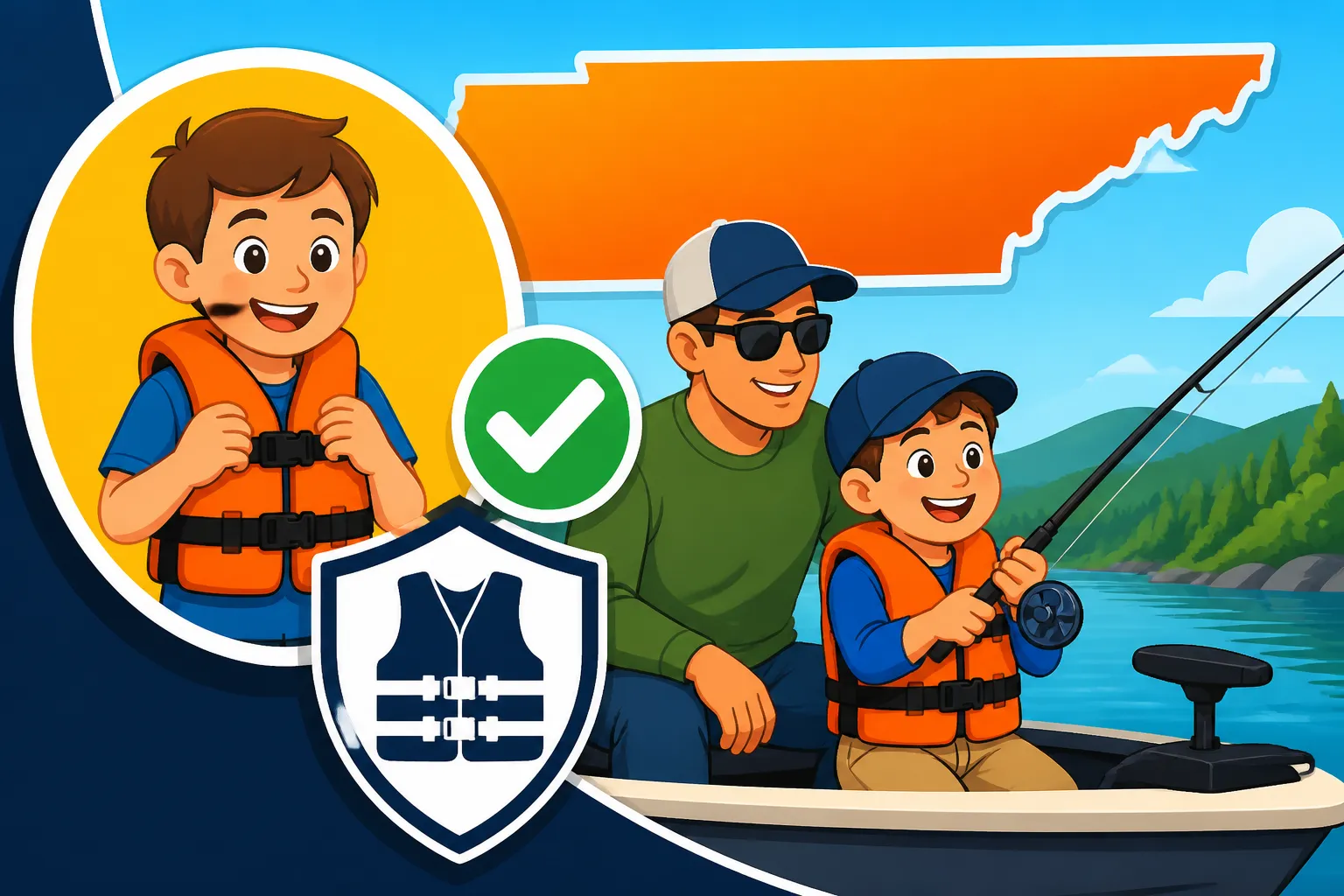
Let's get down to the specifics: In Tennessee, any child under the age of 12 is legally required to wear a U.S. Coast Guard-approved life jacket whenever they are on the open deck or in the cockpit of any vessel that is "underway." This applies across the board, whether you're on a massive pontoon boat, a small fishing skiff, a sailboat, or even a canoe or kayak. It doesn't matter if they are excellent swimmers or if the water seems calm; the rule is non-negotiable for this age group. Tennessee Life Jacket and PFD Rules for Boaters further elaborates on these general requirements.
This means if you're out on Percy Priest Lake in your bass boat with your 10-year-old, that child needs to have their life jacket securely fastened. The same goes if your 7-year-old is riding along on a family outing on Kentucky Lake. There’s no wiggle room here based on how deep the water is, how close you are to shore, or how good the weather is. The law casts a wide net to ensure comprehensive protection for this vulnerable demographic, recognizing that any time a boat is moving, the risk increases. For those interested in smaller crafts, you might also want to look into Life Jacket Rules for Kayaks and Canoes in Tennessee to understand specific nuances for those vessels.
The Definition of "Underway"
Understanding what "underway" means is key to complying with the under-12 life jacket rule. In Tennessee boating regulations, a vessel is considered "underway" any time it is not anchored, moored, or aground. Essentially, if your boat is moving through the water, drifting, or even just momentarily stopped but not securely anchored, it is considered underway. This distinction is crucial because it dictates when that life jacket needs to be on.
Think of it this way: if your boat is actively being propelled by an engine, sail, oars, or even just drifting with the current, it's underway. So, if you're cruising across Watts Bar Lake, trolling for bass, or simply letting the current carry you down the Tennessee River, your under-12 passengers must be wearing their life jackets. Even if you've stopped to cast a line for a few minutes and haven't dropped anchor, your boat is still legally "underway." This strict interpretation ensures that children are protected during the vast majority of activities on the water, precisely when they are most at risk of an unforeseen event.
Understanding Different Types of Life Jackets and Their Importance
Not all life jackets are created equal, and choosing the right one for a child is more important than simply grabbing the first one you see. The U.S. Coast Guard has specific classifications for Personal Flotation Devices (PFDs), and understanding these types is crucial for ensuring effective safety on the water. A poorly fitting or inappropriate life jacket offers a false sense of security, which can be just as dangerous as not wearing one at all.
The Various Types of Personal Flotation Devices PFDs
The U.S. Coast Guard categorizes PFDs into different types, each designed for specific activities and conditions. For children, the most common and recommended types are Type I, Type II, and some Type III PFDs.
- Type I (Offshore Life Jackets): These offer the highest buoyancy and are designed for all waters, including rough, open, or remote areas where rescue might be delayed. They are bulky but are excellent at turning an unconscious person face-up in the water. While very safe, they can be cumbersome for active children.
- Type II (Near-Shore Vests): These are common for general boating activities. They provide good buoyancy and will turn most unconscious wearers face-up. They are less bulky than Type I, making them more comfortable for children, and are suitable for inland waters where there's a good chance of quick rescue. This is often the go-to for kids on lakes and rivers.
- Type III (Flotation Aids): These are often found in vest or jacket styles and are designed for continuous wear, offering more comfort and freedom of movement. They are suitable for most recreational activities and calm, inland waters, but they may not turn an unconscious person face-up. For children, it's critical to ensure any Type III PFD is specifically designed for children and provides adequate support.
- Type IV (Throwable Devices): These are not meant to be worn, but rather thrown to a person in the water. Items like ring buoys or buoyant cushions fall into this category. While important safety equipment, they do not fulfill the requirement for children under 12 to wear a life jacket. It's important to differentiate, as What Is a Type IV Throwable Flotation Device? covers this distinction.
- Type V (Special Use Devices): These are designed for specific activities like kayaking, windsurfing, or waterskiing, and often combine the features of other types. They must be used for their intended purpose to be Coast Guard approved.
When selecting a life jacket for a child, always look for the U.S. Coast Guard approval label. This ensures it meets rigorous safety standards. Retailers like Bass Pro Shops or Amazon offer a wide array of Coast Guard-approved options specifically designed for children, making it easier to find the right one.
How to Choose the Right Size and Fit for Children
A life jacket's effectiveness hinges entirely on its fit. For children, this is particularly critical because a jacket that is too large can ride up around their ears, offering no protection, and one that is too small might not provide enough buoyancy or be too restrictive. When choosing a life jacket for a child, here's what to keep in mind:
- Weight Range: Life jackets are sized by the wearer's weight, not age. Always check the label for the specified weight range (e.g., infant, child, youth). Do not put a child in an adult-sized jacket, and never use a jacket for a child outside its stated weight range.
- Test the Fit: Have the child put on the life jacket and fasten all zippers, buckles, and straps. Then, lift them by the shoulders of the jacket. If the jacket slides up past their ears or chin, it's too big. It should fit snugly without being uncomfortably tight, allowing for full range of motion.
- Crotch Straps: Many children's life jackets include a crotch strap or leg strap. This is a non-negotiable feature for younger children, as it prevents the jacket from riding up over their head when they are in the water, ensuring their mouth and nose stay clear.
- Bright Colors: While not a regulatory requirement, choosing a brightly colored life jacket (like fluorescent yellow, orange, or red) significantly increases a child's visibility in the water, making them easier to spot in an emergency. Best Coast Guard Approved Life Jackets for Kids offers excellent guidance on popular choices.
Remember, a life jacket should be treated like a seatbelt in a car – it only works if it's worn correctly and fits properly. Take the time to ensure the best fit for your child before every outing.
Essential Maintenance and Storage for Longevity
Life jackets are robust pieces of safety equipment, but like anything exposed to the elements, they require proper care to remain effective. Neglecting their maintenance can compromise their integrity, leading to reduced buoyancy or structural failure when you need them most.
After each use, especially in the freshwater lakes and rivers of Tennessee, it’s a good practice to rinse life jackets with fresh water to remove any dirt, mud, or chemical residues. Allow them to air dry completely out of direct sunlight. High heat and UV rays can degrade the fabric and flotation material over time, weakening the jacket. Never store a wet life jacket, as this can lead to mold and mildew, which not only smells terrible but can also damage the material.
Store life jackets in a well-ventilated area, away from direct sunlight, chemicals, and extreme temperatures. Avoid crushing them under heavy items, as this can compress the flotation material and reduce its effectiveness. Regularly inspect life jackets for any signs of wear and tear: ripped fabric, broken buckles or zippers, mildew, or a noticeable loss of buoyancy. If a life jacket shows significant damage or appears compromised, it's time to replace it. A damaged life jacket is a dangerous life jacket. Treating your PFDs with care ensures they'll be ready to perform their vital function whenever called upon, keeping your family safe on all your Best Family Fishing Spots in Tennessee adventures.
Common Scenarios and Misconceptions About the Rule
The Tennessee Under-12 Life Jacket Rule is designed to be comprehensive, but real-world scenarios sometimes lead to questions and misunderstandings. It's easy to assume certain situations might be exceptions, but often, the law is quite clear. Clearing up these common misconceptions can prevent potential fines and, more importantly, ensure continuous safety for children on the water.
When is "Underway" Not "Underway"? Anchoring, Drifting, and Docked Boats
The definition of "underway" is often where confusion arises. Let's break it down:
- Anchored: If your boat is securely anchored and not moving due to current or wind, it is not considered underway. In this specific situation, children under 12 are not legally required to wear their life jackets. However, many seasoned boaters will tell you it's still a smart idea, especially if kids are actively moving around or playing near the water's edge. This scenario is specifically addressed in Can Kids Skip Life Jackets When a Boat Is Anchored in Tennessee?.
- Moored/Docked: When your boat is tied up to a dock, pier, or another vessel, it is not underway. Children can typically remove their life jackets in these stable, non-moving environments. Again, parental discretion and vigilance are always recommended, especially if there's a risk of falling into the water from the dock or boat.
- Aground: If your vessel is intentionally or unintentionally stuck on the bottom, it's considered aground and not underway.
- Drifting: This is where many people get confused. If your boat is drifting, even if the engine is off and you're not actively propelling it, it is still considered underway. The current or wind is moving the vessel, which means conditions could change rapidly, and a child going overboard would be at risk. Therefore, life jackets are required for under-12s while drifting.
It's crucial to err on the side of caution. If there's any doubt about whether your boat is "underway," it's always safest to ensure children are wearing their life jackets.
Exceptions to the Rule: What About Specific Watercraft?
Some boaters mistakenly believe that certain types of watercraft might be exempt from the under-12 life jacket rule. The reality is that Tennessee's law is quite broad and covers nearly all recreational vessels.
- Canoes and Kayaks: Yes, even if your child is quietly paddling with you in a canoe or kayak on a calm stream like the Caney Fork River, if the vessel is underway, they must be wearing a life jacket. Many parents assume that because these are smaller, slower crafts, the rules might be different. This is a dangerous assumption. Do Kayakers Need Life Jackets in Tennessee? reinforces this point for paddlers.
- Stand-Up Paddleboards (SUPs): While often used in calm conditions, if a child under 12 is on an SUP that is underway, they are legally required to wear a life jacket.
- Sailboats: The same rule applies to sailboats. If the boat is being propelled by wind and is underway, children under 12 must wear a PFD.
- Pontoons, Fishing Boats, Runabouts: These larger, more traditional vessels definitely fall under the rule. There are no exceptions based on the size or speed of the vessel, only whether it is "underway."
The intent of the law is to protect children on any vessel that is moving on the water, recognizing that accidents can happen regardless of the type of boat.
The "Borrowed" Life Jacket Dilemma
Another common issue arises when children are on a boat where they don't have their own properly fitted life jacket. Perhaps a neighbor is taking them out, or they're with a grandparent who doesn't regularly boat with children. The "borrowed" life jacket dilemma can quickly become a legal and safety problem.
It's not enough to simply have a life jacket on board; it must be the correct size and fit for the child, and they must be wearing it. An adult-sized life jacket, or one clearly too big for a child, is insufficient and offers minimal protection. If a child's life jacket is borrowed and it doesn't fit properly, it's essentially useless in an emergency. Before any child steps onto a boat, ensure they have their own, properly fitted, Coast Guard-approved life jacket. This isn't just a suggestion; it’s a legal requirement that directly impacts the child's safety. Make sure every child has their own PFD, whether purchased from Bass Pro Shops or Amazon, well in advance of a trip.
Beyond the Law: Best Practices for Child Boating Safety
While the Tennessee Under-12 Life Jacket Rule provides a crucial legal framework for safety, true water wisdom goes beyond mere compliance. Cultivating a culture of safety on your boat involves modeling responsible behavior, educating your young passengers, and preparing for the unexpected. These best practices not only enhance safety but also instill a lifelong respect for the water in children.
Leading by Example: Adults Wearing Life Jackets
One of the most powerful ways to promote boating safety for children is for adults to lead by example. If children consistently see adults, especially parents or guardians, wearing their life jackets while the boat is underway, they are much more likely to embrace the habit themselves. This sends a clear message that life jackets are not just for kids or for emergencies, but a standard piece of safety equipment for everyone on board.
Beyond setting an example, adults wearing life jackets also serves a practical safety purpose. In the event of a sudden capsize or accident, if an adult is already wearing a PFD, they can more effectively assist children or other passengers without having to struggle to put on their own jacket. This precious time saved can be critical. Remember, boating safety is a team effort, and every member of the crew, regardless of age, benefits from responsible practices. It’s part of a broader Essential Safety Gear Checklist Before a Tennessee Fishing Trip that every responsible boater should follow.
Educating Children About Water Safety
Simply telling a child to "wear your life jacket" is less effective than explaining why it's important. Take the time to educate children about water safety in an age-appropriate way. Explain how life jackets work, demonstrating how they keep you afloat. Talk about the potential dangers of falling into the water and how the jacket helps. Involve them in the safety process, perhaps by having them help check buckles and straps on their own jacket.
Teach them basic water safety rules, such as not running on the boat, keeping hands and feet inside the vessel, and what to do if they see someone fall overboard (shout for help, point, don't jump in after them). Consider enrolling older children in basic swimming or water safety courses. Empowering children with knowledge makes them active participants in their own safety, rather than just passive recipients of rules. It fosters a healthy respect for the power and unpredictability of water, something crucial for any Kid-Friendly Fishing Spots in Tennessee adventure.
Emergency Preparedness and What to Do in a Capsize
Even with all precautions, accidents can happen. Being prepared for emergencies, especially a capsize or someone falling overboard, is vital.
- "Reach, Throw, Row, Go": Teach children the "reach, throw, row, go" mantra. Reach for the person if they're close enough, using an oar or a boat hook. Throw them a throwable flotation device (like a Type IV cushion) if they're further away. Row (or motor) to them if they're too far to throw. Only Go into the water as a last resort and if you are trained and equipped for rescue.
- Man Overboard Drill: Practice a simple "man overboard" drill with your family. This doesn't have to be elaborate, but it helps everyone understand their role. Designate someone to point at the person in the water, someone to throw a throwable device, and the operator to maneuver the boat for a safe retrieval.
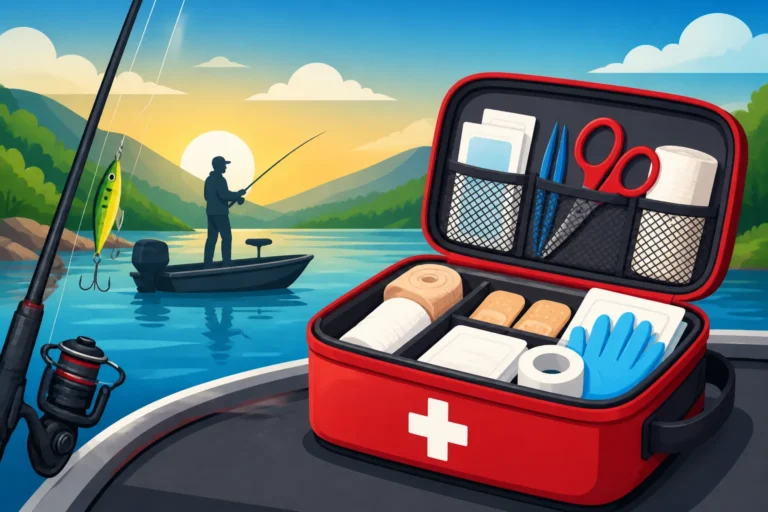
- Emergency Gear: Ensure your boat is equipped with necessary safety gear, including a first aid kit Best First Aid Kits for Tennessee Boat Anglers, a marine radio, signaling devices, and a whistle. Know how to use them.
- Cold Water Immersion: Discuss the dangers of cold water immersion. Explain how quickly cold water can incapacitate someone, even a good swimmer. This reinforces the importance of wearing a life jacket, as it conserves body heat and keeps the person afloat, even if they can't swim.
Being prepared isn't about expecting the worst; it's about being ready for anything. A calm, prepared response in an emergency can significantly improve outcomes, and training your family to respond correctly is invaluable.
Penalties for Non-Compliance and Enforcement
Ignoring Tennessee's Under-12 Life Jacket Rule isn't just a safety oversight; it's a legal violation with consequences. The Tennessee Wildlife Resources Agency (TWRA) is serious about boating safety, and their game wardens actively patrol the state's waterways to ensure compliance. Understanding the potential penalties and how the rule is enforced can further motivate boaters to prioritize this crucial regulation.
The Consequences of Ignoring the Rule
If a game warden observes a child under 12 on an underway vessel without a properly worn life jacket, the boater (typically the operator of the vessel) can face legal repercussions. While specific fines can vary, violations generally result in a citation and monetary penalty. These fines are designed to be a deterrent, reminding boaters of the seriousness of the regulation. More importantly, beyond the financial cost, there's the emotional burden and potential legal liability if an accident were to occur due to non-compliance.
The immediate consequence is often a stop by a TWRA officer, which can interrupt your peaceful day on the water. A citation for a safety violation can be a blot on your record and lead to mandatory court appearances in some cases. It's a preventable situation that can easily be avoided by simply ensuring every child has their life jacket on. The minor inconvenience of putting on a life jacket pales in comparison to the hassle and cost of a legal penalty, let alone the devastating potential of an avoidable accident.
How Game Wardens Enforce the Regulation
TWRA game wardens are highly visible on Tennessee's lakes and rivers, performing routine safety checks and responding to calls. Their enforcement strategy for the under-12 life jacket rule is generally straightforward: they observe vessels and if a child under 12 is seen without a life jacket while the boat is underway, they will initiate a stop. These officers are well-versed in boating laws, including all aspects of Tennessee Fishing Regulations Explained.
During a stop, the warden will typically verify the child's age and the operational status of the vessel (i.e., whether it's underway). They may also check for other required safety equipment, such as a fire extinguisher, sound-producing devices, and a Type IV throwable PFD for boats over 16 feet. Their goal is not just to issue tickets, but to educate boaters and ensure everyone understands and follows safety guidelines. They are authorized to issue citations on the spot. It's always best to be polite, cooperative, and to have all your paperwork and safety gear in order, including visible, properly worn life jackets for all eligible children.
Reporting Violations and Promoting Community Safety
While law enforcement plays a critical role, community vigilance also contributes to overall boating safety. If you witness a blatant and persistent violation of the under-12 life jacket rule, and you believe a child's safety is at immediate risk, you can report it to the TWRA. This isn't about being a "snitch" but about being a responsible member of the boating community who prioritizes the well-being of children.
The TWRA often provides contact information on their website for reporting wildlife and boating violations. When making a report, provide as much detail as possible, such as the location, date, time, description of the vessel, and the nature of the violation. By upholding these safety standards collectively, we ensure that Tennessee's beautiful waters remain a safe and enjoyable environment for everyone, especially our youngest anglers and adventurers. This collective effort reinforces the importance of rules like Youth Fishing License Rules in Tennessee and all other safety measures on the water.
Comparing Life Jacket Requirements
To help clarify the differences in life jacket requirements for children and adults in Tennessee, here's a handy table summarizing the key points:
| Feature | Children Under 12 (on underway vessels) | Individuals 12 and Older (on underway vessels) | All Persons (on all vessels) |
|---|---|---|---|
| Requirement | MUST WEAR a USCG-approved PFD | Must have a USCG-approved PFD available | A Type IV throwable device required on vessels 16 ft and over |
| "Underway" | Life jacket required | PFD must be readily accessible | N/A (for throwable device) |
| Anchored/Docked | Not legally required (but recommended) | PFD must be readily accessible | N/A (for throwable device) |
| Exceptions | Very few (e.g., in enclosed cabin) | None for having an available PFD | None |
| Purpose | Active protection from drowning | Passive protection, immediate access | Emergency rescue aid |
| Fit | Crucial: by weight, with crotch strap | Size appropriate for user | Easily retrievable |
This table highlights the clear distinction: for children under 12, the requirement is to wear the life jacket, ensuring constant protection. For older individuals, while carrying a life jacket is mandatory, actually wearing it is left to personal judgment, though always highly recommended for maximum safety.
Disclaimer
This article is for general informational purposes only and does not constitute professional advice. Laws, prices and regulations vary by location and change over time. Consult a qualified professional for guidance on your specific situation.