Tennessee Boat Registration Cost by Length
Alright, let's talk about something that can feel like a real headache when you're just itching to get your boat out on Tennessee's beautiful waters: the registration fees. It can be confusing trying to figure out exactly what you'll pay, especially since the cost often depends on the size of your vessel. This guide is here to demystify the boat registration costs in Tennessee, breaking down how the length of your boat directly impacts what you'll fork over to keep everything legal and above board.
The Essentials of Tennessee Boat Registration: Why Your Boat's Length Matters
Before you even think about dropping your boat into Chickamauga Lake or cruising along the Tennessee River, you absolutely need to make sure it's properly registered with the Tennessee Wildlife Resources Agency (TWRA). This isn't just a suggestion; it's the law, and dodging it can lead to fines that are a lot more expensive than the registration itself. One of the biggest factors determining what you'll pay for that registration is, you guessed it, the length of your boat.
What Requires Registration in Tennessee?
It’s a common question, and often a source of confusion for new boat owners or those coming from other states. In Tennessee, any vessel principally operated on the state's public waters that is propelled by machinery, including gasoline, diesel, or electric motors – even just a trolling motor – must be registered. This means if you've got a small fishing boat with an electric trolling motor for quiet stealth around those shallow coves, or a massive pontoon for family fun, it needs registration. There are some exceptions, like canoes and kayaks without motors, or boats that are federally documented, but for most recreational anglers and boaters, registration is a must. If you're unsure about your specific vessel, it's always best to check the official TWRA guidelines or their website for the most up-to-date details. You might also want to read up on Tennessee Boat Registration Requirements Explained to get the full scoop on what qualifies.
Why the Length Matters for Fees
The reason boat length is such a critical factor in registration costs boils down to a few things. Generally, larger boats tend to have a greater impact on waterways, require more resources for patrolling and enforcement, and often imply a higher value or more extensive use. From an administrative perspective, it’s a straightforward way to categorize vessels and apply a tiered fee structure that feels somewhat equitable. It's a system designed to reflect the scale of your recreational footprint, so to speak. So, while your buddy with a 15-foot jon boat will pay one amount, someone with a 24-foot bass boat or a large cruiser will be looking at a different, often higher, fee. This tiered approach aims to spread the financial responsibility of maintaining our waterways across all boat owners, with those owning larger vessels contributing more.
Decoding the Cost Structure: Length Categories and Fees
Understanding the exact dollar amounts can sometimes feel like trying to untangle a stubborn fishing line, but the principle behind Tennessee's boat registration fees is quite clear: the longer your boat, the more it costs. The state sets up specific length categories, and each category has its own registration fee.
Breaking Down the Length Categories and Their Costs
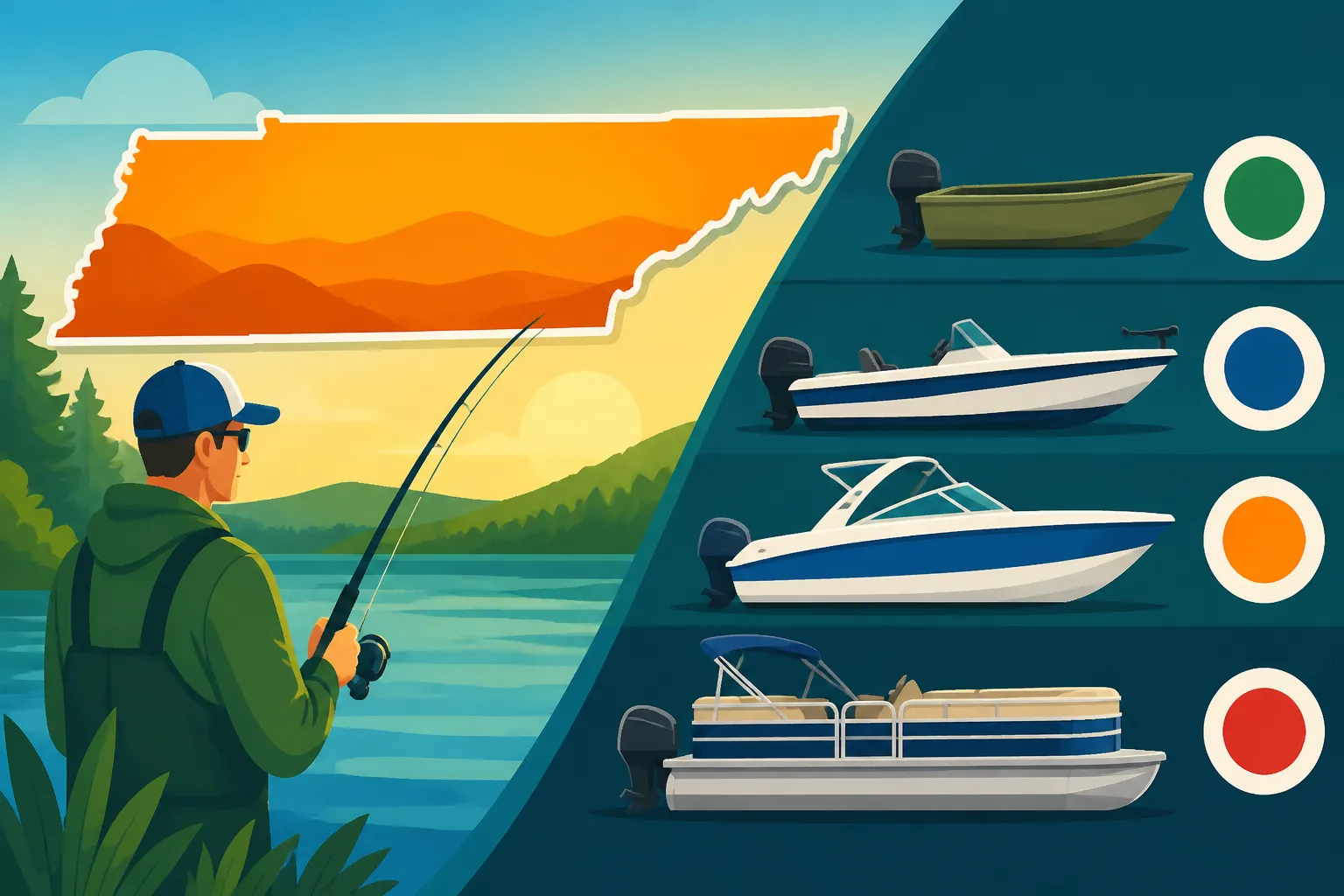
The Tennessee Wildlife Resources Agency organizes boat registration fees into several distinct length brackets. These brackets typically start with the smallest motorized vessels and incrementally increase up to the largest recreational boats. For instance, you might find categories like "up to 16 feet," "16 feet to under 20 feet," "20 feet to under 26 feet," and so on, continuing up to vessels of 40 feet and over. Each of these categories will have an associated registration fee. It's important to remember that these fees are subject to change, so while I can describe the structure, the precise dollar amounts should always be confirmed on the official TWRA website or at a licensed vendor like many Bass Pro Shops locations.
To give you a clearer picture, here's a generalized table illustrating how these length categories typically influence the registration cost. Please note, these are illustrative categories and you should always check the current TWRA fee schedule for exact figures.
| Boat Length Category (Approximate) | Typical Annual Registration Fee (Illustrative Range – Check TWRA for current prices) |
|---|---|
| Less than 16 feet | Lower tier |
| 16 feet to less than 20 feet | Mid-low tier |
| 20 feet to less than 26 feet | Mid tier |
| 26 feet to less than 40 feet | Mid-high tier |
| 40 feet and over | Higher tier |
This tiered system ensures that everyone contributes, but those with larger, often more expensive, boats contribute a bit more to the overall management of our state's beautiful waterways.
Example Scenarios for Different Boat Sizes
Let’s think about this with some real-world examples. Imagine you're a new angler, just bought a 14-foot aluminum fishing boat with a small outboard motor for chasing crappie on Percy Priest Lake. You'd fall into the lowest length category, and your registration cost would reflect that. It's usually the most budget-friendly option, making it accessible for those starting out or with smaller, simpler setups.
Now, consider a family who invested in a 22-foot pontoon boat for weekend outings on Norris Lake, where they can swim, picnic, and do a little leisurely fishing. This pontoon would typically place them in a mid-range category, meaning a higher registration fee than the small jon boat owner, but still quite reasonable for the enjoyment they get from their larger vessel. Finally, picture someone with a 30-foot cabin cruiser that they use to explore the vast expanse of Kentucky Lake. This boat would likely be in one of the higher length categories, resulting in a more substantial registration fee, reflecting the size and complexity of the vessel. Each scenario clearly shows how boat length directly translates to its associated registration cost in Tennessee, reinforcing the importance of measuring your boat accurately. You can also explore Multi-Year Boat Registration Options in Tennessee which might offer some savings in the long run.
Beyond the Base: Other Financial Considerations for Boat Owners
While the annual registration fee, determined by your boat's length, is a primary cost, it's certainly not the only financial aspect of boat ownership in Tennessee. There are other expenses you might encounter, especially when you first acquire a boat, or if you opt for certain additional permits. It's smart to be aware of these so there are no unwelcome surprises.
Sales Tax and Other Initial Purchase Costs
When you first buy a boat in Tennessee, whether it's brand new from a dealership or a used gem from a private seller, you'll almost certainly be on the hook for sales tax. This tax is typically calculated on the purchase price of the vessel and can add a significant chunk to your initial outlay. It's not part of the annual registration fee, but it's a critical upfront cost that many first-time boat buyers might overlook in their excitement. Think of it as a one-time investment in joining the Tennessee boating community. Beyond sales tax, if you're financing your boat, you'll have loan interest, and then there are insurance premiums, which are highly recommended to protect your investment. You can often find a lot of essential boating gear and accessories, from life jackets to safety kits, on platforms like Amazon or at stores like Bass Pro Shops, but those are separate purchases from the registration itself.
Optional Fees and Permits
While not directly tied to the boat registration cost by length, there are other permits that you might need or choose to get, depending on your fishing habits. For example, if you plan on targeting trout in Tennessee's designated trout waters, you'll need a special trout permit in addition to your regular fishing license. This permit has its own cost and is separate from your boat's registration. Similarly, if you're fishing a tournament, while the standard fishing license is often sufficient, it's always wise to check if the specific tournament or waters have any additional, localized permit requirements. These are usually angler-specific, not boat-specific, but they contribute to the overall cost of enjoying our state's aquatic offerings. To delve deeper into fishing licenses, you can refer to One-Day License vs Annual License: Which Costs Less or specifically Do You Need a Trout Permit With Your Tennessee License.
The Lack of a Boat Title in Tennessee
Here's an important distinction that often confuses people, especially those moving to Tennessee from states that do issue titles for boats: Tennessee does not issue titles for most recreational boats. This is a significant difference from how cars are handled, and it impacts how ownership is proven and transferred. Instead of a title, the TWRA uses the registration document as proof of ownership and for record-keeping. When you register your boat, you'll receive a registration card and decals for your boat. This means the process for transferring ownership when selling or buying a used boat relies heavily on proper documentation of the sale and the subsequent transfer of registration. Understanding this nuance is crucial for smooth transactions and avoiding legal headaches down the line. For more detailed information, check out Why Tennessee Doesn't Issue Boat Titles.
Navigating the Registration and Renewal Process
Once you understand the costs associated with your boat's length, the next step is actually getting that registration sorted. Luckily, Tennessee has made the process relatively straightforward, offering both online and in-person options for your convenience. Knowing what to expect and what documents you'll need can save you a lot of time and potential frustration.
The Online Registration and Renewal Process
For many busy boaters, the online system is a godsend. You can register a new boat or renew an existing one from the comfort of your home, any time of day. Generally, you'll need information about your boat (like its length, make, model, and Hull Identification Number or HIN), your personal details, and a valid payment method. The TWRA website is designed to walk you through the steps, and once completed, you'll usually receive a temporary registration that allows you to hit the water immediately while your official decals and card are mailed to you. This convenience is a huge plus, especially if you suddenly realize your registration expired right before a planned fishing trip. When your renewal time rolls around, the process is even simpler as your boat's information is usually pre-filled. You can find more specific guidance on How to Renew a Tennessee Boat Registration Online.
Registering In-Person at a TWRA Office or Vendor
If you prefer a face-to-face interaction, have questions, or just need to get your registration done right away and pick up your decals on the spot, visiting a TWRA regional office or an authorized license agent is a great option. These agents are often found in sporting goods stores like Bass Pro Shops, many bait and tackle shops, and even some county clerk offices. When going in person, make sure you bring all necessary documentation. This typically includes proof of ownership (like a bill of sale or manufacturer's statement of origin), your identification, and payment. They can help you accurately measure your boat if you're unsure, ensure all forms are filled out correctly, and often provide immediate temporary proof of registration and decals. It's a hands-on approach that some find reassuring, especially for complex situations or first-time registrations. Before heading out, a quick call to confirm their hours and what documents to bring can save you a wasted trip.
What to Do When Selling or Buying a Used Boat
The transfer of ownership for a boat in Tennessee, given the lack of titles, centers heavily on the proper execution of a bill of sale and the subsequent registration update. If you're selling your boat, it's crucial to provide the buyer with a clear, signed bill of sale that includes all boat details (HIN, make, model, length) and the purchase price, along with your contact information. As the seller, you should also ideally remove your registration decals from the boat and notify the TWRA of the sale.
For buyers, receiving a legitimate bill of sale is paramount. This document, along with your ID and payment, will be what you use to register the boat in your name. You'll take this information to a TWRA office or an authorized vendor, pay the registration fees based on the boat's length, and they will then issue you new decals and a registration card. Don't forget, you'll need your own valid fishing license if you plan on casting a line from your newly acquired vessel. It's a smooth process as long as you have the correct paperwork. Remember, any mechanically propelled vessel, including one equipped with just a trolling motor, requires registration, so if you're buying a small fishing boat, you might also want to consult How to Register a Boat With a Trolling Motor in Tennessee.
Disclaimer
This article is for general informational purposes only and does not constitute professional advice. Laws, prices and regulations vary by location and change over time. Consult a qualified professional for guidance on your specific situation.