Does a Trolling-Motor-Only Boat Skip Tennessee’s Registration Requirement?
One common point of confusion for anglers, especially those just getting started or considering a smaller, more minimalist setup, is whether a boat that only has a trolling motor needs to be registered in Tennessee. Many folks assume that because it’s not a big gas engine, it might fall under some exemption. This guide is here to clear up that very real question and help you understand Tennessee's boat registration requirements, ensuring you're legal and ready to hit the water without any unwelcome surprises.
The Core Question: Do Trolling-Motor-Only Boats Need to Be Registered in Tennessee?
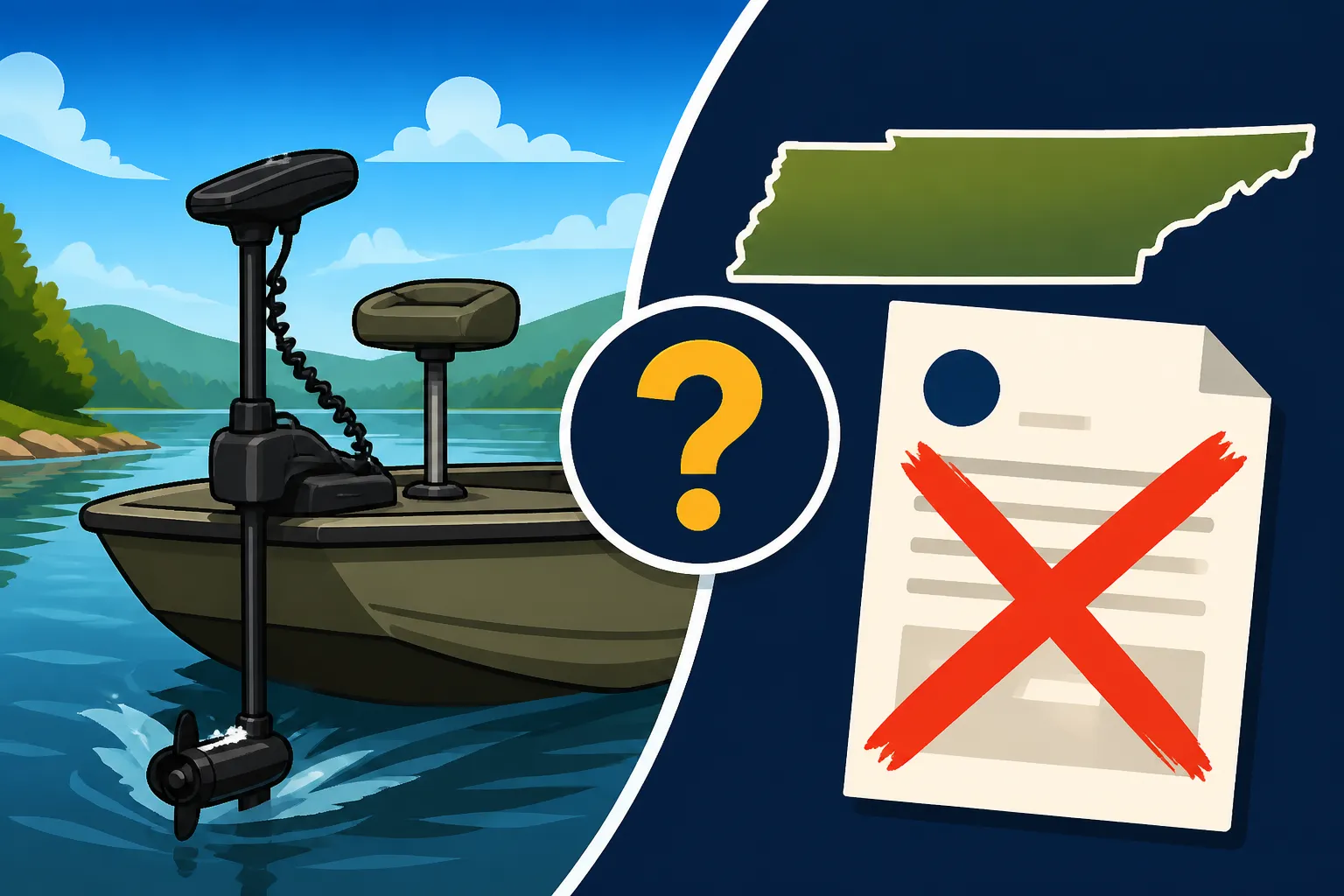
It's a question that pops up a lot around the bait shop and on online forums: "I've got a little john boat, or maybe a canoe or kayak, and I just slapped a small electric trolling motor on it. Do I really need to register it?" The short answer, and it might surprise some, is often a resounding yes. Tennessee law is pretty clear on this, and it doesn't always distinguish between a massive outboard engine and a quiet, battery-powered trolling motor when it comes to the basic definition of a "mechanically propelled" vessel.
When you think about it, the idea behind boat registration is about identification, safety, and managing traffic on our beautiful Tennessee waterways. Whether a boat is propelled by a 200-horsepower Mercury or a 30-pound thrust electric motor, it's still moving under mechanical power, capable of causing a wake, interacting with other boats, and needing to be identifiable in case of an incident. It's not just about speed; it's about the method of propulsion.
So, if your boat, regardless of its size or original design (be it a kayak, canoe, john boat, or inflatable), has any kind of motor attached – even just a small electric trolling motor – it needs to be registered with the Tennessee Wildlife Resources Agency (TWRA). This applies even if you only use the trolling motor occasionally or mostly paddle the craft. The mere presence of mechanical propulsion is what triggers the requirement. It’s a detail that can easily be overlooked, leading to an unwanted conversation with a game warden out on a lake like Chickamauga or Percy Priest.
Understanding "Mechanical Propulsion" in Tennessee
The legal definition of "mechanical propulsion" is the key here, and it's broader than many people assume. In Tennessee, any vessel that is equipped with machinery for propulsion, whether it's an internal combustion engine, an electric motor, or even a small auxiliary motor, generally falls under the registration umbrella. This definition doesn't discriminate based on horsepower or the type of fuel used; electricity counts just as much as gasoline.
Think of it this way: if you're not solely relying on human power (paddling, rowing, poling) or wind power (sailing), then your boat is considered mechanically propelled. This includes even those tiny, lightweight trolling motors that some anglers attach to the back of their kayaks or canoes for a little extra push or for precision maneuvering while fishing. Many folks consider these small electric motors to be an extension of their paddling, almost like a powered assist, but the law sees it differently. They are mechanical propulsion, pure and simple, and thus require registration.
This can be a point of frustration for those who feel their small, quiet electric motor isn't in the same league as a roaring gas engine. However, the TWRA's stance is pretty consistent across the board to ensure clarity and safety. It simplifies enforcement and ensures that almost all powered vessels are accounted for on public waters. Do Electric Trolling Motors Count as Mechanical Propulsion in Tennessee? clarifies this aspect further if you want to dive deeper into the legal specifics.
Why Even Small Electric Motors Count
The reason why even small electric trolling motors necessitate registration boils down to consistency and safety on the water. Imagine a scenario on a busy lake like Kentucky Lake. If only large boats were registered, it would be much harder for authorities to track down smaller vessels involved in accidents or rule infractions. Registration creates a verifiable record for every powered craft.
Consider a small kayak with a trolling motor that ventures into an area with heavy boat traffic. While the motor itself might not make the kayak a high-speed danger, it still contributes to its movement and interaction with other vessels. The registration helps ensure that every operator understands their responsibilities and that their vessel can be identified. It's less about the potential for high speed and more about the simple act of operating a mechanically powered vessel on public waters.
Furthermore, registration fees contribute to the management and conservation efforts of Tennessee's waterways. These funds help maintain boat ramps, conduct fish stocking programs, and support the enforcement activities that keep our fishing environments healthy and accessible. So, while it might feel like an extra hoop to jump through for a tiny motor, it's part of a larger system designed to benefit all anglers and boaters in the state. You can find many of the necessary boat safety items, like registration paperwork holders or safety lights, at places like Bass Pro Shops or even through Amazon, making it easier to gather what you need once you understand the requirements.
Diving Deeper into Tennessee's Boat Registration Requirements
Once you understand that your trolling-motor-equipped vessel likely needs registration, the next step is to understand the broader context of Tennessee's boat registration requirements. It's not just about the motor; it's about the type of vessel and how it's used. This section will help clarify what else you need to know to ensure you're fully compliant with state regulations.
The TWRA is the governing body for boat registration in Tennessee, and they aim to make the process as straightforward as possible, though sometimes the nuances can be a bit tricky. The overarching rule is that any vessel with mechanical propulsion must be registered, and this includes boats designed for gas engines, electric trolling motors, or even hybrid systems. It's a fundamental aspect of operating on the state's lakes and rivers.
Knowing the specific requirements, including what documentation you'll need and how often you'll need to renew, is crucial for any responsible boater. This proactive approach not only keeps you out of trouble but also contributes to a safer and more enjoyable environment for everyone on the water. Tennessee Boat Registration Requirements Explained offers a comprehensive overview that can guide you through the full spectrum of what's expected.
What Boats Are Exempt From Tennessee Registration?
While the rule about mechanical propulsion is broad, there are exemptions. Understanding these can help you confirm whether your specific vessel truly requires registration or not, especially if you have a variety of crafts.
Generally, boats that are solely propelled by human power (like canoes, kayaks, rowboats, paddleboards, and rafts) do not need to be registered in Tennessee unless they have a motor attached, even temporarily. This is where the distinction becomes critical. A standalone kayak, no matter how fancy, does not need registration. But that same kayak with a small electric motor clipped on suddenly falls under the registration requirement. This means if you're a avid kayaker who sometimes adds a motor for convenience, you'll need to register for those motorized excursions.
Other exemptions typically include:
- Boats documented with the U.S. Coast Guard: These are usually larger commercial or recreational vessels.
- Lifeboats: Any lifeboat used solely for rescue purposes.
- Public vessels of the U.S. or a state: Government-owned vessels.
- Boats from other states: If they are properly registered in their home state and are only in Tennessee for 60 consecutive days or less. This is important for visitors planning a trip.
- Vessels manually propelled: As mentioned, canoes, kayaks, and similar craft without any mechanical means of propulsion.
It's really the "mechanical propulsion" part that makes the difference. If you're considering a purely paddle-powered kayak for fishing, you can skip the registration, but if you're looking at a fishing kayak that comes equipped with or has the capacity for a trolling motor, plan on getting those numbers and decals. For those wondering about kayaks specifically, Do Kayaks Need to Be Registered in Tennessee? provides more targeted information.
The Registration Process: What to Expect
Registering your boat, even if it's just a small one with a trolling motor, is a fairly straightforward process once you know the steps. The TWRA oversees all boat registrations in Tennessee. You'll typically need to provide proof of ownership, such as a manufacturer's statement of origin (MSO) for a new boat or a bill of sale for a used one. You'll also need to fill out a registration application.
The application will ask for details about your boat, including its make, model, length, and hull identification number (HIN). For a boat with a trolling motor, you'll also indicate the type of motor. Once your application and fees are processed, the TWRA will issue you a registration card, a certificate of number, and decals that must be displayed on your boat.
You have options for how you want to register. You can often do it in person at a TWRA office, through the mail, or often even online. Many people find the online method to be the most convenient, allowing them to complete the process from the comfort of their home. Just make sure you have all your documentation in order before you start. You might even find some initial forms or information kits available at local sporting goods stores like Bass Pro Shops, or by searching the TWRA website. How to Buy or Renew a Tennessee Fishing License Online covers a similar online process for licenses, giving you an idea of the convenience.
Here's a quick comparison of general vessel types and their typical registration needs in Tennessee:
| Boat Type | Mechanical Propulsion Present? | Registration Required? | Common Examples |
|---|---|---|---|
| Kayak/Canoe | No | No | Solo paddle kayak, traditional canoe |
| Kayak/Canoe with Trolling Motor | Yes | Yes | Fishing kayak with electric motor |
| Jon Boat | Yes (typically) | Yes | Jon boat with gas or electric motor |
| Bass Boat | Yes | Yes | Large bass boat with powerful outboard |
| Sailboat | No (if wind-powered only) | No | Purely sail-powered vessel |
| Sailboat with Auxiliary Motor | Yes | Yes | Sailboat with a small "kicker" motor for docks |
| Paddleboard | No | No | Stand-up paddleboard |
This table helps illustrate that the presence of any mechanical motor is the primary trigger for registration.
The Practical Side: Staying Legal and Safe on Tennessee Waters
Navigating the waters of Tennessee means more than just knowing where the fish are biting; it means understanding and adhering to the state's boating regulations. For those with trolling-motor-only boats, this primarily revolves around registration, but it also extends to other crucial safety aspects. Being prepared and compliant isn't just about avoiding a ticket; it's about ensuring your safety and the safety of everyone else enjoying the natural beauty of Tennessee's lakes and rivers.
It's easy to focus solely on the fishing aspect of your trip, but a little bit of planning and attention to regulations beforehand can save you a lot of headache on the water. From making sure your registration is current to having the right safety gear onboard, every detail matters. This holistic approach to boating helps foster a responsible community of anglers and outdoor enthusiasts who respect the rules and each other.
Proof of Registration and Displaying Decals
Once your boat is registered, you'll receive a registration card and a certificate of number. It is crucial to always carry your current registration certificate on board your vessel when in operation. This is your proof that your boat is legally permitted on Tennessee waters. A game warden can and will ask to see it, and not having it can lead to fines.
In addition to the card, the TWRA will provide you with decals. These decals, along with your registration numbers, must be properly displayed on both sides of the bow of your boat. The numbers need to be block letters, at least three inches high, and in a contrasting color to the hull, making them clearly visible. The decals are then placed according to specific instructions, usually within a few inches of the numbers. It’s not just about having them; it’s about having them displayed correctly. If you're unsure about the exact placement, the TWRA website or the instructions that come with your registration will guide you.
This might seem like a small detail, but it's important for identification purposes, especially for smaller boats that might otherwise blend in on larger bodies of water. Keeping your registration current, whether it's a one-year or three-year option, is also vital. You can usually How to Renew a Tennessee Boat Registration Online, making it convenient to stay on top of this requirement.
Beyond Registration: Other Essential Safety Gear
While registration is key for your trolling-motor-only boat, it's just one piece of the puzzle for responsible boating. Even small boats need essential safety gear. These requirements are in place to protect you and your passengers in case of an emergency, and they are rigorously enforced by the TWRA.
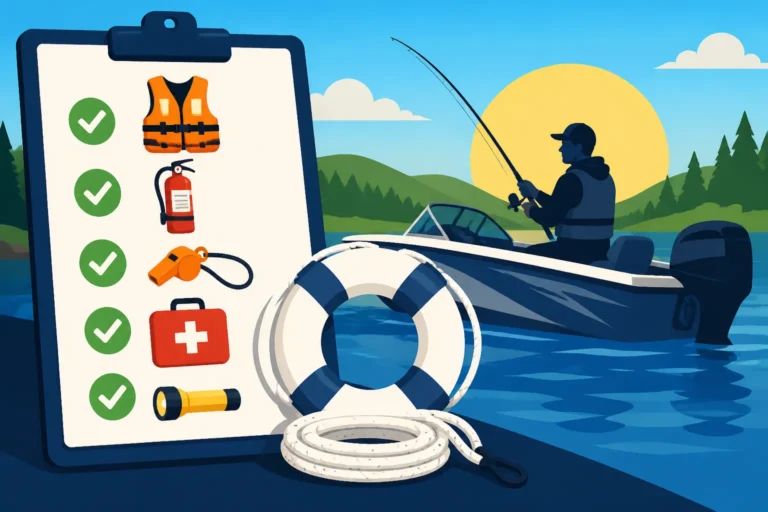
Here's a quick rundown of some universal safety items you should always have, regardless of your boat's size or propulsion type:
- Life Jackets (PFDs): Every person on board must have a U.S. Coast Guard-approved wearable personal flotation device (PFD). For children under 12, they must wear a life jacket whenever the boat is underway. This is a non-negotiable rule. You can find a wide range of PFDs at local retailers like Bass Pro Shops or online through Amazon.
- Throwable Device: Boats 16 feet or longer, with some exceptions for canoes and kayaks, must have at least one Type IV throwable flotation device (like a cushion or ring buoy) readily accessible.
- Fire Extinguisher: While smaller boats often have exemptions, it's always wise to know if your specific setup requires one, especially if you have an enclosed engine compartment or fuel tanks.
- Sound-Producing Device: A whistle, horn, or other device capable of producing an efficient sound signal. This is critical for signaling other vessels or in emergencies.
- Navigation Lights: If you're operating between sunset and sunrise, or during periods of restricted visibility, proper navigation lights are a must. Even a small trolling-motor boat needs to be visible to others.
- Bailing Device: A bucket or bilge pump to remove water from your vessel.
- Paddle/Oars: Even with a trolling motor, having a backup form of propulsion is smart in case your battery dies or the motor malfunctions.
Always double-check the specific requirements for your vessel's length and type on the TWRA website. It's better to be over-prepared than to find yourself in a dangerous situation without the necessary safety equipment. For a more detailed look, check out Tennessee Life Jacket and PFD Rules for Boaters or Essential Safety Gear Checklist Before a Tennessee Fishing Trip to ensure you're fully covered. Being knowledgeable and equipped allows you to fully enjoy your time on Tennessee's incredible waters.
Disclaimer
This article is for general informational purposes only and does not constitute professional advice. Laws, prices and regulations vary by location and change over time. Consult a qualified professional for guidance on your specific situation.