Life Jacket Rules for Kids Under 12 on Tennessee Boats
It's a beautiful day out on the water, the sun is shining, and your boat is gliding across a sparkling Tennessee lake. You've got the cooler packed, the fishing rods ready, and the kids are buzzing with excitement. But then a little seed of doubt creeps in: "Are all the kids wearing the right kind of life jacket? Do they really need to wear it the whole time? What are the actual rules for kids under 12?" These questions are incredibly common, and honestly, the nuances can be confusing. This guide is here to clear up all that uncertainty, so you can focus on making memories safely on Tennessee's incredible waterways.
Why These Rules Matter: Safety First!
When we talk about life jacket rules, it's never about bureaucracy; it's always about preventing tragedies. Boating is one of the most beloved pastimes in Tennessee, but it comes with inherent risks, especially when children are involved. Understanding and adhering to these regulations isn't just about avoiding a ticket; it's about safeguarding the most precious cargo you have on board.
The Real Dangers of Drowning: Beyond Just Falling In
Drowning can happen silently and incredibly quickly, often without the dramatic splashing or cries for help that we might imagine. A child can slip, fall, or get disoriented in the water in a matter of seconds, and without proper flotation, the outcome can be devastating. Even strong swimmers can be caught off guard by a sudden wake, a propeller current, or an unexpected capsize. When a child is wearing a properly fitted, Coast Guard-approved life jacket, it provides crucial buoyancy and can help turn them face-up in the water, allowing them to breathe and giving valuable time for rescue. It’s not just about preventing a fall in; it’s about what happens after they are in the water. The shock of cold water, the disorientation, and the physical exertion can quickly overwhelm even an adult, let alone a small child.
The statistics are sobering, highlighting that many boating fatalities involve individuals who were not wearing a life jacket. For children, who often have less developed motor skills, weaker swimming abilities, and a higher center of gravity, the risk is even greater. A life jacket acts as an always-on safety net, a constant guardian that is there precisely when it's needed most, without relying on anyone else's immediate reaction time. It offers peace of mind knowing that should the unthinkable happen, your child has the best possible chance of survival.
Understanding Tennessee's Commitment to Boating Safety
The Tennessee Wildlife Resources Agency (TWRA) takes boating safety very seriously, and the rules regarding life jackets, especially for minors, are a cornerstone of their efforts. These regulations are not arbitrary; they are carefully crafted based on years of accident data, expert recommendations, and best practices observed across the nation. Tennessee's commitment is rooted in a desire to ensure that everyone can enjoy the state's abundant lakes and rivers without unnecessary risk. They want families to come home safely, every single time.
This dedication to safety extends beyond just passive rules. The TWRA also provides valuable resources like boating safety courses and educational materials, all aimed at empowering boaters with the knowledge and skills to navigate safely. The specific rule for children under 12 is a proactive measure, acknowledging the particular vulnerability of young children and placing the responsibility squarely on adults to ensure their safety. It reflects a clear understanding that prevention is far more effective than rescue, and that a simple piece of safety equipment can be the difference between a memorable day and a tragic one. You can read more about overall Tennessee Boating Safety Education Certificate Guide if you're looking to deepen your understanding of safe practices on the water.
The Core Rule: Kids Under 12 and Life Jackets in Tennessee
Let's get straight to the point because this is the rule that causes the most confusion and is absolutely critical for anyone boating with young ones in Tennessee. It’s simple, yet often misunderstood, leading to potential fines and, more importantly, avoidable dangers.
When is a Life Jacket Absolutely Required?
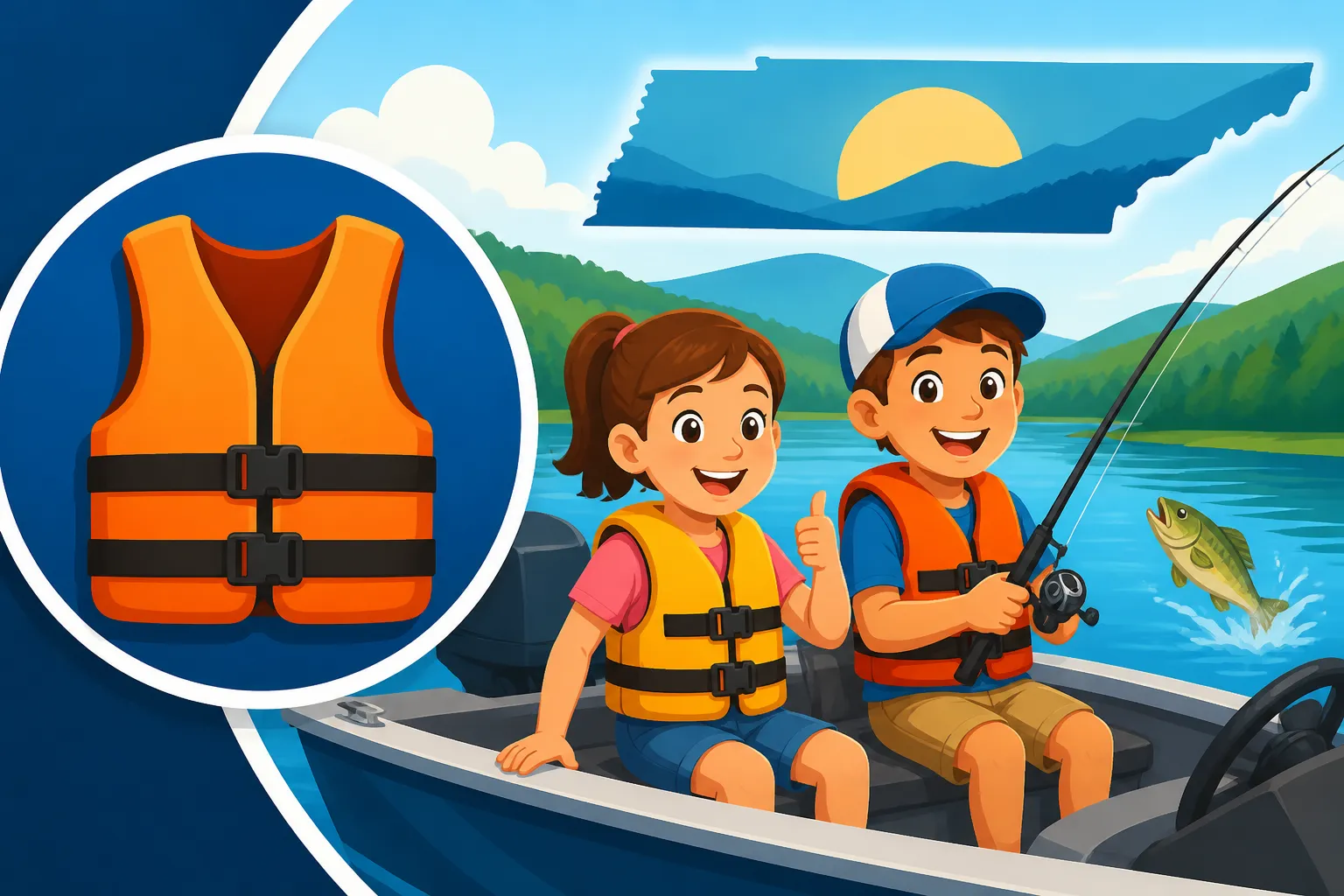
In Tennessee, any child under the age of 12 must wear a U.S. Coast Guard-approved life jacket (also known as a Personal Flotation Device or PFD) whenever they are on the open deck or in the cockpit of a vessel that is underway. That phrase "underway" is key. It means your boat is not anchored, moored, or aground. If you're drifting, powered by an engine, sailing, or being propelled by paddles, you are considered "underway." This rule applies to all vessels, from a massive pontoon boat on Kentucky Lake to a small fishing skiff on the Tennessee River, and yes, even kayaks and canoes. There's no escaping this one if you have a child under 12 aboard and your boat is moving.
So, picture this: You're cruising across Percy Priest Lake, the wind in your hair, and your eight-year-old is sitting on the bow. They must have their life jacket on and properly fastened. Even if you're just slowly trolling for bass, the rule still applies. It's a non-negotiable safety measure designed to ensure that if anything unexpected happens—a sudden turn, a jolt, or even an accidental fall overboard—your child is immediately protected. This isn't a suggestion; it's a legal requirement with penalties for non-compliance. For a more detailed look, check out Tennessee's Under-12 Life Jacket Rule Explained.
Exceptions and Common Misconceptions
While the "underway" rule is broad, there are a few specific instances where the life jacket requirement for children under 12 might not apply, which often leads to misconceptions. It's crucial to understand these nuances to avoid confusion.
Firstly, if your vessel is anchored, moored, or aground, the child is not legally required to wear the life jacket. So, if you've dropped anchor in a quiet cove on Chickamauga Lake for a swim, or you're tied up at a dock, your child can take their life jacket off. However, common sense and parental discretion are paramount here. If they're swimming, they absolutely should still be wearing one, or at least be under direct adult supervision. If they're moving about the boat while it's anchored, and there's a risk of falling in, it's always safer for them to keep it on.
Secondly, the rule explicitly states "on the open deck or in the cockpit." This means if a child is below deck in an enclosed cabin, they are not required to wear a life jacket. For larger houseboats or cruisers with sleeping quarters or an enclosed salon, this provides a brief reprieve. However, the moment they step out onto the open areas of the boat, the jacket needs to go back on if the vessel is underway. Don't let the technicality overshadow safety; an enclosed cabin offers different protection than being on the open water.
A common misconception is that the rule doesn't apply if a child is a strong swimmer. This is absolutely false. The rule applies regardless of swimming ability. Accidents happen fast, and even Olympic swimmers can be incapacitated by a sudden impact or cold shock. Another false belief is that it only applies to certain types of boats. No, it applies to all vessels, including personal watercraft (PWCs), canoes, kayaks, and fishing boats. For those curious about smaller watercraft, you can look up Life Jacket Rules for Kayaks and Canoes in Tennessee to learn more. Remember, when it comes to child safety on the water, always err on the side of caution. The purpose of these rules is to protect lives, not to be a burden.
Choosing the Right Life Jacket for Your Child
Now that we know when kids need to wear a life jacket, the next crucial step is ensuring they're wearing the right one. A life jacket that doesn't fit properly or isn't appropriate for their activity is almost as bad as no life jacket at all. It's not a one-size-fits-all situation, especially for growing children.
Sizing and Fit: More Critical Than You Think
Getting the right fit for a child's life jacket is non-negotiable. It needs to be snug, but not uncomfortably tight, and it absolutely must not ride up over their ears when you lift it by the shoulders. If it does, it's too big and could slip off in the water, defeating its entire purpose. Children's life jackets are typically sized by weight range, so always check the label. Don't try to buy one that they'll "grow into" – a poorly fitting life jacket is a dangerous one.
When trying on a life jacket, have your child put it on, zip it up, and buckle all the straps. Then, stand behind them, grab the shoulders of the jacket, and gently lift. If the jacket slides up past their chin or ears, it's too loose. Adjust the straps and try again. If it still rides up, you need a smaller size. This test is vital because in real-world conditions, a jacket that rides up could impede breathing or offer insufficient flotation where it's most needed. Make sure to get one with a crotch strap for smaller children; this prevents the jacket from floating up around their head. A well-fitting life jacket allows for natural movement, so kids don't feel overly restricted, which can reduce their desire to wear it. Finding the right fit might take a little patience, but it’s an investment in their safety that’s truly priceless.
Different Types of PFDs and What They Mean for Kids
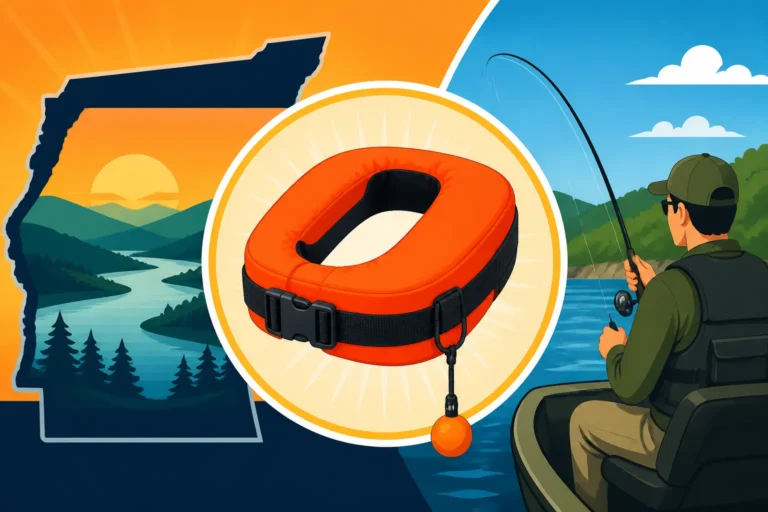
The U.S. Coast Guard classifies PFDs into different types, each designed for specific boating activities and conditions. For children, especially those under 12, inherently buoyant (foam-filled) PFDs are almost always the best and safest choice. Inflatable PFDs, while popular with adults for comfort, are generally not approved for individuals under 16 years of age and require active participation (like manual inflation), which is unsuitable for children.
For kids, you'll typically be looking at Type II and Type III PFDs:
- Type II (Near-shore buoyant vests): These are designed to turn an unconscious person face-up in the water. They have more buoyancy around the neck and head. They're good for calm, inland waters where rescue is likely to be quick. For very young children or those who might be unconscious, this can be a crucial feature.
- Type III (Flotation aids): These are designed for comfort and wearability during activities like waterskiing, fishing, or general boating. They usually don't have the same turning ability as a Type II, but they allow for a full range of motion. Many child life jackets are Type III because they encourage children to wear them more consistently due to comfort. However, they rely on the wearer to maintain a face-up position.
Some child-specific PFDs might also be labeled as "child" or "infant" and are designed with features like headrests for added support and crotch straps to prevent ride-up. Always look for the U.S. Coast Guard approval stamp on the label. This ensures the device meets rigorous safety standards. For a deep dive into what makes a life jacket truly effective for young ones, you might find Best Coast Guard Approved Life Jackets for Kids a helpful resource.
Here’s a quick overview of PFD types and their relevance for kids:
| PFD Type | Description | Primary Use for Kids (Under 12) | Key Considerations |
|---|---|---|---|
| Type II | Near-shore buoyant vest, often collar-style. | Excellent for general boating on calm waters. Good turning ability. | Offers good turning capability for unconscious wearers. Can be bulky. |
| Type III | Flotation aid, vest-style, often more comfortable. | Best for active boating, fishing, watersports. Allows greater mobility. | May not turn an unconscious person face-up. Emphasizes wearer comfort for consistent use. |
| Type I | Offshore buoyant vest, high buoyancy. | Extended trips, rough water, where rescue may be delayed. | Very bulky, less common for kids' casual use. Maximizes flotation. |
| Type V | Special use device (e.g., deck suits, work vests). | Only if specifically approved for child use and activity. | Must be worn to be considered valid. Inflatables are usually Type V, and generally not for kids under 16. |
Where to Find Quality Life Jackets
Finding a quality life jacket for your child shouldn't be difficult, but it does require attention to detail. You'll want to shop at reputable retailers that specialize in outdoor and marine gear. Stores like Bass Pro Shops are excellent places to start, as they typically have a wide selection of Coast Guard-approved PFDs in various child sizes and types. Their staff are often knowledgeable and can help you ensure a proper fit.
Online retailers like Amazon also offer a vast array of options. When purchasing online, pay very close attention to the sizing charts, customer reviews, and ensure the product clearly states "U.S. Coast Guard Approved." Don't be tempted by non-approved flotation devices or "swim aids" – these are not substitutes for a genuine life jacket and will not meet Tennessee's legal requirements or provide adequate safety. Look for bright colors to increase visibility in the water. Remember, a life jacket is a piece of safety equipment, not a fashion accessory. Investing in a good one is investing in your child's life.
Practical Tips for Boating with Kids in Tennessee
Beyond the legal requirements, there's a lot you can do to make boating with kids safer and more enjoyable. A little planning and a proactive approach can make all the difference, transforming potential worries into genuine fun.
Making Life Jackets Fun (or at least tolerable)
Let's be honest, getting kids to wear anything they might perceive as uncomfortable or restrictive can be a challenge, and life jackets are no exception. But with a bit of creativity, you can turn it into less of a battle. First, involve them in the selection process. Let them pick a color or design, perhaps from a range of Coast Guard-approved options at Bass Pro Shops or on Amazon. When they feel a sense of ownership, they're more likely to cooperate.
Make it a rule that the life jacket goes on before they even step onto the boat, and it doesn't come off until they're safely back on shore. Consistency is key. Explain why they need to wear it – not as a punishment, but as their superhero gear for the water, keeping them safe. Show them how it works and how it helps them float. You can even practice wearing it in shallow, calm water to let them experience the buoyancy in a controlled environment. If you wear your own life jacket, you're setting a great example. Peer pressure works both ways, so if other kids are wearing them, your child will be more inclined to follow suit. Turn it into a game: "Who can get their safety gear on the fastest?" or "Who has the coolest life jacket today?" A positive attitude from adults goes a long way in making life jackets an accepted, normal part of boating.
Beyond the Life Jacket: Other Safety Measures
While the life jacket is paramount, it's just one piece of the overall boating safety puzzle when kids are aboard. There are many other proactive steps you can take to ensure a safe and memorable outing.
Firstly, adult supervision is non-stop. Never assume a child is safe just because they're wearing a life jacket. Designate an adult "spotter" if there are multiple children, especially when swimming or engaged in watersports. Their sole job is to watch the kids. Secondly, establish clear boat rules for children. This might include "no running on deck," "always hold a handrail when moving," or "stay seated when the boat is underway." Make sure they understand these rules and the reasons behind them. Children should also understand basic hand signals or commands in case engine noise makes verbal communication difficult.
Consider taking a boating safety course yourself. Even if you're an experienced boater, these courses often cover specific considerations for children, emergency procedures, and updated regulations that you might not be aware of. The Tennessee Boating Safety Education Certificate Guide is a great place to start. Third, prepare for sun and heat. Children are more susceptible to sunburn and heatstroke. Ensure they have appropriate sun protection like hats, sunglasses, and plenty of sunscreen. Stay hydrated with water and avoid excessive sugary drinks.
Finally, have an emergency plan and teach older children what to do in a crisis. Where is the first-aid kit? How do you use the marine radio? What's the procedure for a person overboard? Even knowing to stay calm and follow adult instructions is crucial. Always carry an Essential Safety Gear Checklist Before a Tennessee Fishing Trip to make sure you're fully prepared. By combining life jacket compliance with these broader safety measures, you create an environment where children can truly enjoy the wonders of Tennessee's waters without undue risk.
Disclaimer
This article is for general informational purposes only and does not constitute professional advice. Laws, prices and regulations vary by location and change over time. Consult a qualified professional for guidance on your specific situation.