How to Winterize a Boat Trailer in Tennessee
Winterizing your boat trailer might feel like an extra chore after a long fishing season, but neglecting it can lead to frustrating and expensive surprises when spring rolls around. From rusted bearings to cracked tires and corroded wiring, Tennessee's winter weather, even if milder than some northern states, can still wreak havoc. This comprehensive guide will walk you through the essential steps to properly winterize your boat trailer, ensuring it stays in top condition and is ready for your next adventure on the water.
Why Winterizing Your Boat Trailer Matters in Tennessee
Many Tennessee anglers might think winterizing their boat trailer isn't as critical as winterizing the boat itself, especially with our sometimes milder winters. But that couldn't be further from the truth. Your trailer is constantly exposed to the elements, and even without freezing temperatures every day, moisture, temperature fluctuations, and plain old neglect can cause significant damage. Think of it as putting your vehicle away for several months without basic care – you wouldn't expect it to start right up without issues, would you?
Protecting Your Investment from the Volunteer State's Winter Chill
Even if you're not seeing feet of snow, Tennessee winters can bring a mix of cold rain, freezing nights, and occasional ice or snow. This cocktail of conditions is particularly harsh on metal components, rubber, and electrical systems. When you pull your boat out of the water, especially after a day on a larger reservoir like Chickamauga or Kentucky Lake, the trailer is often still wet. If that moisture then freezes overnight, it can expand and cause damage, particularly to hubs and brakes. Proper winterization acts as a protective shield, minimizing the impact of these environmental stressors and keeping your trailer's components from deteriorating prematurely. It's about proactive care for a vital piece of your fishing arsenal.
Avoiding Costly Repairs and Unexpected Breakdowns
No one wants to start their fishing season with a trip to the repair shop instead of the lake. Neglecting to winterize your trailer can lead to a host of problems that are not only inconvenient but also expensive to fix. Bearings seize up due to water intrusion and rust, tires develop flat spots or cracks, and electrical connections corrode, leading to frustrating light failures. Imagine loading up your boat for that first spring trip, only to find a wheel won't turn smoothly or your brake lights aren't working, potentially leading to a roadside stop or even an accident. A little effort now can save you a lot of headache and money later. Investing a few hours in winterization is a small price to pay compared to replacing an entire axle or redoing all your trailer wiring.
Maintaining Performance and Extending Longevity
A well-maintained trailer isn't just about avoiding repairs; it's about ensuring reliable performance year after year. Every component on your trailer is designed to work together to safely transport your boat. When parts like bearings, tires, and the suspension are regularly cleaned, inspected, and lubricated, they perform better and last longer. This means smoother towing, less wear and tear on your vehicle, and ultimately, more years out of your trailer. It's like regular oil changes for your car – it keeps everything running optimally. By taking the time to winterize, you're not just preserving the trailer for the winter; you're actively contributing to its overall lifespan and ensuring it remains a dependable partner for all your Fishing in Tennessee: License and Rule Basics adventures.
Key Components of Your Trailer That Need Attention
When it comes to winterizing your boat trailer, it's not a one-size-fits-all approach for every part. Different materials and functions require specific care. Understanding which components are most vulnerable to winter conditions is the first step to ensuring a thorough job. We're talking about everything that keeps your boat rolling and safely secured.
Wheels, Tires, and Bearings: The Foundation
These are arguably the most critical components for safe towing, and they take a beating throughout the year.
- Tires: Your trailer tires are different from your car tires. They're designed to carry heavy loads and often sit for long periods. During winter, they can suffer from dry rot, cracking, and developing flat spots if left under full load in one position. The rubber itself can degrade in fluctuating temperatures.
- Wheels: While often made of steel or aluminum, wheels can still corrode, especially at the lug nuts or where they meet the hub. Rust can weld lug nuts in place, making tire changes a nightmare.
- Bearings: These are the unsung heroes of your trailer, allowing the wheels to spin freely. They are also incredibly susceptible to water intrusion, which, when combined with cold temperatures, leads to rust, pitting, and ultimately, failure. If you've ever had a bearing seize up on the highway, you know it's not an experience you want to repeat. Many modern trailers come with bearing protectors (like Bearing Buddies), but they still need to be checked and potentially re-greased to ensure a good seal and sufficient lubrication for winter storage.
The Frame and Axle: Structural Integrity
The frame and axle form the backbone of your trailer, supporting the entire weight of your boat.
- Frame: Whether galvanized steel or aluminum, the frame is constantly exposed to water, salt (if you've been in brackish water or if road salt is used on Tennessee roads), and road grime. Over time, this can lead to corrosion, especially at welds and bolt-on components. Rust not only looks bad but severely compromises the structural integrity of the trailer.
- Axle: Similar to the frame, the axle is a critical weight-bearing component. It's often where suspension components (leaf springs, torsion axles) are attached. These areas are prone to collecting dirt and moisture, leading to rust and reduced flexibility in the suspension. The brakes, if your trailer has them, are typically mounted to the axle assembly and need their own careful inspection to ensure they don't seize over the off-season.
Lights, Wiring, and Electrical Connections
Electrical issues are a top frustration for any boater, and winter conditions only exacerbate them.
- Lights: Trailer lights are notorious for acting up. Cold temperatures can make plastic lenses brittle, and moisture can seep into fixtures, corroding bulbs and wiring. It's common to see a signal or brake light suddenly not work after sitting all winter.
- Wiring: The wiring harness runs the length of your trailer, often exposed or minimally protected. Rodents love to chew on wires when seeking shelter, and insulation can crack in cold weather. Connectors, particularly the main plug that connects to your tow vehicle, are prime spots for corrosion due to moisture and exposure to the elements. These are the components that ensure you stay safe and legal on the road, following important guidelines like those in Tennessee Life Jacket and PFD Rules for Boaters.
Winch, Jack, and Tongue: Mechanical Essentials
These components might seem less critical than the wheels or frame, but they're essential for launching, loading, and parking your boat.
- Winch: The winch assembly, including the strap or cable and the crank mechanism, can seize if left unprotected. Rust can build up in the gears, and the strap can degrade from UV exposure and moisture if not properly cleaned and stored.
- Jack: The tongue jack, whether a swivel or fixed model, is vital for maneuvering your trailer off the hitch. Its internal gears and moving parts can rust and bind, making it incredibly difficult to raise or lower the tongue. The wheel or footpad can also seize.
- Tongue: The tongue itself is an extension of the frame but is also where the coupler is located. The coupler mechanism needs to be clean and lubricated to ensure easy and secure attachment to your tow vehicle's hitch ball. Rust on the tongue can affect its strength and the proper function of safety chains.
By systematically addressing these areas, you'll be well on your way to a successful winterization that pays dividends when you're ready to hit the water again.
Step-by-Step Winterization Process for Your Tennessee Trailer
Alright, now that we know why and what needs attention, let's get down to the nitty-gritty of how to actually winterize your boat trailer. This isn't just about hosing it down; it's a careful, methodical process that will protect your investment.
A Thorough Cleaning and Inspection
Before you apply any protective coatings or grease, everything needs to be spotless. Start by finding a good spot where you can work, ideally with access to water.
- Wash Down the Entire Trailer: Use a pressure washer or a strong hose nozzle to remove all mud, grime, algae, and any residue from the lakes. Pay close attention to the frame, axle, wheel wells, and especially the underside. Road salt, even if not directly applied in Tennessee, can be picked up from interstate travel. A good boat soap can help break down stubborn dirt.
- Inspect for Damage: Once clean, give the entire trailer a detailed once-over. Look for any signs of rust developing, chipped paint, cracked welds, bent components, or loose bolts. Check the wiring for frays, nicks, or exposed copper. Inspect the winch strap for tears or excessive wear. This is your chance to catch small issues before they become big, expensive problems. Take notes or even photos of anything that might need repair in the spring. This critical inspection can save you from bigger headaches down the road.
- Check Tire Pressure and Condition: Ensure your tires are inflated to the manufacturer's recommended pressure. Under-inflated tires are more prone to flat spotting during storage. Look for any cracks in the sidewalls, uneven wear, or foreign objects embedded in the tread. If a tire looks questionable, consider replacing it now rather than being stranded roadside next spring. You can often find reliable tire pressure gauges and even small air compressors on Amazon or at local auto parts stores.
Protecting Wheels, Tires, and Bearings
These are crucial for mobility and safety. Don't skimp here.
- Bearing Maintenance: If your trailer has bearing protectors, check if they need a shot of fresh marine-grade grease. Use a grease gun to pump in grease until the indicator is where it should be. If you have conventional hubs, this might be the time to remove the wheels, pull the hubs, clean out the old grease, inspect the bearings for wear, and repack them with fresh grease. This is a bit more involved but offers superior protection.
- Tire Care: Once tires are properly inflated, consider parking the trailer on blocks or jack stands to take the weight off the tires. This prevents flat spots from developing. If you can't block it up, at least rotate the tires slightly every few weeks or once a month during storage. You might also consider using tire covers, especially if storing outdoors, to protect the rubber from UV rays, which can cause cracking and dry rot. A good quality tire protectant spray can also help.
- Wheel and Lug Nut Protection: After cleaning, consider applying a thin coat of rust-inhibiting spray or wax to the wheels and lug nuts. This forms a barrier against moisture and corrosion, making it easier to remove lug nuts when you need to change a tire later.
Addressing the Frame and Axle
The structural components need corrosion protection.
- Rust Treatment: For any minor rust spots you identified during inspection, treat them. Wire brush away loose rust, apply a rust converter, and then touch up with a rust-inhibiting primer and paint that matches your trailer. Don't let a small spot grow into a major problem.
- Protective Coating: Once the frame is clean and dry, consider applying a frame protectant spray or a good quality automotive wax. For areas prone to rock chips or heavy wear, some anglers even use a clear coat protectant designed for truck beds or undercarriages. This creates an additional barrier against moisture and corrosion.
- Suspension Components: If your trailer has leaf springs, clean them thoroughly and spray them with a penetrating lubricant or a specific leaf spring protectant to prevent rust and maintain flexibility. For torsion axles, ensure all mounting bolts are tight and free of rust.
Safeguarding Electrical Systems
Don't let corroded wires ruin your first spring trip.
- Disconnect and Clean Connections: Disconnect the main trailer plug from your tow vehicle's receptacle (if still connected). Use electrical contact cleaner on the pins of the trailer plug and your vehicle's receptacle. This removes corrosion and improves conductivity.
- Grease and Protect: Apply dielectric grease to all electrical connections, including the main plug, light bulb bases, and any exposed wiring junctions. Dielectric grease repels moisture and prevents corrosion without impeding electrical flow.
- Secure Wiring: Inspect all wiring to ensure it's securely fastened to the trailer frame and not dangling or rubbing against anything that could cause chafing. If you notice any exposed wires, repair them with electrical tape or heat-shrink tubing. Consider covering the main plug with a plastic bag or a dedicated cap to keep moisture and dirt out.
Lubricating Moving Parts
Smooth operation relies on good lubrication.
- Winch: Clean the winch mechanism and apply a light waterproof grease to the gears. Lubricate the pivot points of the handle. Inspect the winch strap or cable; if it's frayed, replace it. Consider a replacement from a reputable retailer like Bass Pro Shops. If you have a strap, ensure it's dry before storing it, and don't leave it cinched down tight during winter storage, as this can stretch it.
- Tongue Jack: Clean the threads and gears of the tongue jack thoroughly. Apply a generous amount of waterproof grease to the screw mechanism. Work the jack up and down a few times to distribute the grease evenly. Consider leaving the jack in a slightly extended position to prevent rust from forming between the inner and outer tubes.
- Coupler: Clean the inside of the coupler mechanism and apply a waterproof grease to all moving parts, including the latch and pivot points. Work the latch open and closed a few times to ensure the grease is distributed. A light spray of rust inhibitor on the exterior of the coupler helps too. This ensures your trailer is ready to hitch up effortlessly, whether you're heading to Chickamauga Lake: Tennessee's Top Bass Fishing Destination or a smaller local pond.
By following these steps, you'll have a trailer that's not only protected from the elements but also meticulously inspected and ready for a trouble-free spring.
Storage Tips and Final Checks
You've done the hard work of cleaning and protecting; now it's time to ensure your trailer rests easy for the winter. Where and how you store it can significantly impact how well it holds up until spring.
Choosing the Right Storage Location
The ideal storage location provides protection from the elements, but even if that's not possible, there are still ways to minimize exposure.
- Indoors is Best: If you have access to a garage, barn, or covered storage unit, that's always the best option. Indoor storage protects your trailer from rain, snow, ice, direct sunlight (which degrades tires and plastics), and fluctuating temperatures. It also reduces the risk of theft and keeps out curious critters who might chew on wires or build nests. If you store your boat and trailer indoors, remember to still ensure adequate ventilation to prevent moisture buildup.
- Covered Outdoor Storage: A carport or a lean-to offers a good compromise. It keeps direct rain and snow off the trailer, mitigating a lot of the moisture issues. While it won't protect from extreme cold, it's far better than open-air exposure.
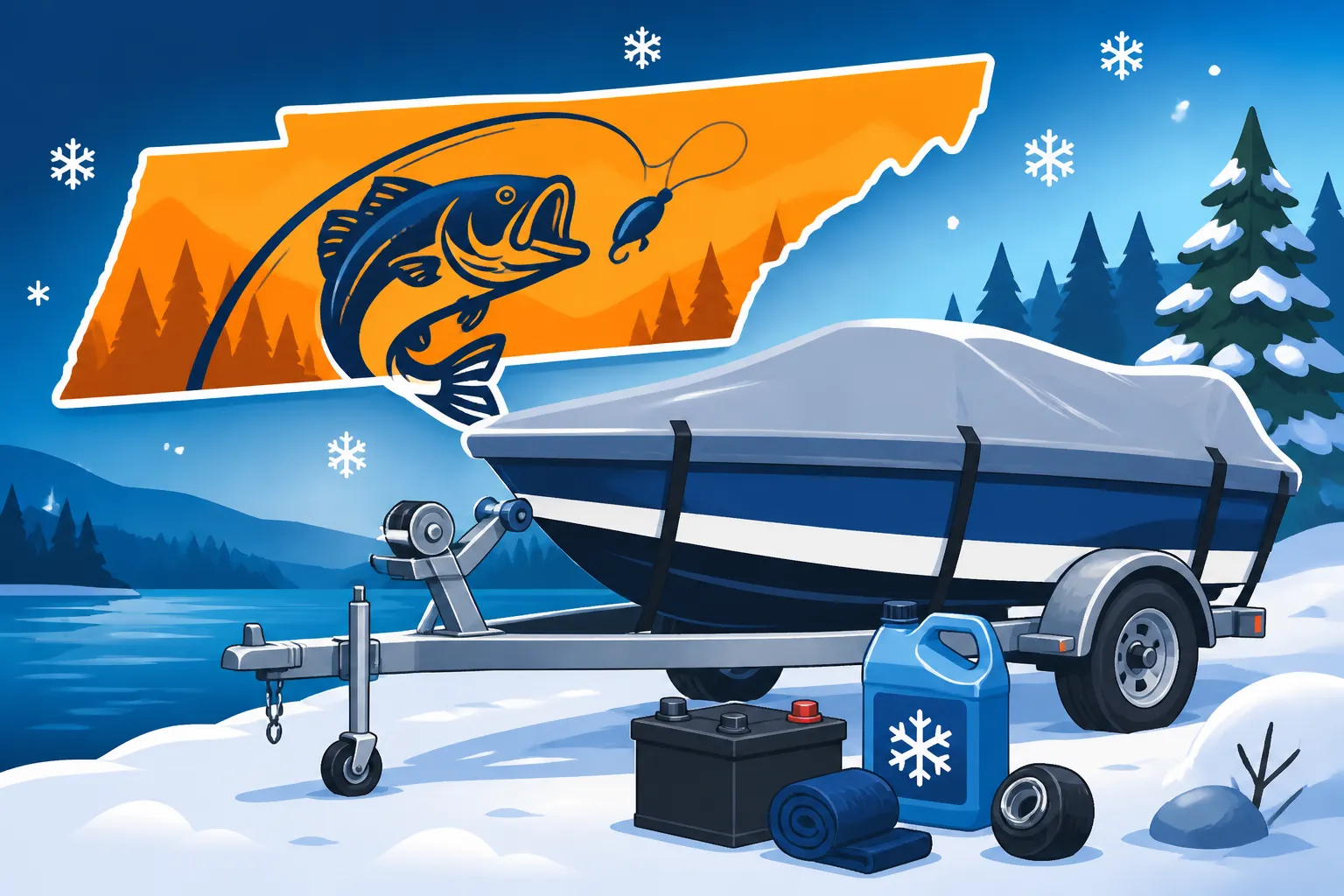
- Open-Air Outdoor Storage: If storing outside is your only option, choose a spot that's level and has good drainage to prevent water from pooling around the tires or frame. Consider placing a heavy-duty, waterproof cover over the entire boat and trailer. Ensure the cover is properly secured to prevent wind damage and create ventilation points to avoid mildew. Raising the tongue slightly can help water run off the boat and trailer more effectively. Remember, even with a cover, direct sunlight and prolonged exposure to freezing rain can still take their toll. Parking your trailer on gravel or asphalt is often better than bare earth, as it reduces direct contact with moisture from the ground.
Pre-Season Prep: Getting Back on the Water
Winterization isn't just about putting it away; it's also about setting yourself up for an easy spring revival.
- Document Everything: Make a list of everything you did, any repairs noted, and where you stored certain items (like the registration or a spare key). This will save you time and headaches when it's time to get back on the water. Keep your Tennessee Fishing License Costs and Types and Tennessee Boat Registration Requirements Explained information handy for quick reference.
- Periodic Checks: Even in storage, it's a good idea to check on your trailer every month or so. Check tire pressure, look for any signs of critter activity, and ensure the cover (if used) is still secure. If you didn't block up the tires, remember to move the trailer slightly to rotate the tire contact points.
- Spring De-Winterization: When spring arrives, your pre-season check will be much simpler thanks to your winterization efforts. You'll recheck tire pressure, ensure all lights are working (a quick test with your tow vehicle), check lug nut torque, and verify the coupler and jack are functioning smoothly. You'll be able to hit the water knowing your trailer is in prime condition, ready to take you to your favorite Best Fishing Lakes in Tennessee without a hitch. By taking these thoughtful steps, you can avoid the common pitfalls and ensure your trailer is ready for action as soon as the fish start biting!
| Component | Winterization Action | Benefit |
|---|---|---|
| Wheels/Tires | Inflate, block up or rotate, use covers | Prevents flat spots, dry rot, ensures safe towing |
| Bearings | Grease, inspect for water intrusion | Prevents rust, seizing, ensures smooth wheel rotation |
| Frame/Axle | Clean, treat rust, apply protective coating | Prevents corrosion, maintains structural integrity |
| Lights/Wiring | Clean connections, apply dielectric grease, secure | Prevents electrical failures, corrosion, rodent damage |
| Winch/Jack/Coupler | Clean, lubricate all moving parts, inspect strap | Prevents seizing, ensures easy loading/unloading, safe hitching |
| Storage Location | Covered or level, well-drained area | Protects from elements, prolongs component life |
Disclaimer
This article is for general informational purposes only and does not constitute professional advice. Laws, prices and regulations vary by location and change over time. Consult a qualified professional for guidance on your specific situation.