Do You Need a Special License to Tow a Boat Trailer in Tennessee?
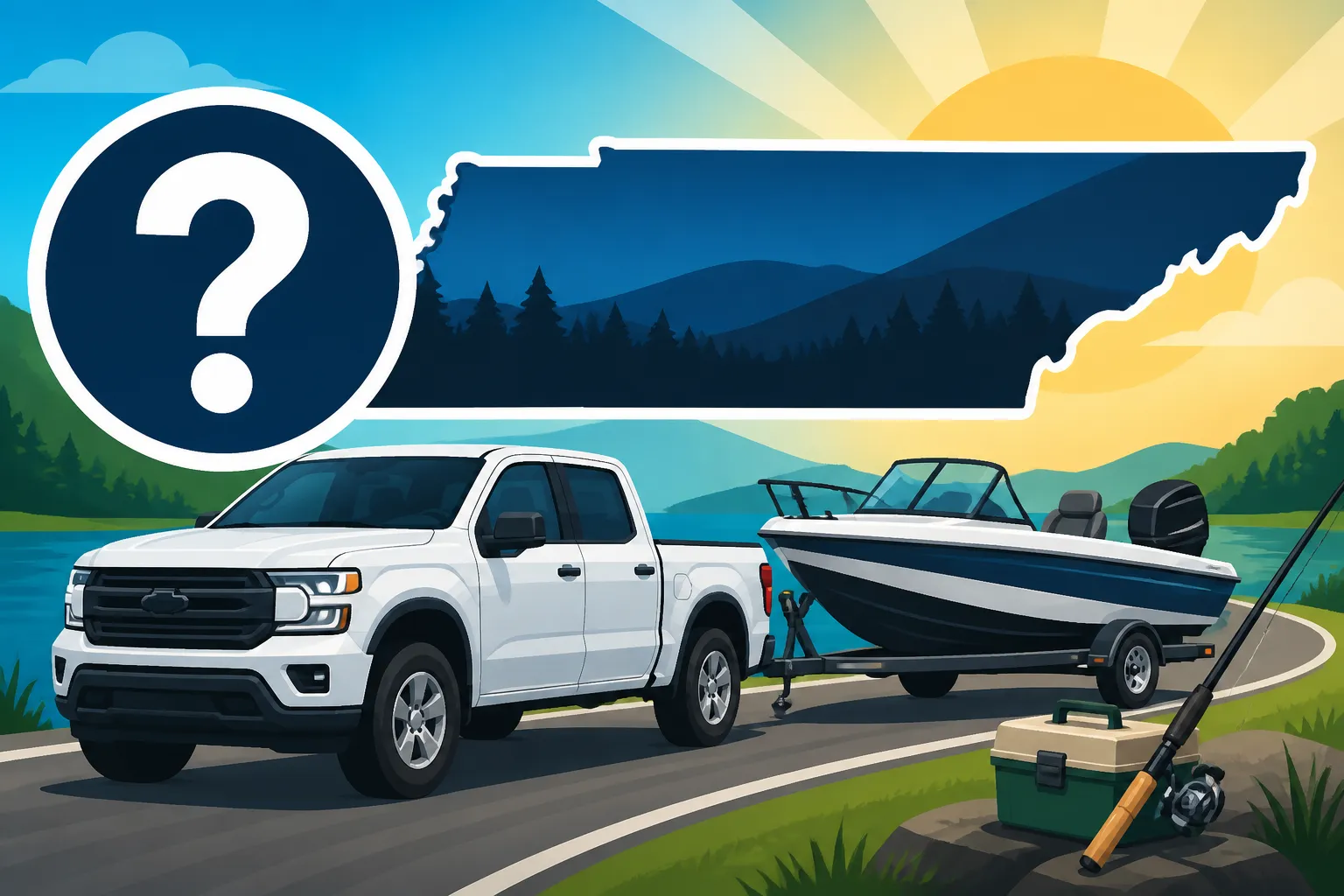
It’s a thought that crosses many an angler’s mind as they hitch up their beloved bass boat or pontoon: "Do I actually need some kind of special license to tow this thing in Tennessee?" You're not alone in wondering. The rules around towing can feel like a tangled fishing line sometimes, leaving you scratching your head instead of casting a line. This guide is here to untangle that confusion, walking you through Tennessee's requirements so you can hit the road to your favorite fishing hole with confidence.
The Core Question: Do You Need a Special License to Tow Your Boat Trailer?
Let's get straight to the heart of the matter because this is often where the anxiety sets in. For the vast majority of recreational anglers in Tennessee, the short answer is: No, you do not need a special driver's license specifically to tow your boat trailer. Your standard Class D operator's license, the one you use to drive your car or truck every day, is typically all you need.
General Rules for Standard Vehicles
Think about it this way: most folks towing a fishing boat, even a fairly substantial one, are doing so with a standard pickup truck or SUV. These vehicles, and the trailers they tow for personal, recreational use, fall squarely within the parameters of what a regular Class D license covers. The state of Tennessee recognizes that recreational activities, like fishing, are part of everyday life, and they've structured their licensing to reflect that. As long as your vehicle and trailer combination aren't exceeding certain weight thresholds (which we'll dive into next), and you're not operating for commercial purposes, you're usually good to go with what you've already got in your wallet.
When Weight Becomes a Factor
While your standard Class D license generally suffices, there's a point where sheer weight starts to become a consideration. This isn't unique to Tennessee; it's a federal guideline that states adapt. If the Gross Combination Weight Rating (GCWR) of your tow vehicle and your trailer combined exceeds 26,001 pounds, and the towed unit (your boat trailer) itself has a Gross Vehicle Weight Rating (GVWR) of more than 10,000 pounds, then you would need a Commercial Driver's License (CDL) with the appropriate endorsements. Now, before you panic, understand that this threshold is incredibly high for recreational boaters. Most personal fishing boats and their trailers, even large ones, rarely approach these commercial-grade weights. We're talking about massive gooseneck trailers hauling multiple large vessels, or incredibly heavy houseboats on specialized trailers. For your average bass boat, pontoon, or even a decent-sized offshore center console, you're likely well under this limit.
Understanding Weight Ratings and Classes in Tennessee
Navigating the world of weight ratings can feel like trying to read a tide chart without your glasses. It's full of acronyms and numbers, but understanding them is key to knowing if you're compliant with Tennessee's regulations.
Gross Vehicle Weight Rating (GVWR) vs. Gross Combined Weight Rating (GCWR)
Let's break down these important terms.
The Gross Vehicle Weight Rating (GVWR) is the maximum operating weight or mass of a vehicle as specified by the manufacturer. This includes the vehicle's chassis, body, engine, fuel, accessories, driver, passengers, and cargo. For your boat trailer, the GVWR is the maximum weight the trailer itself is designed to safely carry, including the boat, engine, fuel, and any gear loaded onto it. You can usually find this rating on a sticker or plate on the trailer frame.
The Gross Combined Weight Rating (GCWR) is an even bigger number. This is the maximum permissible loaded weight of a combination of vehicles, i.e., the tow vehicle and its towed unit (your boat trailer and boat) combined. Again, this figure is set by the manufacturer of the tow vehicle. It's essentially the total weight of everything moving down the road together. It’s this GCWR that often dictates whether you need a special license, but as we discussed, only if it crosses that 26,001-pound mark and the trailer itself is over 10,000 pounds GVWR. For many, this is where the confusion lies, but knowing these numbers helps you stay informed and safe.
How Your Truck's Towing Capacity Fits In
Your truck's towing capacity is what most people focus on, and rightly so for performance and safety reasons. This is the maximum weight your truck is designed to pull. While crucial for ensuring your vehicle can safely handle the load, it's not directly tied to the type of driver's license you need, as long as you're staying within that non-commercial weight limit. However, staying within your truck's rated towing capacity is paramount for safety, vehicle longevity, and avoiding dangerous situations on the road. Pushing beyond your truck's limits can lead to poor braking, overheating, excessive wear and tear, and even loss of control. Always check your vehicle's owner's manual for its specific towing capacities, including tongue weight limits, to ensure a safe journey to Best Fishing Lakes in Tennessee or Watts Bar Lake, Tennessee's Largest Lake for Fishing.
You can often find equipment designed to help manage heavier loads at places like Bass Pro Shops or even online through Amazon, from weight-distribution hitches to beefed-up brake controllers. These tools don't change your license requirements, but they can dramatically improve your towing experience.
| Category | Standard Class D License Requirement | CDL (Class A) Requirement (Rare for Recreational) |
|---|---|---|
| Tow Vehicle + Trailer (GCWR) | Generally any combined weight up to 26,000 lbs (non-commercial) | Exceeds 26,001 lbs AND towed unit (trailer) exceeds 10,000 lbs GVWR |
| Towed Unit (Trailer) GVWR | Any trailer GVWR up to 10,000 lbs (non-commercial) | Exceeds 10,000 lbs AND combined weight exceeds 26,001 lbs GCWR |
| Usage | Personal, recreational, non-commercial use | Commercial purposes (hauling for hire, business, etc.) |
Commercial vs. Recreational Towing: A Key Distinction
This is perhaps the most significant distinction when it comes to driver's license requirements for towing in Tennessee. The rules are designed to ensure professional drivers, who operate large vehicles and combinations as part of their livelihood, have specific training and licensing. Recreational anglers, on the other hand, are generally given more leeway.
Recreational Anglers: What You Need to Know
As a recreational angler, your primary goal is to enjoy the waters of Tennessee, whether it's for a casual weekend trip to Percy Priest Lake Fishing Near Nashville, Tennessee or a serious tournament on Chickamauga Lake: Tennessee's Top Bass Fishing Destination. The state views this as personal use, and therefore, your standard driver's license covers you. This applies whether you're pulling a small jon boat, a mid-sized bass boat, or even a large cruiser, as long as the combined weight stays under that commercial threshold we discussed earlier.
It's important to differentiate between merely having a large boat and using it for commercial purposes. If you're trailering your personal boat to a tournament and competing for prize money, that's still generally considered recreational, as you're not operating a for-hire transportation service. The focus is on the transportation itself being for commercial gain, not the activity at the destination. Always ensure your Tennessee Boat Registration Requirements Explained are up to date and you have all the necessary Essential Safety Gear Checklist Before a Tennessee Fishing Trip for your vessel.
When Recreational Might Start Looking Commercial
This is where things can get a little fuzzy for some. Imagine you own a guide service, and you're regularly towing clients' boats (or your own fleet of rental boats) from one location to another as part of your business operation. In such a scenario, even if the boats are individually within recreational towing limits, the purpose of the towing becomes commercial. A guide operating a boat for paying customers may still be considered recreational in terms of fishing, but if they are regularly transporting multiple large boats for a fee, or if the sheer size and weight of their commercial operation puts them over the weight limits, then a CDL could come into play.
Another less common scenario might be if you're regularly transporting boats for sale, acting as a dealer, or moving boats for others as a paid service. These activities transition from personal recreational use to a commercial enterprise, and with that transition comes the potential for different licensing requirements, particularly if the weights are substantial. However, for 99% of weekend warriors just trying to get their own boat to the water, this isn't a concern. The main takeaway here is: if you're operating for personal enjoyment, your standard license is fine. If you're doing it as a business, dig deeper into commercial licensing laws.
Best Practices for Safe Towing in Tennessee
Knowing your license requirements is just one piece of the puzzle. Safe towing involves a lot more than just the right permit. Whether you're making a quick run to a local pond or embarking on a long journey to Kentucky Lake Fishing on the Tennessee Side, these practices will keep you and everyone else on the road safe.
Essential Gear Beyond the License
Having the right equipment is non-negotiable for safe towing. Beyond your truck and boat trailer, you'll need a properly rated hitch and ball that match or exceed the weight of your loaded trailer. Safety chains are an absolute must – they are your last line of defense if the hitch fails. Many modern trucks come with integrated trailer brake controllers, which are incredibly important for trailers with electric brakes, especially larger boat trailers. If your truck doesn't have one, you can often find aftermarket options at retailers like Bass Pro Shops or through online vendors like Amazon, or have one installed by a professional. These controllers ensure your trailer's brakes work in sync with your truck's, preventing sway and reducing stopping distances. Don't forget proper working trailer lights, including brake lights, turn signals, and running lights. A faulty wiring connection is a common culprit for roadside headaches. For more detail on ensuring your rig is ready, check out our guide on Boat Trailer Tips for Tennessee Anglers.
Pre-Trip Checks and On-Road Safety
Before every trip, perform a thorough inspection. Check your tire pressure on both your tow vehicle and the trailer – low pressure can lead to blowouts and dangerous sway. Ensure all lug nuts are tight. Verify that all lights are working correctly. Test your trailer brakes. Make sure your boat is properly secured to the trailer and all loose gear is stowed or tied down. Nothing ruins a trip faster than losing a fishing rod on the interstate! When you're on the road, remember to drive defensively. Leave extra space between your vehicle and the one in front of you, as your stopping distance is significantly increased with a trailer. Take turns wider than usual to avoid clipping curbs or other vehicles. And always be mindful of your speed, especially on winding roads or in bad weather. For peace of mind, consider taking a boating safety course – many of them cover trailering basics, and it could also help you with your Tennessee Boating Safety Education Certificate Guide requirements. If you're ever in doubt about navigating boat ramps, you might find our article How to Back a Boat Trailer Down a Tennessee Boat Ramp helpful!
Disclaimer
This article is for general informational purposes only and does not constitute professional advice. Laws, prices and regulations vary by location and change over time. Consult a qualified professional for guidance on your specific situation.