Tackle Box Setup for Crappie Fishing
There's nothing quite as frustrating as showing up at your favorite Tennessee crappie spot, ready to reel in some slabs, only to realize you've left a crucial piece of tackle at home or can't find what you need in a jumbled mess. A well-organized tackle box isn't just about neatness; it's about efficiency, readiness, and ultimately, success on the water. This comprehensive guide will walk you through setting up the ultimate crappie tackle box, ensuring you're prepared for any situation you might encounter on Tennessee's diverse lakes and rivers.
The Foundation: Choosing and Stocking Your Crappie Tackle Box
Your tackle box is more than just a container; it's your mobile command center for crappie fishing. The right box will protect your gear, keep it organized, and make it easy to access when the bite is hot. Thinking through your typical crappie outings will help you decide what kind of tackle box best suits your needs.
Selecting the Right Tackle Box Style
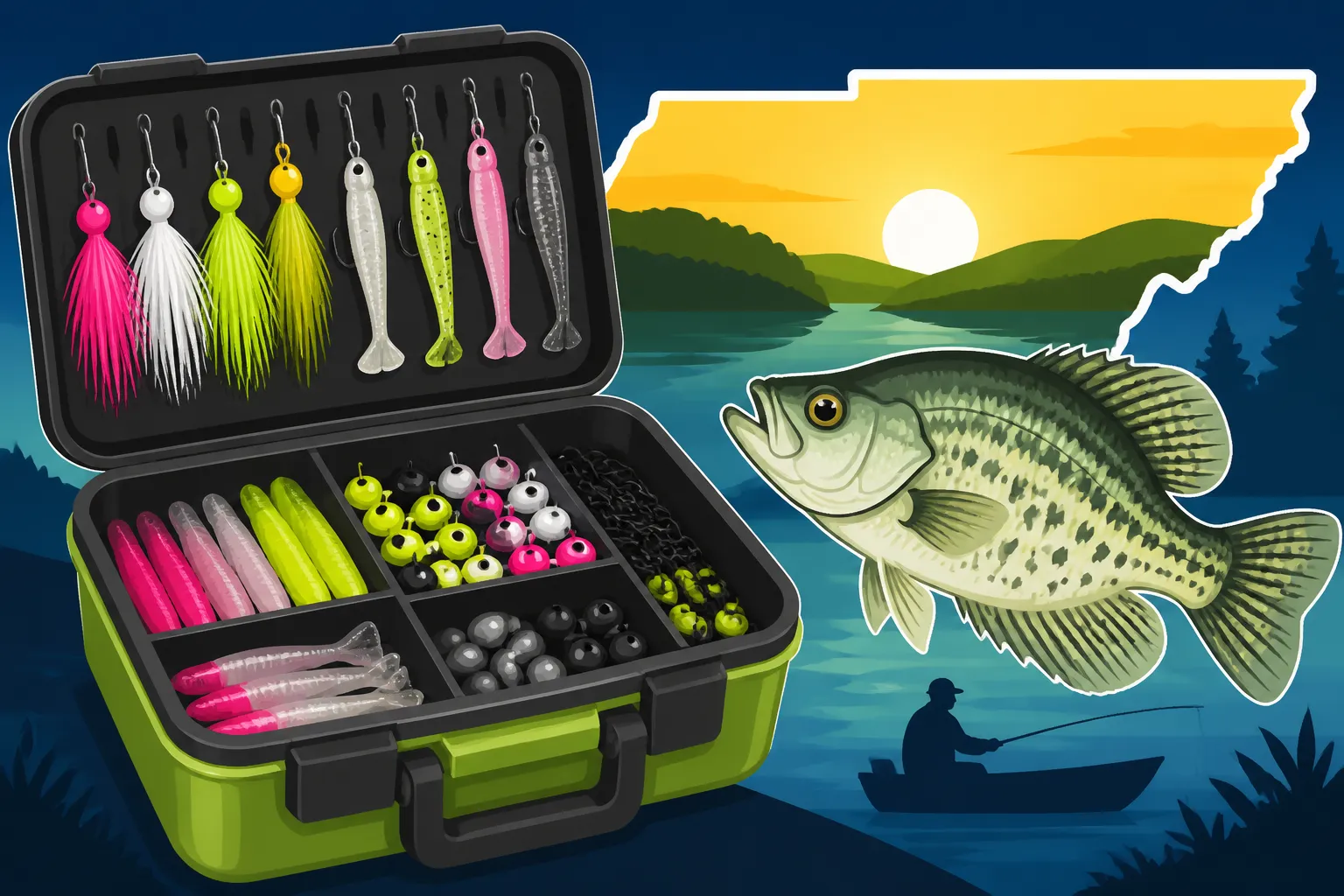
When it comes to tackle boxes, you've got options, each with its own benefits. For crappie anglers, portability and organization are often top priorities. You'll generally choose between hard-sided boxes, soft-sided bags, or a system of utility boxes. Hard-sided boxes, often with cantilever trays, are durable and offer rigid protection, great if you're frequently moving your gear in and out of a truck or boat, but they can sometimes be bulky. Soft-sided bags, on the other hand, are lighter, more flexible, and often come with external pockets for extra storage. Many serious crappie anglers opt for a system of smaller, clear utility boxes that fit into a larger soft bag, allowing for highly specific organization by lure type, color, or even fishing location. This modular approach lets you grab just the boxes you need for a quick trip or a specific technique. You can find a vast selection of these types of tackle storage options at retailers like Bass Pro Shops, offering everything from classic green boxes to modern modular systems.
Essential Storage for Crappie Specifics
Crappie tackle, particularly jigs and hooks, tends to be small and can easily get tangled or lost. This is where good compartments and dividers truly shine. Look for tackle boxes or utility trays with adjustable dividers that allow you to customize compartment sizes. You'll want separate, small compartments for different jig head sizes and weights, another for various soft plastic bodies, and dedicated spots for hooks, swivels, and split shot. Keeping everything separated prevents hooks from dulling prematurely or soft plastics from melting together in the heat. Some utility boxes even have pre-cut foam inserts designed specifically to hold jigs, preventing them from bouncing around. Consider labeling your compartments or boxes by jig weight, color, or lure type to make finding what you need even quicker, especially when you're out on the water at dawn or dusk, when visibility isn't at its best.
Essential Terminal Tackle for Crappie Anglers
This is where the rubber meets the road, or rather, where the hook meets the lip! The right terminal tackle is crucial for successful crappie fishing. Crappie are often finicky, and having a variety of options can make all the difference, whether you're fishing a calm reservoir or a swift-moving river.
Jigs and Jig Heads: The Crappie Kingpins
Jigs are, without a doubt, the cornerstone of most crappie anglers' arsenals. You'll want a range of jig heads in various weights to cover different depths and currents. Common sizes include 1/32 oz, 1/16 oz, 1/8 oz, and 1/4 oz. Lighter jigs are fantastic for shallow water or when crappie are suspended higher in the water column, offering a slower, more natural fall. Heavier jigs help you get down quickly in deeper water or when fighting currents on places like the Tennessee River. Don't forget an assortment of colors! Natural colors like black, brown, and green pumpkin are often effective in clear waters, while brighter colors like chartreuse, pink, or orange can be deadly in stained water or on overcast days. Having a few different hook sizes on your jig heads is also wise; a smaller hook (like a #6 or #8) is often better for delicate bites, while a slightly larger hook (#4) can handle bigger slabs or provide a better hookup ratio with certain plastics. For more detailed jigging techniques, check out How to Jig for Crappie.
Hooks, Sinkers, and Bobbers: Completing the Rig
Beyond jigs, your tackle box needs a solid selection of hooks, sinkers, and bobbers. For live bait presentations, Aberdeen hooks are a popular choice due to their light wire construction which causes less damage to live minnows and their ability to bend out when snagged, often saving your line. Sizes #4, #6, and #8 will cover most crappie scenarios. When it comes to sinkers, a variety of split shot weights (from BB size to 1/0) are indispensable for adding subtle weight to a jig or bait rig, especially under a bobber. For deeper presentations or when current is an issue, small bell sinkers or bullet weights in 1/8 oz to 1/2 oz can be useful.
Bobbers are equally important, allowing you to present your bait at a specific depth and detect light bites. Fixed bobbers are great for shallower water, keeping your bait suspended just a few feet below the surface. For deeper water, slip bobbers are a game-changer, allowing you to reel your line almost to the jig or hook, then slide up to a pre-set bobber stop when cast, letting your bait reach depths of 10-20 feet or more. Consider both traditional round or oval bobbers for visibility and sleek, pencil-style bobbers for a more sensitive bite detection, especially in calm waters. You can find great variety in these essentials on sites like Amazon, ensuring you're stocked for any condition. Learning How to Use a Slip Bobber for Crappie can really elevate your game.
Lures and Baits: Attracting Those Panfish
Crappie are opportunists, and presenting the right "meal" can be the difference between a slow day and a banner catch. Your tackle box should reflect this, offering a diverse menu of artificial and natural options.
Soft Plastic Crappie Lures: The Versatile Choice
Soft plastic lures have become incredibly popular for crappie fishing due to their versatility and effectiveness. These come in countless shapes, sizes, and colors, mimicking everything from minnows and insects to aquatic worms. Grubs (single-tail or double-tail), tubes, and miniature minnow imitations are classic crappie producers. Brands like Bobby Garland, Johnson, and Strike King offer a vast array of proven designs. Just like jig heads, having a variety of colors is key. Beyond the standard chartreuse, white, and black, consider more nuanced colors like "bluegill," "silver minnow," or "pumpkinseed" patterns. The action of the plastic is also important: some have subtle wiggles, while others provide a more aggressive thumping action. Experiment with different retrieves—a steady retrieve, a jigging motion, or even just letting it fall slowly—to see what the crappie prefer on a given day. These plastics are particularly effective when paired with a light jig head, offering a realistic presentation that crappie can't resist.
Live Bait Essentials: Nature's Best Offering
While artificial lures are fantastic, sometimes live bait is simply irresistible to crappie. Minnows are king when it comes to live bait for crappie, and a small minnow bucket or livewell is an essential piece of gear for many anglers. When you can keep them lively, small shiner or fathead minnows rigged on a light wire hook (like an Aberdeen) under a bobber or slowly trolled can be deadly. Sizes typically range from 1 to 2 inches. Beyond minnows, small worms or crickets can also entice crappie, especially in shallower waters or around docks and brush piles. It's always a good idea to have at least one or two live bait options available, especially if the bite on artificials is slow. Remember that the freshness and liveliness of your bait are crucial, so proper storage is paramount. Best Bait for Crappie Fishing offers more specific tips on what to use.
Tools and Accessories Every Crappie Angler Needs
A well-stocked tackle box isn't just about what catches fish; it's also about what makes the entire fishing experience more enjoyable, safer, and compliant with regulations. Don't overlook these often-forgotten but critical items.
Measurement and Handling Tools
To ensure you're adhering to Crappie Limits Under Tennessee Fishing Rules and handling your catch responsibly, a few tools are non-negotiable. A small measuring tape or a fish ruler (many tackle boxes come with one built-in) is vital for checking fish length. Many crappie regulations, especially on specific lakes, might have length minimums or slot limits. Needle-nose pliers or hemostats are essential for safely removing hooks, especially when a crappie has swallowed the bait deep or has sharp dorsal fins that can cause painful nicks. A small pair of line clippers or sharp scissors ensures clean cuts when tying knots or changing lures. For anglers who like to keep track of their catch, a small, portable digital scale can be handy for weighing those trophy slabs. And, of course, a small landing net with rubberized mesh can prevent fish from throwing the hook at the boat and protect their slime coat if you plan on releasing them.
Safety and Convenience Items
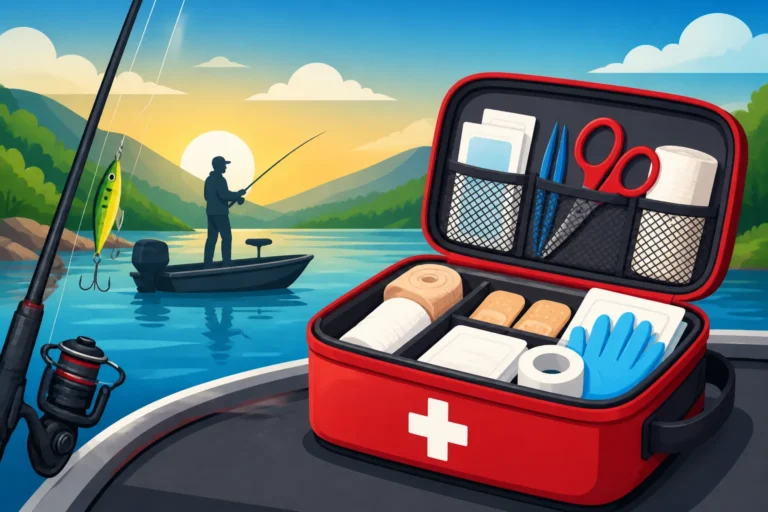
Beyond the direct fishing tools, a truly well-prepared tackle box includes items for personal comfort and safety. A small, waterproof container with a basic first-aid kit – bandages, antiseptic wipes, pain relievers, and perhaps some sunscreen and bug spray – is incredibly important. You never know when a stray hook, a sharp fin, or an unexpected insect bite might occur. If you plan to fish early mornings or evenings, a compact headlamp or a small LED flashlight is invaluable for tying knots, finding tackle, or navigating safely. A multi-tool with pliers, knife blades, and screwdrivers can come in handy for unexpected repairs. Even a small rag or towel can be a lifesaver for wiping hands or drying off wet gear. Being prepared for these minor eventualities ensures that a small mishap doesn't cut your fishing trip short. Consider where you typically fish; if it's the beautiful but rugged terrain around the Great Smoky Mountains, these items become even more critical.
Organizing Your Crappie Tackle Box for Success
Having all the right gear is one thing; being able to find it quickly and efficiently is another. Proper organization is the secret sauce to a truly effective crappie tackle box, saving you time and frustration on the water.
Strategic Compartmentalization
The key to an organized crappie tackle box is thoughtful compartmentalization. Dedicate specific utility boxes or tray sections to particular types of tackle. For instance, one box might hold all your jig heads, organized by weight in individual dividers. Another could be for soft plastic bodies, separated by color or style. Keep your hooks, swivels, and sinkers together in a small, easily accessible container. Bobbers can go into a larger, dedicated space, perhaps with a few pre-rigged bobber stops on leader material. This level of detail might seem excessive, but when the crappie are biting, and you need to switch from a light chartreuse jig to a heavier black and blue one in a hurry, you'll be glad everything has its place. Regularly decluttering and restocking your tackle box, especially after a successful trip, will ensure it's always ready for the next adventure.
Seasonal and Situational Adjustments
Crappie behavior, and thus your tackle needs, can change dramatically with the seasons and different fishing conditions. What works for Spring Crappie Spawn Timing in Tennessee might not be effective when you're targeting crappie in deep water during the winter. For instance, in spring, you might load your box with a heavier concentration of brightly colored jigs and small minnows for shallow-water presentations. In the heat of summer, when crappie go deeper, you might swap those out for heavier jig heads and perhaps some deep-diving crankbaits.
| Category | Spring (Shallow/Spawn) | Summer (Deep/Structure) | Fall (Transition) | Winter (Deep/Slow) |
|---|---|---|---|---|
| Jig Heads | 1/32, 1/16 oz | 1/8, 1/4 oz | 1/16, 1/8 oz | 1/16, 1/8 oz |
| Plastic Colors | Chartreuse, White, Pink | Natural, Dark, Sparkle | Orange, Brown, Chartreuse | Black, Blue, Natural |
| Live Bait | Minnows, Crickets | Minnows, Leeches | Minnows | Minnows |
| Bobbers | Fixed, Small Slip | Large Slip | Small Slip, Fixed | Large Slip |
| Accessories | Bug Spray | Sunscreen, Hydration | Gloves | Hand Warmers, Layers |
If you primarily fish a specific body of water like Kentucky Lake, your setup might lean towards gear proven on that lake. If you often fish from the bank, your tackle box might be smaller and more portable than someone fishing from a boat. Regularly review your tackle and adjust your inventory based on recent success, upcoming trips, and changing conditions. This dynamic approach keeps your tackle box lean, efficient, and perfectly tuned for whatever Tennessee's waters throw at you. For tips on battling the cold, refer to How to Catch Crappie in Cold Water.
With a thoughtfully organized crappie tackle box, you’ll not only enhance your chances of a great catch but also make every moment on the water more enjoyable. Remember, preparation is key to success in any fishing endeavor.
Disclaimer
This article is for general informational purposes only and does not constitute professional advice. Laws, prices and regulations vary by location and change over time. Consult a qualified professional for guidance on your specific situation.