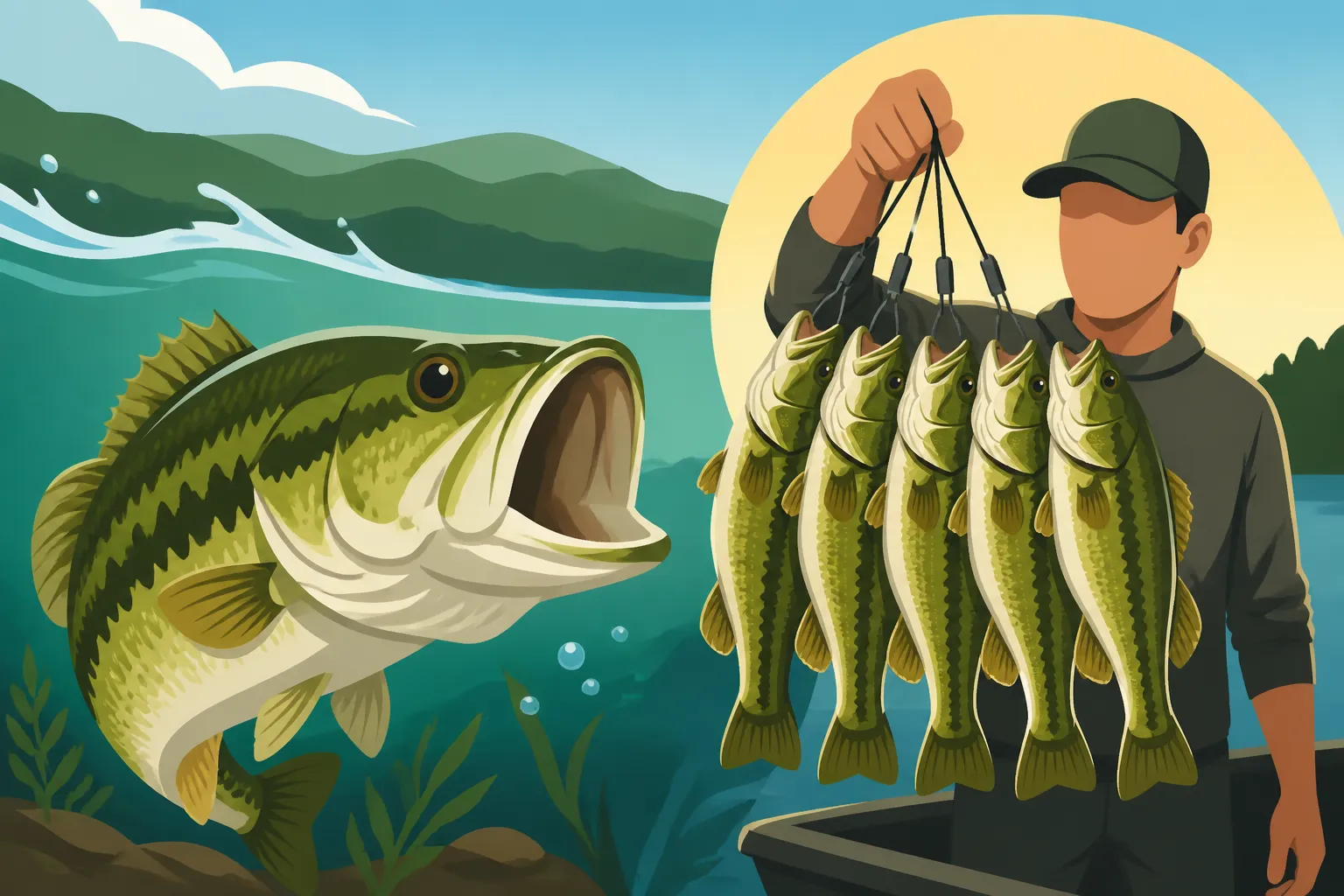
Largemouth bass limit in Tennessee is 5 fish per day
It can be incredibly frustrating to head out for a day of fishing, only to worry if you’re abiding by all the rules and regulations. With so many different species and varying limits depending on the water body, it's easy to get confused. When it comes to one of Tennessee's most prized game fish, the largemouth bass, understanding the specific daily catch limits and size restrictions is crucial for a legal and enjoyable outing. This guide will clarify exactly what you need to know about keeping largemouth bass in our beautiful Volunteer State waters.
Understanding Tennessee's Statewide Largemouth Bass Regulations
Tennessee is a phenomenal state for bass fishing, attracting anglers from all over. But before you cast your line, it’s vital to understand the statewide regulations, which serve as the baseline for nearly all our waters. These rules are designed to protect the fish populations, ensuring healthy fisheries for generations to come. Trust me, nobody wants to be on the wrong side of a game warden because of a simple misunderstanding. It’s always better to be over-informed than under-informed when it comes to Tennessee Fishing Rules Every Angler Should Know.
The Daily Bag Limit for Largemouth Bass
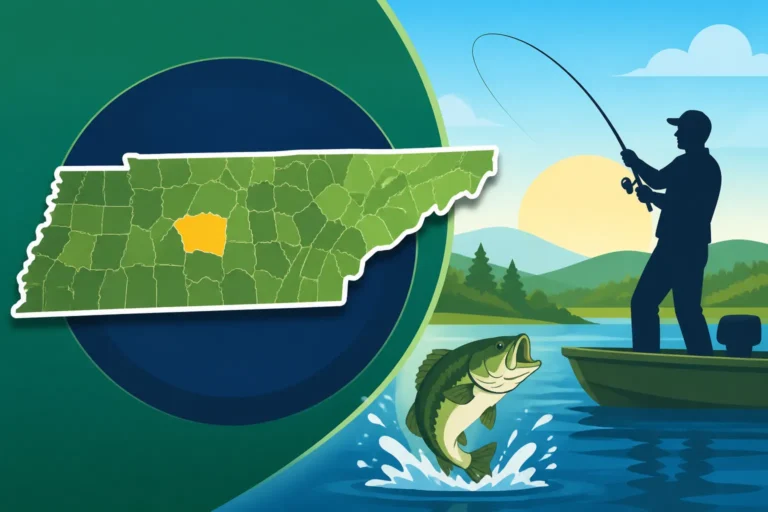
Let's cut right to the chase: the statewide daily bag limit for largemouth bass in Tennessee is 5 fish per day. This means that from the moment you start fishing until you stop for the day, you cannot possess more than five largemouth bass in total. This limit applies to most of Tennessee’s public waters, including our vast reservoirs like Kentucky Lake and Chickamauga Lake, which are renowned for their incredible bass fisheries.
It’s important to remember that “daily bag limit” means what you can keep in a 24-hour period. If you’re planning a multi-day trip and staying at a cabin or campground, you can accumulate your limits, but only if they are properly stored and marked. For instance, if you catch your five fish on Monday and put them on ice, you can then catch another five on Tuesday. However, you can’t have ten bass in your livewell on Monday morning. The intent is to limit the harvest each day, not to restrict your possession of fish from previous legal catches. This distinction often trips people up, so it's a good point to clarify.
Specific Size Restrictions for Largemouth Bass
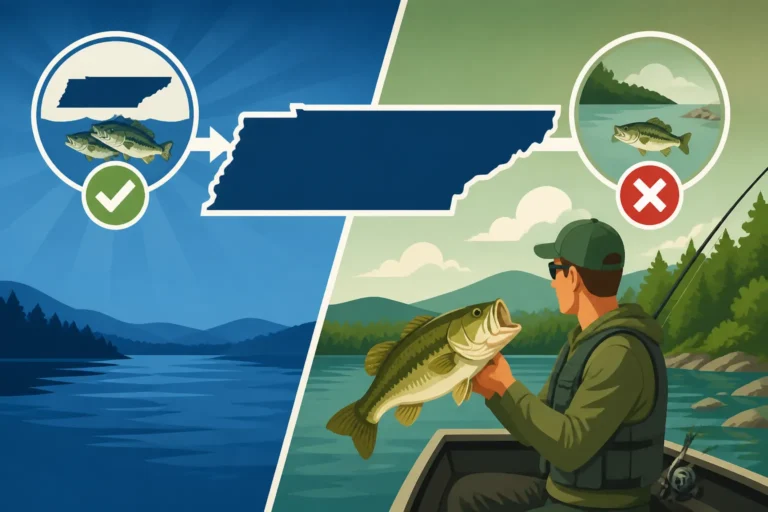
Beyond the number of fish you can keep, there's a critical size restriction for largemouth bass in Tennessee that many anglers, especially those new to the state, often overlook. While you can keep five fish per day, only one of those largemouth bass may be over 18 inches. The other four fish must be under 18 inches.
This "one over 18-inch" rule is a trophy management strategy. It allows anglers to keep a memorable, larger fish while protecting the majority of the larger, mature spawning bass that are so important for maintaining a robust population. Imagine catching a true lunker, say a 22-inch hawg from Chickamauga Lake, Tennessee's Top Bass Fishing Destination! You can absolutely keep that one. But then, for the rest of your daily limit of five, any other largemouth you keep must measure less than 18 inches. This means if you catch a 19-inch bass, release it, and then catch a 20-inch bass, you can keep the 20-inch one, but any subsequent keepers must be under 18 inches. This can take some getting used to, especially if you're accustomed to simple length minimums in other states.
Why These Limits Are in Place
These seemingly strict limits aren't arbitrary; they are the result of extensive scientific research and management efforts by the Tennessee Wildlife Resources Agency (TWRA). The goal is sustainability. By having a daily bag limit, the TWRA ensures that recreational fishing doesn't deplete the bass population. If everyone kept every bass they caught, our lakes and rivers would quickly be overfished, ruining the experience for everyone.
The "one over 18-inch" rule specifically targets the larger, more prolific breeders. These larger fish contribute significantly more to the gene pool and are crucial for the future health of the fishery. Protecting them allows them to spawn more times, producing more offspring, and ultimately leading to more big fish for anglers to pursue in the future. It’s a long-term investment in our state's angling legacy. Think of it as balancing today's enjoyment with tomorrow's promise of even better fishing. These Statewide Bass Limits for Tennessee Anglers are thoughtfully implemented for ecological balance.
Navigating Lake-Specific Largemouth Bass Rules
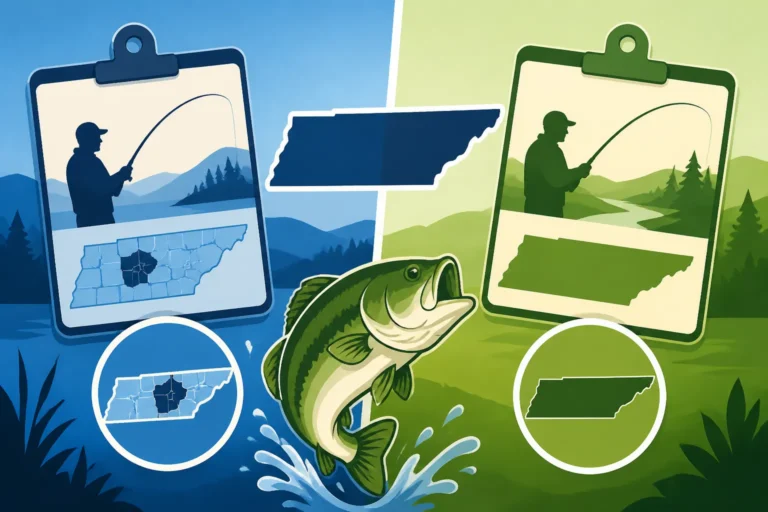
While the statewide regulations for largemouth bass provide a great foundation, Tennessee is a state of diverse waterways, and many lakes have their own unique, special regulations. It’s absolutely critical to be aware of these local rules, as they always take precedence over the general statewide limits. Ignoring these can lead to fines and legal trouble, even if you thought you were following the general rules. This is why having a physical copy of the current regulations or checking the TWRA website before every trip is paramount.
How Local Rules Override Statewide Guidelines
When a specific lake or reservoir has its own set of rules, those rules supersede the statewide limits. This is often done to address particular population dynamics, habitat conditions, or management goals for that specific body of water. For example, a lake might have an overpopulation of smaller bass, so the TWRA might implement a slot limit, allowing anglers to keep more fish within a certain size range, but prohibiting the keeping of fish above or below that slot. Conversely, a lake might be trying to grow larger bass, and thus could have a stricter minimum size limit or even a "no-kill" policy for certain sizes.
The key takeaway here is: always check the local regulations. Don't assume. A quick check of the TWRA Fishing Guide or their online lake-specific regulations page can save you a lot of headache. Imagine planning a trip to Percy Priest Lake near Nashville and arriving only to find out the bass limits are different from what you expected. It's a real bummer when that happens, so a little pre-trip research goes a long way.
Key Lakes with Unique Largemouth Bass Regulations
Tennessee has several lakes known for their unique bass regulations. These often include slot limits, higher or lower minimum sizes, or different daily bag limits. Here's a brief look at some examples, though you must verify current rules before fishing, as they can change annually:
- Center Hill Lake: This lake, known for its beautiful scenery and deep clear waters, has often had special regulations for largemouth bass aimed at promoting growth and quality. Anglers might encounter slot limits here, which means you can keep bass under a certain size and over another, but not within a specific "slot" in the middle.
- Dale Hollow Lake: While famous for smallmouth bass, Dale Hollow also holds largemouth. Its unique international status (shared with Kentucky) and renowned fishery often lead to special regulations.
- Old Hickory Lake: Another popular spot near Nashville, Old Hickory often has its own set of rules to manage its diverse fishery.
These are just a few examples. The important thing is that these Lake-Specific Fishing Rules That Override Tennessee's Statewide Limits are clearly laid out in the official TWRA annual fishing guide. I recommend downloading the PDF version to your phone or picking up a physical copy at any bait shop or even a big box retailer like Walmart. You can even find measuring tapes and scales on Amazon to ensure you're always compliant with those specific length requirements.
Essential Gear and Practices for Responsible Bass Fishing
Being a responsible angler isn't just about knowing the rules; it's also about having the right tools and employing best practices to ensure the fish you catch, whether kept or released, are handled ethically. This attention to detail contributes to the overall health of our fisheries and reflects well on the angling community as a whole.
Measuring Your Catch Accurately
When you're dealing with "one over 18 inches" and specific slot limits, accurate measurement is non-negotiable. You can't just eyeball it and hope for the best.
Here’s how to do it properly:
- Use a reliable measuring board: A sturdy, flat measuring board is far more accurate than a flexible tape measure. These boards typically have a fixed end to butt the fish's nose against and clear markings for length. You can find many options on Amazon or at your local sporting goods store.
- Place the fish on its side: Lay the fish flat on the measuring board with its mouth closed and its nose touching the fixed end.
- Pinch the tail: Gently compress the tail fin so that the rays are parallel and measure to the longest point of the tail. Don't stretch the fish, but ensure the tail is not fanned out loosely.
- Measure quickly: The less time the fish is out of the water, the better. Get your measurement, make your decision, and either place it in the livewell or release it promptly.
- Double-check if unsure: If you're on the border of a legal size, always err on the side of caution. It's better to release a fish you could have kept than to keep one that's illegal.
For larger bass, having a bump board that extends beyond 18 inches is crucial. Remember, a difference of half an inch can be the difference between a legal catch and a citation.
Best Practices for Catch-and-Release
Many bass anglers, especially those targeting larger fish, practice catch-and-release, either by choice or due to regulations. Proper handling greatly increases the fish's survival chances.
- Minimize handling time: Keep the fish in the water as much as possible. If you must remove it for a quick photo or measurement, do so swiftly.
- Wet your hands: Always wet your hands before touching the fish. Dry hands can remove the protective slime coat, making the fish more susceptible to infection.
- Support the fish properly: Never hold a large bass solely by its jaw. This can dislocate its jaw or damage its internal organs. Always support its belly with your other hand, especially for fish over a couple of pounds.
- Use appropriate tackle: Barbless hooks or crushing the barbs on your hooks can make hook removal much easier and less damaging. Circle hooks are excellent for live bait fishing, as they often hook fish in the corner of the mouth, reducing gut-hooking.
- Deep-hooked fish: If a fish is deeply hooked and removing the hook would cause significant damage, it's often best to cut the line as close to the hook as possible. The hook will usually rust out over time.
- Revive properly: If a fish appears stressed or sluggish after the fight, hold it gently in the water, facing into the current (if any), until it regains its strength and can swim away on its own. Don't just toss it back; ensure it's ready to go.
These practices, coupled with selecting the Best Rods for Largemouth Bass and appropriate lures, ensure that our fishing adventures are sustainable and respectful of the wildlife we pursue.
Where to Find More Information and Stay Compliant
Staying up-to-date with fishing regulations is an ongoing responsibility. Regulations can change from year to year, and sometimes even within a season, especially if emergency measures are needed to protect a struggling fish population. As such, having trusted, official resources at your fingertips is essential. Whether you’re a seasoned angler or just starting out with your Tennessee Fishing License Guide, knowing where to look for accurate information is paramount.
Official Resources for Tennessee Anglers
The Tennessee Wildlife Resources Agency (TWRA) is your absolute best source for current and accurate fishing regulations in Tennessee. They are the governing body responsible for managing the state's wildlife and fisheries, and their publications are the law.
Here’s how you can access their information:
- TWRA Annual Fishing Guide: This comprehensive guide is published yearly and details all statewide and lake-specific regulations for various fish species, including largemouth bass. You can pick up a free physical copy at most bait shops, sporting goods stores like Bass Pro Shops or Cabela's, or even some convenience stores across the state. The most convenient way, however, is to download the PDF version directly from the TWRA website. This way, you always have it on your phone or tablet, even when out on the water without internet access. This guide also covers other important topics like Tennessee Fishing License Costs and Types and answers common questions like Do Kids Need a Fishing License in Tennessee.
- TWRA Website: The official TWRA website (tn.gov/twra) is an invaluable online resource. Here, you can find the most current regulations, news updates, lake-specific reports, fish stocking schedules, and much more. Before heading to a new lake or at the start of a new fishing season, always make it a point to check the website for any recent changes.
- Local Bait and Tackle Shops: The folks who run your local bait and tackle shop are often treasure troves of information. They’re usually anglers themselves and can provide insights into current conditions, what’s biting, and any nuanced local regulations you might need to be aware of. They might not be the official word, but they can guide you to the right pages in the rulebook.
Remember, ignorance of the law is not an excuse. It’s up to each angler to know and follow the rules. It’s the easiest way to ensure a pleasant day on the water and avoid unwanted attention from game wardens.
Consequences of Violating Bass Limits
Fishing without adherence to the regulations, whether it’s exceeding the daily bag limit, keeping undersized or oversized fish where prohibited, or failing to have a proper Tennessee Fishing License, can lead to serious consequences. The TWRA takes these violations seriously because they directly impact the health of the fisheries and the sustainability of the sport.
The penalties can vary depending on the severity of the offense and whether it's a first-time or repeat violation. Common consequences include:
- Fines: This is the most common penalty. Fines can range from a couple of hundred dollars to significantly more, especially for egregious violations. These fines are often higher than the cost of an annual fishing license, making it a truly costly mistake.
- Seizure of Catch and Gear: Game wardens have the authority to seize illegally caught fish, and in some cases, even your fishing gear (rods, reels, tackle, and even boats) can be confiscated.
- Suspension or Revocation of Fishing Privileges: For more serious or repeated offenses, your fishing license can be suspended or even permanently revoked. This means you won't be able to legally fish in Tennessee for a specified period or ever again.
- Court Appearances: Some violations may require a mandatory court appearance, adding legal fees and inconvenience to the penalties.
Let’s be honest, nobody wants to deal with any of these. It’s a surefire way to turn a relaxing day into a stressful nightmare. Always ensure you are familiar with the Tennessee Fishing Season and Catch Limits before you head out. Being responsible and ethical anglers means respecting the rules, the fish, and our fellow sportsmen and women. So, measure twice, keep within your limits, and enjoy the incredible largemouth bass fishing Tennessee has to offer!
Here's a quick summary table of the statewide largemouth bass limits:
| Regulation Type | Details | Notes |
|---|---|---|
| Daily Bag Limit | 5 Largemouth Bass per day | Applies to what you can keep in a 24-hour period. |
| Size Restriction | Only 1 Largemouth Bass over 18 inches may be kept | The other 4 fish must be under 18 inches. |
| Exceptions | Lake-specific regulations override statewide limits | ALWAYS check TWRA guide for specific water bodies before fishing. |
Disclaimer
Please note that fishing regulations are subject to change by the Tennessee Wildlife Resources Agency (TWRA). While this guide provides the most current information available at the time of writing, it is the individual angler's responsibility to verify all rules and regulations before fishing. Always consult the official TWRA fishing guide or their website for the most up-to-date and complete information.