Do seniors need any extra permits beyond the lifetime license
Many experienced anglers, especially those who have earned the privilege of a lifetime fishing license in Tennessee, often wonder if that golden ticket truly covers every single thing they might want to do on the water. It’s a completely fair question, and the thought of accidentally breaking a rule because of some obscure, overlooked permit can certainly put a damper on what should be a relaxing day of fishing. This guide is here to untangle that confusion, clearly outlining what your Tennessee senior lifetime license encompasses and, more importantly, whether there are any additional permits you still might need for specific fishing activities.
Understanding the Tennessee Senior Lifetime License
For Tennessee residents who have reached the age of 65, the senior lifetime license is an incredible benefit, offering unparalleled access to the state's abundant hunting and fishing opportunities. It’s designed to simplify things, giving you broad coverage without the hassle of annual renewals.
What the Lifetime License Specifically Covers
The Tennessee senior lifetime license is, in many ways, the ultimate outdoor pass for eligible residents. When you invest in this license, you're essentially securing comprehensive coverage for a wide array of activities within Tennessee's borders. It's not just for fishing; it’s a combined hunting, fishing, and trapping license, which means you're good to go whether you're chasing bass on Chickamauga Lake, hunting deer in a local wildlife management area, or setting traps for furbearers. This broad spectrum of coverage is a huge relief for many seniors who enjoy multiple outdoor pursuits.
Specifically for fishing, this license grants you the right to fish in all statewide public waters – think rivers like the Tennessee River, massive reservoirs such as Kentucky Lake, and countless smaller streams, ponds, and lakes managed by the Tennessee Wildlife Resources Agency (TWRA). You don't need separate permits for different game species like largemouth bass, crappie, or catfish; your lifetime license covers the pursuit of all these popular freshwater species. It truly simplifies your outdoor life, providing a single document that eliminates the stress of remembering different permits for different activities. This kind of extensive coverage is precisely why many consider Tennessee's Lifetime Senior Citizen License such an invaluable asset.
Why the Lifetime License is a Great Value
Beyond the sheer convenience, the Tennessee senior lifetime license represents a remarkable value proposition, especially when you consider the long game. At a one-time cost of $49, it's a stark contrast to the standard resident annual combination hunt and fish license, which currently runs $33 each year. Even the annual senior license for those 65 and older is $4 annually. While $4 a year seems minimal, over several years, the lifetime option quickly pays for itself. For instance, if you live just five years past purchasing it, you've already saved money compared to buying the annual senior license repeatedly. Imagine the savings over ten, twenty, or even thirty years!
The financial aspect is just one piece of the puzzle. The true convenience comes from never having to think about license expiration dates again. No more scrambling to renew online or making a special trip to a local retailer like Walmart or a bait shop before your next fishing trip. That peace of mind, knowing you're always legal and ready to cast a line at a moment's notice, is priceless. It removes a layer of administrative burden, allowing you to focus entirely on enjoying Tennessee’s beautiful outdoors. This lifetime commitment means more time fishing and less time worrying about paperwork, making it a fantastic investment for any dedicated senior angler in Tennessee. To really put it in perspective, it’s worth thinking about How many years of $4 senior licenses it takes to match the $49 lifetime price.
When Additional Permits Might Be Necessary
While the Tennessee senior lifetime license is incredibly comprehensive, there are a few specific scenarios where you might still need to acquire an additional permit. It's not about the state trying to nickel and dime you; it’s usually related to very specialized activities or specific types of fish management.
The Trout Permit Exception
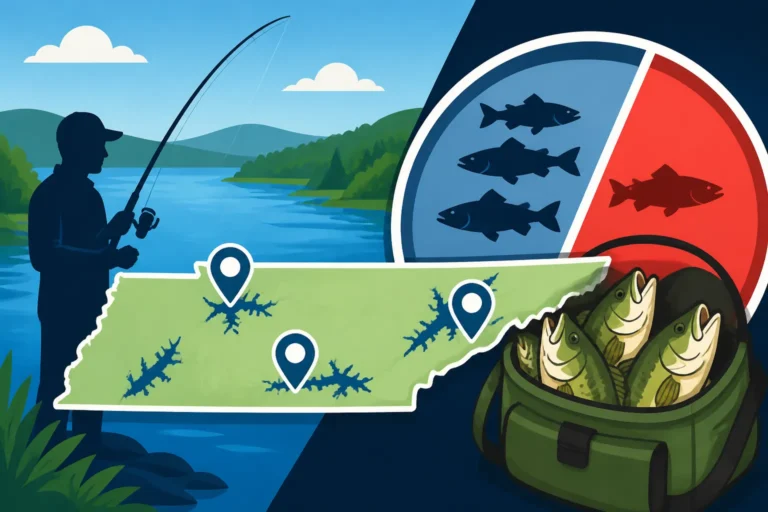
Here's where many anglers, even those with years of experience, can sometimes get tripped up. While your Tennessee senior lifetime license covers general fishing, it does not automatically include a trout permit. This is arguably the most common "extra permit" question for lifetime license holders, and it's a crucial distinction if you love chasing rainbow, brown, or brook trout.
So, when exactly do you need one? A trout permit is required if you plan to keep or possess trout, or if you intend to fish in designated Agency-managed trout waters, especially during certain seasons. Tennessee has extensive trout stocking programs in many cold-water streams and rivers, and these waters are often subject to specific management rules. For example, if you're venturing into the pristine streams of the Great Smoky Mountains or fishing a tailwater below a dam where trout are actively stocked, and your goal is to bring a few home for dinner, you'll need that additional trout permit. The general statewide trout limits also shift from October through February, often deferring to specific water rules, making a trout permit even more critical during these cooler months. Without it, you’re limited to catch-and-release only in these specific areas. Many anglers find themselves asking Do You Need a Trout Permit With Your Tennessee License before a trip to one of these colder waters.
However, if you're fishing a lake or river where trout might occasionally be caught but aren't the primary target species, or if you're strictly practicing catch-and-release for trout, you generally won't need the permit. It's all about intent and location. If you plan to harvest trout, or if you're fishing in waters specifically managed for trout, getting that permit is a must. The cost of a trout permit isn't usually prohibitive, and it ensures you're fully compliant with regulations designed to protect and manage these sensitive fisheries. Remember, Tennessee Trout Limits and Season Rules are quite specific and often tie into the need for this permit.
Special Tags and Management Area Permits
While much less common for general fishing, there are a few niche situations where a lifetime license holder might encounter the need for another specific tag or permit, though these are typically more associated with hunting. For most everyday fishing activities with a rod and reel in public waters, your lifetime license is all you'll need.
However, if your outdoor adventures extend into specific Wildlife Management Areas (WMAs) for certain types of fishing that fall under special regulations, you might, in rare cases, need to check if an additional WMA permit is required. These permits are usually designed to control access or effort in particularly sensitive or heavily managed areas. For instance, some WMAs might have draw hunts or specific regulations for fishing ponds that are stocked and managed in a unique way, separate from general statewide rules. It's always best to consult the TWRA regulations for the specific WMA you plan to visit. While Wildlife Management Area Fishing Rules in Tennessee typically refer more to hunting, it's wise to review them if your fishing spot falls within such an area, just to be absolutely certain there isn't a rare exception.
For the vast majority of senior anglers enjoying the open waters of Tennessee, this won't be a concern. These special tags and WMA permits are usually related to very specific hunting seasons (like big game tags for deer or turkey) or highly controlled fishing opportunities that are distinct from standard rod-and-reel angling on public lakes and rivers. So, while it's good to be aware, don't let it cause undue worry for your regular fishing trips.
Navigating Reciprocity and Specific Water Rules
Beyond the permits themselves, two other areas often cause confusion for even the most seasoned anglers: fishing on waters shared with other states and understanding local lake-specific regulations that might supersede statewide rules.
Fishing on Border Waters
Tennessee shares significant stretches of water with neighboring states, most notably the expansive Kentucky Lake, which straddles the Tennessee-Kentucky border, and Dale Hollow Lake, which lies partly in Tennessee and partly in Kentucky. These shared waterways are fantastic fishing destinations, but they also introduce a layer of complexity regarding licensing.
Your Tennessee senior lifetime license grants you the privilege to fish Tennessee waters. However, it’s critical to understand that it typically does not automatically cover you when you drift or motor into the waters falling under the jurisdiction of a neighboring state. For example, if you’re fishing the Tennessee portion of Kentucky Lake with your Tennessee lifetime license and decide to venture across the state line into Kentucky waters, you would generally need a valid Kentucky fishing license to be compliant. This is where reciprocity agreements come into play. These agreements are specific arrangements between states that often allow anglers with a license from one state to fish in certain designated border waters of the other state, usually only up to a certain point or under specific conditions.
These rules can be intricate and may change, so always, always verify the current reciprocity agreements before you cast a line on a border lake. A simple call to the TWRA or checking their official website for the most up-to-date information is always a smart move. Assuming your Tennessee license works everywhere just because the water looks continuous could lead to an unexpected fine. It’s a common pitfall, and you might want to look into Fishing License Reciprocity Between Tennessee and Neighboring States for more detailed information.
Lake-Specific Regulations
Another crucial aspect to understand is that while your lifetime license gives you the general authority to fish, it doesn't mean that every body of water follows the exact same set of catch limits and size restrictions. Tennessee is home to a diverse array of lakes and rivers, and many of these have unique, lake-specific regulations designed to manage their particular fish populations and ensure sustainable fishing for everyone.
For instance, a particular lake might have a different slot limit for largemouth bass than the statewide default, meaning you can only keep fish within a certain size range, or perhaps only one fish over a certain trophy size. Or, a specific stretch of river might have a reduced creel limit for smallmouth bass or special rules for crappie during certain times of the year. These localized rules are usually in place to address specific ecological conditions, population dynamics, or fishing pressure on that particular body of water.
It's absolutely essential to check the specific regulations for the lake or river you plan to fish before you even launch your boat or walk down to the bank. These rules are usually clearly posted at boat ramps and access points, and they are always available on the TWRA website. Relying solely on statewide regulations can lead to unintentional violations. For example, while the general statewide bass limit might be five fish, a specific lake like Chickamauga or Dale Hollow could have entirely different rules. Remember, Lake-Specific Fishing Rules That Override Tennessee's Statewide Limits are common, and the local rules always take precedence. It's always a good practice to Always check a specific lake's regulations before your first cast.
Ensuring Compliance and Best Practices
Even with a comprehensive lifetime license, a few best practices will ensure your fishing trips are always smooth, legal, and stress-free.
Always Carry Proof
It might seem obvious, but carrying proof of your Tennessee senior lifetime license while you're fishing is non-negotiable. Even though you've made a one-time purchase, game wardens and TWRA officers have the right to ask for your license at any time to verify compliance. Imagine being out on a beautiful day, hooking into a monster bass, only to have the excitement turn sour because you left your license at home. It happens more often than you'd think!
Your proof can be the physical license card issued by the TWRA, or increasingly, a digital copy on your smartphone. Many anglers prefer the convenience of having it on their phone, either as a saved image, a PDF, or through an official TWRA app if available. If you keep a digital image, ensure it’s easily accessible, perhaps in a dedicated folder or even backed up to a cloud service like Amazon Photos, so you can pull it up quickly, even if you don't have perfect cell service. Just make sure your phone is charged! Having a backup printed copy, tucked away safely in your tackle box or glove compartment, is also a smart move, just in case your phone decides to call it quits. What's important is that you can present it immediately upon request. For more on this, check out Digital vs Printed Fishing Licenses in Tennessee and Carrying proof of your license while fishing in Tennessee.
Staying Informed with TWRA
Regulations are not static; they can and do change. While a lifetime license eliminates the need for annual renewals, it doesn't exempt you from staying updated on any changes to fishing regulations, season dates, or special management rules that might come into effect. The Tennessee Wildlife Resources Agency (TWRA) is the authority on all things hunting and fishing in the state, and their website is an invaluable resource.
Make it a habit to periodically visit the TWRA website (tn.gov/twra), especially before embarking on a trip to a new body of water or if you plan to target a specific species. They publish annual fishing guides, press releases, and alerts about regulation changes, trout stocking schedules, and special events. Subscribing to their email newsletter or following their social media channels can also keep you in the loop. This proactive approach ensures that you're always fishing within the current legal framework, avoiding any potential misunderstandings or penalties. Being a responsible angler means not just having the right license, but also staying informed about the rules that protect our precious natural resources for everyone.
Summary of Senior Lifetime License Coverage
To simplify things, here’s a quick overview of what your Tennessee Senior Lifetime License generally covers and what might require an extra permit:
| Feature/Activity | Covered by Senior Lifetime License? | Requires Additional Permit? | Notes |
|---|---|---|---|
| General Fishing (Statewide) | Yes | No | Covers all warmwater species (bass, crappie, catfish, etc.) in public waters. |
| Hunting (Statewide) | Yes | No (typically) | Covers most common game animals. Some specific big game (e.g., elk) or quota hunts might require special tags/drawings separate from the license itself. |
| Trapping (Statewide) | Yes | No | Covers furbearers according to regulations. |
| Trout Fishing (Catch & Keep) | No | Yes, a Tennessee Trout Permit | Required if you plan to keep trout or fish in designated Agency-managed trout waters, especially during October-February. Not needed for catch-and-release only or incidental catches in non-trout-managed waters. |
| Fishing in WMAs | Yes | Potentially, for highly specific activities/areas (rare for fishing) | For most general fishing, the lifetime license is sufficient. Always check specific WMA regulations, as some specialized ponds or events might have additional requirements, though this is primarily for hunting. |
| Fishing Border Waters | Only on Tennessee's side | Yes, the other state's license | Reciprocity agreements exist for certain shared waters (e.g., Kentucky Lake, Dale Hollow Lake), but always verify current rules. Your Tennessee license does not grant you blanket permission to fish in another state's waters. |
| Lake-Specific Rules | Yes (license covers access) | No (but limits/sizes vary) | The license allows you to fish, but you must adhere to any unique size, creel, or slot limits that override statewide rules for that specific body of water (e.g., Chickamauga Lake bass limits). Always check local signage and TWRA guides. |
Disclaimer
Please note that fishing regulations can change. While this guide provides comprehensive information, it is always your responsibility to consult the most current regulations published by the Tennessee Wildlife Resources Agency (TWRA) before engaging in any fishing activities. This content is for informational purposes only and should not be considered legal advice.