Trout limit in Tennessee is 7 fish per day from March through September
Getting out on Tennessee's pristine rivers and streams for a day of trout fishing is a truly special experience, but trying to keep track of the ever-changing catch limits can sometimes feel like trying to tie a fly in the dark. You might be wondering, "How many trout can I really keep?" Especially during those prime spring and summer months. Well, if you're planning a trip between March and September, this comprehensive guide is here to clear up all the confusion about Tennessee's trout limits, so you can focus on the tug on your line instead of the rules.
The Standard Daily Trout Limit from March through September
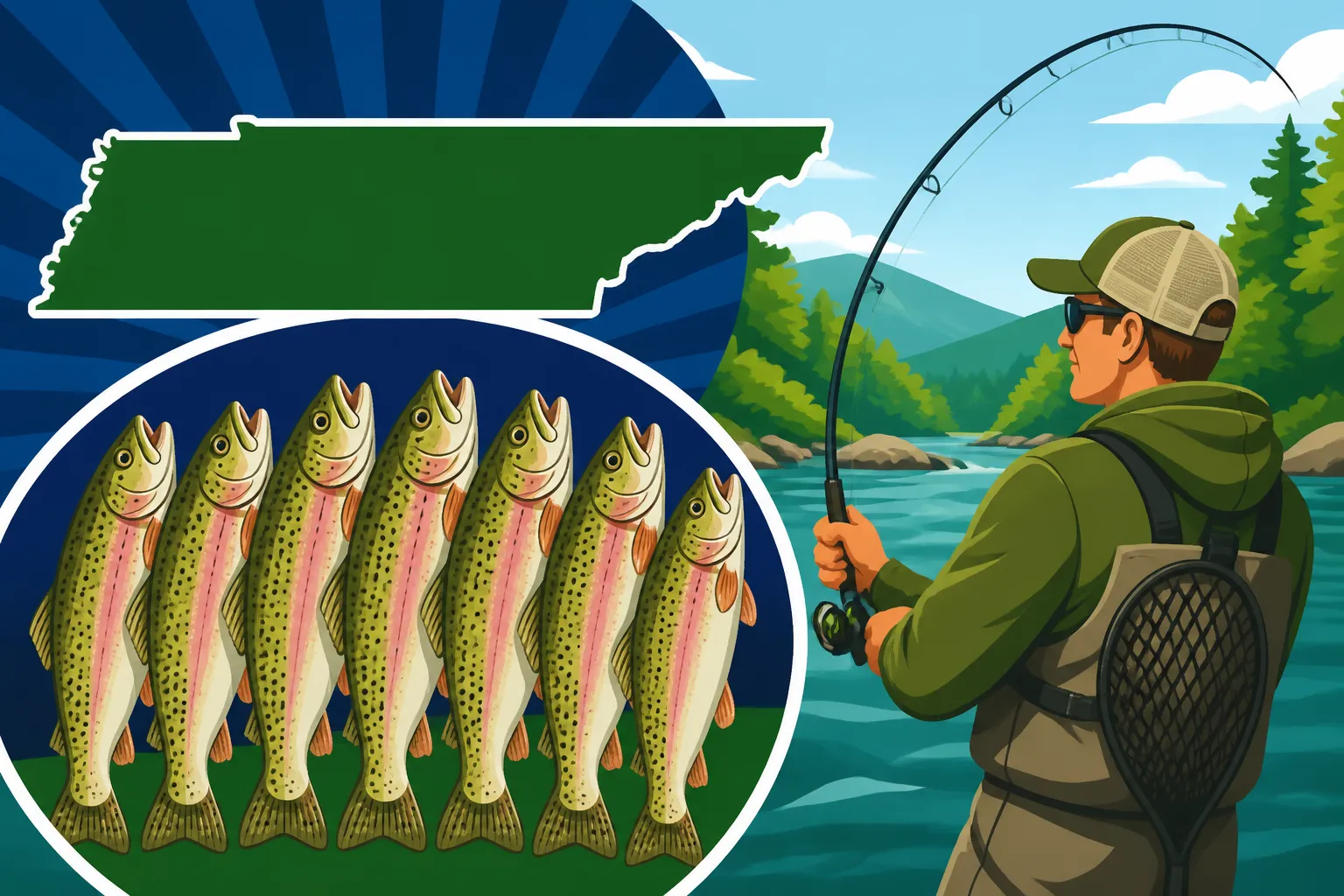
For many anglers across Tennessee, the good news is that the daily creel limit for trout is a straightforward 7 fish per day. This regulation is specifically in effect from March 1st through September 30th each year. It covers the vast majority of public waters where trout fishing is permitted, from the cold-water tailwaters to the many streams that receive regular stockings from the Tennessee Wildlife Resources Agency (TWRA).
This 7-fish daily limit means that no matter how many times you cast your line or how many beautiful trout you hook, you are legally allowed to keep a maximum of seven trout within a 24-hour period. It's crucial for every angler, whether you're a seasoned veteran or just starting out, to understand this number before heading to your favorite stream. Disregarding this limit can lead to penalties for Fishing Without a License in Tennessee, or even more severe consequences, as regulations are strictly enforced to maintain healthy fish populations.
It’s important to clarify that this 7-fish limit applies to the combined total of all trout species you might encounter, which typically include Rainbow Trout, Brown Trout, and the native Brook Trout in Tennessee. You're not getting seven of each; it's a total of seven fish across the board. This specific period, from early spring into the late summer, is a prime time for trout activity, making these regulations particularly relevant for the busiest parts of the fishing year. For a broader look at all the rules, check out our in-depth article on Tennessee Fishing Regulations Explained.
Special Considerations for Brown Trout
While the overall daily limit is 7 trout, there's a very important nuance when it comes to brown trout: no more than 2 brown trout may count toward your 7-fish daily limit. This specific rule often catches anglers by surprise, so it's essential to understand it fully before you hit the water. It’s not an additional limit, but rather a cap within the larger 7-fish total.
Imagine you're having an incredible day on the Clinch River, one of Tennessee's Best Trout Streams, and you've already caught and decided to keep two beautiful brown trout. Even if you haven't reached your overall limit of seven fish, you cannot keep any more brown trout that day. You could, however, still keep up to five more rainbow trout or brook trout to reach your total of seven. This distinction is vital for proper conservation and responsible angling, ensuring that brown trout populations, which can often be more challenging to establish and maintain, are protected.
Proper identification becomes key here. It’s easy to confuse trout species, especially for less experienced anglers. Knowing how to tell a Rainbow Trout vs Brown Trout: Key Differences can save you from accidentally violating regulations. Many online guides and even books available on Amazon can help you sharpen your identification skills, showing distinct patterns, fin coloration, and body shapes for each species. Always err on the side of caution if you're unsure about the species you've caught.
Why These Specific Dates Matter for Trout Season
The March through September timeframe isn't arbitrary; it aligns with crucial biological and management cycles for trout in Tennessee. This period encompasses the peak activity of many trout species, particularly rainbow trout, as water temperatures begin to rise from their winter lows and insect hatches become more prolific. It's also when the TWRA conducts significant portions of its trout stocking program, ensuring a steady supply of catchable fish for anglers.
During these warmer months, trout are generally more active and spread out throughout the water column, making them more accessible to anglers using various techniques. As water temperatures increase in the summer, trout tend to seek out cooler, oxygen-rich waters, often found in deeper pools or around cold-water springs. This natural behavior pattern influences fishing pressure and, consequently, the need for consistent limits to manage the resource effectively. Our article on How Water Temperature Affects Trout Stocking Timing in Tennessee delves deeper into this fascinating connection.
Conversely, the period from October through February sees a shift in trout behavior and, importantly, a change in regulations. During these colder months, many trout streams transition to water-specific rules, often with more restrictive limits or even catch-and-release only sections to protect spawning fish, particularly brown trout. Understanding this seasonal split is crucial for year-round anglers and is why our guide on Tennessee Trout Limits and Season Rules is so popular. It prevents confusion and ensures you're always fishing within the legal framework, no matter the time of year.
Planning Your March to September Trout Fishing Trip
Knowing the regulations is one thing, but putting that knowledge into practice is what truly makes for a successful and enjoyable fishing trip. When planning your trout excursions between March and September, there are several practical steps you should take to ensure you're compliant and prepared.
First and foremost, always confirm the specific regulations for the body of water you intend to fish. While the statewide 7-fish (2 brown trout) limit applies broadly, some individual lakes, tailwaters, or sections of rivers may have special regulations that override the statewide defaults. These can include different size limits, specific bait restrictions, or even entirely different creel limits. Always check the official TWRA fishing guide or look for posted signs at access points. It's not uncommon for Lake-Specific Fishing Rules That Override Tennessee's Statewide Limits to be in place on popular waters like the Hiwassee River or portions of the Cumberland River.
Secondly, ensure your gear is appropriate for trout fishing during this prime season. Lighter tackle, such as ultralight spinning rods or fly fishing setups, is generally preferred. Many anglers find success with small spinners, spoons, or a variety of fly patterns. If you're new to fly fishing, our guide on Fly Fishing Basics for Trout can offer a great starting point, and you can find a wide array of recommended lures and flies on Amazon to get your tackle box ready. Don't forget to have a reliable fishing net on hand for landing fish gently, especially if you plan on releasing any that exceed your limit or are out of season.
Finally, always carry your valid Tennessee fishing license and, if applicable, your trout permit. While the trout permit isn't a standalone license, it’s a required addition for anyone fishing for trout, regardless of their age, if they are legally required to have a license. You might ask, Do You Need a Trout Permit With Your Tennessee License? The answer is almost always yes for adults. You can easily purchase or renew your Tennessee Fishing License Guide online or at various sporting goods stores, ensuring you're good to go before your first cast. Keep a digital copy on your phone or a printed copy in your tackle box.
General Trout Catch Limits in Tennessee (March – September)
To help visualize these rules, here’s a quick summary of the general trout catch limits applicable from March 1st through September 30th:
| Species Covered | Daily Creel Limit | Specific Sub-Limit | Notes |
|---|---|---|---|
| All Trout Species | 7 fish | Not applicable for overall limit | Combined total of all trout species. |
| Brown Trout | N/A | No more than 2 fish | Within the 7-fish overall limit. |
| Rainbow Trout | N/A | N/A | Counts towards the 7-fish overall limit. |
| Brook Trout (Native) | N/A | N/A | Counts towards the 7-fish overall limit. |
| Minimum Size Limit | Varies | See specific water regulations | Always check local TWRA regulations for size. |
This table provides a quick reference, but remember, there's no substitute for reviewing the current TWRA regulations for any specific body of water you plan to fish. Local rules always take precedence, and being informed is your best defense against accidental violations. Many anglers will even keep a small, laminated copy of the regulations, perhaps even one they printed after checking the most recent updates on the TWRA website (or downloaded a digital version from Amazon), right in their tackle box or boat.
Beyond the Numbers: Ethical Angling Practices
Understanding the numbers is just one part of being a responsible angler. During the March to September trout season, when many streams are heavily fished and trout are more active, practicing ethical angling is paramount. This means more than just adhering to the daily limits; it involves how you interact with the fish and the environment.
Catch and release, especially for larger trout or any fish you don't intend to eat, is a fantastic practice. If you are releasing fish, handle them gently with wet hands, minimize their time out of the water, and ensure they are revived before letting them go. Using barbless hooks can also significantly reduce stress and injury to fish, increasing their chances of survival after release. Think about the long-term health of the fishery and the enjoyment of future anglers.
Furthermore, always leave no trace. Pack out everything you pack in, including any discarded fishing line, bait containers, or food wrappers. Protecting Tennessee's beautiful natural resources is a shared responsibility. By following these practices, you contribute to a sustainable fishery, ensuring that the thrill of catching trout in the Volunteer State remains for generations to come. Many helpful items for a "leave no trace" approach, like compact trash bags or specific types of forceps for hook removal, are readily available on Amazon.
The Enjoyment of Trout Fishing in Tennessee
Ultimately, whether you're chasing the elusive brown trout in a cold mountain stream or reeling in rainbow trout from a stocked tailwater, the experience of trout fishing in Tennessee is about connecting with nature and enjoying the peace and challenge it offers. By being well-informed about the regulations, especially the 7-fish (2 brown trout) limit from March through September, you can ensure your trips are not only successful but also fully compliant with state law.
So, gear up, check your local rules, and get ready to enjoy some of the finest trout fishing the South has to offer. The waters are calling, and with this knowledge in hand, you’re all set for an incredible adventure.
Disclaimer
Please note that fishing regulations are subject to change. Always consult the latest official Tennessee Wildlife Resources Agency (TWRA) fishing guide or website for the most current and comprehensive rules before engaging in any fishing activities. This guide is intended for informational purposes only and should not be considered a substitute for official legal documentation.